Pakistan’s Food Sovereignty Crisis: Who Controls Our Seeds, Water, Farms and Food?
Pakistan’s Food Sovereignty Crisis: Who Controls Our Seeds, Water, Farms and Food? Pakistan may not lose control of its food system in one dramatic event.
It could happen quietly, one seed contract, one imported input, one technology licence, one financing arrangement and one supply chain at a time.
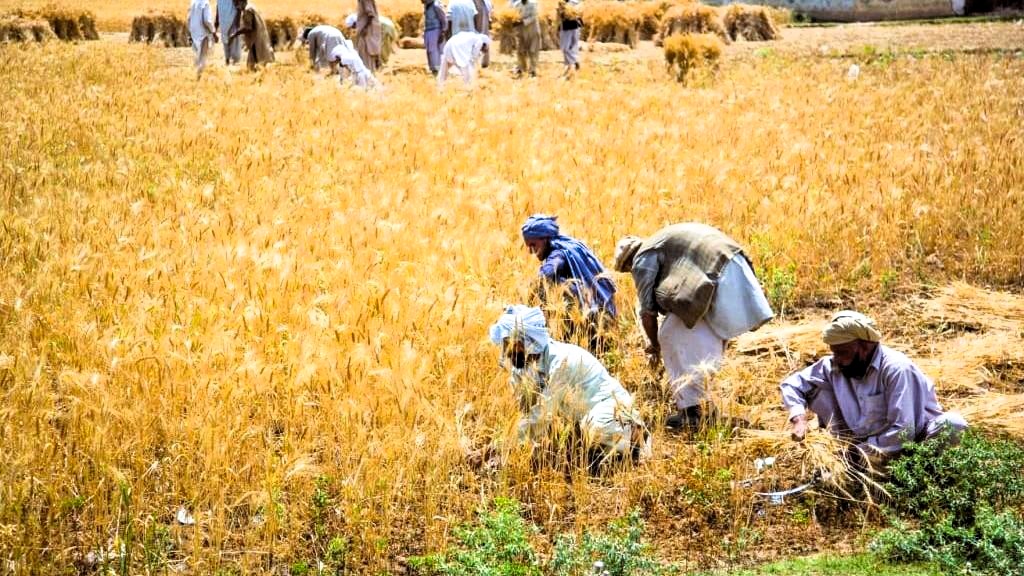
The recent meeting between Prime Minister Shehbaz Sharif and Bill Gates has therefore raised a much larger question than whether Pakistan should cooperate with a global technology and philanthropic leader.
Can Pakistan modernize its agriculture without becoming permanently dependent on others for the technologies, seeds, knowledge and inputs needed to feed itself?
That is the question this investigation examines.
The Bill Gates Meeting That Should Make Pakistan Ask Harder Questions
On September 23, 2026, Prime Minister Shehbaz Sharif met Bill Gates, Chair of the Gates Foundation, on the sidelines of the United Nations General Assembly in New York.
According to Pakistan’s Press Information Department, the prime minister expressed interest in expanding cooperation with the Gates Foundation in agriculture, digital innovation and artificial intelligence.
He also briefed Gates on Pakistan’s agricultural reforms, including innovation, biotechnology, climate resilience, research and farmer capacity building.
Most importantly for this investigation, the two sides agreed to explore cooperation in improved seeds, livestock genetics and emerging agricultural technologies. (PID)
There is no evidence in the official account that Pakistan has handed over control of its agricultural system to the Gates Foundation.
That distinction matters.
But the meeting does provide a legitimate reason to ask harder questions.
Who will own the resulting technology?
Who will control the genetic material?
What intellectual property rights will apply?
Can Pakistani farmers save and reuse seeds?
Will competing Pakistani varieties continue to receive public investment?
What happens if a foreign partner eventually withdraws?
And perhaps the most important question:
What will Pakistan still be able to do by itself after the partnership ends?
That is the real test of agricultural sovereignty and it immediately raises a much larger question.
Why does Pakistan, a country with millions of farmers, major agricultural research institutions and one of the world’s largest irrigated agricultural systems, need to look outside the country for help with the very foundations of its future food production?
The Seed Is Only the Beginning
Social media often reduces food sovereignty to one frightening sentence:
“Control the seed and you control the food.”
There is some strategic logic behind the concern, but the reality is much bigger.
A modern agricultural system depends on seeds, fertilizer, pesticides, water, machinery, electricity, credit, research, genetic resources, data, storage, transport, processing and markets.
Control can therefore migrate gradually.
A farmer may still own his land while becoming dependent on someone else for the seed.
He may own the crop while depending on imported fertilizer.
He may produce food while borrowing money at a high cost to finance the crop.
He may harvest successfully while lacking storage and being forced to sell immediately.
And he may produce an excellent crop while receiving only a small portion of the final consumer price.
Food sovereignty is therefore not simply ownership of farmland. It is the ability to make critical decisions across the entire food system.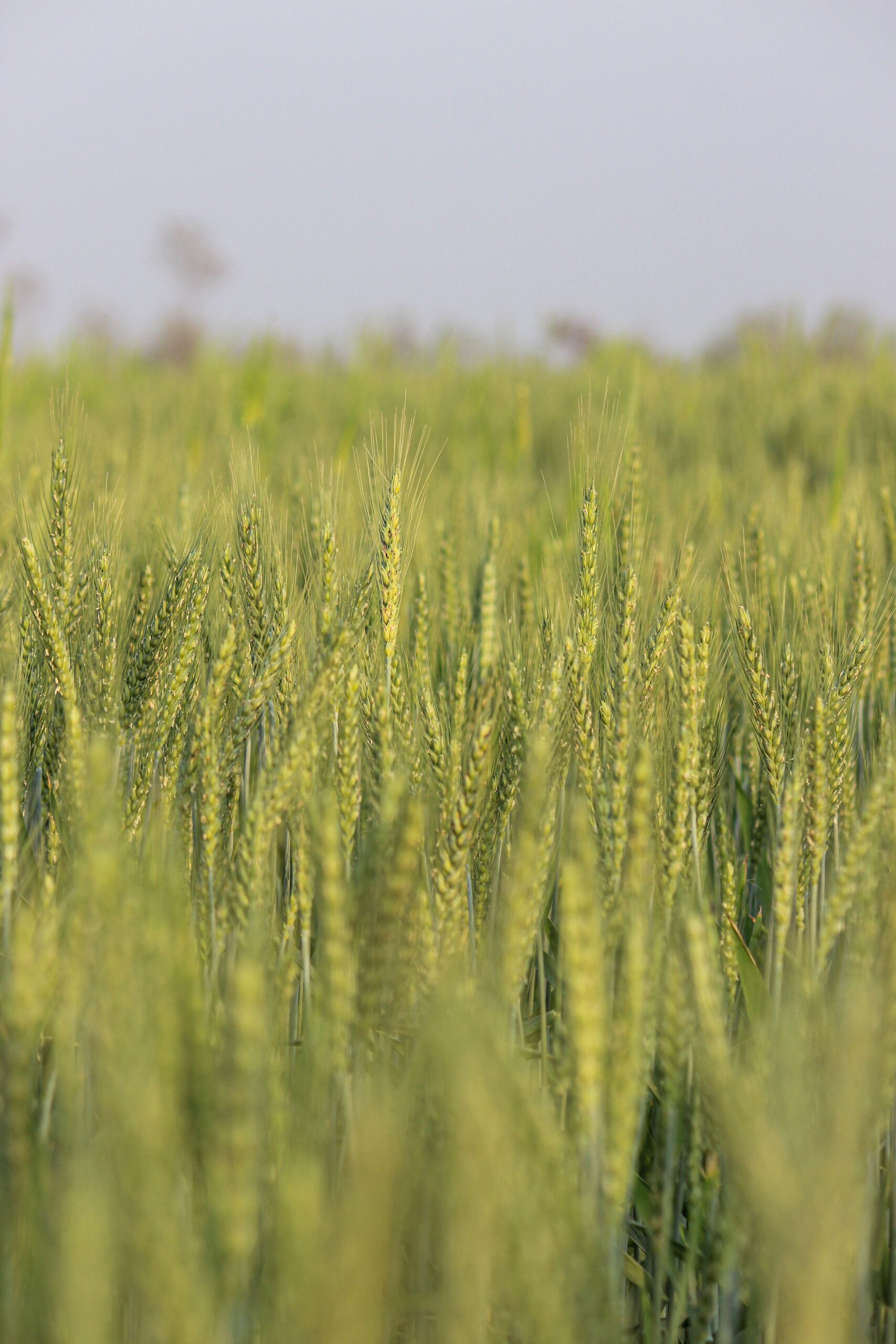
Pakistan Is Already Under Pressure
Pakistan remains an agricultural country, but its farming structure is changing.
The 2024 Agricultural Census recorded approximately 11.7 million farms, with an average farm size of about 5.1 acres, compared with 6.4 acres in 2010. Total farm area reached about 59.3 million acres. (Pakistan Bureau of Statistics)
Smaller farms can make farmers particularly vulnerable to increases in the price of seed, fertilizer, pesticides, electricity, irrigation, machinery and credit.
This does not mean small farms are inherently inefficient. It means that a small farmer has less room to absorb a bad harvest, a price collapse or an unexpected increase in input costs. That is where agricultural sovereignty becomes an economic issue as much as a technological one.
What Exactly Is an Improved Seed?
This distinction is essential.
“Improved seed” does not automatically mean GMO.
It can mean a conventionally bred variety selected for higher yield, disease resistance, drought tolerance, heat tolerance, or another useful characteristic.
A hybrid is also not automatically a GMO.
A hybrid is normally produced by crossing selected parent lines. Farmers can sometimes save hybrid seed, but the next generation may not retain the same combination of traits or performance.
A GMO, or genetically modified organism, involves deliberately changing genetic material using biotechnology to introduce or alter particular traits.
In simple terms:
Conventional breeding selects among existing genetic variation.
Hybrid breeding crosses selected parents.
Genetic engineering directly modifies genetic material using laboratory techniques.
These technologies should not be casually lumped together.
What is a GMO?
GMO stands for genetically modified organism.
In agriculture, scientists modify an organism’s genetic material to produce a desired characteristic. Depending on the crop and technology, this may involve traits such as resistance to particular insects, tolerance to certain herbicides, or other agricultural characteristics. GMO technology is therefore a tool.
The important questions are:
What was changed?
Why was it changed?
What evidence demonstrates its safety?
Who owns the technology?
What are the environmental consequences?
What rights does the farmer have?
What information does the consumer receive?
This is a much more useful discussion than simply declaring GMOs either a miracle or a poison.
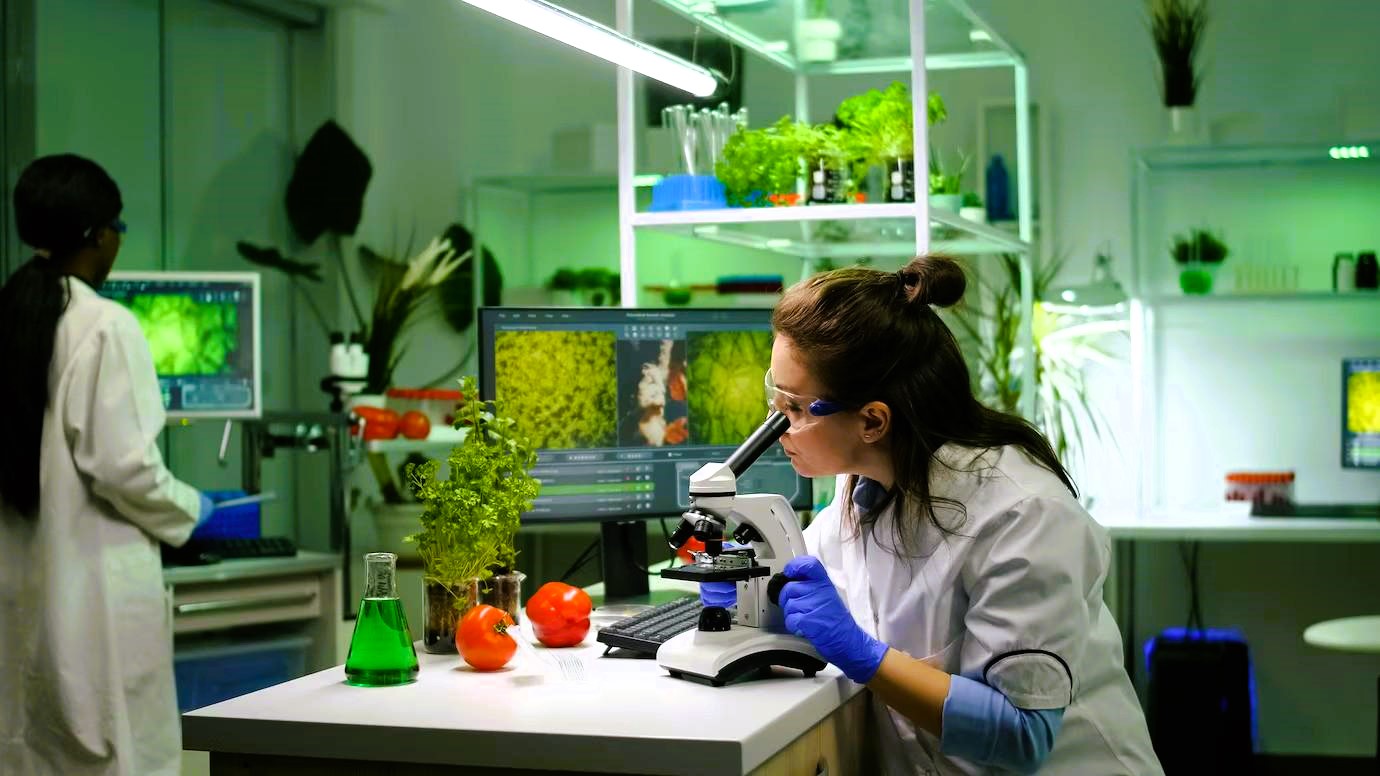
GMO is a technology, not a single type of food. Its benefits and risks depend on the particular crop, the genetic change, how it is grown, and how the resulting food is assessed and consumed.
For Pakistan food sovereignty, we should examine two separate questions:
- Is a particular GMO food safe for people to eat?
- Does producing that food benefit farmers, the environment and the country’s long-term food security?
These questions are related, but they are not the same. A food may be safe to eat while the farming system used to produce it still raises concerns about pesticide use, corporate control, or farmers’ costs.
1. Potential benefits of GMOs for humans

1. Reduced exposure to certain insecticides
Some insect-resistant GMO crops, such as Bt cotton, can reduce the need for spraying insecticides against particular pests. This can benefit farmworkers and nearby communities when it reduces exposure to hazardous chemicals. The benefit varies by crop and local farming practices.
nationalacademies.org

2. Potentially improved nutrition
Genetic engineering can be used to increase particular nutrients in food. Golden Rice, for example, was developed to produce beta-carotene, which the body can convert into vitamin A. Such crops could help address nutritional deficiencies, but their real-world impact depends on access, adoption, diets and public-health programmes.
nationalacademies.org

3. Protection against crop diseases
Certain genetically engineered crops have been developed to resist damaging plant viruses or pests. By protecting harvests, these traits can help preserve food supplies and reduce losses. They do not guarantee higher yields under every condition.
who.int

4. Potential resilience under difficult conditions
Biotechnology may help develop crops with traits relevant to drought, heat, disease or other stresses. However, not every GMO has these properties, and drought tolerance in particular is complex. Good breeding, soil management and irrigation remain essential.

5. Possible improvements in food quality
Some engineered potatoes have been designed to produce less acrylamide, a potentially harmful compound that can form when starchy foods are cooked at high temperatures. This illustrates how genetic engineering can sometimes target a direct consumer-health concern.
nationalacademies.org
One important qualification: a benefit to a crop does not automatically mean a direct health benefit to the person eating it. Some GMO traits mainly benefit farmers or producers; others may offer nutritional or food-quality advantages.
2. Potential risks and disadvantages

1. Possible allergenicity or unintended changes
Introducing a new gene can produce a new protein. Scientists therefore assess whether it could cause allergic reactions, toxicity or unintended nutritional changes. These are reasons for product-specific testing, not evidence that all GMO foods cause allergies.
World Health Organization

2. Herbicide use and resistant weeds
Some GMO crops are engineered to tolerate specific weedkillers. This can simplify weed control, but repeated reliance on the same herbicide can encourage resistant weeds and may increase dependence on particular chemicals. The human health implications depend on the chemicals, exposure levels and safety practices, not simply on whether the crop is GMO.

3. Environmental consequences
Engineered traits can spread to compatible crops or related plants. Depending on the trait and local ecology, this may create challenges involving cross-pollination, biodiversity or weed and pest management. These risks must be evaluated individually; they are not identical for every GMO crop.

4. Dependence on seed suppliers
Some commercial GMO seeds are protected by intellectual-property rights or sold under contractual restrictions. Farmers may face recurring purchase costs or limited choices, depending on the product and local law. This is an economic and governance concern, rather than proof that eating the crop is harmful. Not all GMO seeds have the same restrictions.

5. Unequal distribution of benefits
A technology can raise yields or reduce losses, yet still leave farmers worse off if seed prices, other input costs, debt or market prices work against them. Benefits depend on the complete farming system, access to alternatives and farmers’ bargaining power.

6. Transparency and consumer choice
Consumers may want to know how their food was produced for ethical, environmental, cultural or personal reasons. Clear labeling and traceability can support informed choice, while weak regulatory systems can make oversight harder. The appropriate rules differ between countries.
3. Does eating GMO food cause cancer or infertility?
Current evidence does not establish that approved GMO foods, as a category, cause cancer, infertility, or other widespread human diseases.
The US National Academies’ review found no persuasive evidence of adverse health effects directly attributable to eating currently commercialized genetically engineered foods. The World Health Organization likewise says that GM foods currently on the international market that have passed safety assessments are not likely to present risks to human health.
That conclusion has limits worth understanding:
- It applies to assessed products, not every conceivable future genetic modification.
- Safety assessments should consider toxicity, allergenicity, nutritional composition and unintended changes.
- Long-term population studies specifically isolating GMO consumption are limited, so scientific conclusions should not be presented as a guarantee of zero risk.
- Health risks associated with a pesticide or a farming practice should not automatically be attributed to the genetic modification itself.
The responsible position is neither to declare every GMO dangerous nor to assume every GMO is safe without assessment.
4. What does this mean for Pakistan?
For Pakistan, the question is broader than whether people should eat GMO food. It is whether the country can develop and regulate biotechnology in the public interest.
| Priority | What should Pakistan do |
|---|---|
| Human health | Require a credible, crop-specific safety assessment before approval. |
| Consumer rights | Provide clear, practical rules for labeling and traceability. |
| Farmers | Examine seed costs, licensing terms, access to alternatives and effects on net income. |
| Environment | Assess gene flow, resistant pests and weeds, biodiversity and local ecological conditions. |
| National capability | Fund Pakistani researchers to develop, test and improve crop varieties. |
| Food sovereignty | Avoid excessive dependence on a single company, supplier or technology. |
Pakistan’s own agricultural research institutions, including the University of Agriculture Faisalabad, can help evaluate and develop biotechnology suited to local crops, farming conditions and nutritional priorities.
My Conclusion
The most defensible scientific conclusion is that approved GMO foods currently on the market have not been shown to pose greater human-health risks than comparable conventional foods simply because they are genetically engineered. But each product needs appropriate assessment, and agricultural, environmental and economic consequences must be considered separately.
The question is not whether Pakistan should blindly accept or blindly reject GMO technology. The question is whether Pakistan can evaluate it independently, protect public health, safeguard farmers’ rights, preserve biodiversity and retain control over the strategic decisions that shape its food supply.
That is the difference between technological progress and technological dependence.
Europe Did Not Simply “Reject GMO”
The European position is particularly interesting. It would be inaccurate to say that Europe has completely rejected genetically modified food. The European Union permits certain GM food and feed products following scientific risk assessment and authorization. But Europe has built a much stricter regulatory framework around biotechnology than many other agricultural systems.
The EU requires risk assessment, authorization, traceability and labeling for GMOs and GM food and feed. Member states can also restrict or prohibit cultivation of authorized GMO crops within their territories. (Food Safety)
The EU’s traceability system allows GM products to be tracked through the supply chain. Pre-packaged GM food and feed must generally be identified as genetically modified, while adventitious or technically unavoidable presence below 0.9 percent is treated differently under the relevant rules. (Food Safety)
The European model therefore raises an important principle:
Technology may be permitted without giving technology unlimited freedom.
Europe is also moving toward a new regulatory framework for certain new genomic techniques. Rules adopted in 2026 distinguish between some targeted genetic changes considered comparable to conventional breeding and more complex modifications that remain subject to GMO-style requirements. (Food Safety)
That is an important lesson for Pakistan.
The choice does not have to be:
“Accept biotechnology completely” or “reject biotechnology completely.”
A country can use biotechnology while demanding scientific evidence, traceability, transparency, consumer information, environmental safeguards and protection of national interests.
Pakistan Already Has the Scientific Capacity
Pakistan does not need to behave as though agricultural science exists only in foreign laboratories. One of the country’s most important examples is the University of Agriculture Faisalabad, whose institutional roots go back more than a century. UAF has contributed to crop breeding, biotechnology, water management, agricultural engineering, food science, livestock, seed development and farmer support.
Its recent work demonstrates why Pakistan’s agricultural future should not be framed as a choice between outdated traditional farming and dependence on foreign technology. Pakistan already has scientists capable of developing advanced solutions.
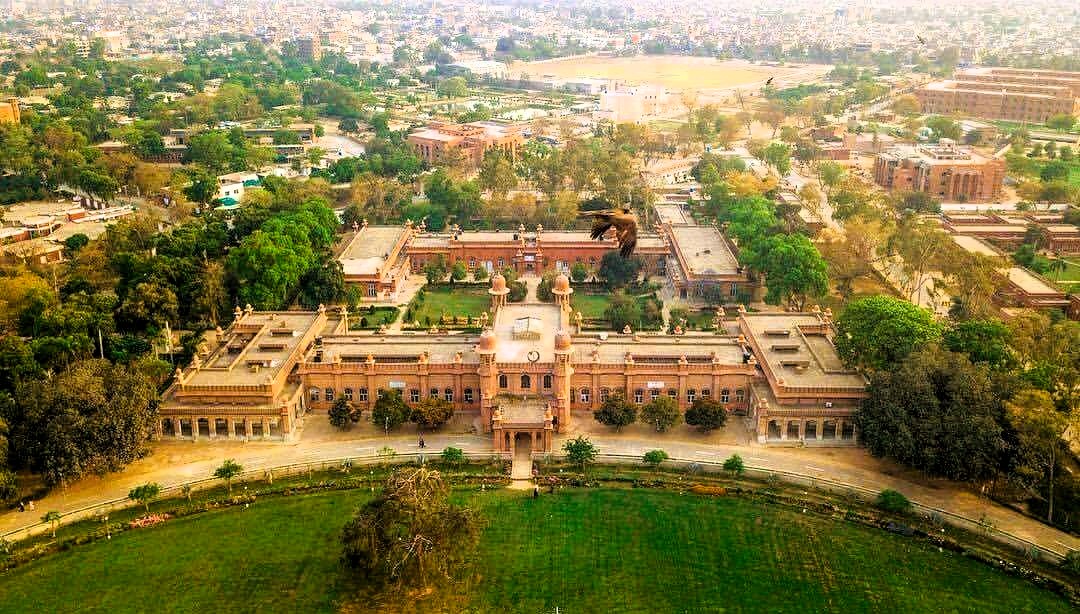
UAF and Climate-Resilient Crops
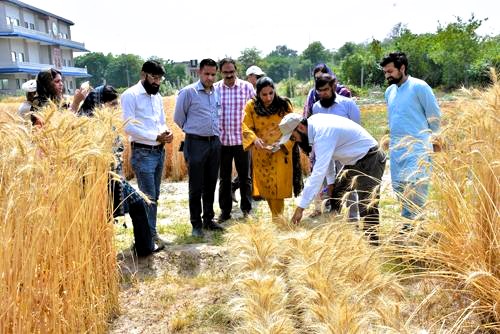
In 2025, UAF developed Chenab Pasta-24, a drought- and heat-tolerant durum wheat variety approved by the Punjab Seed Council.
UAF says the variety is suitable for both irrigated and rain-fed areas and could contribute to climate resilience, domestic wheat production and value-added food industries. The university has also reported more than 50 improved lines involving crops, fruits and vegetables. (University of Agriculture Faisalabad)
This is precisely the type of scientific capacity Pakistan needs as climate change makes traditional assumptions about farming increasingly unreliable. Heat tolerance is no longer merely an academic objective. It is becoming a food-security requirement.
UAF Is Working Across the Agricultural System
UAF’s research is not limited to one crop. The university has reported new germplasm and improved varieties involving heat-tolerant wheat, durum wheat, soybean, brassica, okra, maize, chickpea, quinoa, sorghum, mango, citrus, cotton and other crops.
It has also established a seed-processing facility and is pursuing academic-industry linkages to increase seed production and commercialization. UAF has launched the Kisan-360 platform to provide agricultural guidance to farmers. (University of Agriculture Faisalabad)
That matters because agricultural sovereignty requires more than inventing a variety. A research result must eventually reach the farmer. The chain from laboratory to seed multiplication to certification to distribution to farmer adoption is itself part of national agricultural capacity.
Pakistan Can Develop Its Own Biotechnology
Perhaps the most interesting example comes from biotechnology.
UAF researchers have developed insect-resistant and herbicide-tolerant transgenic sugarcane lines. These lines received approval for field trials through Pakistan’s biosafety process. (University of Agriculture Faisalabad)
This point deserves emphasis. If Pakistan wants to protect itself from technological dependence, the answer cannot be to reject biotechnology simply because some of it comes from abroad. Pakistan should also develop the scientific ability to create, test, regulate and commercialize biotechnology itself.
Technological sovereignty does not mean rejecting advanced science.
It means developing enough scientific capacity that the country can participate in advanced science rather than merely purchasing its finished products.
UAF Is Also Working on Water and Machinery
Agriculture cannot survive on better seeds alone. Pakistan’s water crisis makes irrigation efficiency equally important. In February 2026, UAF demonstrated a multi-functional vegetable nursery transplanter designed for Pakistani field conditions.
The machine combines bed preparation, mulch placement, drip-line placement and transplanting in a single operation. UAF says the technology is intended to reduce production costs, improve field efficiency and support better water management. (University of Agriculture Faisalabad)
This is precisely the kind of locally adapted technology that food-security discussions often overlook. A foreign machine may be technologically impressive. But a machine designed around the realities of Pakistani farms, labor availability, irrigation systems and crop patterns can be strategically valuable in a different way.
UAF’s Agricultural Technology Ecosystem Is Growing
The university’s current Agri-Tech Park provides an even broader example. The park brings together work involving precision agriculture, biotechnology, smart farming, agricultural machinery, post-harvest technology, artificial intelligence, Internet of Things systems, sensor-based irrigation and drone applications.
It also includes specialized facilities covering agricultural biotechnology, food science, seed sciences, agricultural engineering and other fields. (STZA)
Pakistan’s indigenous innovation database also lists UAF-developed technologies involving biofertilizers, soil conditioners, food-safety testing, crop-processing technologies, solar drying, desalination, farm machinery and transgenic sugarcane. (PASSCO)
The message is important:
Pakistan already possesses pieces of the agricultural future it is looking abroad to obtain.
The challenge is scale, funding, commercialization, coordination and getting research from laboratories to millions of farmers.
The Question Is Not Foreign Technology Versus Pakistani Technology
This is where the debate should become more sophisticated.
Pakistan should welcome useful international cooperation.
Korea can provide expertise.
Australia can contribute agricultural research and climate knowledge.
International organizations can provide technical assistance.
Private companies can provide technologies that Pakistan does not yet possess.
The Gates Foundation can potentially support agricultural innovation.
None of this is inherently a threat.
The strategic question is different:
Does cooperation build Pakistani capability, or does it permanently substitute for it?
A partnership that trains Pakistani scientists, transfers knowledge, strengthens laboratories, develops local seed multiplication and leaves Pakistan with institutional capacity is fundamentally different from a system in which Pakistan remains a regular customer. That distinction should be written into agricultural policy.
A Week Before Gates: Pakistan Was Already Pursuing Agricultural Self-Reliance
This is particularly revealing.
Only days before the Shehbaz Sharif-Gates meeting, Pakistan announced progress in cooperation with South Korea to strengthen local production of certified, disease-free potato seed.
The objective included increasing domestic capacity and reducing dependence on imported potato seed.
That is exactly the model Pakistan should examine carefully:
International cooperation that increases domestic capability.
The issue is therefore not whether Pakistan should cooperate with other countries. It is whether every partnership leaves the country stronger than it was before.
The Indian Farmer Suicide Story Needs a Reality Check
The viral argument about India is emotionally powerful. It is also frequently oversimplified. Indian farmer suicides are real and deeply serious. But there is no sound basis for claiming that “improved seeds” alone caused the farmer-suicide crisis.
Researchers have identified a complex mixture of factors, including indebtedness, crop failure, irrigation problems, input costs, agricultural prices, credit conditions, social pressures and vulnerability associated with particular cropping systems.
Bt cotton and other seed technologies have been intensely debated, but the evidence does not support reducing the entire Indian farmer-suicide phenomenon to one seed technology.
The real lesson is more uncomfortable:
A new technology can improve productivity and still become part of a financially dangerous agricultural system if farmers have little bargaining power, expensive credit, volatile markets and high input costs.
That is a lesson Pakistan should take seriously.
The Pesticide Problem
Seed is only one input. Fertilizer and pesticides can create another form of dependency. If a farmer must repeatedly purchase imported or concentrated commercial inputs while selling crops into weak markets, higher productivity does not automatically translate into higher household income. The relevant calculation is not simply:
How much did the crop produce?
It is:
How much did the farmer keep after paying for seed, fertilizer, pesticides, water, electricity, machinery, labor, transport and credit?
That is the number that matters.
Agricultural Credit Can Help or Trap
Credit is essential for many farmers. But credit itself is neither good nor bad.
Its effect depends on cost, accessibility and the farmer’s ability to repay.
If borrowing finances productive investment and raises income, credit can strengthen agriculture.
If borrowing is used to purchase increasingly expensive inputs while crop prices remain uncertain, debt can become another mechanism of vulnerability. This is why agricultural policy must examine the entire financial chain rather than celebrating credit disbursement figures alone.
Fertilizer Creates Another Dependency
Pakistan’s agricultural productivity depends heavily on fertilizer. But fertilizer production and imports are tied to energy prices, international markets, foreign exchange and industrial capacity. A country may therefore become vulnerable even when it produces its own food. This illustrates a broader principle:
Food security does not necessarily mean producing the final crop domestically.
A country can produce wheat while depending on imported machinery, fuel, chemicals, fertilizer ingredients, technology and finance. Its food system may therefore remain vulnerable to external shocks.
Water May Matter More Than Seeds
Pakistan’s agricultural future may ultimately depend more on water management than on any single seed technology. The Indus Basin irrigation system remains the backbone of large-scale agriculture.
But groundwater depletion, inefficient irrigation, salinity, climate variability, and rising temperatures are increasing pressure on the system.
That makes water-efficient crops, drip irrigation, soil management, groundwater monitoring and precision agriculture strategically important.
The UAF transplanter project is one small example of how seed, machinery and water management can intersect. (University of Agriculture Faisalabad)
The future agricultural battle may therefore not be about controlling one seed. It may be about controlling the entire production system.
Climate Change Changes the Calculation
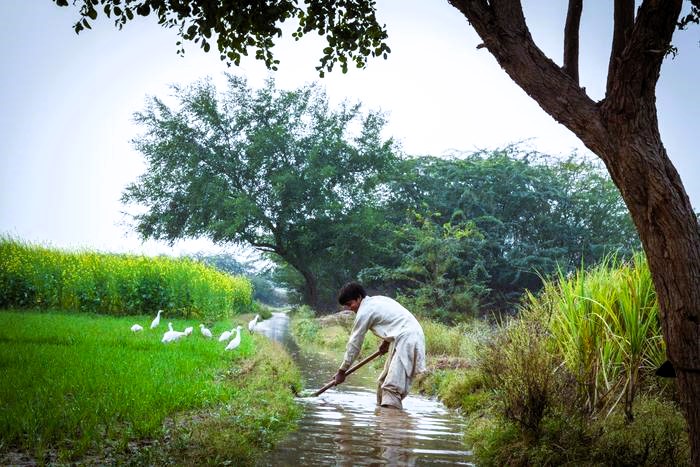
Pakistan’s farmers are already exposed to heat, floods, droughts, irregular rainfall and changing pest patterns.
A variety developed for yesterday’s climate may not be suitable for tomorrow’s.
This makes agricultural research a national-security issue.
Heat-tolerant wheat is not simply a scientific achievement.
Disease-resistant crops are not merely academic projects.
Water-saving irrigation is not just an engineering improvement.
They are components of national resilience.
That is why institutions such as UAF matter.
Who Owns Pakistan’s Genetic Wealth?
There is another issue that deserves much more attention. Pakistan possesses enormous agricultural biodiversity.
Wheat, rice, cotton, fruits, vegetables, livestock breeds and other genetic resources represent generations of adaptation by farmers and ecosystems.
If genetic resources become commercially valuable, questions of ownership, access, intellectual property and benefit sharing become unavoidable.
Pakistan needs policies that protect national genetic resources while allowing legitimate scientific research and commercial innovation.
Who Captures the Value?
Walk through a supermarket and look at the final price of a food product.
Then ask:
How much did the farmer reach?
Between the farm and the consumer are aggregators, transporters, processors, wholesalers, retailers, storage operators, financiers and sometimes powerful brands. The farmer often carries much of the biological risk while possessing limited influence over the final price. This is why food sovereignty must include market sovereignty. A farmer who owns land but cannot negotiate a fair price is not economically sovereign.
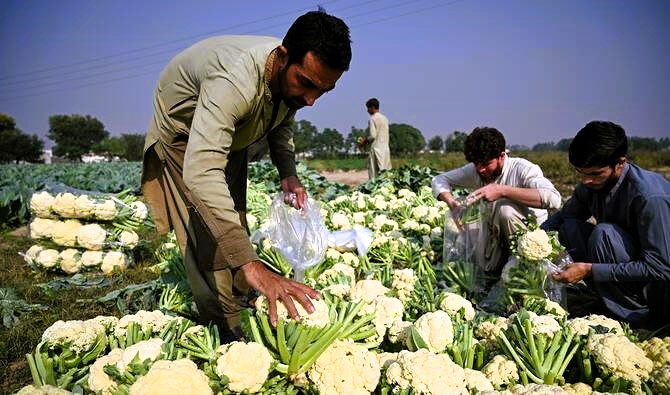
Storage Is Part of Food Security
Pakistan loses value when farmers are forced to sell immediately after harvest because they lack storage, cold chains, warehouses, or affordable financing. Improving storage can therefore be as important as improving yields. If a farmer can safely store produce and sell when market conditions improve, bargaining power increases. Warehouse receipt systems, modern cold storage, processing capacity and transparent agricultural markets deserve far greater attention.
The Food Import Paradox
Pakistan is an agricultural country. Yet agricultural production does not automatically mean food self-sufficiency. Pakistan imports commodities and inputs that it cannot produce domestically in sufficient quantities or at competitive prices. This is not necessarily a failure.
No modern country produces everything it consumes.
Food sovereignty should not be confused with complete isolation.
The objective is resilience.
Pakistan should know which imports are essential, which can be substituted domestically, which technologies can be developed locally and where foreign dependence creates strategic vulnerability.
The Crops We Choose Matter
Agricultural policy also determines what Pakistan grows. If land, water and research increasingly favor crops with strong commercial demand while domestic nutritional needs receive less attention, food security can become complicated. A country may become an important exporter of one agricultural commodity while importing essential food products. The right question is therefore not simply:
How much agriculture do we have?
It is:
What kind of agriculture are we building?
Public Agricultural Research Is National Infrastructure
This may be the most important conclusion of the entire investigation. Pakistan does not need to choose between government research and private innovation.
It needs both.
But public research institutions must remain strong enough to pursue national priorities even when those priorities are not immediately profitable.
Climate-resilient wheat may take years to develop.
Water-saving technology may require long-term field trials.
Disease-resistant crops may not produce immediate commercial returns.
Genetic conservation has value even when no company is ready to commercialize it.
This is why institutions such as the University of Agriculture Faisalabad should be treated as strategic national infrastructure rather than merely educational institutions.
Corporate Agriculture Is Not Automatically the Enemy
Large companies can provide capital, technology, processing capacity, logistics and access to international markets.
Private investment can help agriculture modernize.
The problem begins when market concentration becomes so strong that farmers have few alternatives.
The questions should therefore be practical:
How many suppliers exist?
Can farmers switch?
Who controls intellectual property?
How transparent are prices?
Are contracts fair?
Can farmers save or reuse seed where legally permitted?
What happens when a technology fails?
Can domestic competitors emerge?
Does regulation protect competition?
These questions are more useful than simply declaring corporations good or bad.
The GMO Question Belongs Inside This Debate
Pakistan should not approach biotechnology through slogans. If a GMO crop demonstrates a genuine agricultural benefit and passes rigorous safety and environmental assessment, Pakistan should have the scientific and regulatory capacity to evaluate it. If the technology carries environmental, economic, or intellectual-property concerns, those should also be examined.
And consumers deserve meaningful information.
The European model demonstrates that a country can permit some GM imports while simultaneously maintaining strict authorization, traceability and labeling rules. (Food Safety)
Pakistan could learn from that principle without simply copying Europe’s policy. The goal should be evidence-based regulation.
What Pakistan Should Learn From All This
The lesson from India is not:
Never use improved seeds.
The lesson is:
Never build an agricultural system in which farmers carry most of the risk while controlling little of the economics.
The lesson from Europe is not:
Reject biotechnology.
It is:
Demand evidence, regulation, traceability and informed choice.
The lesson from the Gates meeting is not:
Foreign cooperation is dangerous.
It is:
Define what Pakistan gains in permanent capability from every partnership.
The lesson from UAF is perhaps the most encouraging:
Pakistan already has scientists capable of developing sophisticated agricultural solutions.
The strategic challenge is to give those scientists the funding, laboratories, seed systems, commercialization pathways and policy support necessary to take their work from research papers to millions of farms.
Five Pillars of Pakistani Food Sovereignty
Pakistan’s agricultural strategy could therefore be built around five interconnected pillars.
1. Seed sovereignty
Maintain strong domestic breeding, seed multiplication, certification, conservation and farmer access.
2. Water sovereignty
Invest in efficient irrigation, groundwater management, water-saving crops, soil conservation and climate adaptation.
3. Scientific sovereignty
Strengthen institutions such as UAF and other agricultural universities and research centers so that Pakistan can develop and evaluate advanced technologies itself.
4. Farmer financial security
Improve access to affordable credit, insurance, transparent markets and mechanisms that prevent farmers from carrying disproportionate production risk.
5. Market sovereignty
Expand storage, processing, cold chains, value addition and farmer bargaining power so that producing food also generates sustainable income.
Follow the Money, Not the Narrative
This may be the simplest way to investigate Pakistan’s food future. Whenever a new agricultural technology arrives, ask:
Who owns it?
Who manufactures it?
Who licenses it?
Who pays for it?
Who benefits?
Who carries the risk?
Who owns the data?
Who controls the seed?
Who controls the water?
Who controls the processing?
Who controls the market?
And finally:
What remains under Pakistani control when the foreign partner leaves?
Those questions are more revealing than viral claims about secret plans.
The Real Threat May Be Dependency Without Safeguards
Pakistan should not fear improved seeds.
It should fear dependency without safeguards.
Pakistan should not fear foreign technology.
It should fear the disappearance of domestic scientific capacity.
Pakistan should not reject international cooperation.
It should ensure that cooperation strengthens Pakistani capability rather than permanently replacing it.
And Pakistan should not confuse food sovereignty with isolation.
A country can cooperate with the world while retaining the ability to make its own critical decisions.
The Seed Is Only the Beginning
The original viral argument says that the next great battle after computers and medicine may be food.
That statement is too simplistic to stand as a scientific fact.
But it points toward a legitimate strategic concern.
Food is not merely another commodity.
It is connected to land, water, genetics, science, finance, energy, technology, health and national resilience.
The recent Shehbaz Sharif-Bill Gates meeting makes the issue timely because the official discussion specifically included improved seeds, livestock genetics and emerging agricultural technologies. (PID)
But Pakistan’s response should not be fear.
It should be capability.
And Pakistan already has a foundation on which to build.
From UAF’s climate-resilient wheat and crop breeding to its biotechnology research, water-saving technologies, agricultural machinery and emerging Agri-Tech ecosystem, the country has examples of indigenous scientific capacity. (University of Agriculture Faisalabad)
The strategic question is therefore no longer simply:
Who will help Pakistan modernize agriculture?
It is:
How can Pakistan use the world’s best technology while developing enough of its own scientific, agricultural and institutional strength that it never becomes helpless without it?
That is the real meaning of food sovereignty in the twenty-first century.
Purpose of This Investigation
This article examines Pakistan’s agricultural sovereignty through seeds, biotechnology, water, climate change, agricultural research, farmer economics, credit, fertilizer, markets and international partnerships.
Its purpose is not to portray foreign technology as inherently dangerous or domestic institutions as automatically superior.
It is to identify where dependency can emerge, where Pakistan already possesses indigenous capability, and what safeguards could help ensure that international cooperation strengthens rather than weakens long-term national resilience.
Key Takeaway
Pakistan does not need to choose between isolation and dependency.
It can cooperate with the world, use advanced biotechnology, attract investment and learn from international partners while simultaneously strengthening its own scientists, seed systems, research institutions, farmers and markets.
The objective should be simple:
Use foreign knowledge where it helps. Build Pakistani capability where it matters. Never surrender the ability to make critical decisions about food.
Frequently Asked Questions
1. Is an improved seed the same as a GMO?
No. Improved seed can be developed through conventional breeding, hybrid breeding or biotechnology. GMO refers specifically to organisms whose genetic material has been deliberately modified using genetic engineering.
2. Has Pakistan agreed to give control of its agriculture to Bill Gates?
There is no evidence of such an agreement. Pakistan’s official account of the September 23, 2026 meeting says the two sides agreed to explore collaboration involving improved seeds, livestock genetics and emerging agricultural technologies. (PID)
3. Does Europe ban GMO food?
No. The European Union permits certain authorized GM foods and feed. However, it applies strict risk assessment, authorization, traceability and labeling requirements, and EU countries can restrict cultivation of authorized GMO crops. (Food Safety)
4. Did GMO seeds cause Indian farmers’ suicides?
There is no credible basis for reducing India’s farmer-suicide crisis to GMO seeds alone. The issue involves multiple interacting factors, including debt, input costs, crop failures, water conditions, market prices and socioeconomic pressures.
5. Can Pakistan develop advanced agricultural technology itself?
Yes. Pakistani institutions already conduct advanced agricultural research. UAF, for example, has worked on climate-resilient crops, biotechnology, agricultural machinery, water management and precision agriculture. (University of Agriculture Faisalabad)
6. Does food sovereignty mean Pakistan should stop importing food and technology?
No. Food sovereignty does not require complete isolation. It means maintaining enough domestic capability, diversity and resilience to make critical decisions without becoming dangerously dependent on a single external supplier, technology or market.
References
- Pakistan Press Information Department, Prime Minister Shehbaz Sharif’s September 23, 2026 meeting with Bill Gates and discussion of agricultural cooperation. (PID)
- Pakistan Bureau of Statistics, Agricultural Census 2024. (Pakistan Bureau of Statistics)
- University of Agriculture Faisalabad, Chenab Pasta-24 drought- and heat-tolerant durum wheat. (University of Agriculture Faisalabad)
- University of Agriculture Faisalabad, transgenic sugarcane research. (University of Agriculture Faisalabad)
- University of Agriculture Faisalabad, Multi-Functional Vegetable Nursery Transplanter. (University of Agriculture Faisalabad)
- Special Technology Zones Authority, Agri-Tech Park at UAF. (STZA)
- PASTIC, Pakistani Commercializable Products and Indigenous Innovations database. (PASSCO)
- European Commission, GMO legislation, authorization, traceability and labeling. (Food Safety)
Author: Maj Hamed Mahmood (Retired), MA Political Science, LLB, PGD (HRM)