Saudi Arabia and Pakistan Sign Mutual Defence Pact


SDG 15 emphasizes protecting forests, combating desertification, restoring degraded land, and conserving biodiversity. For Pakistan, with its fragile ecosystems, the challenge is urgent. From weak governance to urban encroachment, land degradation threatens food security and climate resilience. Islam frames stewardship of the earth as a divine trust — making conservation both a global necessity and a spiritual duty.
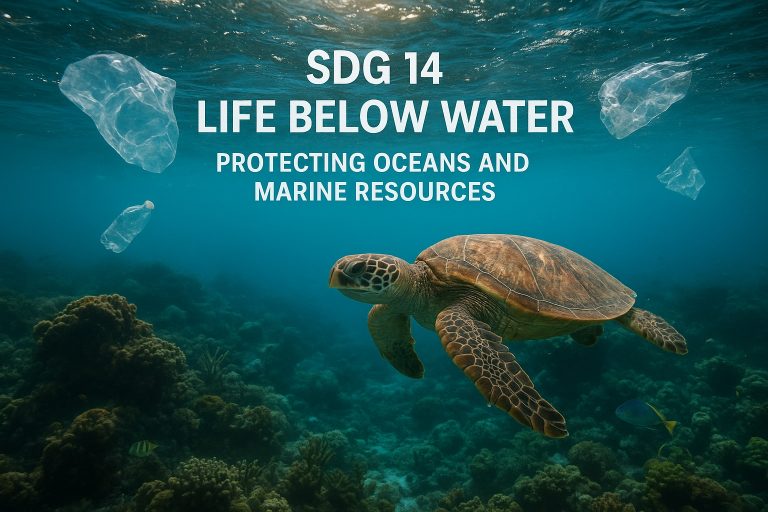
Oceans cover over 70% of the Earth’s surface and are critical for regulating climate, supporting biodiversity, and sustaining billions of livelihoods. SDG 14 calls for the conservation and sustainable use of oceans, seas, and marine resources. For Pakistan, with its 1,000 km coastline along the Arabian Sea, marine pollution, overfishing, habitat destruction, and climate change pose growing threats. Islamic principles of stewardship, justice, and balance provide a guiding framework for restoring the health of oceans and ensuring their benefits for future generations.
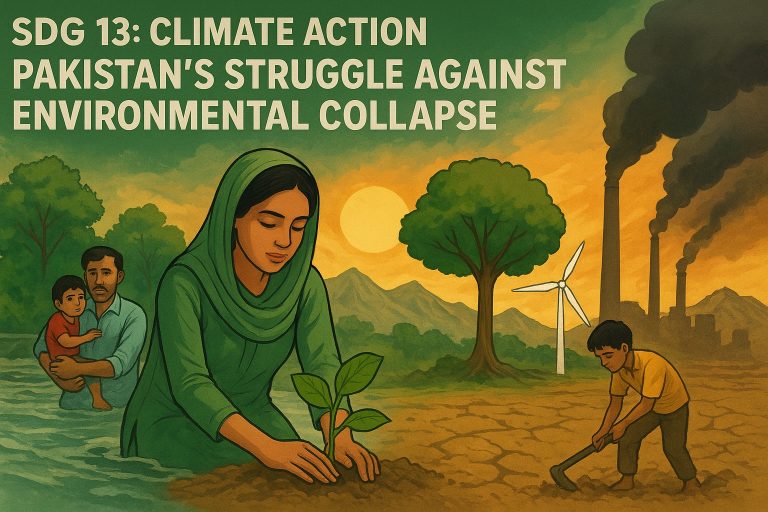
Pakistan is on the frontlines of climate change, facing rising temperatures, floods, droughts, and melting glaciers. This article explores SDG 13 in the global and Pakistani context, examines structural weaknesses, and offers a faith-driven perspective alongside actionable recommendations for resilience and sustainability.


Merit Matters: Role, Challenges, and Consequences in Governance Introduction Merit, the principle of rewarding individuals based on their qualifications, skills, and achievements, is essential for fair governance, institutional efficiency, and social equity. When merit systems weaken or collapse, especially in…