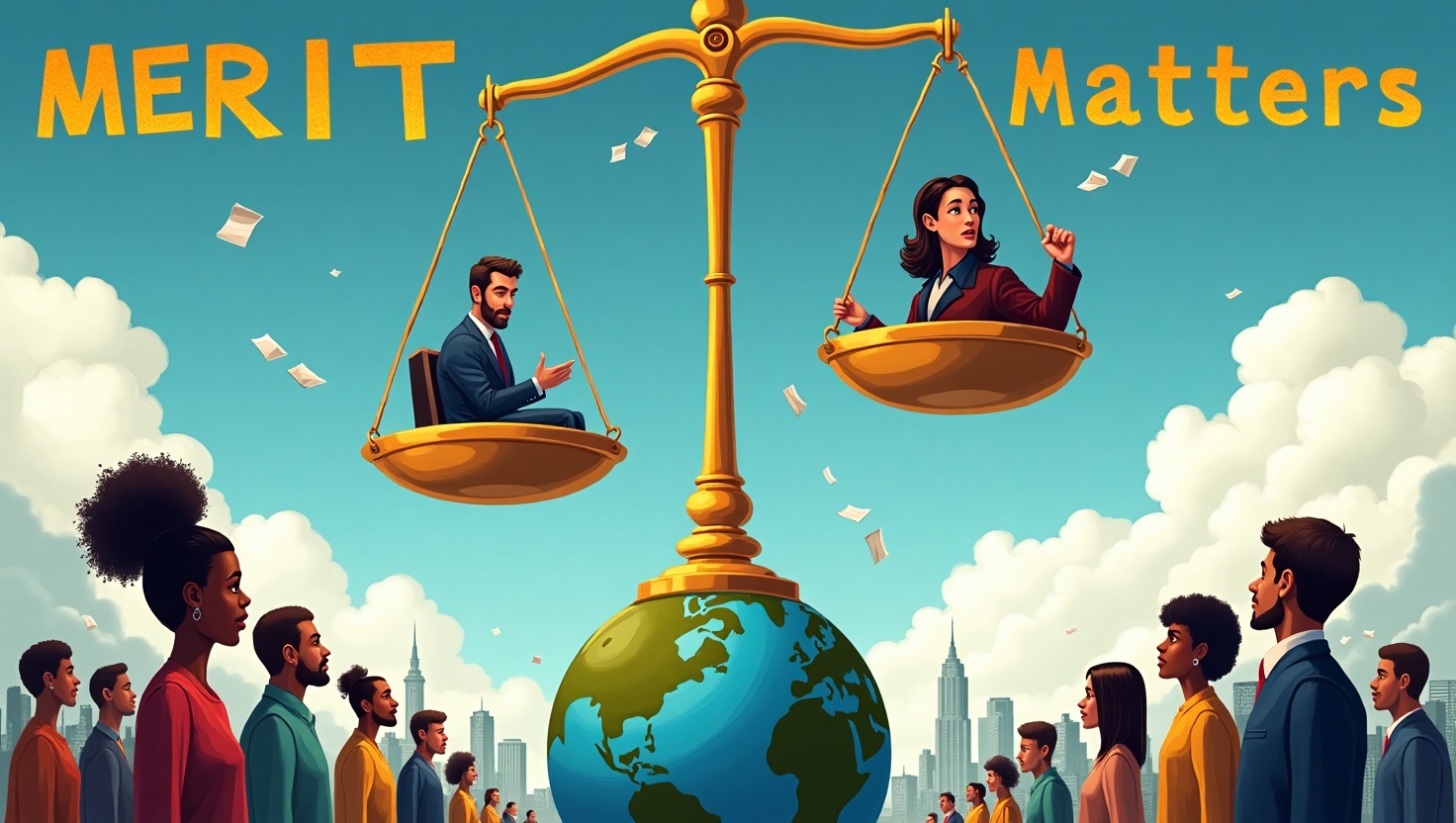

Merit Matters: Role, Challenges, and Consequences in Governance
Introduction
Merit, the principle of rewarding individuals based on their qualifications, skills, and achievements, is essential for fair governance, institutional efficiency, and social equity. When merit systems weaken or collapse, especially in developing countries, the results can be damaging, fueling nepotism, corruption, and fiscal instability.
https://mrpo.pk/accountability/
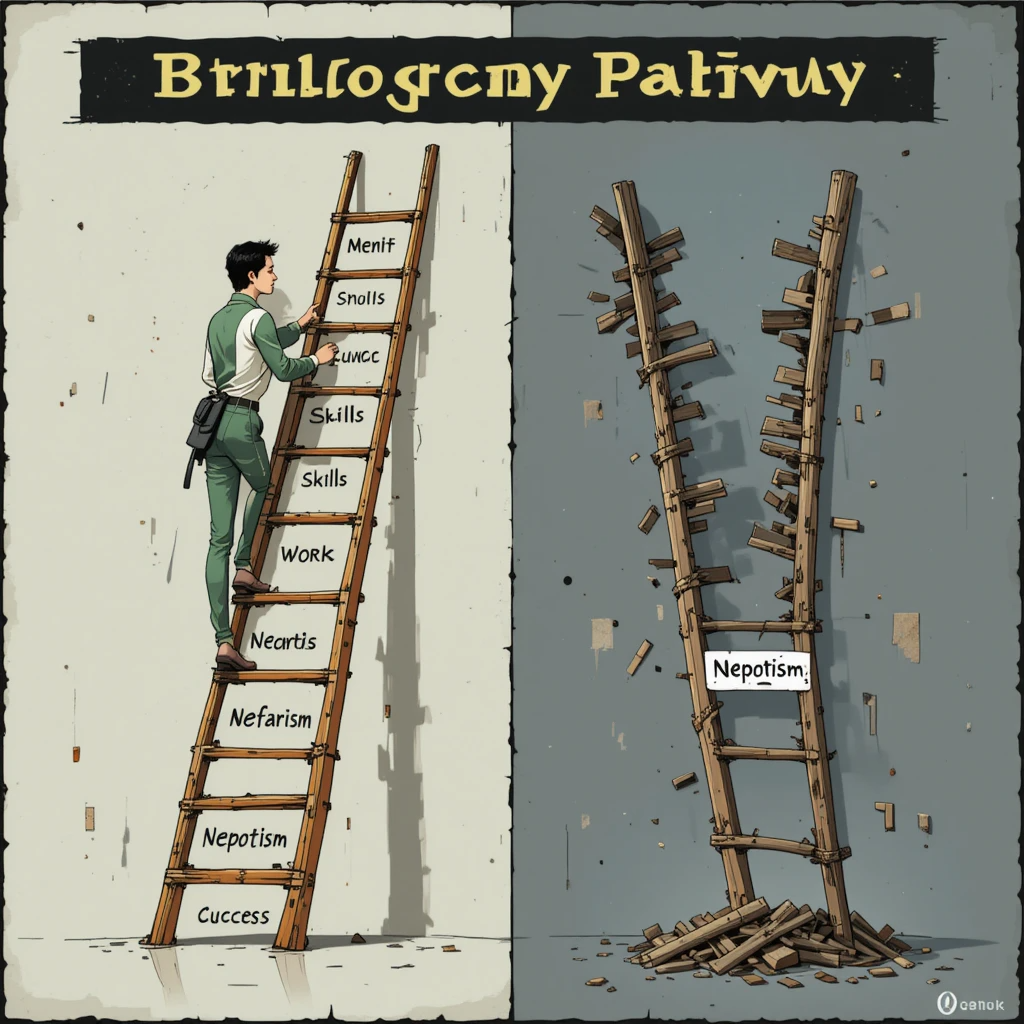
This article explores the role of merit in governance, its challenges, benefits, and consequences, with real-world examples such as Pakistan’s public sector salary controversies.
Meritocracy, or government by those with talent, seems self-evidently a good idea. The most able people will produce the
best possible results and therefore, the public welfare of the
whole population will be optimised. Meritocracy, therefore,
offers a fair system, which results in better outcomes for both
the individual and society. Meritocracy provides talented
and hard-working people from all walks of life with a means
of advancement and the opportunity to contribute to the
well-being of the larger society. It can be a powerful vehicle
for social mobility and incentivise people to do their best and
reach their fullest potential.
https://www.undp.org/sites/g/files/zskgke326/files/publications/Meritocracy-PSE.pdf
What Is Merit and Why Does It Matter?
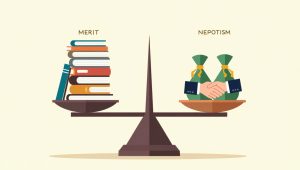
It means being deserving of opportunities and rewards based on proven competence, not personal connections. Unlike nepotism or favouritism, which prioritise relationships over talent, meritocracy ensures:
- Fairness and transparency in decision-making.
- Efficiency and productivity in institutions.
- Equal opportunities that motivate individuals to grow.
Creates trust in systems like education, government jobs, and the corporate sector, ensuring everyone gets a fair chance to succeed.
Benefits of Merit-Based Systems
- Fair Recruitment & Promotions: Positions are awarded based on performance and capability.
- Improved Productivity: Qualified individuals drive innovation and progress.
- Encouragement for Growth: Employees strive harder, knowing their work leads to rewards.
Key Example
Countries like Singapore and Finland are often praised for their meritocratic systems, which contribute to strong governance, low corruption levels, and high educational achievements.
Challenges Facing Meritocracy in Developing Countries
Despite its benefits, meritocracy faces obstacles in many developing nations:
- Socio-cultural loyalty to family or ethnic groups.
- Political patronage, where leaders reward allies.
- Nepotism and corruption dominate recruitment and promotions.
- Weak accountability mechanisms in public administration.
These practices undermine efficiency, professionalism, and fairness, preventing institutions from functioning effectively.
Can Merit Prevent Corruption and Nepotism?
A well-designed merit system reduces the chances of corruption by ensuring jobs and contracts are awarded fairly. However, if poorly implemented, corrupt practices can still infiltrate.
Thus, the success of a meritocracy depends on:
- Strong institutional design.
- Transparent monitoring mechanisms.
- Enforcement of merit-based policies.
What Happens When Merit Systems Collapse?
When meritocracy breaks down, the consequences are severe:
- Economic Inefficiency: Unqualified individuals harm productivity.
- Corruption & Nepotism: Patronage networks dominate governance.
- Fiscal Instability: Misallocation of funds increases public debt.
-

Brain Drain Brain Drain: Skilled professionals migrate abroad for fair opportunities.
Example: In Pakistan, collapsing merit in public institutions has resulted in oversized payrolls, unproductive expenses, and rising public distrust.
Case Study: Pakistan’s Public Sector Pay Controversy
Recent pay hikes in Pakistan have fueled debate over meritocracy and fairness:
- Civil Servants: Typically receive gradual raises (10–25%) aligned with budgetary conditions.
- Judges: Recent salary jumps exceeded 100%, with house rent allowances increasing from Rs 65,000 to Rs 350,000.
- Parliamentarians: Salaries increased by 500%, with monthly pay rising from Rs180,000 to Rs519,000.
Key Issues Raised
- Insensitive Timing: Massive raises amid inflation and poverty.
- Fiscal Burden: Increased salaries risk worsening Pakistan’s debt crisis.
- Public Distrust: Citizens view these raises as political privilege over fairness.
This example highlights how neglecting merit leads to public frustration, weak governance, and economic instability.
Long-Term Economic Impact of Merit Collapse
- Lower Growth: Lack of innovation and efficiency.
- Corruption Escalation: Diverts resources away from public welfare.
- Brain Drain: Skilled workers migrate to countries with better systems.
- Debt Crisis: Poor fiscal management increases borrowing needs and undermines financial stability.
FAQs About Merit in Governance
- Why is meritocracy important in governance?
Meritocracy ensures fairness, reduces corruption, and promotes efficiency in institutions. - Can meritocracy reduce corruption?
Yes, but only if the system is well-monitored, transparent, and enforced. - What happens when merit collapses in a country?
It leads to inefficiency, brain drain, corruption, and fiscal instability. - Which countries benefit most from merit-based governance?
Singapore and Finland are strong examples where meritocracy drives progress.
Why Protecting Merit Matters
It is more than an ideal; it is a practical necessity for good governance and economic growth. When merit collapses, corruption rises, fiscal discipline weakens, and public trust erodes.
For countries like Pakistan, sustaining merit means:
- Building transparent systems.
- Encouraging cultural shifts toward fairness.
- Ensuring fiscal policies support equity.
Ultimately, meritocracy strengthens institutions, reduces corruption, and empowers individuals—making it a cornerstone of sustainable development.
Merit in Pakistan: Why It Matters, Why It Fails, and What Happens When It Collapses
What Does Merit Mean?
In simple words, merit means giving jobs, promotions, or rewards to people who actually deserve them—because of their skills, education, honesty, and hard work. For example, if there is a government job, the person who is qualified and competent should get it, not someone’s relative or political worker.
In Pakistan, this idea is very important because it creates fairness and trust in society. People feel motivated when they know their talent and hard work will be rewarded.
Why Merit Is Important for Pakistan
- Fairness: People get jobs or promotions because of their abilities, not “sifarish” (recommendations).
- Better Performance: When the right person is in the right job, things work smoothly.
- Motivation: Students and workers try harder if they know they will be rewarded fairly.
- Trust in Institutions: People respect government offices and courts if decisions are based on merit.
Example: In Singapore, strict meritocracy helped the country become one of the world’s most efficient governments. Pakistan can also benefit if merit is prioritised.
The Challenges of Meritocracy in Pakistan
Sadly, in Pakistan, merit often gets ignored. Instead, we see:
- Nepotism: Hiring relatives or friends even if they are unqualified.
- Political Interference: Politicians give jobs and promotions to their supporters.
- Ethnic or Tribal Loyalty: Preference is given to people from one’s own group.
- Weak Accountability: No strong checks to ensure decisions are fair.
For example, many government jobs are often given through political sifarish instead of competitive exams. This discourages talented youth who don’t have strong “connections.”
Can Merit Reduce Corruption in Pakistan?
Yes, a strong merit system can reduce corruption. If jobs and contracts are given only to capable people, there will be less room for bribes, political deals, or favouritism.
But in Pakistan:
- Even merit systems are sometimes manipulated.
- Recruitment tests can be leaked.
- Promotions can still be influenced by politics.
So, unless merit rules are strictly followed, corruption continues.
What Happens When Merit Collapses in Pakistan?
When Pakistan ignores merit, the results are very damaging:
- Economic Inefficiency: Unqualified people in high positions make poor decisions.
- Corruption Increases: Public resources are wasted on personal and political networks.
- Public Debt Rises: Money is spent on salaries of unproductive staff instead of development.
- Brain Drain: Talented Pakistanis leave for countries where merit is valued.
Example: Many Pakistani doctors, engineers, and IT experts move abroad because they feel they cannot succeed here without sifarish.
Case Study: Pay Raises in Pakistan’s Public Sector
Recently, Pakistan saw a big controversy over salary increases:
- Civil Servants (Bureaucrats): They usually get 10–25% gradual raises. In 2025, they got a 10% salary increase and a 7% pension raise.
- Judges: Their perks and salaries increased by more than 100%, with house rent allowances jumping from Rs 65,000 to Rs 350,000.
- Parliamentarians (MNAs & Ministers): They got the biggest jump: salaries increased by 500%, from Rs180,000 to Rs519,000.
Why People Are Angry
- Bad Timing: Huge raises came while ordinary Pakistanis were struggling with inflation, fuel price hikes, and electricity bills.
- Debt Crisis: Pakistan is already under heavy IMF loans, yet politicians increased their own salaries instead of cutting expenses.
- Public Distrust: People believe politicians are rewarding themselves while ignoring citizens’ suffering.
This shows how ignoring merit and fairness in decisions can destroy public trust in democracy.
Long-Term Damage to Pakistan’s Economy
If Pakistan continues to ignore merit:
- Government offices will become more inefficient.
- Corruption will spread further.
- Debt will keep increasing because of wasteful spending.
- More young Pakistanis will leave the country.
This creates a vicious cycle: no merit → bad governance → weak economy → more corruption.
How to Protect Merit in Pakistan
- Strict Enforcement of Rules: Appointments should be made through fair exams and transparent interviews.
- Independent Accountability: Institutions like NAB and FIA should act without political pressure.
- Cultural Change: Society must value honesty and hard work over sifarish.
- Fair Pay Structures: Salaries should be linked to performance, not political privilege.
Conclusion
Merit is not just an idea; it is the backbone of good governance and economic stability. In Pakistan, when merit is ignored, corruption, brain drain, and fiscal crises increase.
But if Pakistan strengthens merit-based systems, builds transparent institutions, and discourages sifarish culture, the country can move toward fairness, trust, and sustainable development.
In short, without merit, Pakistan cannot progress. With merit, Pakistan can rebuild trust, reduce corruption, and create a fairer future.