
Israel’s Impending European Isolation: Europe Turns Away, America Wavers: Transatlantic Alliance Crack
✍️ By Major Hamid Mahmood (Retired), MA Political Science, LLB, PGD (HRM)
Europe Turns Away, and America Questions Its Old Ally: Is Israel Facing Growing Isolation?
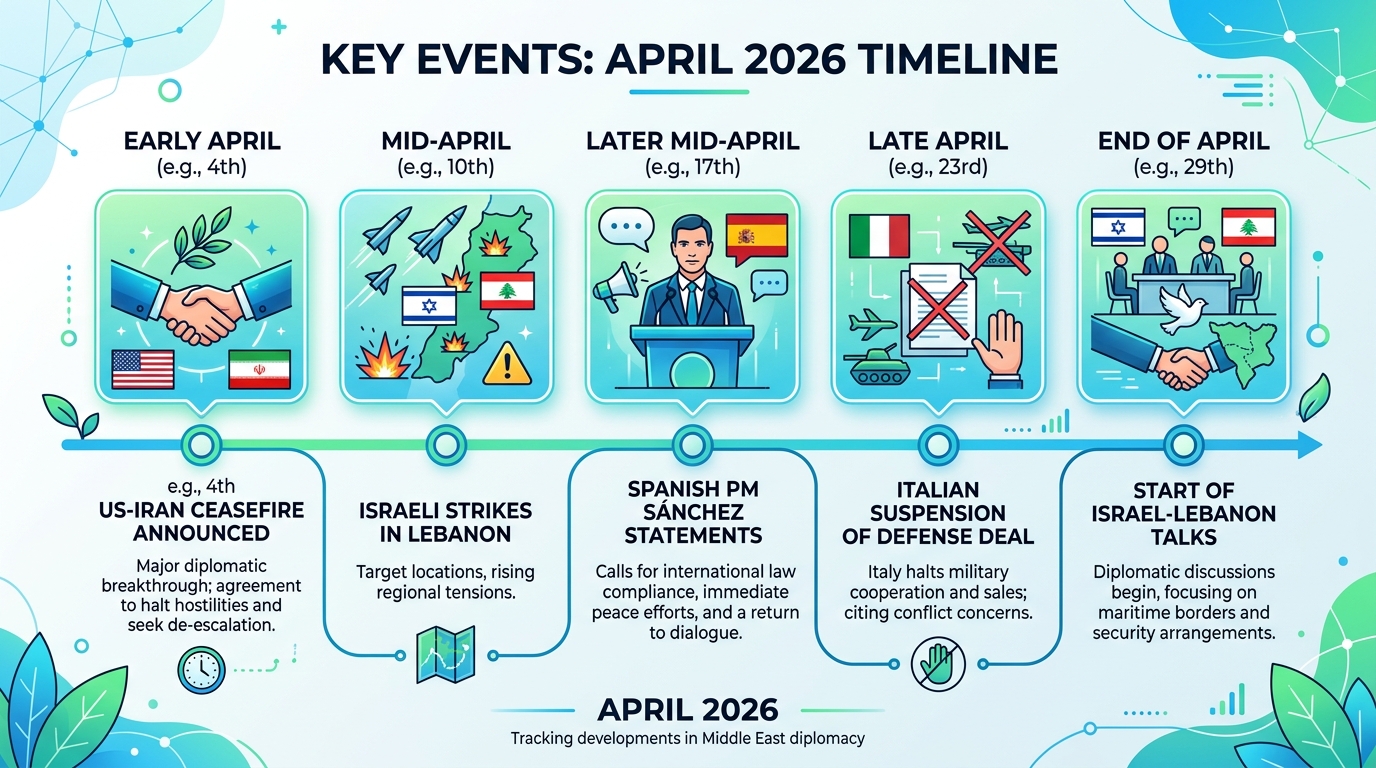
Israel’s Impending European Isolation. Imagine two old friends who have stood together for decades suddenly arguing loudly in public. One feels the other is taking big risks that could hurt everyone. That is what is happening right now between Israel and many countries in Europe, and even some voices in the United States. In April 2026, after fresh fighting in Lebanon and a shaky ceasefire with Iran, leaders in Spain, Italy, and other European nations spoke out strongly against Israeli military actions. At the same time, polls show more Americans, especially young people, are losing trust in Israel’s government.
https://mrpo.pk/trumps-war-for-netanyahu/
This article explains what is going on in simple words. It looks at the facts, the reasons, and what it might mean for peace in the Middle East and for long friendships between nations. The goal is to help everyday readers understand a complicated story without taking sides. We want clear information so people can think for themselves.
The unintended consequences of the Iran war
When the first US and Israeli strikes hit Iranian territory on 28 February, the regional repercussions were broadly foreseeable. Less immediately apparent, however, were the indirect consequences for EU-UK relations, which are still seeking a stable equilibrium ten years after the Brexit referendum.
The UK government’s initial response, in particular Starmer’s reluctance to allow the use of British military bases, was shaped by a combination of legal considerations and domestic political constraints, including Trump’s low popularity in the UK and the lasting public memory of the Iraq War.
https://www.iai.it/en/publications/c05/rethinking-eu-uk-reset-shifting-global-context
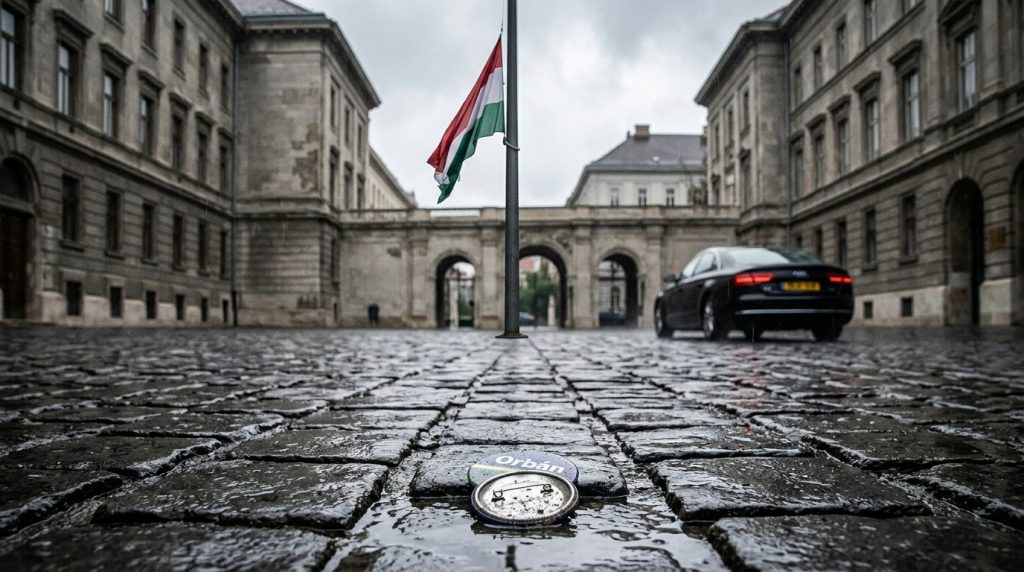
For sixteen years, Benjamin Netanyahu had a “break glass in case of emergency” button in Budapest.
Viktor Orbán just took it with him when he lost the election.
Now Israel is staring at a Europe that doesn’t just disagree with it. Europe is pulling away. Hard. And the transatlantic bridge that propped up Israeli diplomacy for decades is cracking in real time.
Here’s the contradiction that keeps diplomats up at night: Israel has never been militarily stronger. It has never been diplomatically weaker.
Let me walk you through what’s actually happening, not the headlines, not the spin. The ground truth.
The Earthquake in Budapest:Israel’s Impending European Isolation
Orbán wasn’t just friendly to Israel. He was a strategic insurance policy. A human veto. A guy who killed EU condemnations before they ever reached the floor.
Hungary functioned like a pseudo-UN Security Council veto for Jerusalem inside Brussels. When everyone else lined up to criticise, Budapest stood alone in the corner, arms crossed, saying “no.”
And when the International Criminal Court issued arrest warrants for Netanyahu and Gallant, Orbán didn’t just complain. He pulled Hungary from the ICC entirely. Specifically so Netanyahu could visit without getting handcuffed on the tarmac.
That’s not friendship. That’s a service contract.
What Netanyahu lost on April 12th wasn’t just a friendly face. It was the ability to block EU unanimity on anything Israel-related. For the first time in over a decade, EU sanctions on Israel are procedurally possible. Not guaranteed. But possible.
“By the ‘test of results,’ it was clearly a mistake. We bet on a horse that lost, and now we have to deal with the new reality.”
Péter Magyar, Orbán’s successor, won’t necessarily become Israel’s enemy. But he won’t be Orbán. No more automatic veto. No more preemptive blocking. Hungary just became… normal.
And normal, for Israel right now, is a problem.
Europe’s New Face: From Grumbling to Blocking
For years, European criticism of Israel was a ritual. Statement here. Mild rebuke there. Everyone went home for dinner.
That era ended.
Spain is Leading the Charge and Paying the Price.
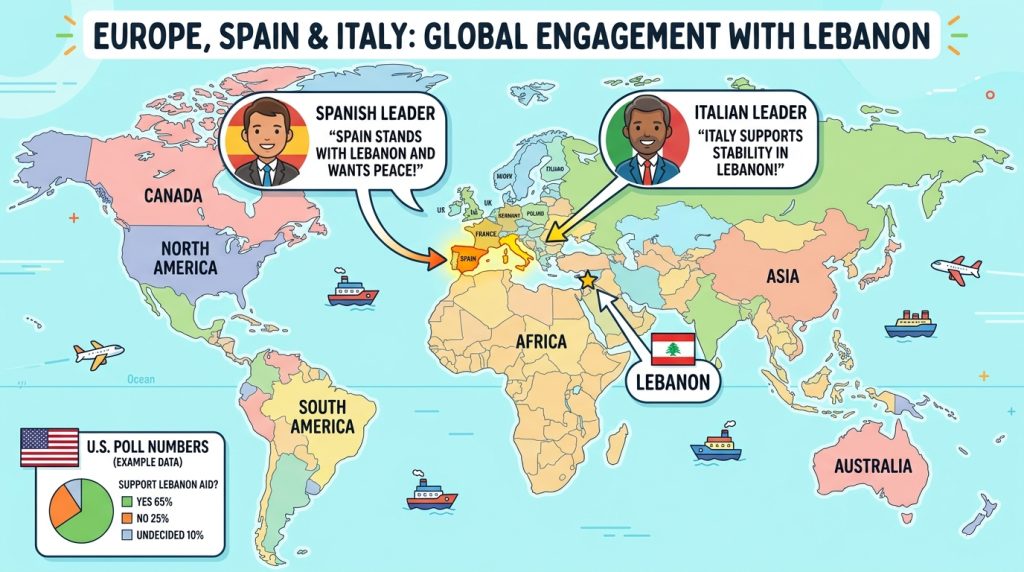
Madrid closed its airspace to US warplanes involved in Iran operations. Not symbolic. Operational. You can’t fly over Spain without permission. They said no.
Prime Minister Sánchez called for suspending the EU-Israel Association Agreement, the entire trade and political framework between Israel and the Union. His words: ending “impunity for criminal actions.”
Spain reopened its embassy in Tehran. Israel’s foreign minister called it “an eternal disgrace.”
Netanyahu retaliated by removing Spanish representatives from the Civil-Military Coordination Centre in Kiryat Gat. Tit for tat. But Spain doesn’t seem to care.
Italy: Giorgia Meloni’s calculated pivot.
Meloni suspended the defence cooperation agreement with Israel. First time her government has directly intervened to halt a bilateral military framework.
The trigger? Israeli warning shots at a UNIFIL convoy carrying Italian personnel.
But here’s the cynical truth: Meloni didn’t suddenly find a conscience. She found an electoral problem. Her silence on Gaza was costing her with young voters and her Catholic base. Then Trump attacked the Pope. That forced her hand.
France: quiet but firm.
Paris denied overflight rights to US aircraft carrying munitions for Israel. Macron stated openly that strikes on Iran were conducted “outside international law.”
Israel responded by blocking French participation in the Lebanon mediation. The official reason? France is an “unfair mediator.”
Germany: the most painful rupture.
Germany’s Staatsräson, its post-Holocaust commitment to Israel’s security, has been sacred for seventy years.
Smotrich told Germany: “You will not force us into ghettos again.” A historically charged rebuke that even Israel’s own ambassador in Berlin condemned.
Merz warned against “de facto annexation” of the West Bank. The relationship is under real strain for the first time. Actual, policy-shifting strain.
Israel’s Impending European Isolation:The Pattern That Matters
These aren’t words anymore. Closed airspace. Suspended agreements. Denied overflight rights. Blocked mediation roles. Withdrawn ambassadors. Europe is doing things.
And this isn’t temporary. This is a realignment.
The Transatlantic Crack
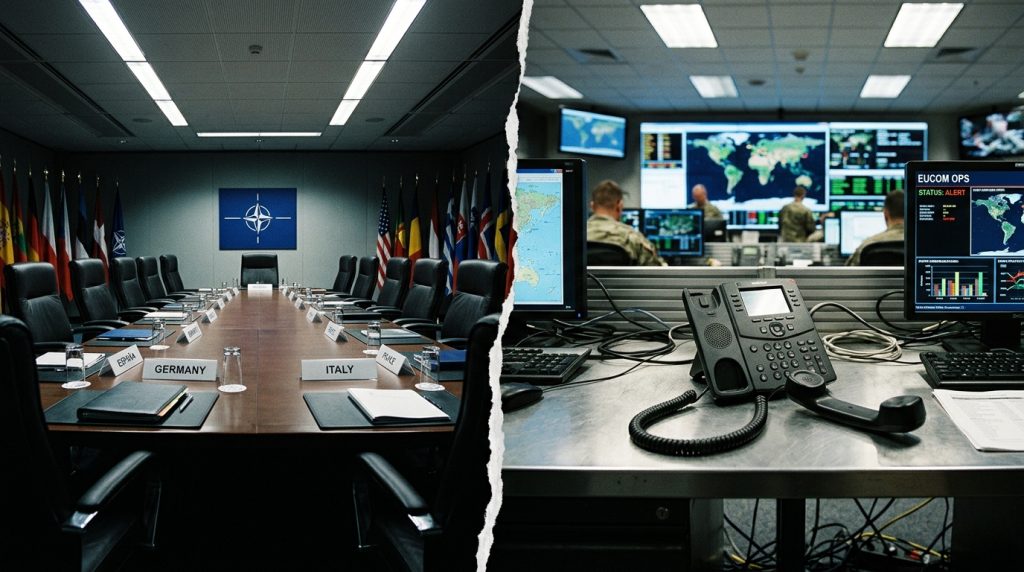
The United States launched military campaigns against Iran without consulting NATO allies. Without a UN mandate. Against explicit European objections. Then Washington demanded base access and overflight rights that those governments hadn’t agreed to provide.
“We cannot accept that two countries have decided to drag the world into their war.”
“The question is not whether we will participate. We will not do so. NATO is a defensive alliance, not an interventionist alliance.”
Trump’s response? Called Meloni a “coward.” Accused France of being “very unhelpful.” Threatened to withdraw from NATO. Europe is realising that the American security guarantee comes with a price tag: participation in wars Europeans don’t want.
The Election Angle: What Pro-Israel Losses Mean for Future Voters
Netanyahu openly endorsed Orbán. Recorded a video for him. Sent his son to campaign. Israeli officials treated Orbán as irreplaceable. Then, Hungarian voters replaced him.
The message: no leader is too entrenched to be voted out. Your ballot has foreign policy consequences.
“The idea that a leader who controls the institutions and the media is immune to defeat has been shattered.”
Voters in Italy, Germany, Spain, and the US are watching. And learning. The awareness shift is real.
U.S. Political Realignment and Lobbying Reckoning
- U.S. 2026 Democratic primaries (ongoing, with key tests in February-March 2026): Pro-Israel lobbying groups like AIPAC and its super PACs (United Democracy Project) poured tens of millions into primaries but saw mixed-to-negative results. Notable backfires included:
- New Jersey 11th District: AIPAC spent heavily against Rep. Tom Malinowski (a pro-Israel Democrat who supported conditioning aid); he lost to progressive Analilia Mejia, who has accused Israel of “genocide” in Gaza. AIPAC’s ads were blamed for boosting Mejia.
- Illinois races (e.g., 9th District): AIPAC spent over $4M+ against Daniel Biss and others; mixed wins/losses, with some anti-Israel candidates defeated but high-profile spending failing to deliver clean victories and drawing backlash.
These are not blanket defeats. AIPAC still notched wins in some Illinois races and defeated several “Squad”-style progressives, but they mark the first major midterm-cycle tests where heavy pro-Israel spending faced voter pushback amid shifting public opinion.
- Signals to Democrats that unconditional pro-Israel stances (or accepting large AIPAC donations) can become a liability in primaries, especially in progressive districts. More candidates are now publicly rejecting AIPAC funds and campaigning on conditioning aid or criticising Netanyahu’s policies.
- Broader polling context amplifies this: U.S. sympathy has flipped (Gallup Feb 2026: 41% Palestinians vs. 36% Israelis); Democrats are at 80% unfavorable toward Israel; even younger Republicans are shifting. Pro-Israel groups are now viewed unfavourably by many Democratic voters.
- Short-term: Increased congressional scrutiny on aid ($3.8B+ annually) and resolutions criticising Israel.
- Long-term: Erodes the bipartisan “special relationship” consensus.
- Awareness effect: Expect more media coverage, campaign ads, and town halls treating U.S.-Israel relations as a domestic voting issue rather than a foreign policy consensus. Pro-Israel groups may double their spending ($100M+ war chest), but backfires could further politicise it.
How Israel Is Responding (And Why It’s Backfiring)
The official line from Foreign Minister Gideon Saar: “Israel seeks respect, appreciation and safeguarding our vital interests, not international approval.” Sounds tough. It’s also not working.
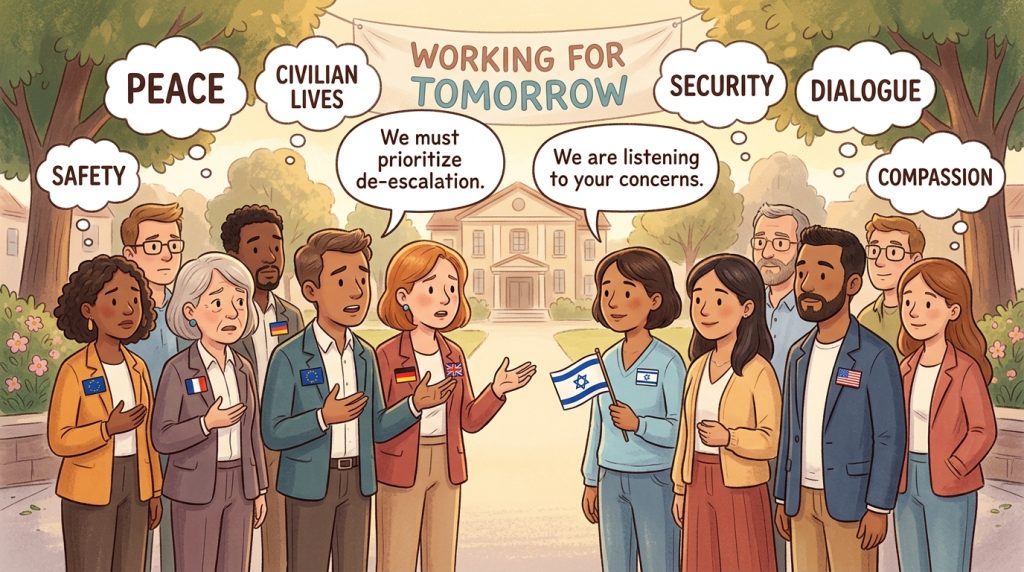
Retaliation. Moral high ground lectures. Doubling down on Washington. None of it is shifting the trend line.
“We’ve been too busy with other things, and we’ve treated Europe as a ‘defense’ game. You can’t manage a relationship with a continent through tactical firefighting by the prime minister.”
The Strategic Bottom Line
This isn’t a temporary spat. It’s a realignment. Europe is no longer moving in lockstep with the US on Middle East policy. Israel can’t automatically count on either.
Three drivers no one can reverse: demographic (younger voters think differently), legal (ICC warrants matter), and structural (NATO’s definition is fracturing).
The question no one has answered: what does Israel do when there’s no “rock” left to lean on?
To provide a clear-eyed, evidence-based analysis of Israel’s deteriorating diplomatic position in Europe and the fragmentation of the transatlantic alliance. This article prioritises verified reporting, multiple source perspectives, and honest acknowledgement of political calculations on all sides.
This article synthesises reporting from multiple international news sources available as of April 2026. Claims regarding military operations, election results, and diplomatic negotiations are drawn from those sources. The analysis reflects the author’s interpretation of available information. Readers are encouraged to consult primary sources and multiple news outlets for a complete picture.
Frequently Asked Questions
1. Did Viktor Orbán actually lose the Hungarian election?
Yes. On April 12, 2026, Orbán conceded defeat after sixteen years in power. Péter Magyar’s Tisza party won 138 of 199 parliamentary seats.
2. Why did Israel rely so heavily on Hungary?
Hungary functioned as a “veto-lite” inside the EU, blocking or diluting critical resolutions against Israel. Orbán also withdrew Hungary from the ICC specifically to allow Netanyahu to visit without arrest risk.
3. Why is Spain so angry with Israel right now?
Spain says Israeli strikes in Lebanon after the Iran ceasefire killed many civilians and broke international rules. Prime Minister Sánchez does not want Lebanon to suffer as Gaza did.
4. Did Italy really stop helping Israel with weapons?
Italy suspended the automatic renewal of an old defence agreement. It is more a symbolic change than a total cutoff right now, but it shows even old friends are unhappy.
5. Are all European countries against Israel?
No. Some countries, like Germany, have been more supportive in the past, though even they have limits. Europe is divided, but criticism is growing louder in many places.
6. Is American support for Israel ending?
Support is lower than before, especially among young people and Democrats, but the government still gives aid and works closely with Israel. Public opinion can push for changes.
7. What does this mean for peace in the Middle East?
More pressure might push everyone toward talks instead of fighting. But it could also make Israel feel alone and act tougher. Diplomacy, like the new Israel-Lebanon talks, is the best hope.
8. Can regular people do anything?
Yes. Learning the facts, voting for leaders whose views match yours, and supporting fair aid or peace groups help shape what governments do.
9. What exactly did Italy suspend with Israel?
Italy suspended the automatic renewal of a defence cooperation agreement signed in 2006, covering military training, industrial cooperation, and technology sharing.
10. Can the EU now impose sanctions on Israel?
Procedurally, yes, Orbán’s veto was the main obstacle. Politically, it’s still uncertain. Germany remains reluctant, and other countries like Czechia and Austria could also block consensus.
11. How did Spain escalate its opposition beyond words?
Spain closed its airspace to US aircraft involved in Iran operations, denied base access, reopened its embassy in Tehran, and called for suspending the EU-Israel Association Agreement.
12. What’s the connection between European elections and Israel’s isolation?
Voters in Hungary demonstrated that electing a pro-Israel leader isn’t permanent; they can be voted out. That awareness is spreading to Italy, Spain, Germany, and the US.
References
1. The Jerusalem Post. (2026, April 12). Israel loses Hungary as key EU ally as Viktor Orban exits power – analysis.
2. The Nation. (2026, April 15). Italy, Spain, China lash out at Israel over Lebanon strikes.
3. The Week. (2026, April 14). Europe’s growing rift with Israel: A diplomatic crisis unfolds.
4. Xinhua. (2026, April 2). World Insights: Transatlantic rifts deepen amid Mideast tensions.
5. Asaase Radio. (2026, April 14). Netanyahu learns his Hungarian ally can be voted out — and opposition hears hope.
6. The New Arab. (2026, April 12). Will Orban’s defeat in Hungary lead to EU sanctions on Israel?
7. ThePrint. (2026, April 8). Spain ramps up criticism of Israel, US, defying Trump threats. (Reuters reporting)
8. Al Quds. (2026, April 14). Escalating Diplomatic Crisis: The Occupation Faces the Risk of Isolation in Europe.
9. Newsbook. (2026, April 14). Trump attacks Meloni as Western alliance fractures over Iran.
10. Middle East Monitor. (2026, April 13). Israel’s ‘rock’ in Europe, anti-Muslim far-right leader Viktor Orbán, defeated in landmark election.