
Insider Trading in Geopolitical Markets? BBC Investigation, Iran–Venezuela Patterns, and the Growing Regulatory Concern in Global Finance
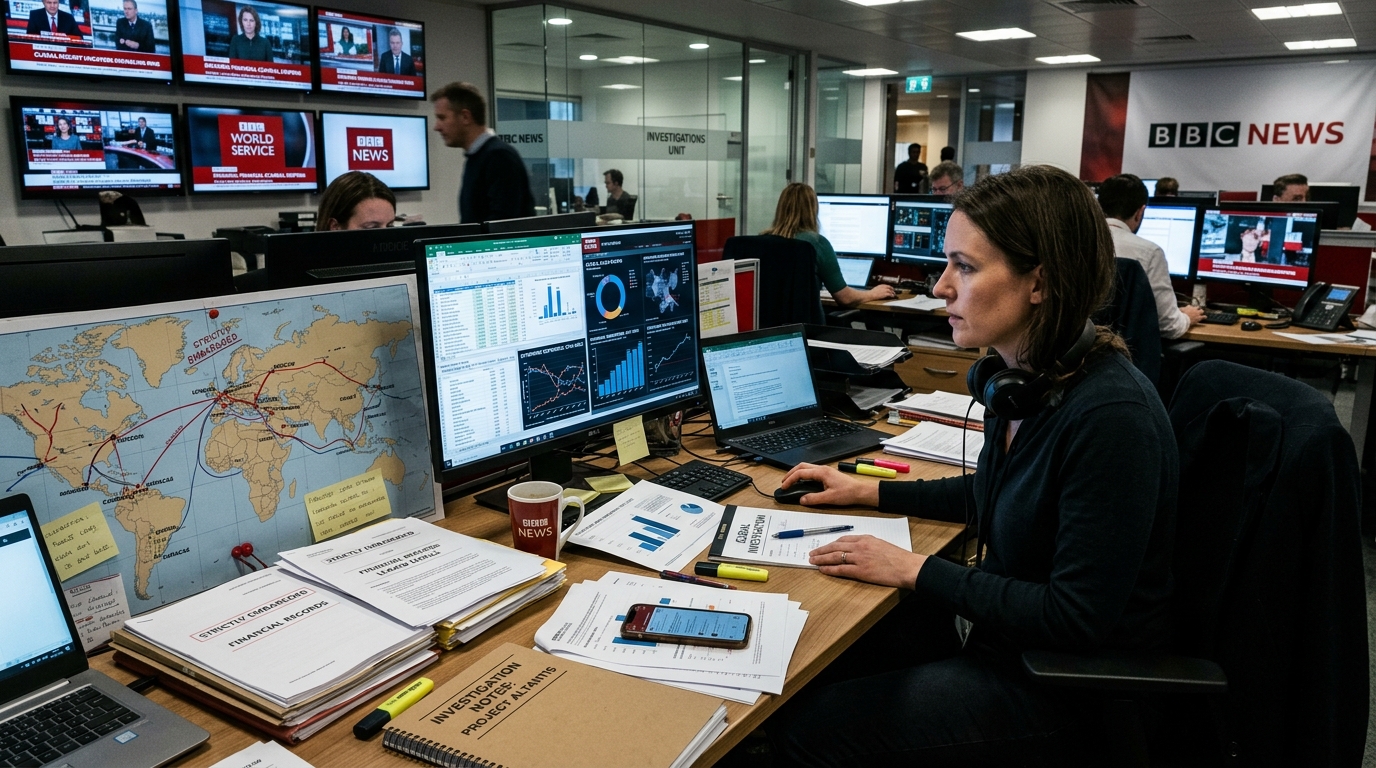
Insider Trading in Geopolitical Markets: What happens when billion-dollar trades appear minutes before world-shaping political announcements? A recent BBC-focused investigation and broader market analysis have raised difficult questions about whether global financial markets are simply fast—or whether they are increasingly pricing in geopolitical events before official information is released.
https://mrpo.pk/oil-crisis-hits-everyone/
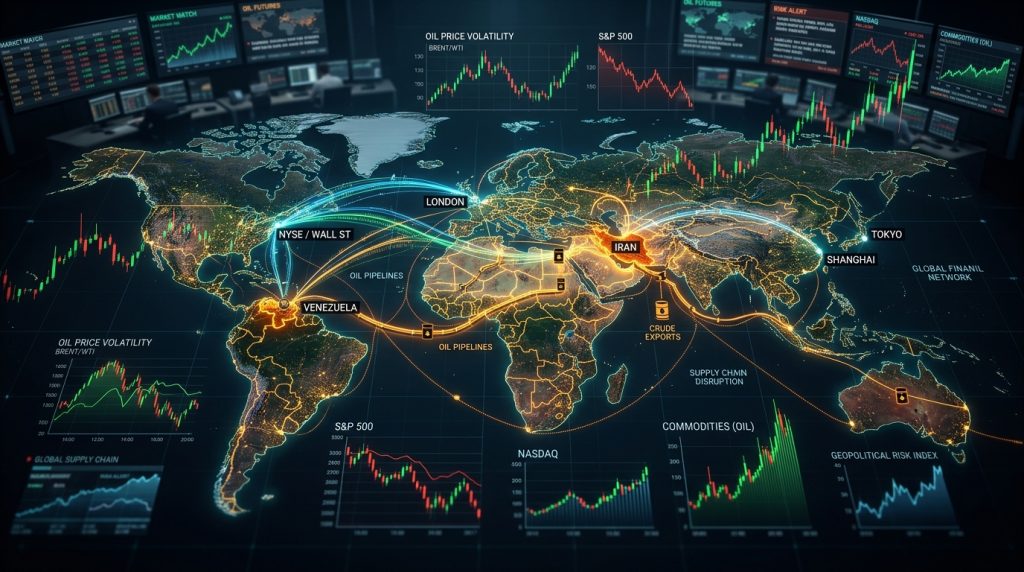
US launches probe into trading partners, including the EU, China and India
The US has launched a new investigation into some of its biggest trading partners after the Supreme Court struck down a key part of President Donald Trump’s tariff policies last month.
On Wednesday, US Trade Representative Jamieson Greer said the Section 301 unfair trade practices probe could lead to new levies against countries including China, the European Union, India, Japan, South Korea and Mexico by this summer.
The probe could allow the US to impose import taxes on goods from any of the countries found to have engaged in unfair trade practices.
Greer said he hoped to conclude the investigations before new temporary tariffs imposed by Trump in late February expire in July.
“The United States will no longer sacrifice its industrial base to other countries that may be exporting their problems with excess capacity and production to us,” Greer said in the announcement.
When Politics Moves Markets Before News Breaks
- “What if billion-dollar trades happen minutes before world-changing announcements?”
- Reference the BBC investigation findings into unusual trading spikes
- Mention oil, futures, and prediction markets reacting before official geopolitical news
-
Introduce core question:
Is this smart forecasting,or information leakage?
This article breaks down the BBC findings, Iran and Venezuela-linked trading patterns, legal implications, and whether this behaviour is becoming more frequent in modern markets.
1. BBC Investigation: What Triggered the Global Concern?
The BBC analysis highlighted unusual trading activity occurring shortly before major geopolitical announcements. These patterns were especially visible in oil futures, equity index derivatives, and prediction-style markets.
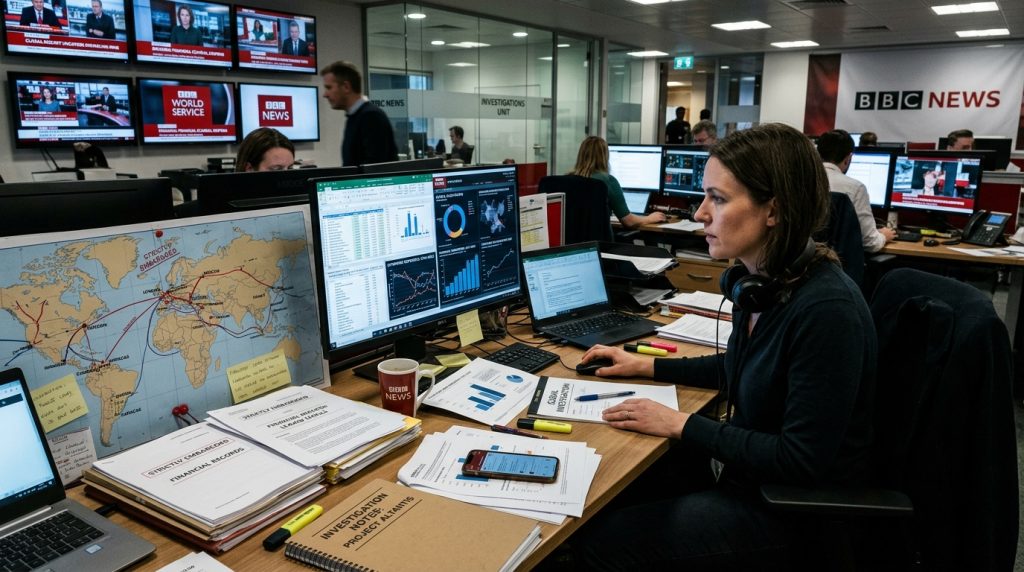
Insider Trading in Geopolitical Markets: Key observations from the investigation
- Spikes in trading volume minutes before major political statements
- Rapid price movements in oil-linked instruments
- Market positioning ahead of official news releases
Analysts described the pattern as unusual but emphasised an important distinction: while suspicious in timing, it does not automatically prove illegal insider trading.
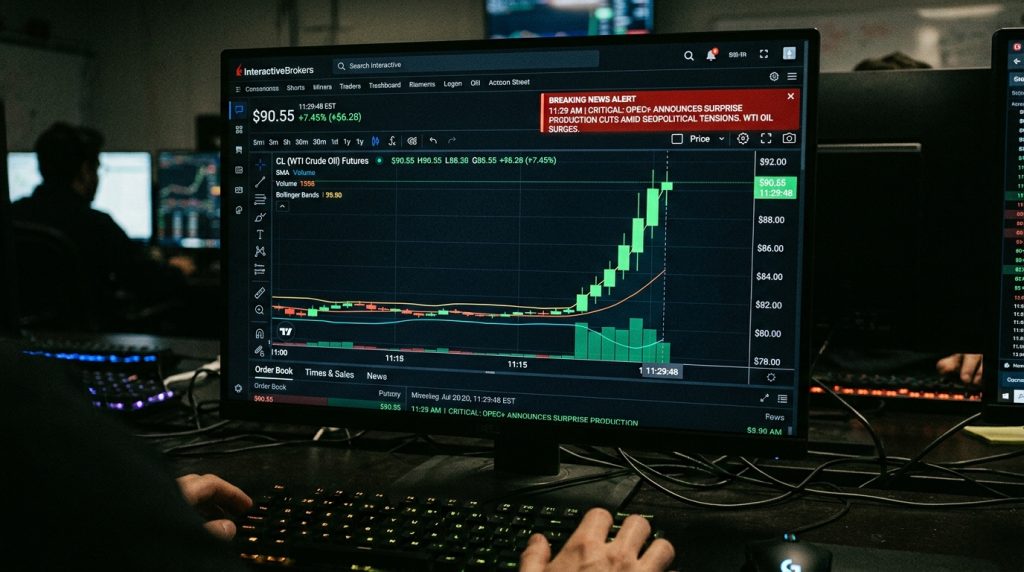
2. Iran Case Study: Step-by-Step Market Reaction Pattern
One of the most discussed examples involves Iran-related geopolitical tensions and oil market reactions.
What the market behaviour showed
- Sudden increase in oil futures positions before announcements
- Lowly visible public catalyst at the exact time of trading spikes
- Sharp price adjustment immediately after political statements
Interpretation of the sequence
- Quiet accumulation of positions in oil derivatives
- Emergence of geopolitical signalling (speeches, diplomatic signals)
- Rapid market repositioning before official confirmation
- Price volatility immediately after news release
This sequence has led analysts to question whether markets are reacting to public signals faster than expected, or whether some participants are operating with superior informational or predictive models.
3. Venezuela Episode: A Similar Market Structure Emerging
The same behavioural pattern has also been observed in Venezuela-related oil and sanctions developments.
What was observed
- Increased trading activity ahead of sanctions or policy announcements
- Positioning in crude oil futures and energy-linked assets
- Volatility spikes tied to geopolitical developments involving Venezuela’s oil sector
Energy markets have increasingly reacted to expectations of policy shifts before official confirmation, particularly in crude oil derivatives linked to global supply risk.
Why do the cases of Iran and Venezuela look similar
- Both are strongly tied to global oil supply risk
- Both generate predictable volatility in futures markets
- Both show pre-announcement positioning patterns
This creates a repeating structure where geopolitical tension translates directly into early market positioning.
4. Is This Pattern Becoming More Frequent?
Short answer: Yes, but not necessarily due to insider trading.
The visibility and frequency of pre-announcement market movement appear to be increasing for structural reasons.
Key drivers of increased frequency
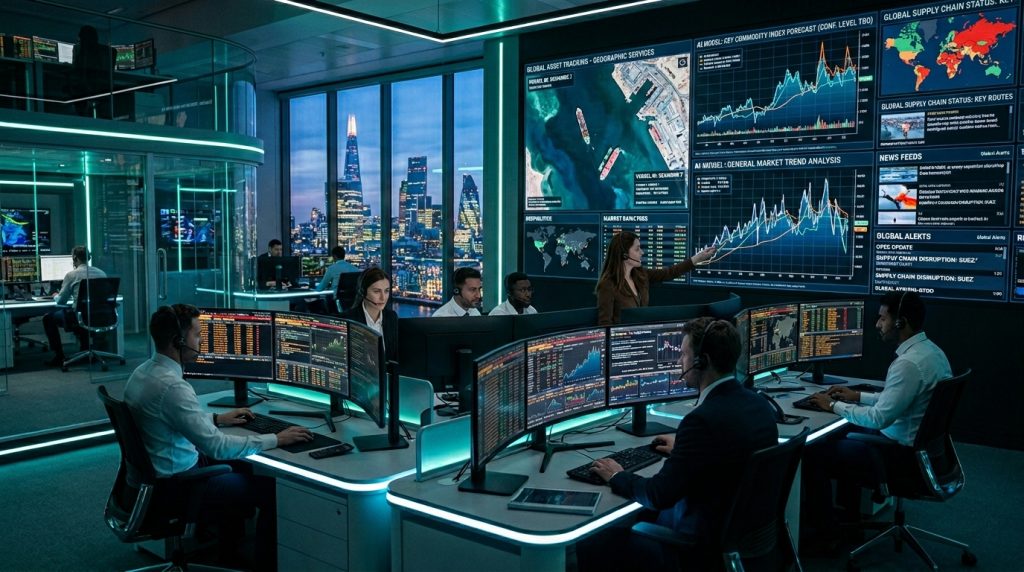
1. Algorithmic and AI-driven trading
Modern trading systems analyse news sentiment, political language, and economic indicators in real time, often reacting before human interpretation is complete.
2. 24/7 global markets
Oil, crypto, and derivatives markets operate continuously, removing traditional time gaps between information release and market reaction.
3. Higher geopolitical volatility
Recent years have seen repeated cycles of tension involving Iran, Venezuela, Russia, Ukraine, and Middle East energy routes.
4. Expansion of prediction and derivatives markets
More platforms now allow rapid speculation on political outcomes, increasing visible pre-event positioning.
1. Algorithmic and AI-driven trading
5. Who Is Trading These Events?
No verified public list identifies specific individuals behind the observed trading patterns.
Likely market participants include:
- Macro hedge funds
- Quantitative trading firms
- Institutional energy traders
- Algorithmic trading systems
In most cases, trades are executed through anonymous or institutional accounts, making attribution difficult.
6. Legal Perspective: Prediction vs Insider Trading
The critical legal distinction is not timing, but information source.
Legal activities include:
- Trading based on public signals
- Statistical forecasting models
- Alternative data interpretation (shipping, satellite, sentiment)
Illegal activities include:
- Trading based on confidential government information
- Material non-public disclosures
- Coordinated leaks from officials
Regulators face significant challenges in proving the origin of informational advantage in fast-moving global markets.
7. Regulatory Scrutiny and Investigations
Financial regulators, including commodity and derivatives authorities, are increasingly monitoring unusual pre-announcement trading activity.
Key concerns
- Difficulty identifying anonymous trading accounts
- Cross-border trading complexity
- Use of algorithmic systems that mimic predictive behaviour
While investigations may continue, enforcement is often limited by the complexity of proving intent and the information source.
8. Why These Patterns Keep Emerging
The recurring theme across Iran, Venezuela, and similar geopolitical cases is structural rather than isolated.
Main drivers
- Faster information processing than government disclosure systems
- High sensitivity of oil and energy markets
- Institutional advantage in data and technology
Markets today do not simply react to news; they increasingly price in the probability of news before it is officially confirmed.
9. Key Takeaways
- BBC analysis highlights unusual pre-announcement trading behaviour
- Iran and Venezuela cases show similar structural patterns
- No confirmed insider trading cases have been publicly proven
- Frequency appears to be increasing due to technology and geopolitics
- Regulators are aware, but face enforcement limitations
Conclusion: A New Era of Predictive Markets
The line between forecasting and insider advantage is becoming increasingly difficult to define. While no conclusive evidence confirms systemic illegal behaviour, the consistency of pre-announcement trading patterns across multiple geopolitical events suggests that markets are evolving into highly predictive systems driven by data, algorithms, and global information flows.
Whether this represents efficient pricing or an emerging regulatory blind spot remains one of the most important financial questions of the decade.
Purpose of This Article
The purpose of this article is to investigate and explain the growing concern around unusual pre-announcement trading patterns in global financial markets, as highlighted by a BBC investigation. It explores whether these patterns represent advanced predictive trading, algorithmic forecasting, or potential regulatory blind spots in geopolitical markets such as oil, equities, and derivatives.
It also compares similar behaviour across Iran and Venezuela-linked geopolitical events and evaluates whether such patterns are becoming more frequent due to technological, financial, and political changes in global markets.
Frequently Asked Questions (FAQs)
1. What did the BBC investigation actually reveal?
The BBC report highlighted unusual spikes in trading activity occurring shortly before major geopolitical announcements, particularly affecting oil futures and index derivatives. These movements raised questions about whether markets were reacting to advanced signals or simply high-speed forecasting models.
2. Does this prove insider trading is happening?
No. The investigation does not confirm insider trading. It highlights suspicious timing patterns, but legal proof would require evidence of non-public government information being used for trading decisions.
3. Why do oil prices react before political announcements?
Oil markets are extremely sensitive to geopolitical risk. Traders use satellite data, shipping movements, political signals, and AI models to anticipate possible disruptions before official announcements occur.
4. What is the Venezuela connection in these trading patterns?
Similar pre-announcement trading behaviour has been observed around Venezuela-related sanctions and oil policy decisions, where traders positioned themselves before official updates affecting crude oil supply expectations.
5. Are hedge funds allowed to trade on geopolitical events?
Yes, as long as they rely on public information, data analysis, and forecasting models. Trading becomes illegal only if it is based on confidential or non-public government information.
6. Is this pattern becoming more frequent?
Yes, the pattern appears more frequent due to algorithmic trading, 24/7 global markets, increased geopolitical volatility, and the rise of AI-driven forecasting systems.
References
- BBC World Investigation (Video Source):
https://x.com/BBCWorld/status/2046079986449232204?s=20
- Commodity Futures Trading Commission (CFTC) – Market Surveillance Guidelines
- Global Oil Market Reports (Brent & WTI Futures Analysis – Industry Data)
- Financial Times / Reuters geopolitical market reporting (oil and sanctions coverage)