
High Blood Pressure: The Silent Crisis That’s Getting Louder in 2026
Updated: March,2026
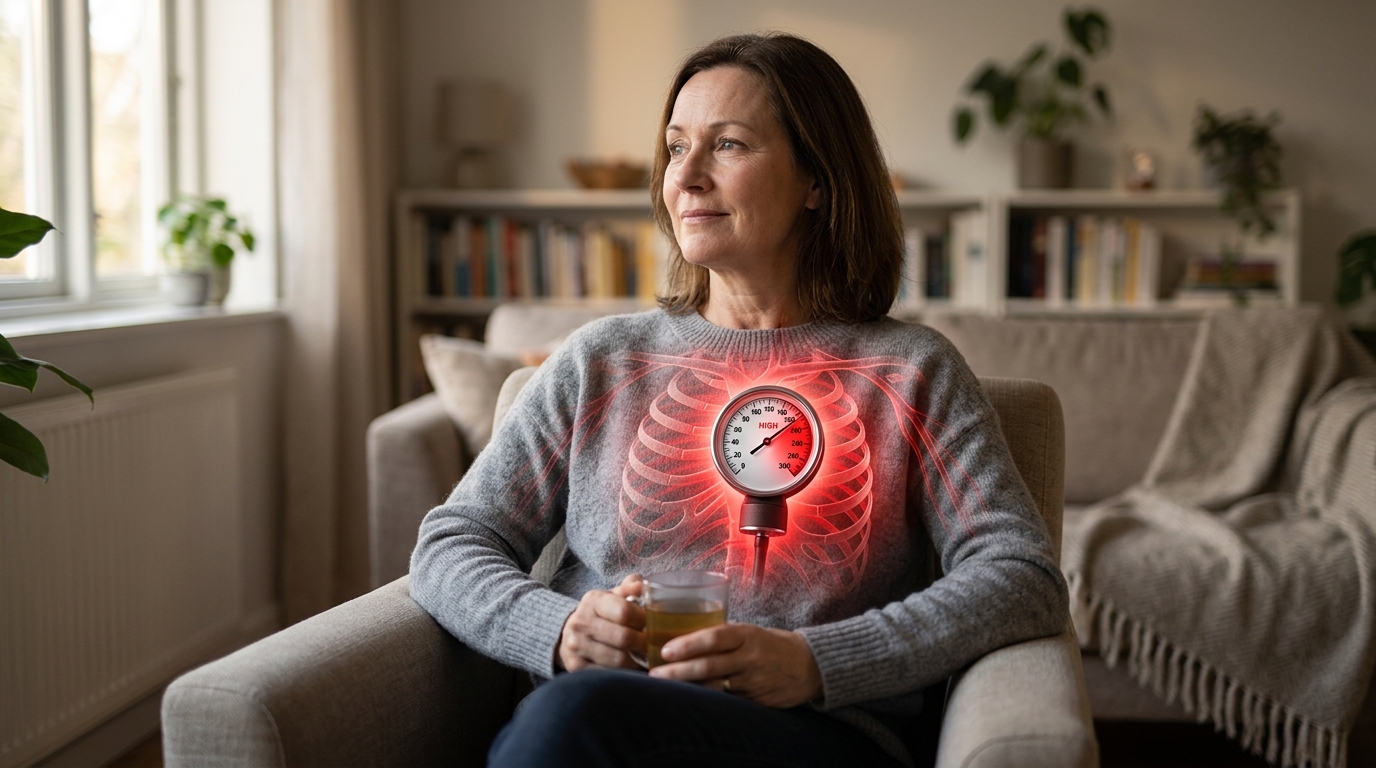
1. High Blood Pressure: The Silent Crisis That’s Getting Louder in 2026. You may feel fine. No pain. No warning.
Yet inside your body, pressure could be quietly rising, damaging your heart, brain, and kidneys.
High blood pressure isn’t just a medical condition anymore.
It’s a global lifestyle signal, and in 2026, the rules of managing it have changed.
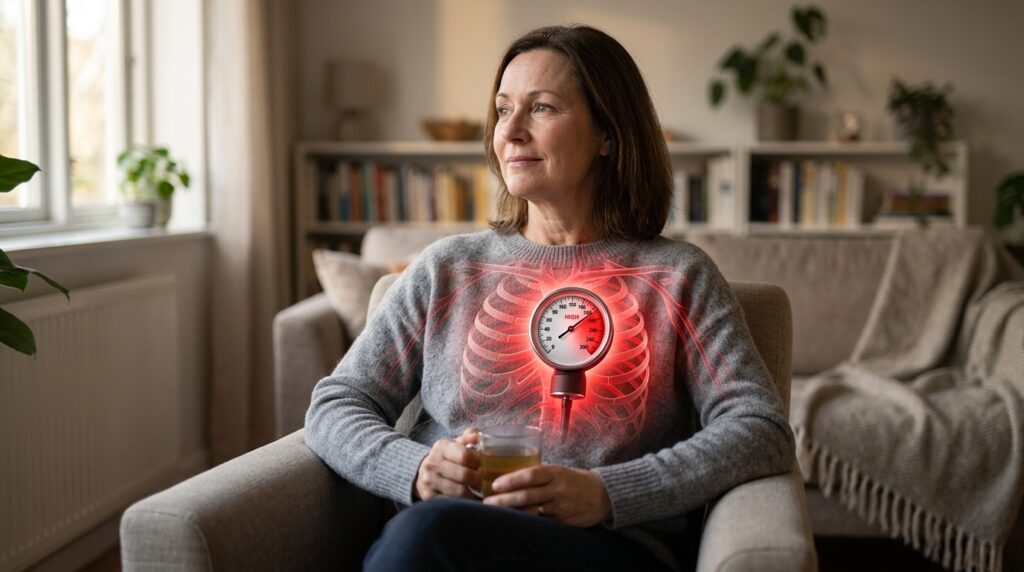
High blood pressure is no longer just about “avoiding salt.” New 2025–2026 guidelines reveal a deeper truth: early action, lifestyle overhaul, and personalised risk assessment can prevent deadly outcomes. Whether you live in the US, Europe, Canada, or South Asia, this silent killer demands attention now.
2. Understanding High Blood Pressure (Updated Reality)
High blood pressure (hypertension) occurs when the force of blood against artery walls stays consistently high.
Latest Global Standard (2025 Guidelines)
- Normal: <120/80 mm Hg
- Elevated: 120–129 / <80
- Stage 1: 130–139 / 80–89
- Stage 2: ≥140 / ≥90 (professional.heart.org)
👉 The biggest update:
Target for most adults = below 130/80 mm Hg (international.heart.org)
This applies across North America and increasingly in global practice.
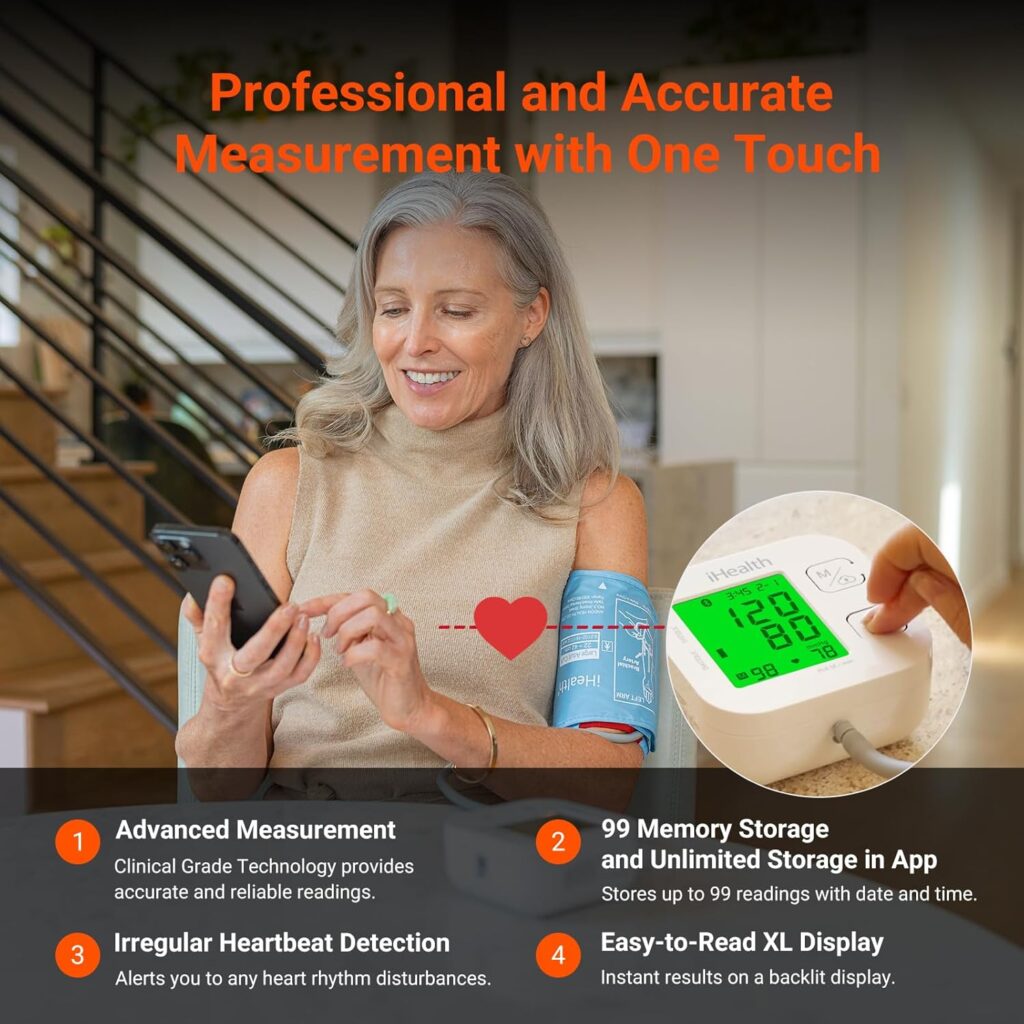
Important information
Safety Information
Don’t Drink Coffee Or Alcohol Before Measurement. Do Not Compress Or Restrict The Air Hose Or The Cuff When Taking Measurements
3. What’s New in Research (2025–2026)
Recent studies and guidelines show a shift from “treat later” to “act early, act smarter.”
a. Early Treatment Saves Lives
- Medication may begin at 130/80 if the risk is high
- Waiting too long increases stroke and heart risk (professional.heart.org)
b. Personalised Risk Matters
- Doctors now use tools like PREVENT risk scoring
- Not everyone with the same BP gets the same treatment (professional.heart.org)
c. Lifestyle Is Still the Foundation
- Weight loss, low sodium, exercise, stress control
- These are not optional; they are first-line therapy (Nature)
d. Home Monitoring Is Essential
- Regular tracking improves control
- Smartwatches? Still not reliable enough yet (professional.heart.org)
4. Regional Perspective (US, Europe, Canada)
🇺🇸 United States
- Aggressive approach
- Early medication + strict targets (<130/80)
- Focus on preventing long-term damage early
🇪🇺 Europe
- Slightly flexible approach
- Often starts treatment at 140/90, unless high risk
- More emphasis on lifestyle first
🇨🇦 Canada
- Balanced strategy
- Combines US-style targets with European practicality
- Strong focus on community care & prevention
👉 Global trend:
All regions are moving toward earlier detection and personalised care.
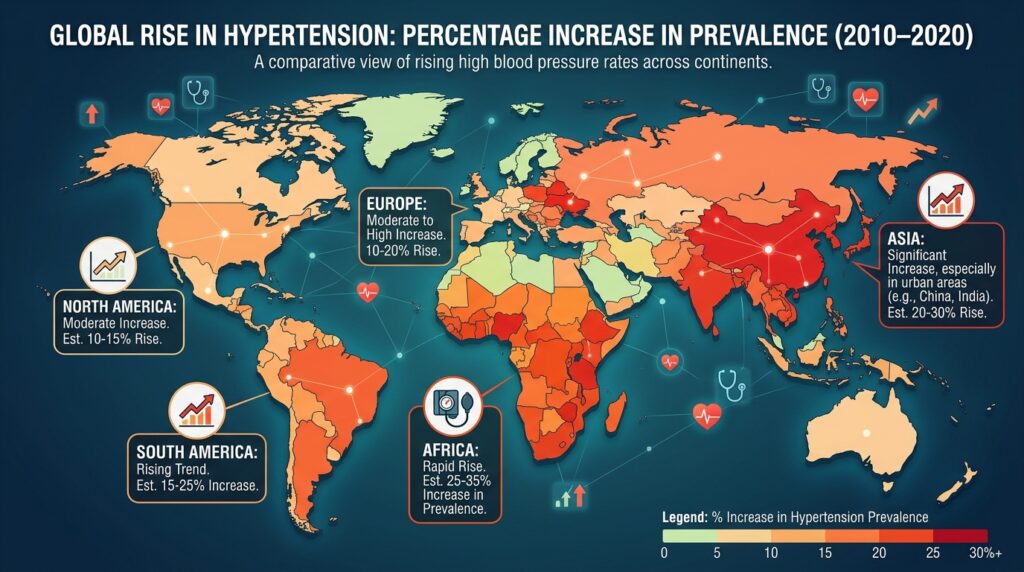
Real-Life Reality
- A delivery rider in Lahore is skipping meals and sleep
- A tech worker in Toronto is glued to screens
- A retiree in London relying on processed food
Different lives, same silent threat.
High blood pressure doesn’t care about geography—it follows modern lifestyle patterns.
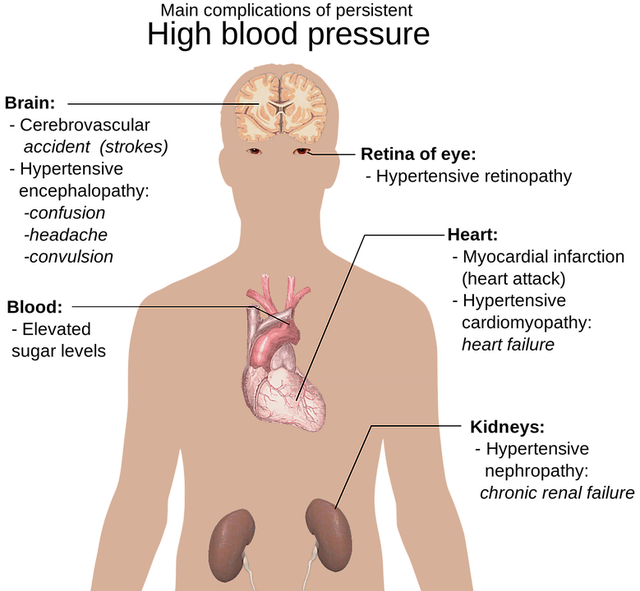
5. Why It’s More Dangerous Than You Think
Unchecked hypertension can lead to:
- Heart Disease: Hypertension increases the workload on your heart, making it more prone to conditions like heart attacks, congestive heart failure, and abnormal heart rhythms.
- Stroke: Elevated blood pressure can damage blood vessels in the brain, increasing the risk of stroke.
- Kidney Disease: Hypertension can damage the arteries around the kidneys, impairing their ability to filter blood.
- Vision Problems: It can lead to eye blood vessel damage and, in severe cases, vision loss.
- Artery Damage: Persistent hypertension can result in the hardening and narrowing of arteries, increasing the risk of atherosclerosis.
- Sleep Apnea: This condition, characterised by interrupted breathing during sleep, is associated with high blood pressure.
And here’s the scary part:
You may not feel anything until it’s too late.
The Silent Threat
Hypertension is often asymptomatic, meaning you can have it for years without experiencing noticeable symptoms. Yet, this seemingly silent threat can have severe consequences. Prolonged high blood pressure can lead to a range of health issues, including:
6. Practical Recommendations (For Global Readers)
For Everyone
- Reduce salt intake (aim <1500–2300 mg/day)
- Walk at least 30 minutes daily
- Manage stress (yes, it matters more than you think)
- Maintain a healthy weight
For US / Canada Readers
- Monitor BP at home regularly
- Don’t delay medication if advised
- Follow the DASH-style diet strictly
For European Readers
- Prioritise lifestyle correction first
- Regular GP check-ups
- Avoid complacency if BP is “borderline”
For South Asia (Bonus Insight)
- Cut down hidden salt (pickles, snacks)
- Address stress + sleep deprivation
- Increase potassium-rich foods (fruits, vegetables)
The Big Shift in Thinking
Old mindset:
👉 “Treat when it gets serious”
New mindset (2025+):
👉 “Prevent before damage begins”
7 . Causes and Risk Factors of Hypertension
High blood pressure, medically known as hypertension, is a widespread health concern affecting millions of people worldwide. To effectively combat this condition, it’s imperative to understand the factors that contribute to its development. In this comprehensive guide, we explore the various causes and risk factors of high blood pressure, shedding light on the hidden triggers that may be impacting your health.
8 . Genetics
Your family history can play a crucial role in determining your risk for high blood pressure. If you have close relatives with hypertension, your genetic predisposition may increase the likelihood of developing the condition.
9 . Age
As we age, the risk of developing high blood pressure tends to rise. It’s a condition that often manifests as individuals grow older, making regular blood pressure monitoring essential.
10 . Obesity
Excess weight can strain your circulatory system, making obesity a significant risk factor for hypertension. The extra weight requires more blood to supply oxygen and nutrients to your tissues, which increases the pressure on artery walls.
11 . Chronic Conditions
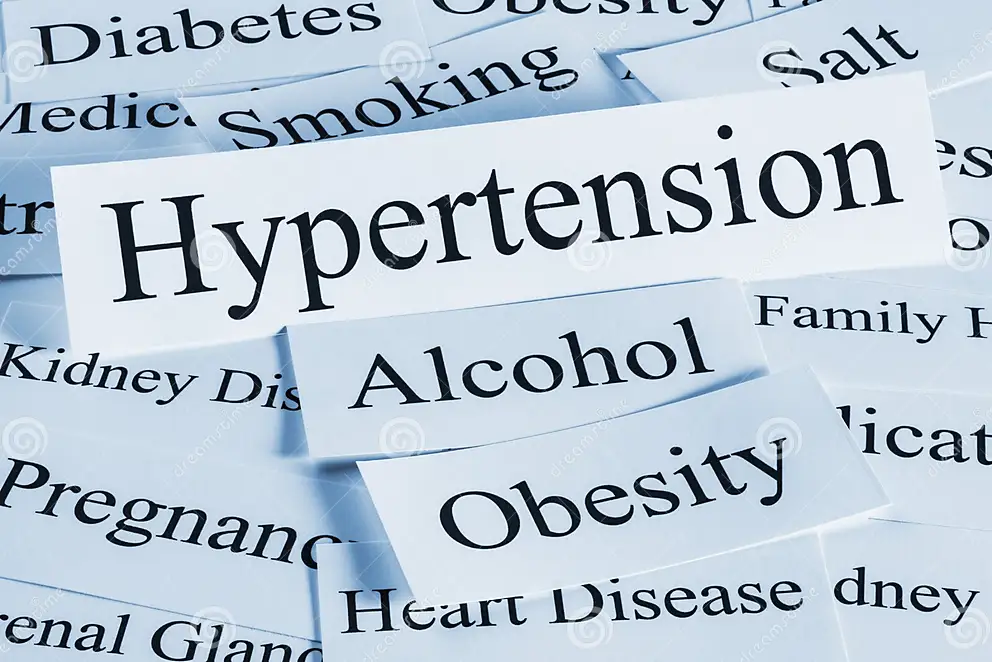
Several chronic medical conditions can contribute to high blood pressure:

12 . Lifestyle and Environmental Factors
Environmental factors can also play a role in the development of hypertension. Exposure to certain elements can contribute to hypertension:
- Tobacco and Alcohol: Smoking and excessive alcohol consumption can raise blood pressure.
- Sodium Intake: A diet high in sodium can lead to water retention and increased blood pressure.
- Lack of Potassium: A diet lacking in potassium, a mineral that helps balance sodium levels, can contribute to hypertension.
Understanding the causes and risk factors of hypertension is the first step in effectively managing and preventing this condition. By addressing lifestyle choices, monitoring genetic predisposition, and managing chronic conditions, you can take proactive steps to safeguard your cardiovascular health.
13 . Diagnosis, Duration, Diet, and Prevention
High blood pressure, also known as hypertension, is a common yet concerning health issue. To effectively manage and prevent it, one must understand various aspects of this condition. In this comprehensive guide, we delve into how high blood pressure is diagnosed, its duration, the role of diet in its treatment, and crucial preventive measures.
14 . Diagnosing hypertension
High blood pressure often remains asymptomatic, emphasising the importance of regular check-ups. Diagnosis typically involves:
- Blood Pressure Measurements: Using a sphygmomanometer, healthcare professionals measure your hypertension in millimetres of mercury (mmHg). It involves assessing systolic and diastolic pressures.
- Multiple Readings: To confirm high blood pressure, multiple readings over separate visits may be necessary.
- Home Monitoring: Home hypertension monitors are valuable for tracking blood pressure trends.
15 . Duration of High Blood Pressure
The duration of hypertension pressure can vary. It may be a temporary spike or a persistent condition:
- Transient Hypertension: Some individuals experience temporary high blood pressure due to stress or other factors. It may not require long-term treatment.
- Chronic Hypertension: This refers to persistent high blood pressure, often requiring ongoing management to reduce risks.
16 . Using Diet to Treat High Blood Pressure
Diet plays a significant role in the management of hypertension. Key dietary strategies include:
- Hypertension Low-Sodium Diet: Reducing sodium intake helps prevent water retention and lower

Low Sodium - DASH Diet: The Dietary Approaches to Stop Hypertension (DASH) diet emphasises fruits, vegetables, lean proteins, and whole grains to promote heart health.

DASH Diet: - Potassium-rich foods: Bananas, sweet potatoes, and leafy greens can help balance sodium levels.
- Moderate Alcohol and Caffeine: Limiting alcohol and caffeine intake is advised.
17 . Prevention of High Blood Pressure
Preventing high blood pressure involves a combination of lifestyle changes and risk reduction:
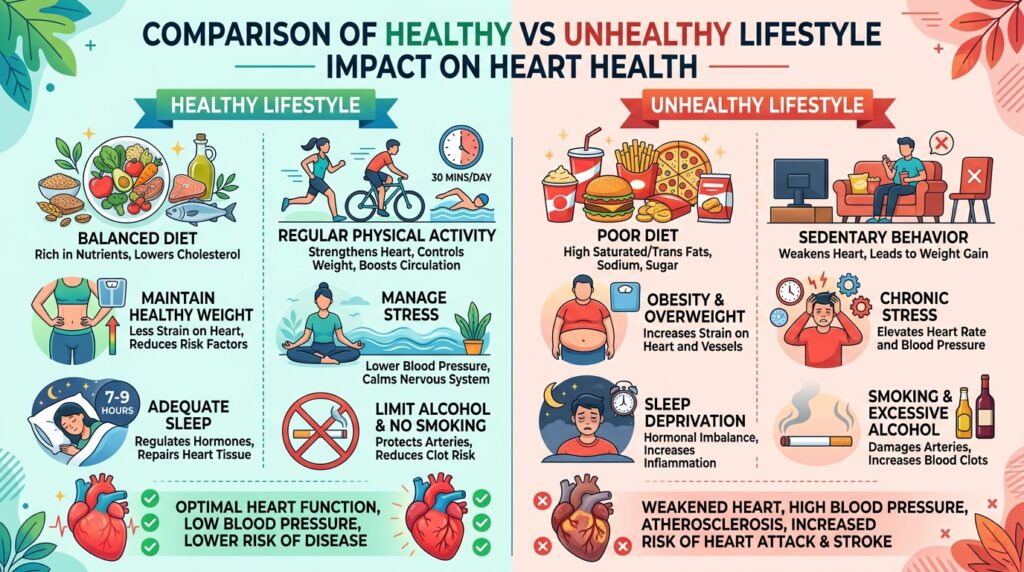
- Maintain a Healthy Weight: Excess weight strains the heart and blood vessels. Maintaining a healthy weight can significantly reduce the risk of hypertension.
- Regular Physical Activity: Engaging in regular exercise helps lower blood pressure and improve overall cardiovascular health.

Regular Physical Activity - Stress Management: Stress reduction

Stress Management Techniques, such as meditation and relaxation, can play a crucial role in preventing hypertension.
- Limit Alcohol and Tobacco: Excessive alcohol consumption and smoking are risk factors for high blood pressure.
- Regular Check-ups: Routine health check-ups enable early detection and management of high blood pressure.

Regular Check-ups
10 . Managing High Blood Pressure
The good news is that high blood pressure is manageable. By adopting a proactive approach, you can effectively control and even lower your blood pressure. Strategies for managing high blood pressure include:
- Lifestyle Modifications: Incorporating a balanced diet, reducing sodium intake, engaging in regular physical activity, and managing stress can make a substantial difference.
- Medication: In some cases, healthcare professionals may prescribe medication to help lower and regulate hypertension.
- Seek Professional Guidance
It’s crucial to monitor your blood pressure regularly, as early detection can prevent complications. If you suspect or have been diagnosed with high blood pressure, consult a healthcare professional for guidance tailored to your unique needs.
In conclusion, hypertension is a prevalent yet manageable health condition. By comprehending its nature and adopting a proactive lifestyle, you can protect your long-term health and well-being. Remember, knowledge is your most potent weapon in the fight against hypertension.
FAQs (Updated for 2026)
1. What is the ideal blood pressure now?
Below 130/80 mm Hg for most adults.
2. Can lifestyle alone control hypertension?
Yes, especially in early stages, but not always enough for high-risk individuals.
3. When should medication start?
Usually at ≥140/90, or earlier (≥130/80) if risk factors exist. (professional.heart.org)
4. Are smartwatches accurate for BP?
Not yet reliable for clinical decisions. (professional.heart.org)
5. Why do guidelines differ globally?
Because of lifestyle, healthcare systems, and population risk differences.
6. Is hypertension reversible?
In many cases, yes, through weight loss, diet, and lifestyle changes.
📚 References
- American Heart Association (2025 Hypertension Guideline) (professional.heart.org)
- AHA/ACC Updated Clinical Recommendations (2025) (international.heart.org)
- American Journal of Hypertension (2025–2026 updates) (OUP Academic)
- Global Lifestyle Guidelines Review (2026) (Nature)
- “High Blood Pressure (Hypertension) Guide.” Everyday Health.Causes and Risk Factors of High Blood Pressure.https://www.everydayhealth.com/high-blood-pressure/guide/,
This post contains affiliate links, which means I earn a commission if you purchase through these links. This comes at no additional cost to you and helps support the content I create. I only promote products/services I believe in and use myself. Your support is greatly appreciated!
Disclaimer: The content in this article is intended for informational and educational purposes only. It provides insights, tips, and general guidance on health, beauty, and wellness, but it is not a substitute for professional medical advice, diagnosis, or treatment.
Always consult a qualified healthcare professional for personal medical concerns. For more information about our approach to health and wellness content, please read our Health & Wellness Disclaimer.
If you enjoyed this article, please like and share it with your friends, and don’t forget to subscribe for more great content!
Understanding Anger : A Comprehensive Guide in 2025