
Europe’s 2026 Heatwave: Why It Feels So Bad and Simple Ways to Stay Safe
Europe’s June 2026 heatwave is breaking records with 40°C+ temperatures. Learn why it feels worse here than in hotter countries, simple no-cost passive cooling tricks for old homes, urban heat island effects, and lessons from ancient Persian gardens and Islamic architecture to protect vulnerable people, and practical advice for everyone.
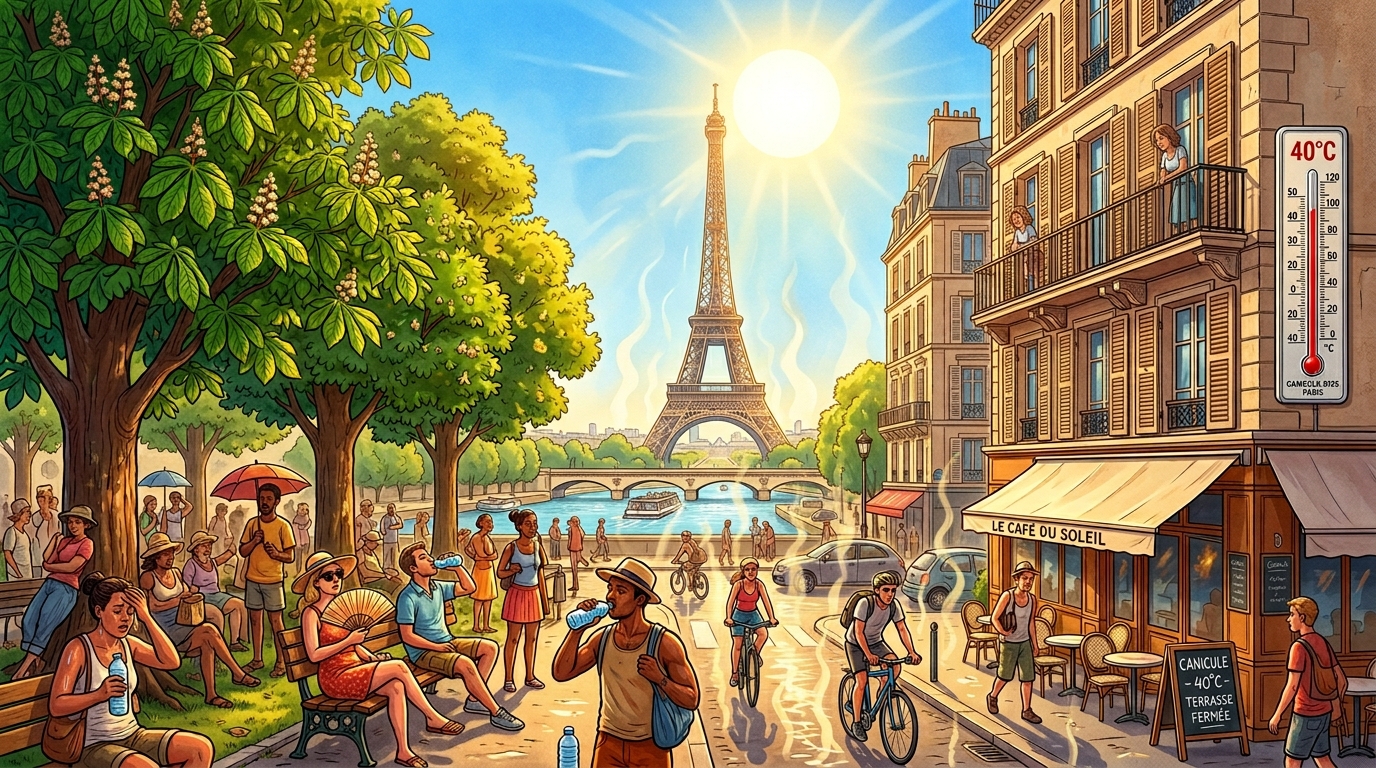
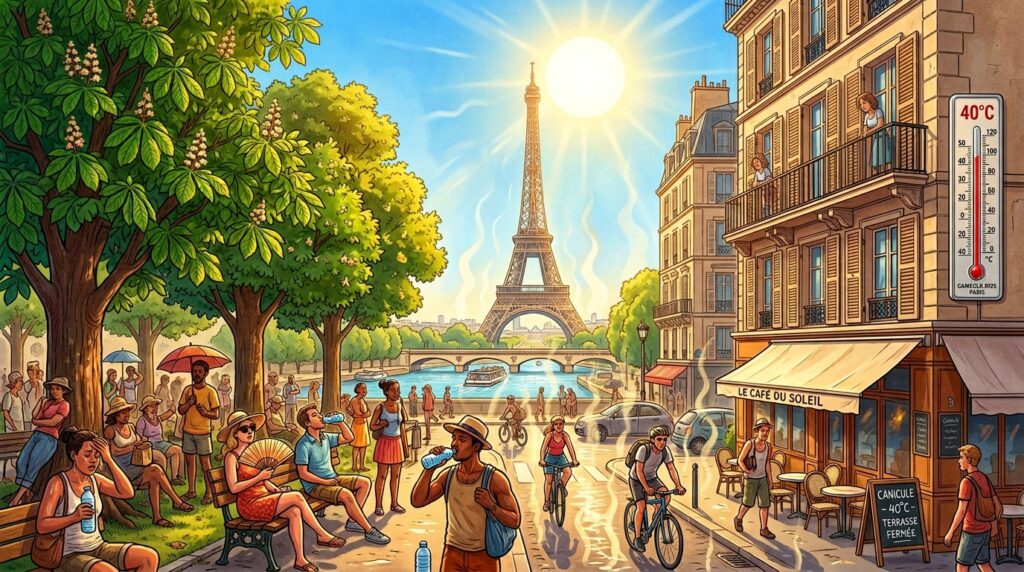
Europe is facing a serious heatwave in June 2026. A heat dome is trapping hot air over many countries, pushing temperatures above 35–40°C in places like France, Spain, the UK, Italy, and Germany. Some areas have set new June records, reaching 43°C. This is the second major heat event this year after May. Schools have closed, trains are slowing down, and hospitals are busy. Sadly, dozens of people have died, many while trying to cool off in water.
This article explains the heatwave in simple words , It covers why the heat feels worse in Europe, who is most at risk, and easy ways to stay cooler without spending money or moving house. You will also learn smart ideas from ancient cultures that can help everyone prepare for hotter summers.
Deadly heat wave grips Europe with red alerts and scorching records
A deadly heat wave is tightening its grip on Europe, sending temperatures soaring toward record levels and forcing authorities across the continent to close schools, cancel public events and even restrict alcohol consumption.
The most extreme conditions were hitting millions in France, Spain and Britain on Tuesday, where temperatures kept climbing to exceptionally high levels for early summer.
The scorching heat caused widespread disruptions to public transport and raised alarm in areas of Western Europe where air conditioning is not widespread.

It’s just the latest unseasonably intense period of high temperatures to raise fears about the effects of climate change. And for many in Europe, this new reality is becoming impossible to ignore.
Pamela Clapp, a 39-year-old American who has lived in Paris for 14 years, told NBC News she was “very worried about the next couple of days.” This summer feels different from those she has experienced before, she said.
France has placed more than half of its regions under a red heat alert, the highest level, with national weather service Météo-France assessing that temperatures remained “exceptionally high” Tuesday.
A day earlier, the country endured its hottest June day on record — based on average day and night calculations — with the temperature in the central village of Chateaumeillant reaching as high as 43.3 degrees Celsius (109.9 Fahrenheit).
At least 40 have drowned as people flocked to beaches, rivers and lakes to escape the heat, Prime Minister Sébastien Lecornu said ahead of an emergency meeting on the subject.
Hundreds of schools have been closed across France and other countries in the region.
Why 35°C Feels Much Harder in Europe Than in Hotter Places
In South Asia or the Middle East, people often handle temperatures of 45°C or higher. But in Europe, 35°C can feel exhausting. The main reason is sticky humidity. Sea air makes sweat stay on your skin instead of drying, so your body cannot cool itself well. It feels like wearing a hot, wet blanket.
European homes were built for cold, wet winters. Thick walls and insulation keep heat inside during summer, like an oven. Most houses do not have air conditioning. Warm nights give no break, and cities add extra heat. This combination turns normal summer weather into a real problem.
Urban Heat Islands: Why Cities Get Even Hotter
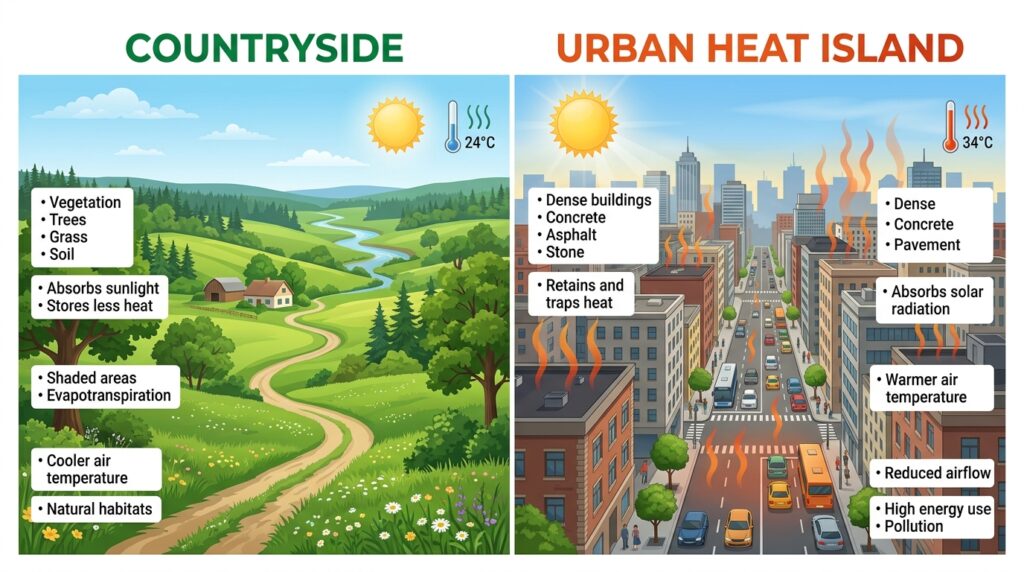
Cities act like giant heat traps. Concrete roads, buildings, and parking lots soak up sunlight all day and release it at night. There are fewer trees and plants to provide shade and cool the air. Cars, factories, and air conditioners push out more heat. Water runs off quickly instead of evaporating to cool things down.
As a result, cities can be 3–7°C hotter than nearby countryside areas. In Europe’s 2026 heatwave, this makes life harder in places like Paris and London. Nights stay warm, so bodies and buildings do not recover.
Does Skin Colour Affect Heat Tolerance?
Skin colour plays almost no role in handling hot weather. Melanin protects against strong sunlight and UV rays, but it does not determine how well your body manages heat or humidity. Real risks come from age, health, fitness, medicines, and whether you are used to the heat.
Everyone needs the same basic help: water, shade, and rest. Focus on actions that protect all people, including migrants and outdoor workers in Europe.
Simple Passive Cooling Techniques You Can Use Today
Passive cooling means using nature to stay cooler without air conditioning or high costs. These methods work well in old European homes.
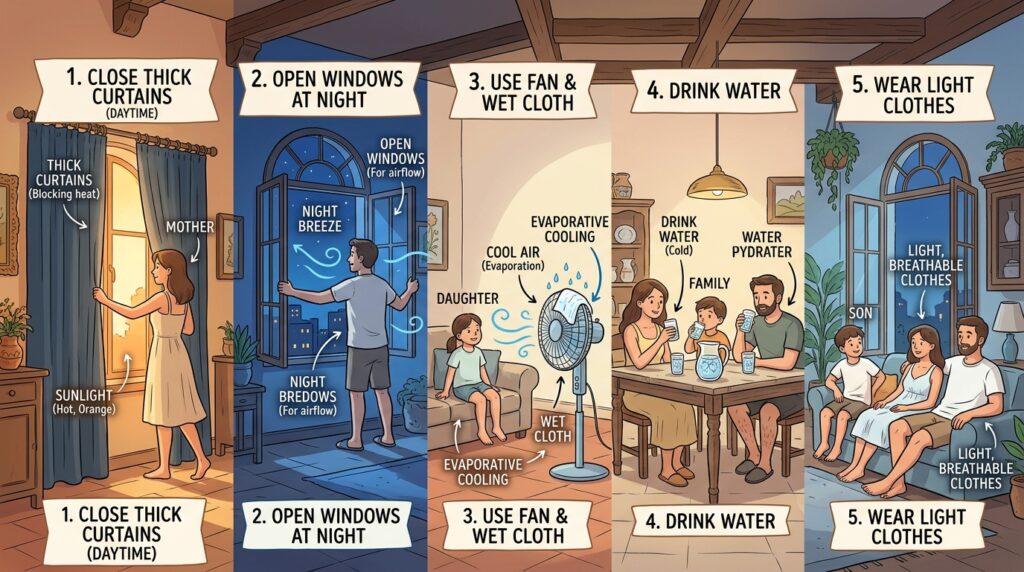
- Close curtains, blinds, or shutters during the day to block sunlight.
- Open windows at night and early morning for cool air. Close them when the day heats up.
- Create cross-ventilation by opening windows on opposite sides.
- Use fans to move air. Place a wet cloth in front of a fan for extra cooling.
- Stay on lower floors where it is cooler.
- Wear loose, light-colored cotton clothes.
- Eat cold foods and avoid using the oven during hot hours.
- Hang wet towels or place bowls of water around the room.
These small habits can lower indoor temperatures by several degrees. They cost nothing after you start and work without changing your house.
Traditional Windcatchers: Ancient Natural Air Conditioning
Windcatchers are tall towers used for thousands of years in Iran and the Middle East. They catch wind and pull cool air down into rooms. Some designs pass air over water to make it even cooler through evaporation. Hot air rises and leaves through other openings.
You do not need a tower on your house. Use the idea by opening high windows in the evening and creating good airflow. Combine with wet cloths near windows for simple evaporative cooling.
Ancient Persian Gardens
Ancient Persian gardens, called Chahar Bagh, divided space into four parts with crossing water channels. Tall trees gave shade, and flowing water cooled the air. They used underground tunnels called qanats to bring water and windcatchers to move cool air.
These gardens could stay 10–15°C cooler than the desert around them. Today, even small trees, plants, or a bowl of water near your home can copy these ideas and fight urban heat.
https://www.instagram.com/reel/DGKy5NGoVBe/?utm_source=ig_web_copy_link&igsh=NTc4MTIwNjQ2YQ==
Islamic Architecture: Smart Features for Hot Climates
Islamic buildings often include central courtyards with fountains, carved wooden screens called mashrabiya, thick walls, and domes. Courtyards trap shade and cool air. Mashrabiya lets the breeze in while blocking the harsh sun. Water features and good ventilation keep spaces comfortable.
These designs show how shade, airflow, and water work together. In Europe, you can add simple curtains or lattice shades, create small shaded spots, and improve ventilation without major changes.
Europe’s 2026 Heatwave: Protecting Vulnerable People During Heatwaves
Elderly people, babies, children, pregnant women, and those with heart or breathing problems face the highest risk. They may not notice danger quickly.
Easy steps to help:
- Check on neighbours and family twice a day.
- Drink plenty of water. Add a pinch of salt and sugar if needed.
- Stay inside between 11 AM and 3 PM. Take cool showers or use wet cloths on neck and wrists.
- Never leave children or pets in cars.
- Adjust school and play times to morning or evening.
- Use public libraries or malls as free cooling spots.
Most heat-related deaths can be prevented with simple care and planning.
6 FAQs About the European Heatwave
1. Is climate change causing this heatwave?
Climate change makes heatwaves more frequent, earlier, and stronger. Europe is warming faster than most places. Natural patterns play a role, but human actions are the main driver.
2. Why not install air conditioning everywhere?
It costs a lot, old buildings are hard to change, and AC uses energy that can worsen warming. Passive methods are cheaper and better for the long term.
3. How long will the 2026 heatwave last?
Hot conditions may continue into late June. Check local weather updates daily.
4. Can I exercise outside?
Yes, but only early morning or evening. Drink water and stop if you feel dizzy or tired.
5. Does painting a roof white help?
Yes. Light colours reflect sunlight and keep houses cooler. Some cities offer support for this.
6. What can people in other countries learn?
Simple tricks like night ventilation, shading windows, and checking on others work everywhere. Share ideas across cultures for a hotter world.
References
- BBC Urdu “Jahan Numa: Heatwave in Europe” video coverage.
- Reports from European Environment Agency, WHO Europe, and Carbon Brief on heat impacts and adaptation.
- Studies on passive cooling, urban heat islands, and traditional architecture from UNESCO World Heritage sites in Iran and the Middle East.
- Scientific reviews on heat vulnerability and skin physiology.
This heatwave shows we all share the challenge of a warming planet. Small daily actions, smart habits from the past, and helping each other can save lives. Stay hydrated, stay shaded, and share what you learn. Knowledge and simple steps make a big difference.