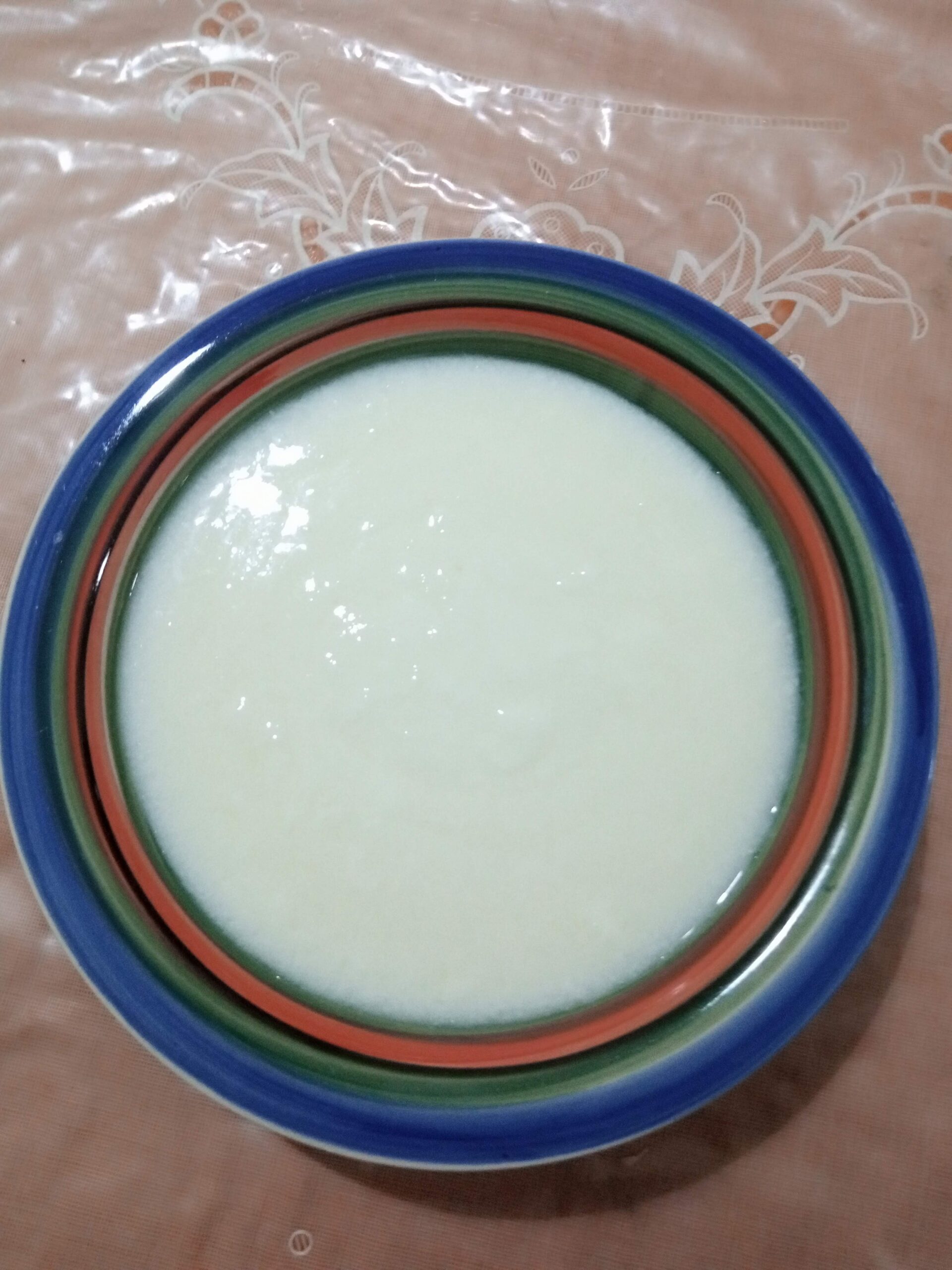

Curd and Yoghurt in 2026: Health, Gut, Heart, Recipes & Global Variations
“A simple bowl of yoghurt can brighten your day, strengthen your gut, and even support heart and weight health. Let’s explore how fermented dairy, worldwide varieties, and creative recipes can nourish both body and soul in 2026.”
Global Fermented Dairy: Beyond Curd and Yogurt
Fermented dairy products are enjoyed worldwide, each with unique flavours, textures, and health benefits. Rich in probiotics, protein, calcium, and essential vitamins, they support gut health, immunity, and overall wellness. Exploring them is both a culinary adventure and a gentle way to care for your body.
| Product | Region | Consistency | Key Benefit | How to Enjoy |
|---|---|---|---|---|
| Kefir | Middle East, Caucasus, Central Asia | Thin | Rich probiotics, vitamins, minerals | Drink plain, in smoothies, with fruits |
| Skyr | Iceland | Thick & creamy | High protein, low fat | Pair with berries, granola, and honey |
| Labneh | Middle East & Mediterranean | Creamy | Protein, probiotics | Spread with herbs & olive oil |
| Ayran | Turkey & Middle East | Thin | Hydration, probiotics | Serve chilled with meals or spicy dishes |
| Filmjölk | Sweden | Mild, thin | Gentle probiotics | Enjoy with muesli, berries, cereals |
| Amasi | Southern Africa | Thick, tangy | Probiotics, protein | Drink or pair with cereals |
Each of these variations carries cultural stories, traditional practices, and unique nutritional perks. Exploring them is a small way to connect with global health wisdom.
Curd & Yoghurt: Nutritional Powerhouses
Curd (Dahi)
- Probiotic Support: Maintains a balanced gut flora and boosts immunity.
- Cooling Effect: Soothes digestion and helps regulate body temperature.
- Calcium & Protein: Supports bones, tissue repair, and muscle health.
- Weight Management: Protein promotes satiety, helping control appetite.
Yogurt
- Similar Benefits: Contains probiotics, protein, vitamins, and minerals.
- Versatile: Perfect for smoothies, parfaits, and savoury dips.
- Vitamin B Complex: Supports energy, metabolism, and overall well-being.
Gentle Reminder: Enjoying curd or yogurt isn’t just eating — it’s a small act of self-care that nurtures your body and mind.
Greek Yoghurt vs Regular Yoghurt
| Feature | Greek Yogurt | Regular Yogurt |
|---|---|---|
| Texture | Thick, creamy | Smooth, runny |
| Taste | Tangier | Mildly sweet |
| Protein | High | Moderate |
| Sugar | Low | Slightly higher |
| Preparation | Strained to remove whey | Fermented milk with cultures |
| Origin | Greece | Worldwide |
Motivation: Both are excellent choices Greek yogurt for higher protein, regular yogurt for lighter, everyday use. Listen to your body and pick what nourishes you best.
Cultural, Nutritional & Social Significance
- Culinary Traditions: Milk type and fermentation vary regionally.
- Climate & Preservation: Fermentation historically preserved dairy in hot climates.
- Health Needs: Supports immunity, gut health, calcium, and weight management.
- Social & Ritual Use: Yogurt and lassi appear in festivals, rituals, and communal meals.
- Economic & Local Factors: Homemade curd is accessible; regional varieties reflect local ingredients and traditions.
Gentle Reflection: Yogurt and curd are not just food; they are a bridge between culture, health, and human connection a small daily reminder to care for yourself and your community.
2 . Ancient Beginnings:
-
- Mesopotamia: Yoghurt likely originated in Mesopotamia (modern-day Iraq) around 5,000 BC.
- Accidental Discovery: It is believed that yoghurt was accidentally discovered when milk was exposed to naturally occurring bacteria. These bacteria fermented the milk, resulting in the first yoghurt-like product.
- Plant Exposure: The bacteria may have come from contact with plants or been transferred from the udder of domestic milk-producing animals.
- Spread Across Cultures:
- Central Asia: Yoghurt-making techniques spread to Central Asia, where it became an integral part of the diet.
- India: Ancient Indian texts mention yoghurt as a nutritious food.
- Middle East: The Middle Eastern region embraced yoghurt, incorporating it into various dishes.
- Cultural Significance:
- Ayurveda: In India, yoghurt is revered for its cooling properties. Ayurveda recommends consuming it during the daytime.
- Religious Practices: Yoghurt is used in various religious rituals and ceremonies.
- Health Benefits Discovered:
- Probiotics: People noticed that yoghurt improved digestion and overall health.
- Lactic Acid: Fermentation of sugars in milk by bacteria produces lactic acid, giving yoghurt its characteristic tart flavour.
- Modern Trends:
- Global Popularity: Yoghurt is now a staple food worldwide.
- Variations: Different cultures have their variations (Greek yoghurt, labneh, kefir, etc.).
In summary, yoghurt’s accidental discovery led to its widespread adoption across cultures. Its health benefits and versatility continue to make it a beloved food today!123
3 . Curd and Yoghurt
Curd and yoghurt are both dairy products, but they differ in how they are made. Let’s explore the key differences between the two:
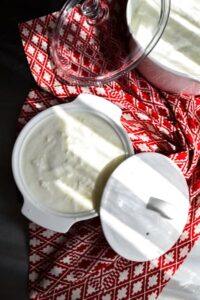
Curd (Dahi):
- Fermentation Process: Curd is made through spontaneous fermentation using existing curd or curd culture. When we make curd at home, we add a small amount of existing curd (starter) to a bowl of milk and let it sit overnight, covered with a cloth. This process is referred to as the coagulation of milk or curdling.
- Texture: Curd has a lighter texture and may not always have a smooth, uniform consistency.
- Bacterial Strains: The bacterial strains in curd can vary based on the environment and the specific starter used.
Yogurt:
- Industrial Production: Unlike curd, yoghurt is an industrial product. The yoghurt we buy from the market falls into this category.
- Specific Starter Cultures: Yoghurt is also a fermented milk product, but it involves the use of specific starter cultures (usually standardised strains of Lactobacillus bulgaricus and Streptococcus thermophilus). These bacteria give yoghurt its unique texture, taste, and consistency.
- Longer Shelf Life: The use of standardised bacteria in yoghurt makes it last longer than homemade curd.
- Variety of Flavours: Commercial yoghurts come in a variety of flavours, some of which may have added sugar or fruit.
In summary, while both curd and yoghurt are fermented dairy products, their preparation methods, bacterial strains, and textures differ. So, even though we often use the terms interchangeably, they are indeed distinct from each other! 12
Making yoghurt at home is easy and requires just a few simple ingredients. Here’s a step-by-step guide:
4 . Homemade Yoghurt Recipe
Ingredients:
- 1 quart (946 ml) milk (any kind, but avoid ultra-high pasteurised milk)
- 1/4 to 1/2 cup non-fat dry milk (optional, for thicker yoghurt)
- 1 tablespoon white sugar (to feed the bacteria)
- A pinch of salt (optional)
- 2 tablespoons existing yoghurt with live cultures (or freeze-dried bacteria)
Instructions:
- Heat the Milk:
- Pour the milk into a pot and heat it to 185°F (85°C). Use a double boiler or stir constantly to prevent burning.
- If you don’t have a thermometer, heat the milk until it starts to froth.
- You can use any type of milk (whole milk, 2%, 1%, nonfat, etc.), but avoid ultra-high pasteurised milk (UHP) as it may not yield good results.
- Cool the Milk:
- Let the milk cool down to 110°F (43°C). Use a cold water bath or stir frequently if cooling at room temperature.
- Don’t let it go below 90°F (32°C) or above 120°F (49°C).
- Warm the Starter:
- While the milk is cooling, let the existing yoghurt (starter) sit at room temperature.
- The starter contains live cultures necessary for yoghurt fermentation.
- Mix the Starter and Milk:
- Add 1-2 tablespoons of the existing yoghurt to the cooled milk.
- Stir well to evenly distribute the starter.
- Ferment the Yoghurt:
- Cover the bowl with a cloth or lid.
- Place it in a warm corner of your kitchen for 6-8 hours (or overnight) to allow fermentation.
- The longer it ferments, the tangier the yoghurt will be.
- Refrigerate:
- Once the yoghurt is set, refrigerate it for at least 4-6 hours to thicken.
- Enjoy your homemade yoghurt plain or with your favourite toppings!
Remember, homemade yoghurt is not only delicious but also packed with probiotics and gut-healthy benefits. 123
Both yoghurt and curd can be made at home, and they are delicious, nutritious, and easy to prepare. Let me guide you through the process of making each of them:
How to Make Curd :
Curd, also known as dahi, is a traditional fermented dairy product. It’s made by adding a small amount of existing curd (starter) to a bowl of milk and allowing it to ferment. Here’s how you can make curd at home:
- Heat the Milk:
- Pour the milk into a pot and heat it to 185°F (85°C). You can use any type of milk (whole milk, 2%, 1%, nonfat, etc.).
- If you don’t have a thermometer, heat the milk until it starts to froth.
- Stir occasionally to prevent burning.
- Cool the Milk:
- Let the milk cool down to 110°F (43°C). You can use a cold water bath to speed up the cooling process.
- Don’t let it go below 90°F (32°C) or above 120°F (49°C).
- Warm the Starter:
- While the milk is cooling, let the existing yoghurt (starter) sit at room temperature.
- The starter contains live cultures necessary for yoghurt fermentation.
- Mix the Starter and Milk:
- Add 1-2 tablespoons of the existing yoghurt to the cooled milk.
- Stir well to evenly distribute the starter.
- Ferment the Curd:
- Cover the bowl with a cloth or lid.
- Place it in a warm corner of your kitchen for 6-8 hours (or overnight) to allow fermentation.
- The longer it ferments, the tangier the curd will be.
- Refrigerate:
- Once the curd is set, refrigerate it for at least 4-6 hours to thicken.
- Enjoy your homemade curd!
Fermented dairy products are similar to curd and yoghurt and are enjoyed worldwide. Let’s explore some global variations:
Kefir (Middle East, Caucasus, and Central Asia):
-
- Kefir is a fermented milk drink made by adding kefir grains (a combination of bacteria and yeast) to milk.
- It has a tangy flavour and a thinner consistency than yoghurt.
- Kefir is rich in probiotics, vitamins, and minerals.
Skyr (Iceland):
-
- Skyr is an Icelandic dairy product similar to yoghurt.
- It is strained to remove excess whey, resulting in a thick, creamy texture.
- Skyr is high in protein and low in fat.
Labneh (Middle East and Mediterranean):
-
-
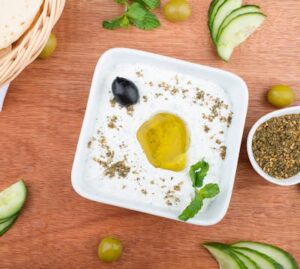
- Labneh is a strained yoghurt or curd cheese.
- It is made by draining yoghurt to remove the whey, leaving behind a thick, creamy consistency.
- Labneh is often seasoned with herbs and olive oil.
-
Ayran (Turkey and Middle East):

-
-
-
- Ayran is a refreshing yoghurt-based drink.
- It is made by diluting yoghurt with water and adding a pinch of salt.
- Ayran is commonly served chilled and pairs well with spicy foods.
-
-
Filmjölk (Sweden):

-
- Filmjölk is a traditional Swedish fermented milk product.
- It has a mild flavour and a thinner consistency than yoghurt.
- Filmjölk is often enjoyed with muesli or berries.
Amasi (Southern Africa):
-
-
- Amasi is a fermented milk product popular in Southern Africa.
- It is made by allowing milk to ferment naturally.
- Amasi has a thick consistency and a tangy taste.
-
Remember that each of these variations has its unique taste, texture, and cultural significance. Exploring these global fermented dairy products can be a delightful culinary adventure! 1234

Curd and yoghurt, alongside lassi, are not only delicious but also offer numerous health benefits, especially during summer. Let’s explore these dairy-based delights and how they can help you beat the heat:
Curd (Yoghurt):
-
- Probiotic Powerhouse: Curd is a rich source of probiotics—beneficial live bacteria that support gut health. These probiotics aid digestion, improve nutrient absorption, and maintain a healthy balance of gut flora.
- Cooling Effect: Curd has a cooling effect on the body. It soothes the digestive system and helps regulate body temperature during hot weather.
- Hydration: Curd contains water, which contributes to hydration. It’s an excellent way to replenish lost fluids due to sweating.
- Calcium and Protein: Curd is packed with calcium and protein. Calcium supports bone health, while protein helps repair tissues and build muscle mass.
- Vitamins and Minerals: Curd provides essential vitamins (like B12 and riboflavin) and minerals (such as phosphorus and potassium).
- Weight Management: The protein in curd promotes satiety, making you feel full and aiding in weight management.
- Yogurt:
- Similar to Curd: Yoghurt is essentially the same as curd but often undergoes specific bacterial fermentation processes.
- Protein and Probiotics: Like curd, yoghurt is rich in protein and probiotics. It supports gut health, aids digestion, and boosts immunity.
- Vitamin B Complex: Yoghurt contains B vitamins (B12, riboflavin, and niacin), which play a crucial role in energy production and overall well-being.
- Creamy and Versatile: Yoghurt’s creamy texture makes it a versatile ingredient. Use it in smoothies, parfaits, or as a base for savoury dips.
Curd (also known as yoghurt) is a versatile ingredient that can be incorporated into various recipes to maximise its health benefits. Let’s explore different ways to enjoy curd while reaping its nutritional advantages:
- Basic Homemade Curd (Dahi):
- Probiotic Powerhouse: Curd is a lactic fermentation of milk, rich in beneficial bacteria known as probiotics. These friendly bacteria support gut health, aid digestion, and boost immunity.
- Cooling Effect: Curd has a cooling effect on the body, making it ideal for hot weather.
- Calcium and Protein: It provides essential nutrients like calcium (for bone health) and protein (for tissue repair and muscle building).
- Immunity Booster: Long-term consumption of yoghurt is associated with increased production of gamma interferon, which plays a role in immune responses.
- Weight Management: The protein content in curd promotes satiety, helping with weight management.
- Digestive Aid: Curd’s probiotics improve gut function and alleviate symptoms of digestive disorders.
- Recipe: Try making Homemade Curd by fermenting cow’s milk. It’s simple and nutritious1.
Flax Seed Raita:
-
- Omega-3 Fatty Acids and Calcium: Combine curd with ground flax seeds to create a refreshing raita. Flax seeds provide omega-3 fatty acids and calcium.
- Recipe: Mix flaxseed powder, curd, salt, and chopped mint leaves. Serve chilled1.
- Lemon Curd (Sugar-Free, Low Carb):
- Healthy Vegan Option: Make a sugar-free, low-carb lemon curd using coconut milk, lemon juice, and zest. It’s tangy, creamy, and perfect for desserts or as a spread.
- Recipe: Whisk coconut milk, lemon juice, zest, erythritol, cornstarch, and turmeric. Heat until smooth and thickened2.
- Smoothies with Yoghurt:
- Protein-Packed Breakfast: Blend yoghurt with fruits (like berries, mangoes, or bananas), spinach, and a touch of honey. It’s a quick and nutritious breakfast option.
- Recipe: Combine yoghurt, frozen berries, a banana, spinach, and a drizzle of honey. Blend until smooth.
Greek Yoghurt Parfait:
-
- Layered Delight: Alternate Greek yoghurt with granola, fresh fruits, and nuts. It’s a balanced snack or dessert.
- Recipe: Layer Greek yoghurt, granola, sliced strawberries, and chopped almonds in a glass.
Cucumber Raita:
-
- Refreshing Side Dish: Grated cucumber mixed with curd, mint, and spices creates a cooling raita. Pair it with biryanis or spicy dishes.
- Recipe: Mix grated cucumber, curd, chopped mint, roasted cumin powder, and salt.
Yoghurt-Based Salad Dressings:
-
- Creamy and Healthy: Use yoghurt as a base for salad dressings. Add lemon juice, olive oil, garlic, and herbs for flavour.
- Recipe: Whisk yoghurt, lemon juice, minced garlic, extra-virgin olive oil, salt, and pepper. Drizzle over salads.
Lassi Variations:
-
- Traditional Asian Drink: Lassi is a yoghurt-based drink. Try different flavours:
- Mango Lassi: Blend yoghurt, ripe mango, honey, and a pinch of cardamom.
- Salted Lassi: Mix yoghurt, water, salt, and roasted cumin powder.
- Sweet Lassi: Blend yoghurt, water, sugar, and rose water.
- Recipe: Adjust ingredients to taste and blend until smooth.
- Traditional Asian Drink: Lassi is a yoghurt-based drink. Try different flavours:
Remember to choose good-quality yoghurt and curd, whether store-bought or homemade. Incorporate these recipes into your daily meals to enjoy the health benefits of curd! 123
Recommended Timings to Consume for Maximum Health Benefits:
The timing of consuming curd and yoghurt, besides lassi, can impact their nutritional benefits. Let’s explore the best times to enjoy these dairy products for maximum health advantages:
- Curd (Dahi):
- Daytime: Ayurveda recommends consuming curd during the daytime, especially at lunch when the digestive Agni (digestive fire) is robust.
- Seasonal Consideration: Curd is best avoided during the monsoon and winter seasons, especially at night, as it can lead to mucus formation1.
- Yogurt:
- Anytime: There isn’t a bad time to eat yoghurt. You can enjoy it throughout the day.
- Greek Yoghurt and Skyr: Nutritionists recommend Greek yoghurt and Skyr over plain yoghurt due to their higher protein content.
- Avoid Before Intense Workouts: It’s best to avoid eating yoghurt right before intense workouts2.
- Lassi:
- Morning or Afternoon: Lassi is a traditional Subcontinent drink. Enjoy it in the morning or afternoon to feel satiated and keep hunger at bay.
- Cooling Effect: Lassi has a cooling effect on the body, making it ideal for hot weather.
Remember that individual preferences and dietary needs vary, so choose the timing that works best for you. Enjoy these dairy delights for their taste and health benefits! 21
Summer is the perfect time to experiment with creative lassi flavours. Here are some unique and refreshing options to try:
- Mango Coconut Lassi:
- Blend ripe mangoes with coconut milk and yoghurt.
- Add a pinch of ground cardamom for an exotic twist.
- Garnish with shredded coconut or mint leaves.
- Spiked Strawberry Basil Lassi:
- Blend fresh strawberries, plain yoghurt, milk, honey (or sugar), and basil leaves.
- Add a splash of vodka for a boozy kick.
- Serve chilled with basil leaf and sliced strawberry garnish.
- Coconut Pineapple Rum Lassi:
- Combine coconut milk, plain yoghurt, diced pineapple, dark rum, and a hint of vanilla extract.
- Blend until creamy and smooth.
- Garnish with toasted coconut flakes.
- Tamarind Tequila Lassi:
- Blend tequila, plain yoghurt, milk, tamarind paste, honey (or sugar), and a pinch of salt.
- Serve chilled with a lime wedge for a tangy-sweet flavour.
- Rose Lassi:
- Mix yoghurt, rose water, a touch of honey, and a pinch of ground cardamom.
- Garnish with dried rose petals for a fragrant and elegant lassi.
- Saffron Pistachio Lassi:
- Infuse yoghurt with saffron strands (soaked in warm milk).
- Add crushed pistachios and a drizzle of honey.
- The golden colour and nutty flavour make it irresistible.
- Pineapple Ginger Lassi:
- Blend plain yoghurt, diced pineapple, fresh ginger, and a touch of honey.
- The zing of ginger pairs perfectly with sweet pineapple.
- Raspberry Coconut Lassi:
- Combine yoghurt, raspberries, coconut milk, and a splash of lime juice.
- The vibrant pink colour and tropical flavours scream summer.
Remember to adjust sweetness levels according to your taste preferences. These lassi variations are not only delicious but also visually appealing! 123
Q1.Is Greek yoghurt better than regular yoghurt?
“Better” depends on your goals, but here is how they differ:
Greek Yoghurt: This is regular yoghurt that has been strained to remove the liquid whey. This makes it thicker and gives it double the protein. It is also lower in sugar and carbs. It’s the better choice for athletes or those watching their blood sugar.
Regular Yogurt: It isn’t “bad,” but it has less protein and more natural sugar (lactose) than Greek versions. However, it often has more calcium because the whey is left in.
Q2.Can yoghurt help with weight management?
Yes, but with a warning. Yoghurt is high in protein, which triggers hormones that tell your brain you are full. This prevents overeating later in the day. However, many “low-fat” Western yogurts are loaded with added sugars and fruit syrups to make them taste better. To manage weight, stick to Plain Greek Yogurt and add your own fresh fruit or nuts.
Q3.What is Kefir, and how does it help gut health?
If yoghurt is a “helper,” Kefir is a “super-hero.” Kefir is a fermented milk drink made using “grains” (a yeast/bacterial starter). While yoghurt usually contains 2 or 3 types of good bacteria, Kefir can contain up to 30 or more different strains.
-
It acts like a “coloniser,” meaning the bacteria actually stay in your gut longer to improve digestion.
-
It is almost 99% lactose-free because the fermentation process breaks down the milk sugars, making it easier for sensitive stomachs.
Q4.How should I consume Lassi and yoghurt for maximum benefit?
-
Lassi: This traditional South Asian drink (yoghurt blended with water/spices) is excellent for hydration. For the best health results, choose Salty Lassi with cumin, which aids digestion after a heavy meal, rather than the sugary Mango Lassi.
Timing: Eat yoghurt during or after a meal. The food in your stomach acts as a buffer, helping the good bacteria survive your stomach acid so they can reach your intestines alive.
-
Temperature: Avoid heating yoghurt excessively (like in high-heat curries), as extreme heat kills the live probiotics.
If you enjoyed this article, please like and share it with your friends, and don’t forget to subscribe for more great content!
Disclaimer: The contents of this article are intended to raise awareness about common health issues and should not be viewed as sound medical advice for your specific condition. You should always consult with a licensed medical practitioner before following any suggestions outlined in this article or adopting any treatment protocol based on the article’s contents.
Breakfast 24/25: Your Most Important Meal of The Day
References
- Harvard Health – Gut Microbiome
- Mayo Clinic – Probiotics
- EFSA – Dairy & Nutrition
- NIH – Probiotic Research
The Essence of Olive and Olive Oil: Health Elixir for All in 2025



A nicely written informative article.No doubt curd/yogurt is an affordable nutritional food easily available everywhere and can be easily prepared at home as well.Thanks for sharing a valuable article.
Nasir
Thanks for your update,its always encouraging finding responsnse frome readers .