
China’s Xi Pushes a New Global Order, Flanked by Leaders of Russia and India
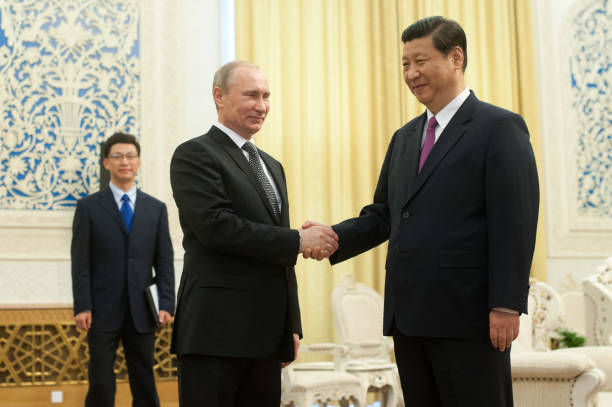
China’s Xi pushes a new global order. As the world watches, China is spearheading efforts to reshape the global order. It’s doing this with the support of key allies, Russia and India. The stage for this significant shift is set at the summit in China. This event is a key moment that shows China’s growing influence in diplomacy.
https://mrpo.pk/?p=13060&preview=true

This move marks a significant shift in global politics. China is at the forefront, driving change and challenging existing power structures. The support from Russia and India shows the growing multipolarity in international relations.
Key Takeaways
- China is pushing for a new global order with the support of Russia and India.
- The SCO summit in China is a crucial platform for China’s diplomatic efforts.
- The event highlights China’s growing influence in global politics.
- Russia and India’s backing underscores the shift towards multipolarity.
- China’s diplomacy is challenging existing global power structures.
The Emerging Multipolar World Order
The world is on the brink of a big change. It’s moving from a single dominant power to a world with many powers. This change introduces new global powers and alters the way countries interact with one another.
China’s Vision for Global Governance
China is leading the way in this new world order. Through groups like the Shanghai Cooperation Organisation (SCO), China wants a more inclusive world. It believes in working together and following the United Nations’ principles.
The SCO started to solve regional security issues. Now, it’s a key place for political and economic cooperation among its members. China’s goal is to build a world where everyone respects each other and works together.
Challenging Western Hegemony
This new world order also means a challenge to Western dominance. As more countries grow stronger, the old Western power is being questioned.
The End of Unipolar Dominance
The move to a multipolar world means the end of one power ruling everything. Now, many countries have a say in global decisions. This is a world where power is spread out, not just in one place.
| Characteristics | Unipolar World | Multipolar World |
|---|---|---|
| Global Influence | Dominated by a single power | Distributed among multiple powers |
| Decision Making | Centralized | More decentralised and collaborative |
| Economic Structure | Often dictated by the dominant power | More diverse, with multiple economic hubs |
The SCO is a great example of this change. It helps its members work together and aims for a fairer world.
Understanding the SCO: A Growing Force in Global Politics
The SCO’s rise shows how global politics is changing. Now, regional groups play a big role.
Origins and Evolution
The Shanghai Cooperation Organisation started in 2001. China, Russia, and others founded it. It began with security, but now covers economics and culture too.
The SCO has grown by changing with the times. This keeps it important in world affairs.
Current Member States and Observer Nations
Today, the SCO has eight members: China, Russia, and others. Iran, Afghanistan, and Belarus watch from the sidelines. They want to join in more.
Core Principles and Strategic Objectives
The SCO values trust, benefit, and equality. It aims to boost security, economy, and culture.
The “Shanghai Spirit” Explained
The “Shanghai Spirit” is the SCO’s heart. It’s about trust, respect, and working together. This spirit helps SCO members face challenges as a team.
| Key Principles | Description |
|---|---|
| Mutual Trust | Building trust among member states through dialogue and cooperation |
| Respect for Diversity | Embracing the diverse cultural, economic, and political backgrounds of member states |
| Cooperation | Fostering collaboration on security, economic, and cultural issues |
The 2025 SCO Summit in China: Key Highlights and Declarations
China’s diplomatic efforts shine at the 2025 SCO Summit. This event is a big moment for regional cooperation. The summit will focus on security, economic plans, and digital economy cooperation.
Summit Agenda and Major Policy Announcements
The 2025 SCO Summit in China will bring major policy changes. These changes will shape the future of regional cooperation. They aim to improve security and boost economic growth.
Key Highlights:
- Enhanced regional security measures
- New economic initiatives to boost trade
- Digital economy cooperation framework
Security Cooperation Agreements and Anti-Terrorism Measures
Security is a top concern for SCO member states. The summit will introduce new security agreements and anti-terrorism steps. These are to fight emerging threats.
| Security Initiative | Description | Expected Outcome |
|---|---|---|
| Joint Military Exercises | Regular exercises to enhance interoperability | Improved regional security |
| Intelligence Sharing | Enhanced cooperation on intelligence | Better counter-terrorism efforts |
| Border Security | Measures to secure borders | Reduced cross-border crimes |
Economic Initiatives and Trade Facilitation Mechanisms
Economic cooperation is a major focus. The summit will explore trade facilitation and economic plans. These aim to increase regional trade and investment.
Digital Economy Cooperation Framework
The digital economy framework is a key part of the summit. It aims to boost digital infrastructure, improve digital literacy, and ease e-commerce.
Key Components:
- Digital infrastructure development
- Digital literacy programs
- E-commerce facilitation
The 2025 SCO Summit in China is a significant event. It will have a big impact on regional cooperation and global diplomacy. The summit’s key highlights and declarations will be watched by nations worldwide.
China-Russia Strategic Partnership: Beyond Convenience
China and Russia’s alliance is more than a simple diplomatic agreement. It’s a strong partnership that’s changing how power is distributed globally. This partnership is growing, driven by shared goals and mutual interests.
Military Cooperation and Joint Defence Exercises
The military ties between China and Russia are getting stronger. They hold regular joint exercises and strategic talks. These efforts boost their military strength and show their commitment to defend each other.
Russian Defence Minister Sergei Shoigu said, “Our joint military exercises are a key element in strengthening our strategic partnership.”
“The level of trust and cooperation between our militaries is unprecedented,” said Chinese Defense Minister Li Shangfu during a recent meeting.
Energy Deals and Economic Integration Efforts
The energy sector is a key area of cooperation. China and Russia have made big deals to boost trade. The Belt and Road Initiative (BRI) has helped make Russia a key partner.
The Siberian Power of Siberia 2 gas pipeline project is a big example. It aims to increase energy supplies from Russia to China.
United Front Against Western Sanctions and Pressure
China and Russia have faced a lot of pressure and sanctions from the West. They have come together to fight these sanctions. They work together to lessen the impact and promote new financial systems.
The “No Limits” Partnership in Practice
The term “no limits” describes the deep partnership between China and Russia. They work together in many areas, like energy, finance, defence, and technology. President Xi Jinping and President Vladimir Putin say their partnership is for the long term, not just for convenience.
This partnership has big implications for global politics, trade, and security. As the world becomes more multipolar, the China-Russia partnership will be key in shaping the future.
India’s Balancing Act: Navigating Complex Geopolitical Waters
India is carefully navigating the complex world of global politics. It aims to balance its own interests while working together with other countries. As a key player in the Shanghai Cooperation Organisation (SCO), India must manage the complex relationships between major powers.
Diplomatic Manoeuvring Between Power Blocs
India is working hard to keep a balance in its relationships. It wants to stay close to Western countries while also strengthening ties with SCO members. Prime Minister Modi has said that India’s foreign policy aims to create a stable and secure region.
“India’s foreign policy is guided by the principles of Panchsheel and the country’s commitment to a multipolar world order.” –
Economic Interests and Trade Opportunities in the SCO Framework
The SCO offers India big chances for trade and economic growth. It’s especially good for energy, infrastructure, and connecting with other countries. By joining, India can explore the huge potential of the Eurasian region.
India-China Border Tensions: Managing Conflicts While Cooperating
Even with ongoing tensions with China, India is sticking to its SCO duties. It’s a tough job to manage these conflicts while still working together in the SCO.
India-Pakistan Relations Within the SCO Context
India-Pakistan relations are tricky within the SCO. The organisation is a chance for the two countries to talk and work together. Even with high tensions, the SCO offers chances for cooperation on things like fighting terrorism and keeping the region safe.
De-Dollarisation Efforts: Reshaping the Global Financial Architecture
Countries are looking for alternatives to the US dollar. This is a big change in how money moves around the world. They want to use less of one currency and avoid US economic sanctions.

Alternative Payment Systems and Financial Messaging Networks
New payment systems and networks are key to de-dollarisation. China’s CIPS and Russia’s SPFS are examples. They aim to compete with the US’s SWIFT network.
Key features of these systems include:
- Enhanced security and reliability
- Reduced transaction costs
- Increased efficiency in cross-border transactions
Local Currency Settlements and Bilateral Swap Arrangements
Using local currencies for trade is another big step. This makes the US dollar less necessary.
Central banks are also making deals with each other. This lets countries get money when they need it, without the US dollar.
The Rise of Digital Currencies and Central Bank Initiatives
Digital currencies are speeding up de-dollarisation. Central banks are working on digital currencies. They want to make money easier to use and less dependent on old ways.
Impact on Global Trade Patterns
De-dollarisation will change how countries trade with each other. Using different payment systems and local currencies will make trade more varied. It will also make countries less dependent on the US dollar.
Potential outcomes include:
- Reduced transaction costs for international trade
- Increased financial autonomy for countries
- A more multipolar global financial architecture
Western Responses to the Emerging Eastern Bloc
The rise of the Eastern bloc, led by China and Russia, has led to a big response from the West. The SCO and BRICS are becoming more important. This makes the West rethink its global political strategies.
US Strategic Countermeasures and Diplomatic Initiatives
The United States is taking a multifaceted approach to counter the Eastern Bloc’s growing influence. It’s strengthening alliances, boosting military presence in key areas, and working on diplomacy. The goal is to support a fair international order.
European Perspectives and Policy Adjustments
European countries are also looking at their policies towards the SCO and BRICS. Some want to keep a balance between the West and the Eastern Bloc. Others see chances for economic cooperation.
NATO’s Evolving Approach to Eastern Challenges
NATO is changing its strategies to face the Eastern bloc’s challenges. It’s improving defence, working better with allies, and talking to manage tensions.
Economic and Technological Competition
A big part of the West’s response is economic and technological competition. The West aims to keep its tech lead, encourage innovation, and make its economy strong.
| Western Countermeasures | Description | Impact |
|---|---|---|
| Strengthening Alliances | Enhancing cooperation among Western allies | Increased diplomatic and military coordination |
| Economic Sanctions | Imposing sanctions on key Eastern Bloc entities | Economic pressure on targeted nations |
| Technological Innovation | Promoting technological advancements | Maintaining a competitive edge in global politics |
The West’s responses to the Eastern bloc show a mix of strategies, diplomacy, and economic competition. As the world changes, it’s key to understand these moves. This will help us navigate the future of global politics.
Central Asia: The New Geopolitical Chessboard
Global powers are shifting, and Central Asia is right in the middle. This area, made up of five former Soviet republics, is seeing a mix of interests from big players worldwide.
Belt and Road Initiative Reshaping Regional Infrastructure
China’s Belt and Road Initiative (BRI) is changing Central Asia’s infrastructure. It’s investing in roads, energy, and more. This has boosted the economy and increased China’s role.

Russia’s Traditional Sphere of Influence and Adaptation Strategies
Russia has long been a big player in Central Asia. But with China’s BRI, Russia is finding new ways to stay strong. It’s focusing on economic and security ties through groups like the Eurasian Economic Union (EEU) and the Collective Security Treaty Organisation (CSTO).
Competition for Natural Resources and Strategic Transit Routes
Central Asia is full of valuable resources like oil, gas, and minerals. Its location is also key for trade between Europe and Asia. This has sparked a race among global powers to get access to these resources and routes.
Central Asian Nations’ Sovereignty Concerns
As big powers fight for influence, Central Asian countries worry about keeping their freedom. They’re working with many partners, diversifying their economies, and teaming up regionally. This is to protect their independence and safety.
Conclusion: Implications for the Future World Order
The SCO summit has been a big step in the world’s shift towards a multipolar order. China, Russia, and India are leading the way. This change will deeply affect global politics.
The SCO’s growing power and stronger ties among its members could change how power is distributed worldwide. This might lead to new trade paths and economic plans. These could challenge the old financial systems led by the West.
As the world changes, it’s key to understand this new multipolar world. The future will depend on how big powers like China, Russia, and India work together. The SCO will play a big role in this.
Watching how global politics and the economy are changing is important. Nations and global groups need to be ready to adapt.
FAQ
What is the Shanghai Cooperation Organisation (SCO)?
The Shanghai Cooperation Organisation is a group of countries in Eurasia. It includes China, Russia, India, and Pakistan. They work together to improve regional cooperation and stability.
What is the significance of the 2025 SCO Summit in China?
The 2025 SCO Summit in China is important. It brings leaders together to talk about security, the economy, and fighting terrorism. This shapes the SCO’s future and its role in world politics.
What is de-dollarisation, and how does it relate to the SCO?
De-dollarisation means reducing the US dollar’s role in global trade and finance. SCO countries are working on new payment systems. This supports the trend of de-dollarisation.
How does the SCO impact India-Pakistan relations?
The SCO helps India and Pakistan talk and work together on security issues. This promotes stability in the region, despite their differences.
What is the “Shanghai Spirit”?
The “Shanghai Spirit” are the SCO’s core value. They include trust, benefit, equality, and respect for cultures. These values guide the SCO’s cooperation and decisions.
How does China’s Belt and Road Initiative (BRI) relate to the SCO?
China’s BRI is a key part of the SCO’s economic goals. It aims to improve infrastructure, trade, and investment. This promotes economic integration among SCO countries.
What are the implications of the SCO’s growing influence for global politics?
The SCO’s growing influence shows a shift towards a multipolar world. Regional groups and non-Western powers are becoming more important. This could challenge the current global order.
How does the SCO address security concerns in Central Asia?
The SCO works on security in Central Asia through counter-terrorism and border security. It also focuses on stability and economic growth in the region.
What is the role of BRICS in the emerging multipolar world order?
BRICS, a group of emerging economies, plays a big role. It promotes alternative economic governance and cooperation. BRICS often works with the SCO to challenge the Western-dominated global order.