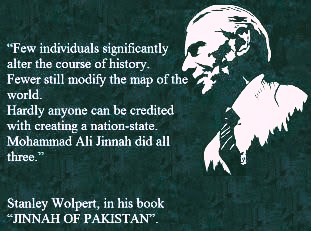
Baba-E-Qaum Quaid-E-Azam Muhammad Ali Jinnah
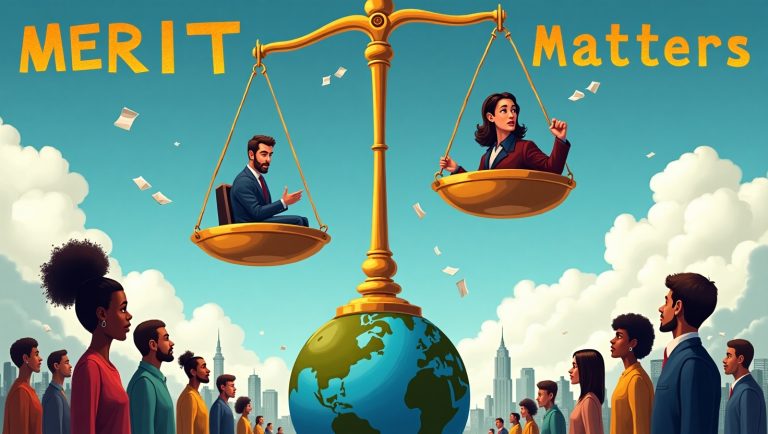
Merit Matters: Role, Challenges, and Consequences in Governance Introduction Merit, the principle of rewarding individuals based on their qualifications, skills, and achievements, is essential for fair governance, institutional efficiency, and social equity. When merit systems weaken or collapse, especially in…

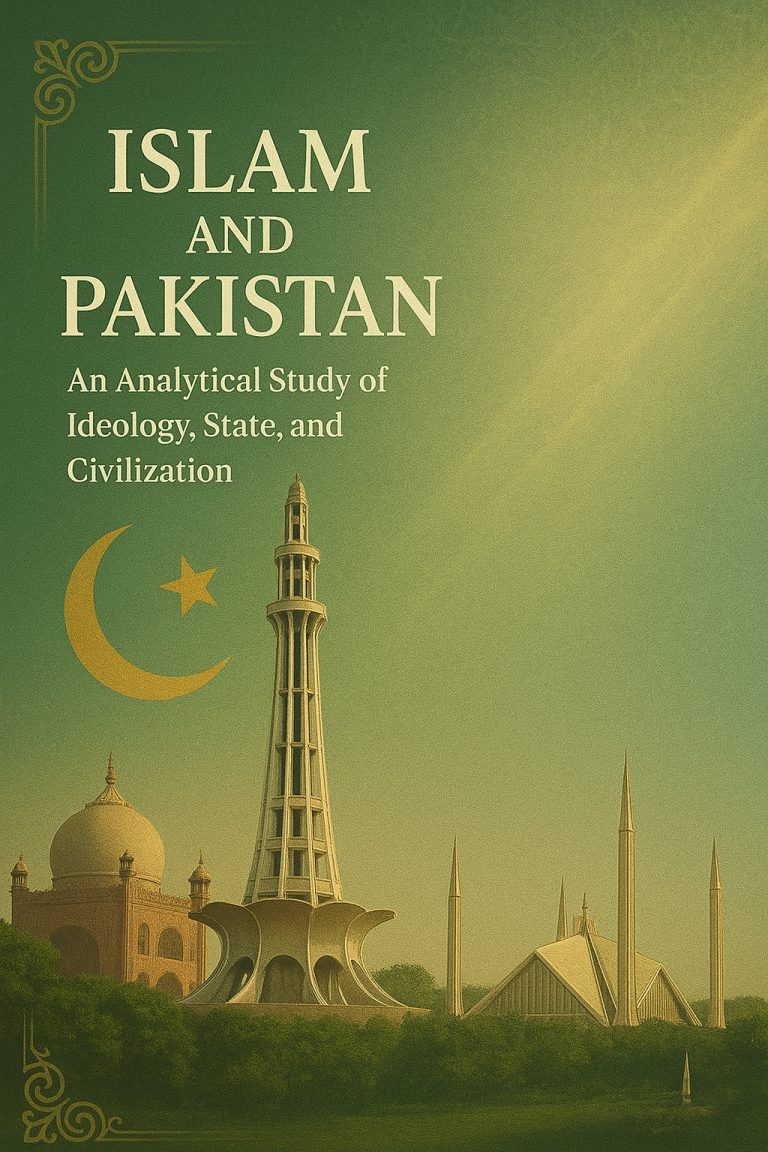
This book, written in Urdu, explores the deep interconnection between Islamic ideology, the creation of Pakistan, and the cultural-civilizational challenges faced by the nation today. It examines the foundations of Islam as a complete way of life, Pakistan’s ideological background, the role of Islam in the Constitution and state-building, as well as the cultural struggles in modern society. The work concludes with results and practical recommendations, highlighting the urgent need for a committed and trained group—similar to the early Makkan phase of Islam—to carry forward the mission of building a truly Islamic state and society.
