پاکستان میں ذہنی صحت: 5 مسائل جن پر کوئی بات نہیں کرتا
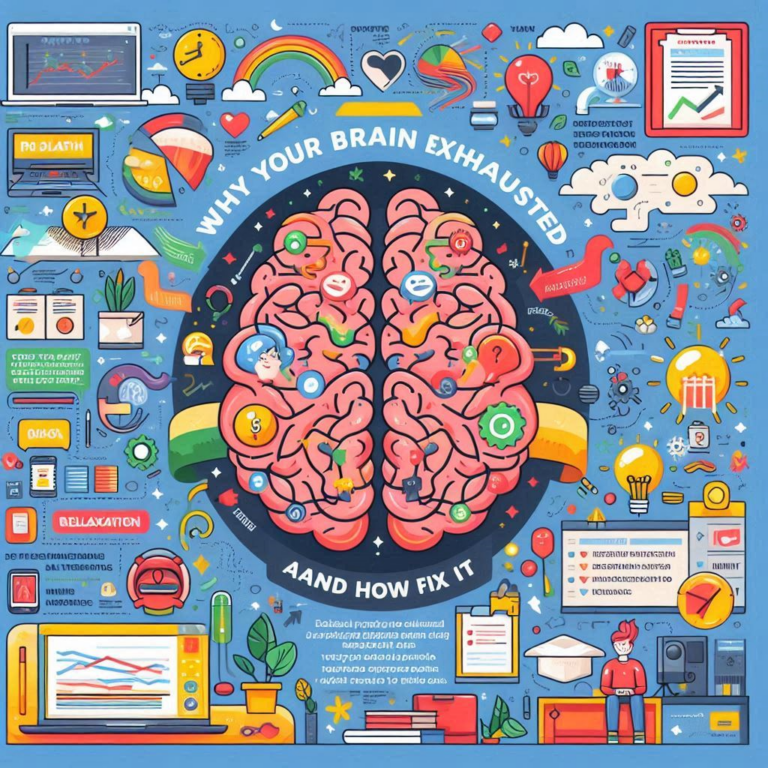
In this guide, we will explore why your emotional battery is at one per cent, the science behind why your brain feels "frozen," and the small household shifts that will start your recovery today.



The Punjab Enforcement and Recovery Authority (PERA) was introduced to streamline land recovery, revenue regulation, and administrative enforcement. While its mandate appears reformist, its unchecked powers, political vulnerability, and potential for misuse risk turning it into an institutionalized tool of coercion—an official version of Gullu Butt—undermining justice and trust in governance.
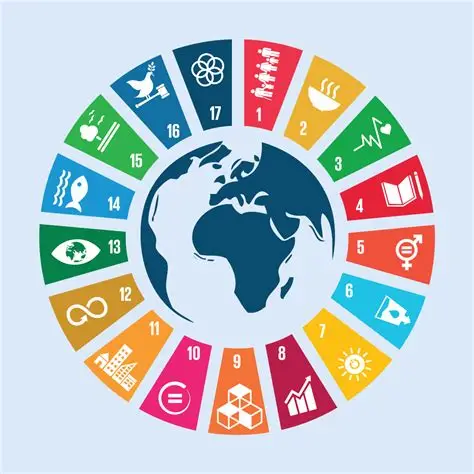
This finale concludes our SDG 1–17 research series by synthesizing global insights, Pakistan’s unique challenges, and Islamic ethical principles. It calls for policy coherence, localization, and accountability as the only path from aspiration to genuine sustainable development.