Whole Health: Healing the Whole Person_ Mind, Body, Heart, and Life
Updated: Feb,2026
We often think of health as “fixing one thing that’s wrong.”
But what if real healing isn’t about treating problems in isolation?
What if true health means supporting every part of you, together?
https://mrpo.pk/sufi-meditation-and-modern-science/

That’s the heart of Whole Health, a person-centred, evidence-informed approach that sees you as a complete human being, not just a collection of symptoms.
- This article takes you through:
- What Whole Health really means
Where did the idea come from?
How modern science supports it
How can you practice it in daily life, even with simple things at home
“2026 Horizons: The Global Shift in Whole Person Health”

1. The Metabolic Bridge: Beyond the Scale
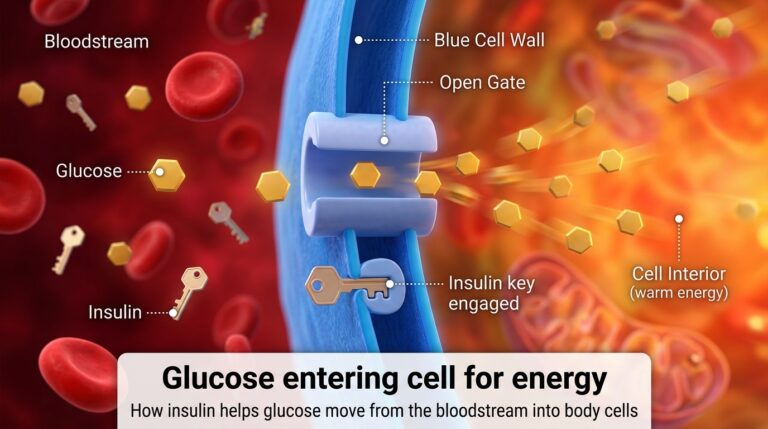
In the US and Europe, 2026 has become the year of “Metabolic Integrity.” With the widespread use of GLP-1 medications, the conversation has shifted from simple weight loss to preserving the whole person.
-
The Trend: “GLP-1 Friendly” lifestyles focus on high-protein intake and resistance training to prevent muscle loss, ensuring that biological health isn’t sacrificed for a lower number on the scale.
-
WPH Insight: Medical intervention is now being paired with “Food as Medicine” to ensure long-term metabolic health.
2. The ‘Over-Optimisation’ Backlash
After years of tracking every heartbeat and glucose spike, the Western population are experiencing “Data Fatigue.”
-
The Trend: A move toward Somatic Wellness. Instead of asking an app if they slept well, people are returning to “Intuitive Health”, learning to read their body’s internal signals (Interoception).
-
WPH Insight: Behavioural health in 2026 is less about measuring and more about feeling, prioritising nervous system regulation through “Scream Circles,” cold plunges, and digital detoxes.
3. Neuro-Wellness: The New Frontier of Mental Health
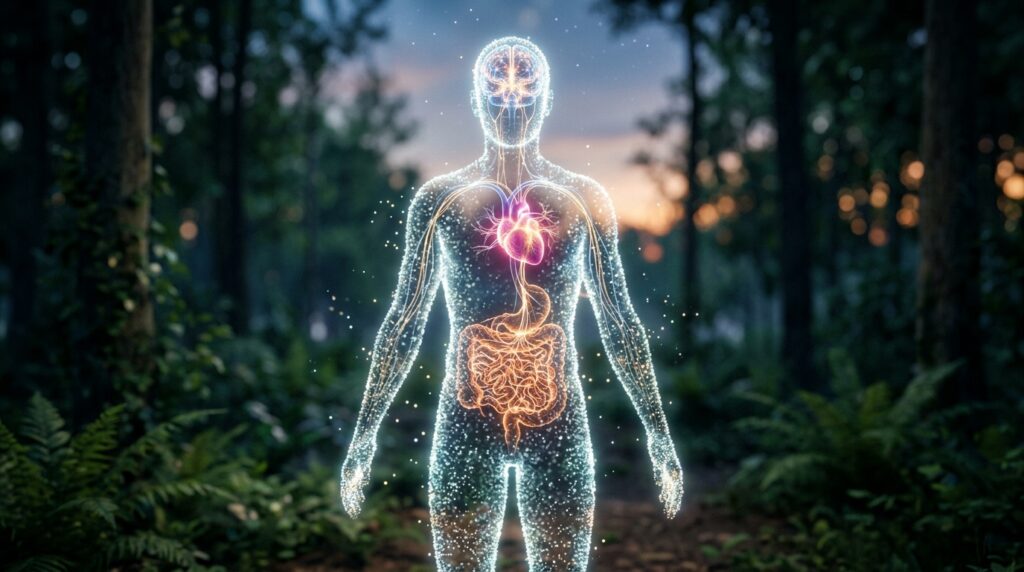
Mental health is no longer a separate pillar; it is being treated as Brain Health. * The Trend: The rise of “Neurowellness” tools, vagus nerve stimulators and EEG-guided meditation, that treat the physical brain to heal the mind.
-
WPH Insight: This bridges the gap between the Biological (brain chemistry) and the Behavioural (stress management), proving that a calm mind is a physiological state, not just a psychological one.
What is Whole Person Healthcare and Why Is It Important?
By addressing these interconnected aspects of health, whole person healthcare aims to achieve better outcomes and enhance the quality of life for patients. Instead of treating a specific disease, whole health practitioners focus on restoring health, promoting resilience, and preventing diseases across a person’s lifespan.
https://www.stkate.edu/blog/What-is-Whole-Person-Healthcare-and-Why-Is-It-Important
What Is Whole Health?

Whole Health is an integrative approach that promotes well-being through balance, connection, and daily choices that support the body, mind, emotions, and life environment.
Instead of asking:
“What’s wrong with you?”
Whole Health asks:
“What matters to you?”
It then builds a plan based on that, not just treating symptoms, but nurturing you.
The Origins: Where Whole Health Came From
The idea of treating the “whole person” isn’t new.
Many traditional healing systems, from Ayurveda to Traditional Chinese Medicine to Sufi spiritual practices, have always been holistic in principle.
But the modern concept of “Whole Health” has been more formally developed over the last 50 years, especially in:
1. Integrative Medicine
In the 1970s–80s, Western medicine began recognising that:
- Drugs help with symptoms
- Lifestyle and emotion shape long-term health
Institutions like the National Institutes of Health (NIH) and the World Health Organisation (WHO) began promoting integrative models that include:
- Nutrition
- Movement
- Stress management
- Emotional health
- Social connection
2. The VA Whole Health System
One of the most influential modern models comes from the U.S. Department of Veterans Affairs (VA), which introduced a structured Whole Health system centred on:
- What matters most to you?
- What supports your daily well-being?
- How can your daily life help your healing?
This wasn’t designed for veterans alone; it became a framework for anyone wanting a more human and complete approach to health.
Why Whole Health Matters Today
We live in a world that:
- Treats stress like a symptom
- Separates mental health from physical health
- Prioritises pills over habits
- Ignores the person behind the problem
But research now shows:
- Chronic stress drives disease
- Poor sleep affects cognition
- Loneliness raises mortality risk
- Purpose improves resilience
Whole Health tackles the cause, not just the effect.
The Core Elements of Whole Health

Whole Health isn’t a rigid formula. It’s flexible, personal, and practical.
1. Physical Well-Being
Your body needs:
- Nourishing food
- Restful sleep
- Regular movement
- Hydration
You don’t need fancy gear, just consistency.
Example:
Stretching in the morning or walking for 10 minutes a day can lower stress and improve mood.
2. Mental & Emotional Health
This includes:
- Stress management
- Emotional awareness
- Resilience
- Self-compassion
Tools can be therapy, journaling, meditation, or simple reflection.
Example:
Journaling 3 things you’re grateful for at night boosts mood and reduces anxiety.
3. Social & Relationship Health
Human connection is not optional; it’s biological.
Supportive relationships:
- Reduce stress hormones
- Improve immunity
- Enhance resilience
Example:
A phone call with a friend or family member can calm the nervous system just as therapy does.
4. Purpose & Personal Meaning
Purpose isn’t only for spiritual teachers.
It’s for everyone.
Purpose provides:
- Direction
- Motivation
- Emotional stability
Example:
Helping someone, mentoring, teaching your child, or even caring for a plant purpose shows up in small ways.
5. Mind-Body Practices
These include:
- Meditation
- Slow breathing
- Mindfulness
- Prayer
- Conscious movement
These calm the nervous system and support emotional regulation.

Where Simple Household Items Fit In
Whole Health doesn’t require expensive tools.
Your everyday surroundings can become your health allies.
Here are ways common household items can support your well-being:
Plants
Indoor plants:
- Reduce stress hormones
- Clean the air
- Give visual calm
Even a small money plant or succulent can make your space feel softer.
A Clean Water Bottle
Hydration affects:
- Mood
- Cognition
- Energy
- Digestion
Most people mistake dehydration for fatigue or anxiety.
Keeping water accessible supports your body quietly all day.
Warm Tea or Infusion
Warm liquids trigger the parasympathetic nervous system (the relaxation side of your body).
Chamomile or mint can lower tension.
Soft Blankets & Lighting
Soft textures and warm lighting signal safety to the nervous system.
Swap harsh bulbs for warm lamps at night; your brain interprets this as “nighttime, calm, rest.”
A Notebook
Writing down tomorrow’s tasks before bed:
- Frees your mind
- Reduces night anxiety
- Improves sleep quality
It’s a physical download of mental clutter.
Daily Habits That Support Whole Health
Here are small, doable habits anyone can start today:
✔ Morning sunlight exposure
✔ 5-minute breathing practices
✔ One mindful meal a day
✔ Phone-free evenings
✔ Saying no when needed
✔ Going to bed 30 minutes earlier
✔ Physical movement every day
✔ One kind act for someone else
These aren’t tasks; they are signals to your nervous system that life is safe, steady, and worth showing up for.
How Whole Health Connects Body and Mind
When we separate physical health from mental well-being,
We create:
- Burnout
- Emotional numbness
- Chronic anxiety
- Fatigue that sleep can’t fix
Whole Health stitches the two back together.
For example:
- Poor sleep affects mood
- Loneliness affects the immune system
- Purpose affects stress resilience
One system — one life — not two separate problems.
How Whole Health Supports Mental Health
In mental health specifically, Whole Health:
- Reduces anxiety by calming the nervous system
- Lowers depression risk by strengthening support systems
- Improves focus and cognitive resilience
- Provides a flexible path, not a rigid “fix”
It meets people where they actually live
not in a clinical box.
Whole Health Isn’t a Destination
It’s a practice.
Not perfection.
Not instant transformation.
Not one magic trick.
It is:
- Slow
- Steady
- Adaptive
- Personal
Healing happens not by erasing pain,
but by creating support systems that outlast it.
A Simple Daily Whole Health Checklist
Morning:
☑ 10 minutes of sunlight
☑ Water first thing
☑ Stretch or walk
Afternoon:
☑ Deep breaths
☑ One mindful meal
☑ Short social contact
Evening:
☑ Phone away before bed
☑ Warm drink
☑ Journaling or reflection
Closing Thought
Whole Health doesn’t separate you from your life to fix you.
It uses your life to support you.
You are not a set of symptoms.
You are a world of connections, patterns, relationships, and stories.
Whole Health helps all of them thrive together.
How Whole Health Entered Modern Institutions
The Role of Alice Walton in Whole Health
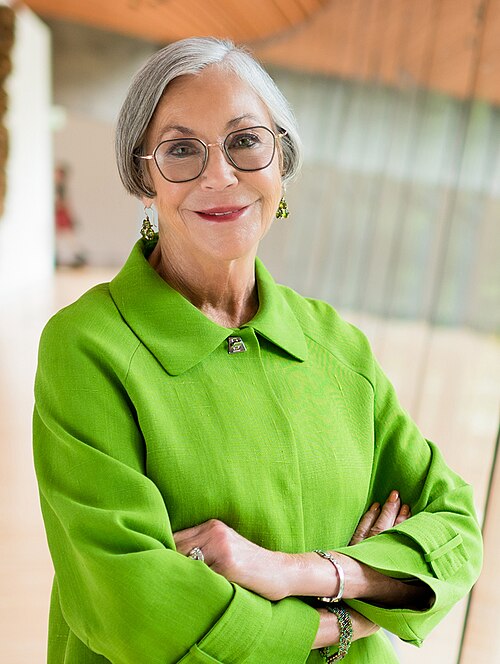
Alice Walton, philanthropist and founder of the Alice L. Walton Foundation, has been one of the most influential modern advocates for Whole Health as a lived, community-centred concept, rather than just a clinical model.
While she did not invent the Whole Health framework, her work has helped expand and humanise it by emphasising that healing does not happen only in hospitals.
How Alice Walton Advanced the Whole Health Vision
1. Reframing Health Beyond Hospitals
Alice Walton strongly promotes the idea that:
Health is shaped by environment, culture, creativity, and access not only by medical treatment.
Her initiatives emphasise:
- Prevention over crisis care
- Lifestyle and environment as health drivers
- Emotional and mental well-being alongside physical health
This aligns directly with Whole Health principles.
2. Integrating Art into Healing
One of her most unique contributions is highlighting art as a health resource.
Research increasingly shows that:
- Art exposure reduces stress hormones
- Creative engagement improves mental resilience
- Visual beauty calms the nervous system
Through the Crystal Bridges Museum of American Art and related programs, Walton supports:
- Art therapy initiatives
- Community access to creative spaces
- Healing through aesthetic experience
This supports Whole Health’s belief that mental well-being is shaped by daily surroundings.
3. Founding the Alice L. Walton School of Medicine
In 2021, Walton announced the Alice L. Walton School of Medicine in Bentonville, Arkansas, explicitly designed around:
- Preventive care
- Whole-person medicine
- Nutrition, movement, mental health, and community engagement
Key features include:
- Integrative medicine training
- Emphasis on lifestyle-based healing
- Education that treats patients as people, not cases
This institutionalises Whole Health thinking into medical education itself.
4. Emphasis on Nutrition, Movement, and Daily Habits
Walton’s foundation heavily supports:
- Nutrition education
- Physical activity initiatives
- Access to healthy food
- Walkable, community-based environments
These are core pillars of Whole Health, recognising that:
What people eat, how they move, and where they live matter more than prescriptions alone.
5. Focus on Community-Level Healing
Unlike traditional healthcare models focused on individual treatment, Walton’s work looks at:
- Community well-being
- Environmental design
- Cultural inclusion
- Equity in access to health-supporting resources
This reflects the Whole Health belief that:
Individual health cannot be separated from societal health.
What Alice Walton Did Not Do (Important Clarity)
To maintain credibility:
- She did not create the original Whole Health model
- She is not the founder of the VA Whole Health System
- She does not position Whole Health as an alternative to medical care
Instead, her contribution is the expansion, integration, and normalisation of Whole Health principles in modern society.
Why Her Role Matters Today
Alice Walton’s work matters because it:
- Makes Whole Health accessible and practical
- Moves it beyond clinical language
- Validates the role of beauty, creativity, and daily life in healing
- Encourages prevention instead of reaction
She helps answer a critical modern question:
How do we build lives that support health before illness begins?
A Closing Line
“Whole Health is not just about medicine it is about how we live, create, move, and connect. Alice Walton’s work reminds us that healing often begins long before we enter a clinic.”