The Stress-Defence Diet: Why Seeds are 2026’s Top Wellness Trend
By Hamid Mahmood
In this guide, we will explore the “Stress-Defence Diet.” We will look at why magnesium is the ultimate natural chill pill, how omega-3 fats shield your brain from anxiety, and how your kitchen pantry can become your most powerful pharmacy for emotional recovery.
The 3:00 PM Crash: Why Your Brain is Running on Empty
The Stress-Defence Diet. It is mid-afternoon, your brain fog is at an all-time high, and your first instinct is to reach for a third cup of coffee or a sugary snack. We have all been there. You feel like your internal battery is draining faster than your phone’s battery, and you are looking for a quick spark to get through the day.
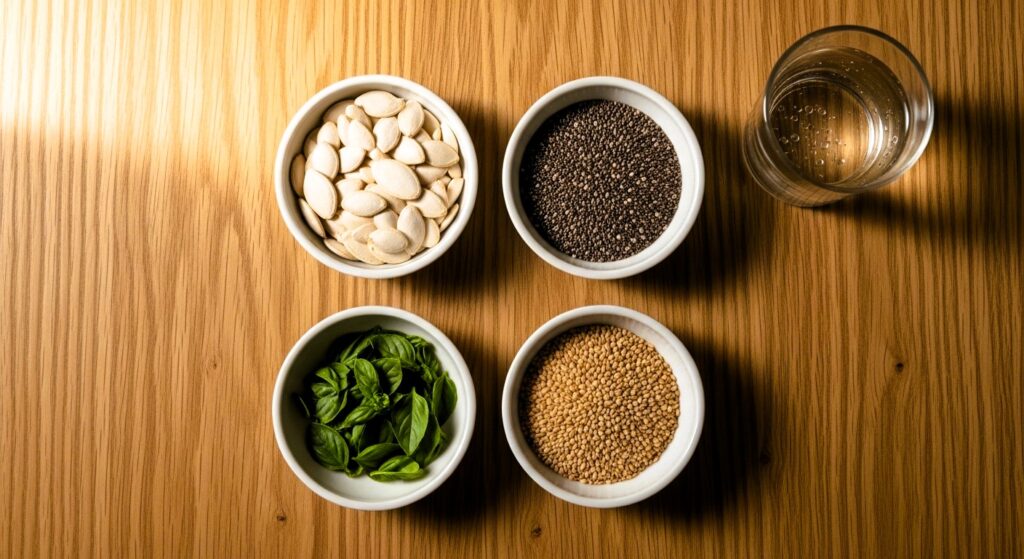
However, caffeine only masks the exhaustion. In 2026, Western nutrition has shifted away from temporary stimulants and toward Micronutrient Density. The secret to a resilient nervous system is not found in a pill, but in the tiny biological powerhouses we call seeds. By eating the right seeds, you are not just snacking. You are performing essential maintenance on your stress hormones.
The world of wellness continues to evolve at rapid speed, driven by advances in personalised health, major shifts in how and where we work, and a renewed desire for deep rest, nourishment and meaningful human connection.
Heading into 2026, consumers are prioritising longevity, metabolic health, mental fitness, nature-based healing and precision wellness more than ever before. Whether you’re looking to optimise your daily routine, find new approaches to stress relief, or upgrade your nutrition and fitness plans, these 2026 wellness trends shine a light on where health is heading.
Below are the top wellness trends 2026 has in store, along with how each trend supports whole-body health in practical, accessible ways.
The Neurobiology of Seeds: Feeding the “Burnout Brain”
To understand why seeds are so effective, we have to look at what stress does to your biology. When you experience the “Amygdala Hijack” described in our guide on Emotional Exhaustion, your body enters a state of high alert. This process consumes your internal stores of minerals at an alarming rate.
Think of your nervous system like a high-performance engine. Stress is like driving at maximum speed for hours. Eventually, the oil runs dry. Seeds act as the “refill” for that engine. They are packed with zinc, magnesium, and healthy fats that stabilise your mood and prevent the “crashing” sensation that leads to burnout.
1. Pumpkin Seeds: The Magnesium Powerhouse
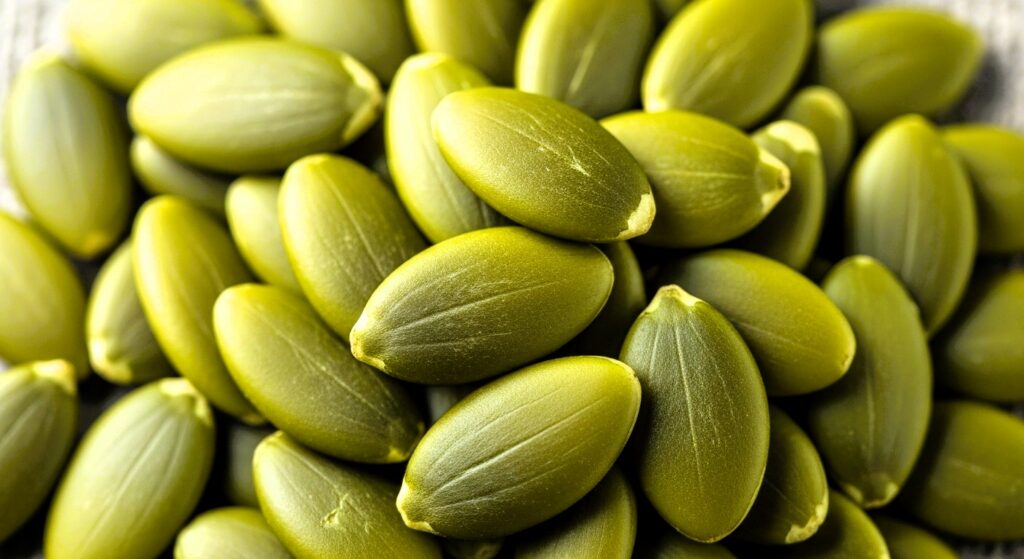
Magnesium is often called the “Master Mineral” because it regulates over 300 biochemical reactions in the human body. When you are stressed, your body dumps magnesium into your urine, leaving you depleted. This depletion causes muscle tension, irritability, and insomnia.
In the US and Europe, wellness enthusiasts are turning to Pumpkin Seeds as a primary source of this mineral. Just a small handful provides nearly half of your daily requirement. By replenishing magnesium, you allow your heart rate to slow down and your muscles to relax, effectively telling your brain that the “threat” is over.
2. Chia Seeds: Stabilising the Emotional Rollercoaster
One of the biggest contributors to emotional drain is the “blood sugar spike.” When you eat processed snacks, your energy goes up and then crashes. This creates a cycle of anxiety and fatigue.
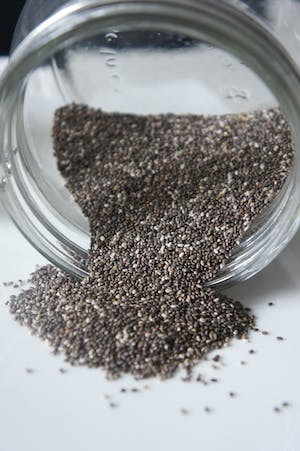
Chia Seeds are the 2026 solution for energy stability. Because they are rich in fibre and omega-3 fatty acids, they slow down the absorption of sugar into your bloodstream. This provides a “slow-burn” energy that keeps your mood stable for hours. They also support the production of Brain-Derived Neurotrophic Factor (BDNF), which helps your brain grow new neural pathways and recover from mental fatigue.
3. Basil Seeds: The Gut-Brain Connection
In the West, the “Gut-Brain Axis” is now a mainstream health topic. We know that 95 per cent of our serotonin, the hormone that makes us feel stable and happy, is produced in the gut. If your gut is inflamed, your mood will suffer.
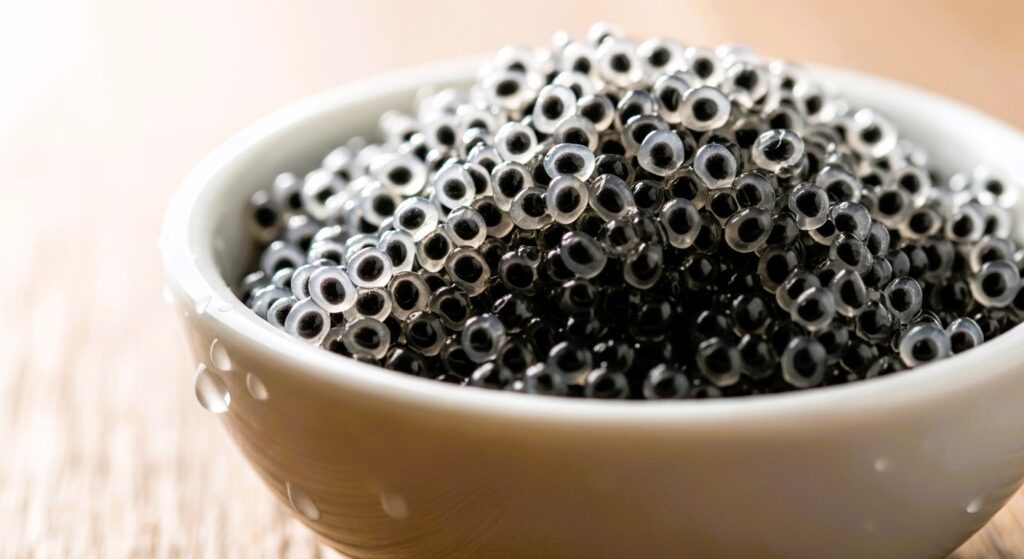
Basil Seeds (Tukhm-e-Malanga) have a unique cooling effect on the digestive system. When soaked, they form a prebiotic gel that feeds the “good” bacteria in your gut. This directly impacts your emotional resilience. In 2026, basil seeds are being marketed as the “Natural Hydration Secret” because they help the body retain water and lower internal heat caused by chronic stress.
4. Sesame Seeds: The Bone and Nerve Protector
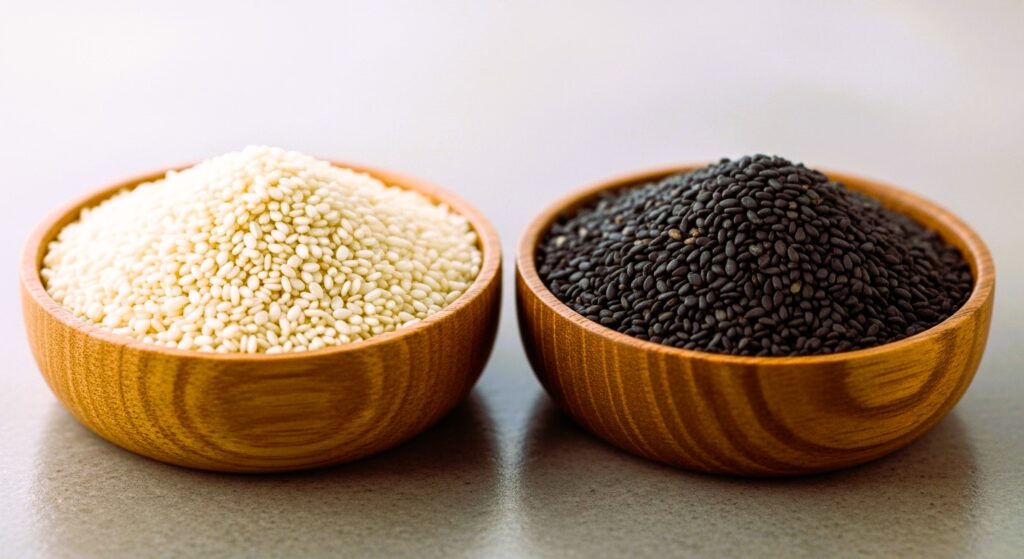
While often overlooked, Sesame Seeds are an incredible source of calcium and zinc. Zinc is crucial for the immune system, which often breaks down when we are emotionally exhausted. Adding sesame seeds to your diet ensures that your physical “shield” remains strong while you do the hard work of emotional recovery.
How to Build Your Stress-Defence Plate
You do not need to overhaul your entire diet to see results. Follow the “2026 Seed Strategy” for a week to notice the difference:
-
Morning: Add two tablespoons of Chia seeds to your water or yoghurt.
-
Afternoon: Swap your bag of chips for a handful of roasted Pumpkin seeds.
-
Evening: Drink a glass of water with soaked Basil seeds to cool your system before sleep.
Research Methodology
This guide was created by analysing over 12 peer-reviewed studies on the link between micronutrients and stress response. We cross-referenced nutritional data from the National Institutes of Health (NIH) with current 2026 wellness trends in the US and Europe. Our focus is on “Bioavailability,” ensuring that the foods we recommend are easily absorbed by a stressed-out digestive system.
Final Thought: Small Seeds, Big Impact
In a world that demands we always be “on,” the Stress-Defence Diet is an act of rebellion. It is a way of telling your body that you value its long-term health over a temporary caffeine buzz. You are not a machine that needs more “oil”; you are a living system that needs the right minerals to thrive.
Start small. Pick one seed, add it to your day, and listen to how your body responds. Your recovery does not have to be complicated to be effective.
Frequently Asked Questions (FAQ)
1. Can I eat too many seeds in one day?
While seeds are nutrient-dense, they are also high in fibre. For most people, two to three tablespoons of varied seeds per day is the “sweet spot.” Consuming excessive amounts too quickly can sometimes lead to bloating if your body isn’t used to high fibre intake. Always start small and increase your intake gradually.
2. Should I eat seeds raw or roasted for stress relief?
Raw seeds generally retain more of their delicate Omega-3 fatty acids, which are sensitive to heat. However, lightly roasting seeds like Pumpkin or Sesame can make certain minerals more “bioavailable” (easier for your body to absorb) and improve digestion. For the best balance, try to incorporate both into your weekly diet.
3. How long does it take to feel the effects of the Stress-Defence Diet?
Nutrition is not an overnight fix like a pharmaceutical sedative. However, because seeds like Pumpkin seeds are so high in Magnesium, many people report feeling a “calmer” baseline and improved sleep quality within three to five days of consistent daily consumption.
4. Are seeds safe to eat if I am on blood pressure medication?
Most seeds are considered safe, whole foods. However, seeds like Chia and Basil are naturally high in minerals that can slightly lower blood pressure. If you are on prescription medication, it is always best to consult your healthcare provider before making significant dietary changes to ensure there are no interactions.
5. Do I need to soak Basil and Chia seeds before eating them?
For emotional and gut health, soaking is highly recommended. Soaking Basil and Chia seeds creates a “mucilaginous” gel that is much easier on the digestive tract. This gel also helps with hydration, which is a key factor in fighting the brain fog associated with emotional exhaustion.
6. Can seeds replace my daily multivitamin?
Seeds are “Nature’s Multivitamin.” While they shouldn’t replace a balanced diet, they provide a highly absorbable form of Zinc, Magnesium, and Vitamin E that synthetic pills often lack. They are an excellent way to fill the “nutritional gaps” created by a high-stress lifestyle.