
The New Preparedness Era: Why Western Governments Want Citizens Ready for Disruption
The New Preparedness Era: Why are Western governments urging emergency preparedness? Explore Europe’s 72-hour rule, hybrid warfare, cyberattacks and infrastructure risks.
https://mrpo.pk/the-digital-dependency-trap/

Something important is changing in the security policies of Western governments. Across Europe and North America, authorities are increasingly asking citizens to prepare for emergencies that could interrupt electricity, drinking water, telecommunications, banking, transport and food supplies. These are no longer recommendations reserved for people living near conflict zones or areas vulnerable to natural disasters.
In October 2026, Britain launched an updated national preparedness campaign. European leaders have repeatedly warned about sabotage, airspace violations and attacks against critical infrastructure. In November, the European Union renewed attention to household emergency preparedness, while NATO continued discussions about protecting essential infrastructure against hybrid threats.
On November 25, 2026, another development emerged in the United States. The Treasury Department confirmed that its Financial Crimes Enforcement Network (FinCEN) had taken certain systems offline following unauthorised access to a limited number of its systems.
Individually, these developments do not establish that a major war or coordinated attack is approaching. Collectively, however, they illustrate why governments are reconsidering how societies function when essential services become unavailable.
The central question is no longer simply whether a country has sufficient military strength to defend its territory. It is whether its population, infrastructure and essential institutions can continue functioning when normal systems stop working.
This investigation examines the evidence, the emerging threats and what ordinary households should understand about the changing security environment.
1. The 72-Hour Rule: What Governments Are Actually Telling Citizens
One of the most noticeable developments in recent European security planning is the growing emphasis on household preparedness. Governments are asking people to maintain basic supplies so they can manage independently during the initial stages of an emergency.
However, the recommended preparation periods differ considerably. There is no single international standard requiring every Western household to survive for 10 days.
European Union: Preparing for 72 Hours Without Assistance
In March 2025, the European Commission introduced its Preparedness Union Strategy. One of its central recommendations was that European households should be capable of managing independently for at least 72 hours during an emergency. The reasoning is straightforward.
During a major disaster, emergency services may become overwhelmed. Electricity, communications and transportation could be interrupted simultaneously. Rescue operations may need to prioritise hospitals, vulnerable populations and essential infrastructure.
A household that can manage its immediate needs for three days reduces pressure on emergency responders. The recommendation is not a declaration that Europe expects war within a particular period.
It is a practical civil protection measure covering several possibilities, including extreme weather, industrial accidents, cyber incidents and armed conflict.
More recent reporting in November 2026 has again highlighted the EU’s emphasis on household preparedness. The guidance remains non-binding, leaving individual member states responsible for implementation. euronews
Britain: A New Preparedness Campaign in October 2026
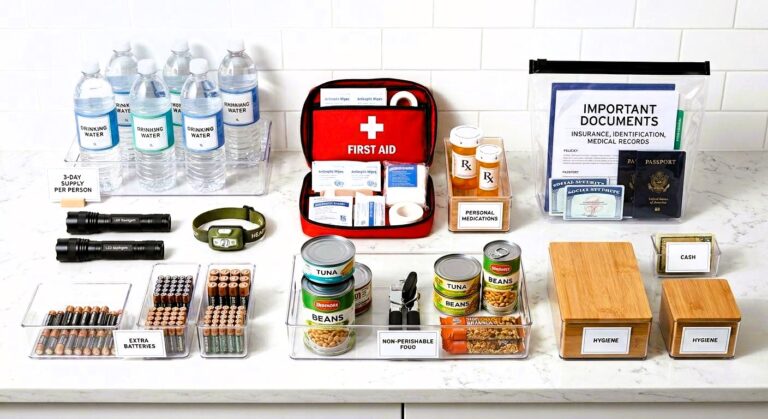
Britain has taken another step. On October 22, 2026, the Cabinet Office published updated emergency preparedness advice under its Be Ready campaign. The campaign encourages households to prepare for three days of disruption. Its recommendations include:
- Drinking water.
- Non-perishable food.
- Torches and spare batteries.
- Battery-powered or wind-up radios.
- Charged power banks.
- Essential medicines.
- Warm clothing and blankets.
- Cash and important documents.
- Emergency contact information.
The British government specifically explains that emergencies can disrupt electricity, water, mobile phones and internet services. Importantly, it encourages people to build their supplies gradually rather than purchasing everything immediately.
The campaign is part of a three-year programme intended to improve household preparedness. GOV.UK
This is a significant development because it demonstrates that civilian preparedness is becoming a sustained public policy rather than a temporary reaction to an individual emergency.
Germany: The Ten-Day Recommendation
Germany has traditionally recommended that households maintain enough supplies to manage for approximately 10 days. The Federal Office of Civil Protection and Disaster Assistance (BBK) recommends maintaining emergency food and water supplies, medicines, hygiene products, lighting and communication equipment.
The German recommendation is more extensive than the EU’s general 72-hour target. However, the two recommendations should not be confused.
The EU’s 72-hour recommendation is a common minimum preparedness objective, while Germany’s longer recommendation reflects its national civil protection planning. Germany has also been strengthening its military preparedness and reviewing its civil protection infrastructure.
The country introduced a new military service framework in 2025, including registration and questionnaires for young men. This is a separate development from household emergency preparedness.
Sweden, Norway and Other European Countries
Sweden’s November 2024 edition of If Crisis or War Comes was distributed to millions of households. It explains how citizens should respond to military conflict, power failures, telecommunications disruptions and other emergencies.
Norway recommends maintaining household supplies for approximately one week.
Finland has its established 72-hour preparedness programme, encouraging households to maintain essential supplies and know how to respond when normal services are interrupted.
France has also published civilian resilience guidance.
The important point is that these countries are not issuing identical warnings. They are developing national preparedness systems according to their geographical circumstances, security assessments and emergency management requirements.
The emerging pattern is clear: governments want citizens to be less dependent on immediate emergency assistance.
2. The United States: Are Military Bases Preparing to Survive 90 Days Alone?
The claim that American military installations are being prepared to survive independently for 90 days deserves particular attention.
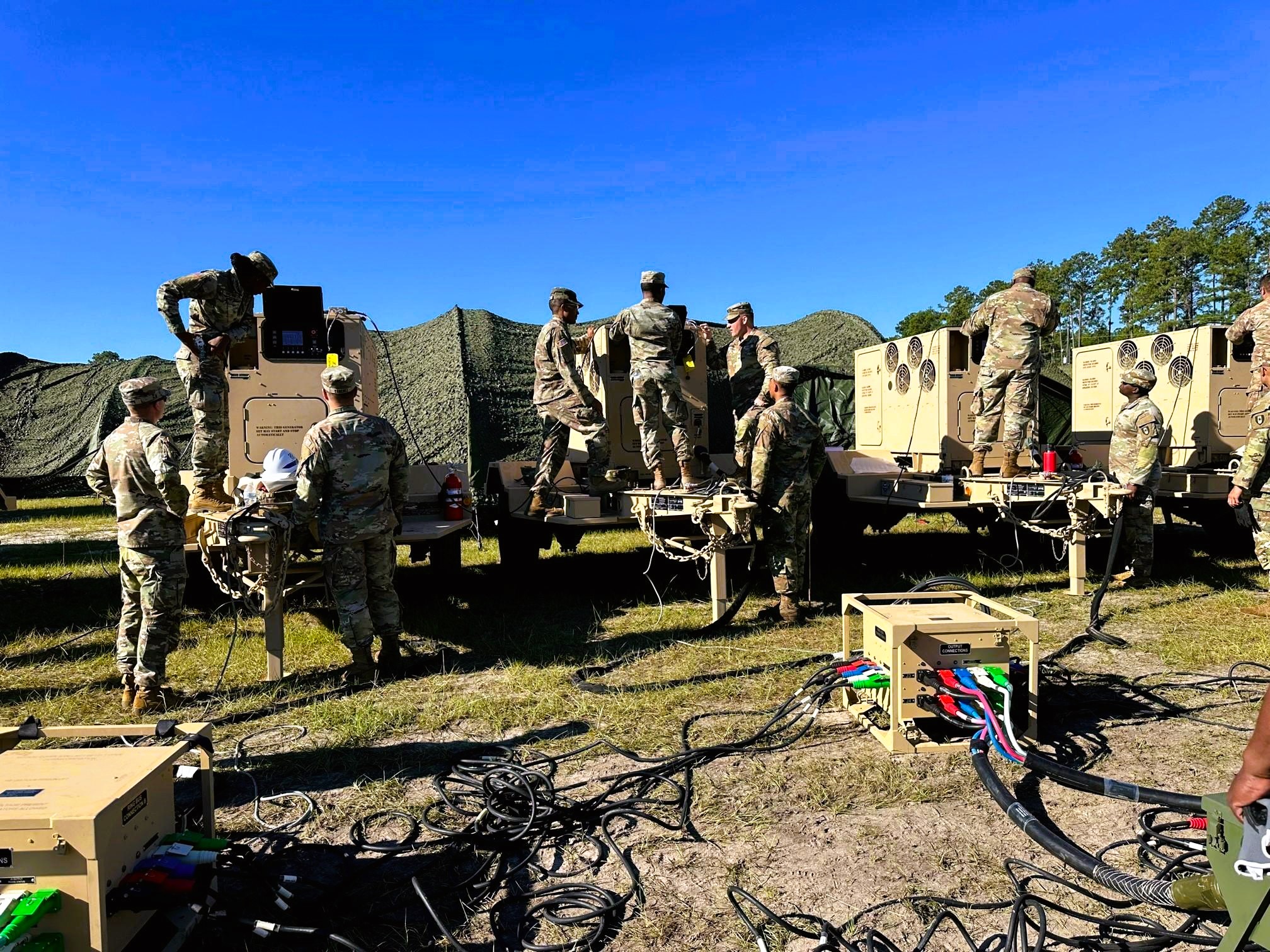
There is genuine evidence of a major American effort to strengthen military energy resilience.
However, the specific 90-day claim should not be presented as a universal Pentagon requirement. The distinction matters.
Under Section 2920 of Title 10 of the United States Code, the Department of Defence is required to ensure that, by the end of fiscal year 2030, all energy loads necessary to maintain critical missions at military installations achieve at least 99.9% availability annually.
The law also requires energy resilience planning and coordination with external infrastructure and utility providers. U.S. Code
This is an important commitment. It means military installations must increasingly be able to maintain essential operations despite disruptions to external electricity supplies.
What Does Island Mode Mean?
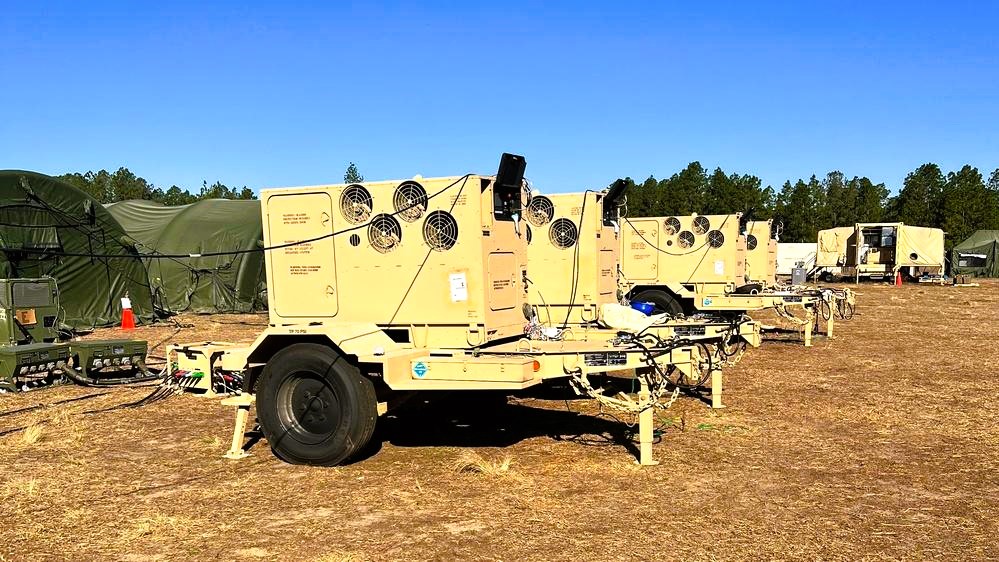
Military planners increasingly consider the possibility that an installation could become disconnected from the civilian electricity grid. In such circumstances, a base needs alternative arrangements to maintain critical operations.
These may include:
- On-site electricity generation.
- Backup generators.
- Battery storage.
- Independent or interconnected microgrids.
- Fuel reserves and alternative supply arrangements.
- Reliable water supplies.
- Protected communications.
- Cybersecurity and physical security systems.
The objective is to maintain essential military functions when external services fail. This approach is often described as islanding or island-mode operation.
However, energy independence does not automatically mean complete independence from all outside supplies. A generator still needs fuel. Water treatment requires functioning equipment. Maintenance requires trained personnel and spare parts. A military installation can therefore be resilient without being completely self-sufficient.
Why This Matters
The war in Ukraine has demonstrated how damaging attacks against energy infrastructure can be. Electricity supplies are essential not only for civilian households but also for military logistics, communications, command systems, hospitals and industrial production.
If an adversary can interrupt these services, it can impose substantial economic and operational costs without necessarily defeating an opposing military force. The American approach reflects an important lesson:
Military readiness depends on infrastructure resilience, not simply on weapons and personnel.
3. The New Battlefield Beneath the Sea
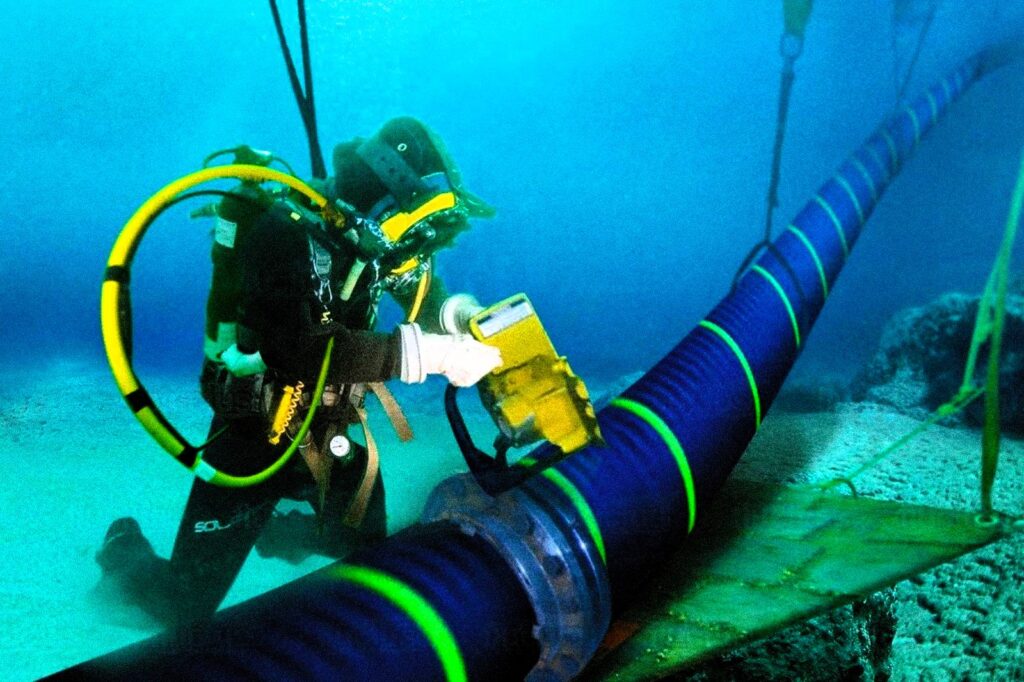
One of the least visible but most important components of modern infrastructure is the international submarine cable network. These cables carry enormous quantities of international data.
They support:
- International banking transactions.
- Government communications.
- Internet services.
- Business operations.
- Cloud computing.
- International trade.
- Telecommunications between continents.
Although satellite communications receive considerable attention, submarine fibre-optic cables remain the backbone of global international data transmission. Their importance creates a serious vulnerability.
The Baltic Sea: A Growing Security Concern
During late 2024 and subsequent incidents, several submarine telecommunications and electricity connections in the Baltic Sea suffered damage.
Among the affected infrastructure were:
- C-Lion1, connecting Finland and Germany.
- BCS East-West Interlink.
- Estlink 2 is an electricity interconnector between Finland and Estonia.
Investigations examined the possible involvement of commercial vessels and anchor dragging. These incidents raised questions about whether apparently accidental maritime activity could conceal deliberate interference.
However, it is essential to distinguish confirmed physical damage from proven sabotage. Not every damaged cable represents an intentional attack, and responsibility must be established through investigations.
NATO’s Response
In January 2025, NATO launched Operation Baltic Sentry. The operation increased surveillance and protection of critical underwater infrastructure in the Baltic region. It involved naval assets and other surveillance capabilities.
The initiative demonstrated that NATO considers submarine infrastructure a security priority. The issue is not limited to Europe. Similar vulnerabilities exist around Taiwan, the Red Sea and other strategically important maritime regions.
Why One Cable Can Matter
A cable failure does not necessarily disconnect an entire country. Modern telecommunications networks have alternative routes and redundancy.
However, multiple failures can create congestion, increase latency and interrupt services in regions with limited alternative connections. Financial institutions, cloud providers and telecommunications companies may experience disruption even when some connectivity remains available. The real vulnerability is therefore not simply whether a cable can be cut. It is whether the remaining infrastructure can absorb the disruption.
4. The War in the Sky: GPS Jamming and Drone Threats
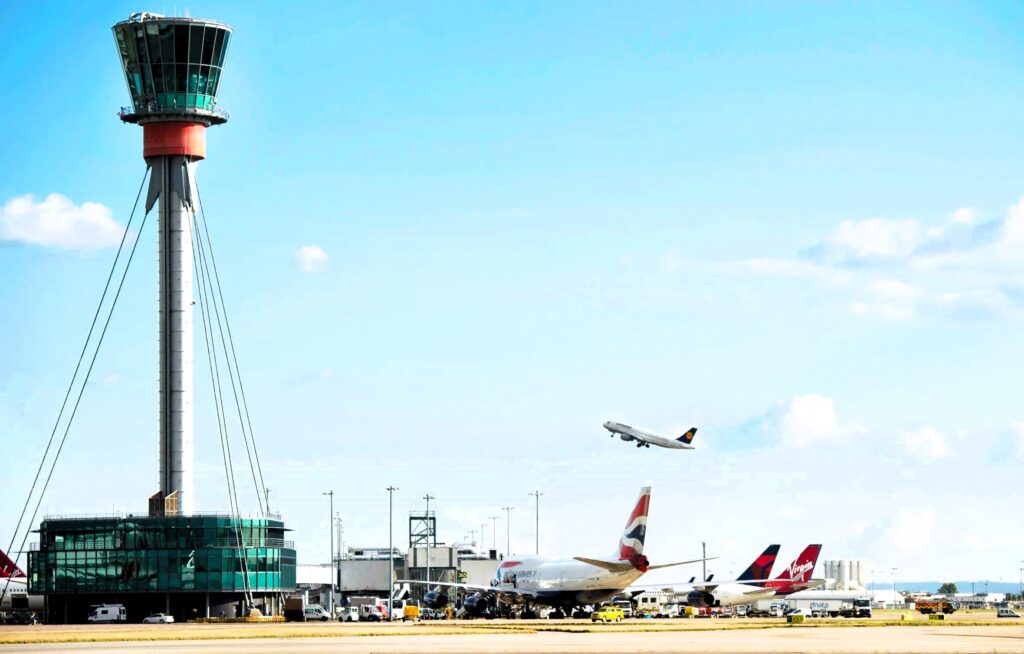
Modern aviation depends on multiple navigation and communication systems. Satellite navigation is particularly important, but aircraft do not rely exclusively on GPS. They use a combination of satellite navigation, inertial systems, ground-based navigation aids, radar and air traffic control procedures.
Nevertheless, interference with satellite navigation creates increasingly serious operational challenges.
GPS Jamming and Spoofing
There are two important forms of interference.
Jamming involves transmitting radio-frequency signals that interfere with legitimate satellite navigation signals.
Spoofing involves transmitting false signals that deceive navigation receivers into calculating an incorrect position or time.
Both can create problems for aircraft.
Possible consequences include:
- Incorrect position information.
- Navigation warnings.
- Increased workload for pilots.
- Diversions and rerouting.
- Additional fuel consumption.
- Reduced reliability of navigation-dependent procedures.
The European Union Aviation Safety Agency (EASA) has repeatedly addressed this problem.
On July 3, 2026, EASA issued the fourth revision of its safety information bulletin concerning satellite navigation interference. The updated guidance incorporates operational recommendations, improved pilot and air traffic control communications, training and additional safety measures.
Its monitoring also identifies affected flight information regions across several geographical areas, including parts of Europe, the Middle East and Asia. EASA
This is particularly relevant because interference is no longer confined to one geographical region.
Why GPS Interference Is Difficult to Attribute
Not every navigation anomaly proves deliberate hostile action. Interference can originate from military electronic warfare, accidental radio-frequency emissions or other technical problems.
Nevertheless, the concentration of incidents around conflict zones and sensitive military areas raises legitimate security concerns.
Military forces may attempt to disrupt drones and other weapons systems.
Civilian aircraft can experience unintended consequences.
The challenge for aviation authorities is to maintain safe operations even when satellite navigation becomes unreliable.
Drones: A New Security Problem for Airports
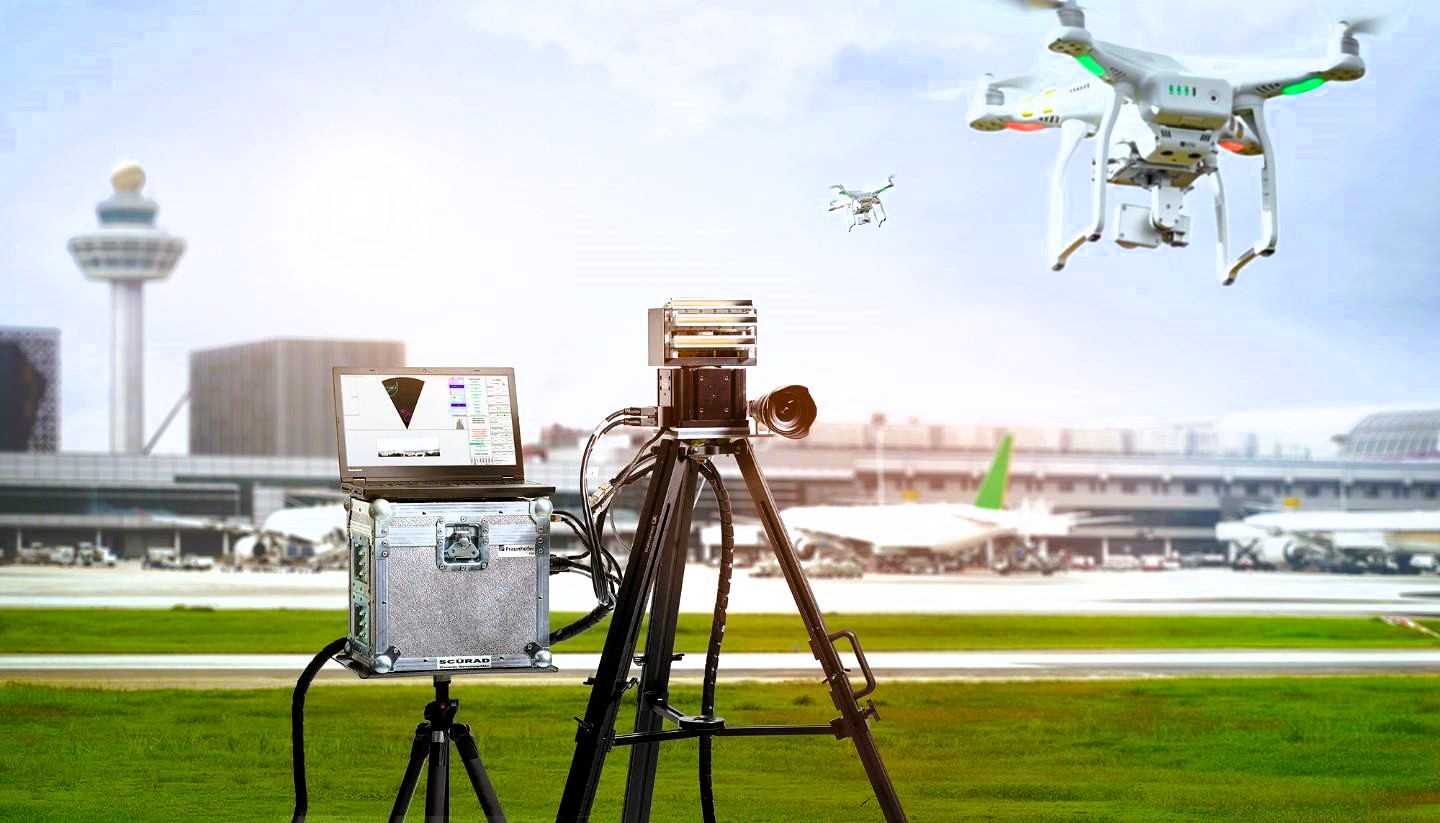
Drones have introduced another vulnerability. An unauthorised drone near an airport can force temporary restrictions or suspension of flight operations. The aircraft does not necessarily need to carry explosives. Its presence alone can create a safety hazard.
During September and October 2026, several European countries reported drone-related security incidents involving airports, military installations and other sensitive locations. The European Observatory of Drone Incidents recorded disruptions and reported incursions involving locations in Germany, France, Poland, Norway and other countries.
Importantly, not every reported sighting was independently confirmed as a drone or attributed to a hostile actor.
That distinction should remain central to responsible reporting. European Observatory of Drone Incidents
The wider security concern is that relatively inexpensive unmanned aircraft can create disruption disproportionate to their cost.
5. October and November 2026: Europe Officially Raises the Alarm Over Hybrid Threats
During October 2026, European governments increasingly discussed the possibility that hostile actors were targeting vulnerabilities below the threshold of conventional war.
October 16: European Leaders Recognise the Growing Threat
At its October 15–16 meeting, the European Council addressed the intensification of hybrid attacks, sabotage and repeated violations of European airspace and territorial waters. Its conclusions called for stronger resilience, improved preparedness and better protection of critical infrastructure.
European leaders also called for accelerated work on drone and counter-drone security. Consilium
This is significant because it moves the discussion outside individual incidents. European leaders are treating these developments as a broader security challenge requiring coordinated action.
November 4: British Parliamentary Investigation
On November 4, 2026, the UK House of Commons Library published a research briefing entitled Russia’s Hybrid Warfare Campaign in Europe. The report examined allegations of sabotage, cyber operations, disinformation, interference in democratic processes and attacks against critical infrastructure. It also documented a series of incidents involving suspected hostile activities across European countries.
One especially alarming example involved Poland.
A fire at a Starlink satellite station in September 2026 was subsequently investigated as suspected sabotage with possible Russian links. Polish authorities confirmed arrests in October. The report also discussed drone incursions in Denmark and October incidents involving commercial shipping in the Black Sea. Attribution remains important.
Some incidents have been officially linked to suspected hostile activity, while others remain under investigation. Russia denies conducting the alleged campaign. House of Commons Library
November 16: EU Foreign Ministers Discuss Further Attacks
The November 16 meeting of the EU Foreign Affairs Council also addressed escalating hybrid threats. Ministers discussed incidents affecting air traffic, supermarkets and blood transfusion centres. They expressed solidarity with affected member states and called for coordinated responses.
The meeting also addressed sanctions against individuals and entities accused of foreign information manipulation and malicious cyber activities. This development deserves particular attention. It demonstrates that concerns about hybrid threats extend beyond military installations and government networks.
They can involve ordinary commercial services and institutions essential to civilian life. Consilium
6. November 25: A Cybersecurity Incident Hits the US Financial Intelligence Network
One of the most recent developments occurred on November 25, 2026. The US Treasury Department’s Financial Crimes Enforcement Network, commonly known as FinCEN, confirmed that it was investigating a cybersecurity incident involving unauthorised access to a limited subset of its systems. As a precaution, certain systems were taken offline.
The department was working with the FBI, the Cybersecurity and Infrastructure Security Agency and external forensic specialists to determine the scope and impact. The Treasury Department stated that there was no evidence at that stage that the Bank Secrecy Act or beneficial ownership databases had been compromised.
The incident also resulted in temporary service disruption for some users. Reuters
Why Is This Important?
FinCEN plays an important role in monitoring suspicious financial activity and supporting efforts to combat money laundering and financial crime. Its systems are part of the wider financial security infrastructure. The incident does not establish that the American banking system was attacked or that ordinary bank accounts were compromised.
However, it illustrates an important principle. Financial resilience depends on more than the availability of cash machines and bank branches. It also depends on secure government databases, financial reporting systems, telecommunications, electricity and trusted digital infrastructure.
A cyber incident affecting one institution can create operational difficulties even when the broader banking system remains functional. This is precisely why emergency planning increasingly includes offline procedures, alternative communications and manual processes.
7. The Power Grid: How a Technical Failure Can Become a National Emergency
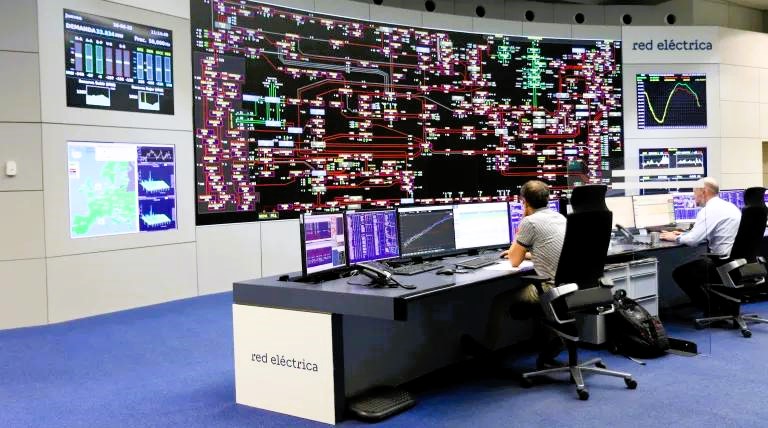
Electricity is the foundation of modern society. Hospitals, water treatment plants, communication networks, transport systems, factories, supermarkets and financial institutions all depend on reliable electricity. This interdependence creates a dangerous possibility. A failure in one part of the system can spread into other sectors.
Spain and Portugal: The April 2025 Blackout
On April 28, 2025, Spain and Portugal experienced a massive electricity blackout. Millions of people lost power. Rail services were disrupted, traffic signals stopped working and businesses struggled to operate. Mobile communications and electronic payment systems were affected.
The incident demonstrated how quickly modern societies can become vulnerable when electricity supplies fail across interconnected regions. Investigations examined voltage instability, generation disconnections and the cascading failure of the electricity system.
The event should not be described as a confirmed hostile attack. It was an electricity-system failure, not proof of sabotage. Its importance lies elsewhere. It demonstrated that a major disruption can occur without missiles, explosives or deliberate cyberattacks.
Why Cascading Failures Matter
Electricity networks are interconnected systems. When a major component fails, neighbouring systems may experience additional stress. Protection mechanisms can disconnect equipment to prevent damage. Under certain circumstances, this can contribute to wider outages.
The consequences can spread rapidly:
- Electricity supplies become unstable.
- Mobile networks lose power or backup capacity.
- Water pumping and treatment operations are disrupted.
- Supermarkets lose refrigeration.
- Electronic payment terminals stop working.
- Transport and logistics become difficult.
- Emergency services face additional pressure.
This is why energy resilience is now a central part of national security planning.
8. Water Infrastructure: The Vulnerability People Often Overlook
Electricity receives most of the attention during discussions about infrastructure resilience. Water is equally important. Modern water supplies depend on pumping stations, treatment facilities, chemical supplies, electrical systems, monitoring equipment and distribution networks. A prolonged electricity failure can therefore affect water availability even when the water source itself remains intact.
Cybersecurity introduces another layer of risk. In the United States, authorities have repeatedly warned water utilities about cyber vulnerabilities. The Environmental Protection Agency has emphasised the need for stronger cybersecurity and operational safeguards in water systems.
The Volt Typhoon campaign, attributed by American authorities to a Chinese state-sponsored cyber actor, has also raised concerns about the pre-positioning of access within critical infrastructure networks.
However, it would be inaccurate to suggest that all American water treatment plants have been compromised. The concern is that vulnerabilities exist and that hostile actors could potentially exploit them during a future crisis. The lesson is straightforward.
A country cannot guarantee water security merely by possessing sufficient freshwater resources. It must also protect the infrastructure that makes that water available.
9. The Financial System: What Happens When Digital Payments Stop Working?
Modern economies increasingly depend on digital payments. People use mobile applications, debit cards, credit cards and online banking for everyday transactions.
Businesses depend on electronic payment processing to sell goods and pay suppliers.
But these systems require electricity, communications networks, functioning software and access to financial institutions. The April 2025 Iberian blackout demonstrated what happens when these systems become unavailable. Customers could not reliably use electronic payment facilities in affected locations. Cash, therefore, became important for ordinary purchases.
Why Governments Still Recommend Cash
Cash is not a replacement for the banking system. It is an alternative payment method during certain disruptions. A household with a modest supply of cash may still be able to purchase essential goods when card terminals or internet connections are unavailable.
However, cash has limitations too. ATMs require electricity and functioning communications. Shops need physical currency and sufficient supplies. Extended disruptions can affect cash distribution. The sensible approach is to maintain access to more than one payment method.
Financial Resilience Is Also About Trust
A functioning financial system depends on public confidence. If people believe their savings are inaccessible or payment systems are unreliable, they may withdraw money unnecessarily. During a serious crisis, this can create additional pressure on banks and financial institutions.
This is why governments and financial regulators need tested contingency arrangements. Public communication is equally important. People must know whether a payment outage is temporary, whether their money remains safe and what alternative arrangements are available.
10. Food Security: The Weakest Link in Modern Supply Chains
The modern food system is highly interconnected. Food production, processing, storage, transportation and retail distribution depend on multiple systems working together.
Farmers need fuel, electricity, fertilisers, machinery and water.
Food processors need reliable energy and transportation.
Supermarkets depend on refrigerated storage, digital inventory systems and regular deliveries.
A major disruption can therefore affect food availability even when agricultural production remains adequate.
The Just-in-Time Problem
Many businesses operate with relatively limited inventories because maintaining large stocks is expensive. They depend on regular deliveries. This approach reduces storage costs and improves efficiency under normal conditions.
However, it also creates vulnerabilities.
If transportation networks become disrupted, deliveries are delayed.
If electricity fails, refrigeration becomes difficult.
If fuel supplies are interrupted, trucks cannot operate normally.
If digital systems fail, businesses may struggle to manage inventory and coordinate deliveries.
The problem is not that every supermarket will become empty within 48 hours.
That would be an exaggerated generalisation.
The more important issue is that prolonged disruption can create shortages of particular goods, especially where supply chains have limited alternatives.
Who Controls the Seed Market?
Another important dimension is agricultural dependence. Commercial seed markets are concentrated among a relatively small number of multinational companies.
However, claims that four companies control more than 60% of all global commercial seeds require a clearly defined market, geographical scope and source. The wider issue is more complicated than corporate ownership alone.
Agricultural resilience also depends on:
- Access to locally adapted seeds.
- Biodiversity.
- Independent plant breeding.
- Fertiliser availability.
- Irrigation infrastructure.
- Soil health.
- Agricultural research.
- Farmers’ ability to save and exchange suitable seeds.
Hybrid seeds are not universally sterile, and the claim that all patented commercial seeds cannot be replanted is incorrect.
Nevertheless, excessive dependence on a narrow range of seed varieties can create agricultural vulnerabilities. Food security requires more than keeping supermarket shelves stocked. It requires resilient agricultural production.
11. Why Governments Are Preparing for Multiple Threats at Once
The developments discussed above are connected by a broader security concept: hybrid warfare. Hybrid warfare combines different methods of pressure to weaken an opponent without necessarily initiating conventional military conflict.
These methods can include:
- Cyberattacks.
- Sabotage.
- Disinformation.
- Economic coercion.
- Electronic warfare.
- Attacks against infrastructure.
- Unauthorised surveillance.
- Drone incursions.
- Political interference.
The objective may be to undermine confidence, increase economic costs, create confusion or weaken the ability of a government to respond effectively.
The European Parliament’s October 2026 research briefing examined how these activities exploit existing vulnerabilities and challenge traditional defence arrangements. European Parliament Research
Why Is Hybrid Warfare Attractive?
A conventional military attack carries enormous risks. It can trigger collective defence arrangements, international condemnation and potentially a wider war.
Hybrid operations offer different possibilities. An adversary may be able to create disruption while maintaining plausible deniability.
For example:
A damaged submarine cable may be difficult to attribute immediately.
A cyber incident may initially resemble a technical failure.
A drone incursion may be difficult to identify or trace.
Disinformation can spread through ordinary social media accounts.
These activities can impose costs without necessarily producing an obvious military confrontation.
However, not every cyber incident, infrastructure failure or drone sighting is hybrid warfare. Attribution requires evidence. That distinction is essential if governments want public confidence rather than unnecessary fear.
12. Is Europe Preparing to Defend Itself Without America?
There is another strategic dimension.
European governments are increasingly discussing their ability to defend their territories and maintain essential services without assuming that American assistance will always be immediately available. The war in Ukraine has changed European security calculations.
Questions about the reliability, timing and scale of future American support have encouraged European governments to reconsider their own defence capabilities.
Germany’s military reforms, Poland’s rearmament and the European Union’s defence industrial initiatives reveal this changing environment.
But military independence is not the same as political separation from NATO. The alliance remains central to European collective defence. The emerging objective is to strengthen Europe’s capacity to respond quickly, maintain essential services and reduce strategic dependencies.
The October 2026 European Council conclusions reinforced this direction by calling for greater defence readiness, protection of critical infrastructure and improved responses to hybrid threats. Consilium
The Civilian and Military Dimensions Are Connected
A military cannot operate effectively if its supporting society becomes dysfunctional.
It needs:
- Reliable electricity.
- Functional ports and airports.
- Secure telecommunications.
- Fuel supplies.
- Industrial production.
- Transport networks.
- Financial services.
- Public cooperation.
This means civilian resilience is not merely a humanitarian consideration. It is also a component of national defence.
13. Who Benefits From the New Security Environment?
An investigative article should also examine the economic and political consequences of increasing security concerns. The growing emphasis on resilience creates opportunities for several industries.
These include:
Defence manufacturers: Increased spending on surveillance, air defence, drones and counter-drone systems.
Cybersecurity companies: Greater demand for network protection, threat detection and incident response.
Energy companies: Investment in microgrids, battery storage, backup generation and alternative energy supplies.
Telecommunications providers: Greater investment in network redundancy and alternative communications.
Infrastructure contractors: Opportunities in underground facilities, protected installations and critical infrastructure upgrades.
Emergency equipment manufacturers: Increased demand for radios, power banks, water storage and emergency supplies.
These investments can be necessary and beneficial.
However, they also create commercial interests.
Governments must ensure that emergency preparedness programmes are based on genuine risk assessments rather than exaggerated threats designed to justify unnecessary expenditure. There should be transparency about contracts, procurement costs and the effectiveness of new infrastructure. The public should not be expected to accept every security-related expenditure without scrutiny.
14. The Missing Question: Are Governments Preparing Public Services or Just Households?
There is an important question behind the growing emphasis on household preparedness.
Are governments strengthening the systems citizens depend on, or are they increasingly asking individuals to compensate for institutional weaknesses?
Household preparedness is sensible. People should have drinking water, food, medicines and emergency communication arrangements. But households cannot independently protect submarine cables, repair electricity grids, secure financial networks or restore water treatment plants. These responsibilities belong to governments, utility providers, regulators and infrastructure operators.
A genuinely resilient society requires both individual and institutional preparation.
Governments should therefore be assessed against several practical questions:
- Do hospitals have reliable backup electricity and water?
- Can water treatment plants operate during extended power failures?
- Are emergency communications independent of commercial mobile networks?
- Can financial institutions maintain essential operations during cyber incidents?
- Are electricity networks capable of isolating faults without widespread outages?
- Are alternative fuel supplies available?
- Are food distribution systems sufficiently diversified?
- Are local authorities equipped to support vulnerable households?
- Are emergency exercises regularly conducted?
- Are the results of those exercises publicly assessed?
Preparedness cannot be measured simply by the number of emergency leaflets distributed to households. It must be measured by the ability of essential services to continue functioning.
15. What Should Ordinary Households Actually Prepare?

The objective is not to turn every home into a survival shelter.
It is to reduce dependence on uninterrupted electricity, communications and commercial supply chains during an emergency.
The following recommendations draw on established European civil protection guidance.
Drinking Water
Maintain a reasonable supply of bottled or safely stored drinking water.
A useful starting point is approximately three litres per person per day for drinking, following the current British guidance. Additional water may be required for cooking and hygiene.
Food
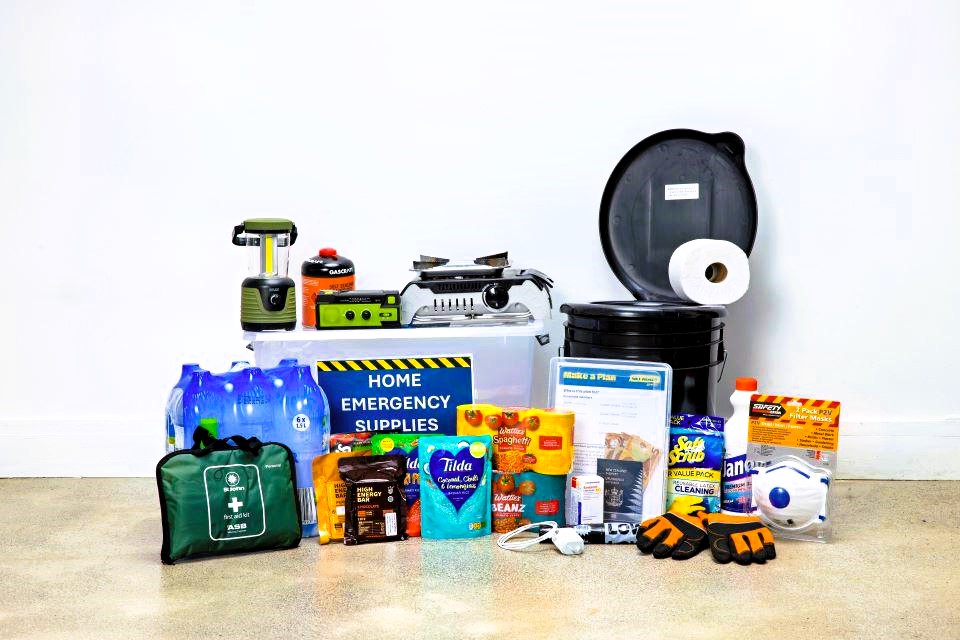
Keep several days’ worth of food that does not require refrigeration.
Suitable options include:
- Canned vegetables.
- Beans and pulses.
- Tinned fish.
- Dried fruit.
- Nuts.
- Long-life milk.
- Biscuits and other suitable packaged foods.
Choose food that household members normally eat.
Lighting and Communication
Maintain:
- A battery-powered or wind-up radio.
- A reliable torch.
- Spare batteries.
- A charged power bank.
- Written emergency contact numbers.
Do not depend exclusively on a smartphone for emergency information.
Medicines and First Aid
Maintain a reasonable supply of essential medicines, subject to medical and prescription requirements.
Keep copies of prescriptions and important medical information.
A basic first-aid kit should also be available.
Money and Documents
Keep some cash in small denominations.
Maintain copies of essential documents, including identification, insurance information and emergency contacts. Secure digital copies where appropriate.
Warmth and Hygiene
Keep blankets, warm clothing, basic hygiene supplies and essential household items. Cold weather can become dangerous when heating systems stop working.
Community Cooperation
Know your neighbours. Identify elderly residents, people with disabilities and households that may require additional assistance.
A community that cooperates during emergencies is generally better placed to manage disruption than one in which every household operates independently.
An Important Warning About Iodine Tablets
Iodine tablets should not be taken routinely as part of ordinary emergency preparation.
They are intended for specific radiation emergencies and should only be taken when public health authorities instruct people to do so. They do not protect against all forms of radiation exposure. Unnecessary use can also create health risks.
16. What Does This Mean for Countries Outside the West?
Although much of the current preparedness discussion is taking place in Europe and North America, the underlying vulnerabilities are global. Countries in Asia, Africa and the Middle East face many of the same challenges.
In some respects, developing economies may be more exposed because they have fewer financial resources, weaker infrastructure redundancy and limited emergency response capacity.
Pakistan provides a particularly relevant example.
Its electricity supply, water distribution, telecommunications, fuel availability and food transportation systems are closely interconnected.
A prolonged electricity disruption could affect:
- Water pumping.
- Hospitals.
- Cold storage.
- Agricultural irrigation.
- Banking services.
- Mobile communications.
- Industrial production.
- Food distribution.
Pakistan also faces additional pressures from extreme weather, floods, heatwaves and infrastructure deficiencies. The country therefore needs a broader national resilience strategy.
Such a strategy should include:
- Strengthening electricity distribution networks.
- Protecting water treatment and pumping facilities.
- Developing decentralised renewable energy systems.
- Improving cybersecurity in essential public services.
- Maintaining strategic food and fuel reserves.
- Protecting telecommunications infrastructure.
- Improving emergency medical preparedness.
- Establishing effective local disaster response systems.
- Educating citizens about practical emergency preparation.
- Conducting regular national and provincial emergency exercises.
Most importantly, resilience should not become another expensive slogan. It should produce measurable improvements in the reliability of essential services.
Conclusion: Preparedness Is Not a Prediction of War
The growing emphasis on emergency preparedness across Western countries deserves attention.
The United States is strengthening the energy resilience of military installations.
European governments are encouraging households to maintain emergency supplies.
NATO is paying greater attention to submarine infrastructure, cyber threats and the protection of critical services.
Recent incidents involving drones, suspected sabotage, cybersecurity breaches and electricity disruptions demonstrate that modern societies face vulnerabilities that extend beyond conventional military threats. However, one important distinction must remain clear.
There is no verified evidence that Western governments are preparing citizens because they know a major war or nationwide blackout will begin within 10, 30 or 90 days.
The 72-hour household recommendation is a preparedness objective, not a countdown. Similarly, the American military energy resilience legislation establishes reliability requirements for critical missions. It does not impose a universal 90-day self-sufficiency requirement on every military installation. The real concern is more fundamental.
Modern societies have become extraordinarily dependent on interconnected systems.
Electricity supports water supplies. Telecommunications support banking. Banking supports commerce. Transport supports food distribution. Digital networks support almost every major institution. When several of these systems fail together, the consequences can become much more serious than any individual outage.
This is why governments are reconsidering their approach to national security. The next major crisis may not begin with tanks crossing a border.
It could begin with a cyber incident, a damaged cable, a power failure, a disruption to satellite navigation or a combination of seemingly unrelated events.
Not every such incident represents warfare. But the possibility of coordinated disruption is now an important consideration in national security planning.
The most sensible response is neither panic nor complacency. It is informed preparedness, stronger public infrastructure, responsible government planning and communities capable of helping themselves when normal services are temporarily unavailable.
A resilient nation is not one that expects disaster every day. It is one that does not become helpless when an unexpected disaster occurs.
Article Purpose
To investigate why Western governments are strengthening civilian emergency preparedness and military infrastructure resilience, examine the growing risks associated with hybrid warfare and critical infrastructure disruption, and explain what these developments mean for ordinary households and national security worldwide.
Frequently Asked Questions
1. Why are European governments asking citizens to prepare for emergencies?
European governments are concerned about several potential disruptions, including extreme weather, cyberattacks, infrastructure failures, sabotage and armed conflict. Household preparedness helps reduce pressure on emergency services during the initial stages of a crisis.
2. What is the 72-hour emergency preparedness rule?
It is recommended that households maintain sufficient essential supplies to manage independently for approximately three days during an emergency. It is not a prediction that a war or major disaster will occur within 72 hours.
3. Are American military bases being prepared to survive 90 days without outside assistance?
The United States has introduced legislation requiring high energy availability for critical military missions by fiscal year 2030. However, there is no established universal 90-day self-sufficiency requirement covering every American military installation.
4. Can cutting submarine internet cables shut down an entire country?
A damaged cable does not automatically disconnect an entire country because telecommunications networks have alternative routes. However, multiple cable failures can cause serious disruption to internet connectivity, financial transactions and international communications, particularly in regions with limited redundancy.
5. Can GPS jamming and cyberattacks disrupt civilian life?
Yes. GPS interference can affect aviation navigation, while cyberattacks can disrupt banking, communications, government services and business operations. The actual impact depends on the affected systems and the availability of alternative arrangements.
6. What should households keep for an emergency?
Households should maintain drinking water, non-perishable food, essential medicines, a torch, spare batteries, a radio, a power bank, some cash, important documents and basic hygiene supplies. They should also establish emergency contact arrangements and know how to assist vulnerable neighbours.
References and Further Reading
The following sources provide primary documentation and reliable reporting for the article.
- US Department of Defense energy resilience legislation:
10 U.S.C. Section 2920 - UK Cabinet Office, October 22, 2026, household emergency preparedness campaign:
Be Ready: UK Government Emergency Guidance - European Union preparedness recommendations:
European Commission’s Preparedness Union Strategy coverage - European Council, October 15–16, 2026, conclusions on defence and hybrid threats:
European Council Conclusions - UK House of Commons Library, November 4, 2026, Russia’s Hybrid Warfare Campaign in Europe:
House of Commons Research Briefing - European Union Aviation Safety Agency, July 3, 2026, GPS interference guidance:
EASA GNSS Interference Safety Information - NATO, October 19, 2026, strengthening responses to hybrid activities:
NATO Hybrid Threats Symposium - Reuters, November 25, 2026, US FinCEN cybersecurity incident:
Reuters Report - European Parliament Research Service, October 2026, Hybrid Warfare: A Test for Europe’s Defences:
European Parliament Research Briefing - European Council, November 16, 2026, Foreign Affairs Council developments:
EU Foreign Affairs Council
Excerpt:
Western governments are strengthening emergency preparedness as cyber threats, infrastructure vulnerabilities, GPS interference and suspected sabotage raise new security concerns. Discover what has changed in October and November 2026 and why household resilience matters.