Higher inequality often correlates with lower national happiness.
The Architecture of Happiness
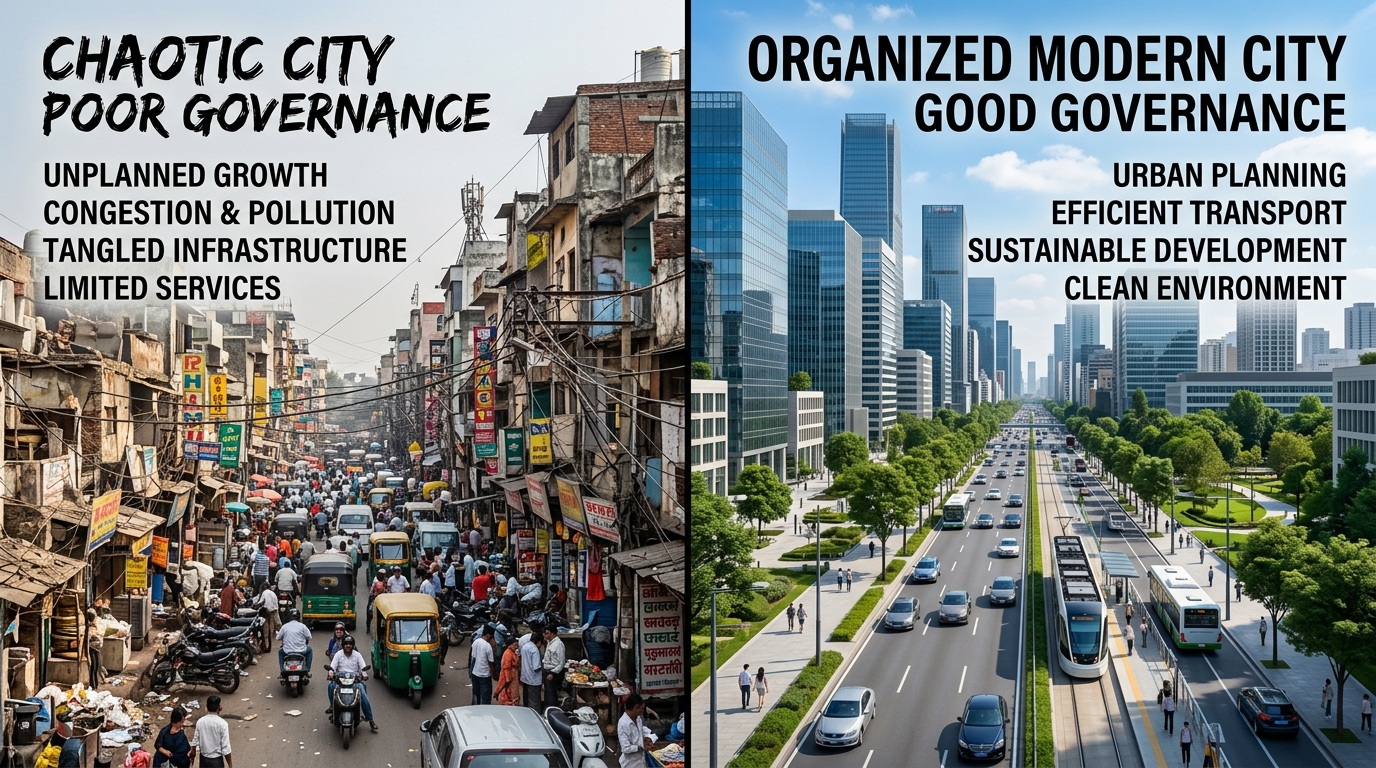
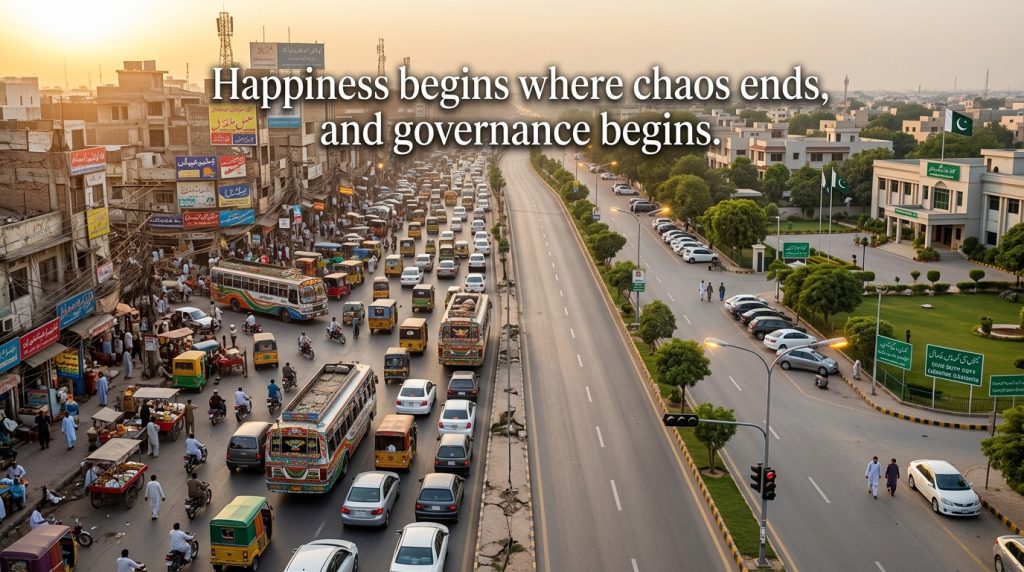
Explore how policies, institutions, and leadership shape citizen well-being.The architecture of happiness: why do some nations consistently rank among the happiest while others struggle? The answer lies not just in economics, but in governance.
The Architecture of Happiness: How Governance Shapes Well-Being
The architecture of happiness: why do some nations consistently rank among the happiest while others struggle? The answer lies not just in economics, but in governance. Explore how policies, institutions, and leadership shape citizen well-being.
The Architecture of Happiness: How Governance Shapes Well-Being
Excerpt: Why do some nations consistently rank among the happiest while others struggle? The answer lies not just in economics, but in governance. Explore how policies, institutions, and leadership shape citizen well-being.
Introduction
Every year, the World Happiness Report ranks nations not by wealth, but by how people feel about their lives.
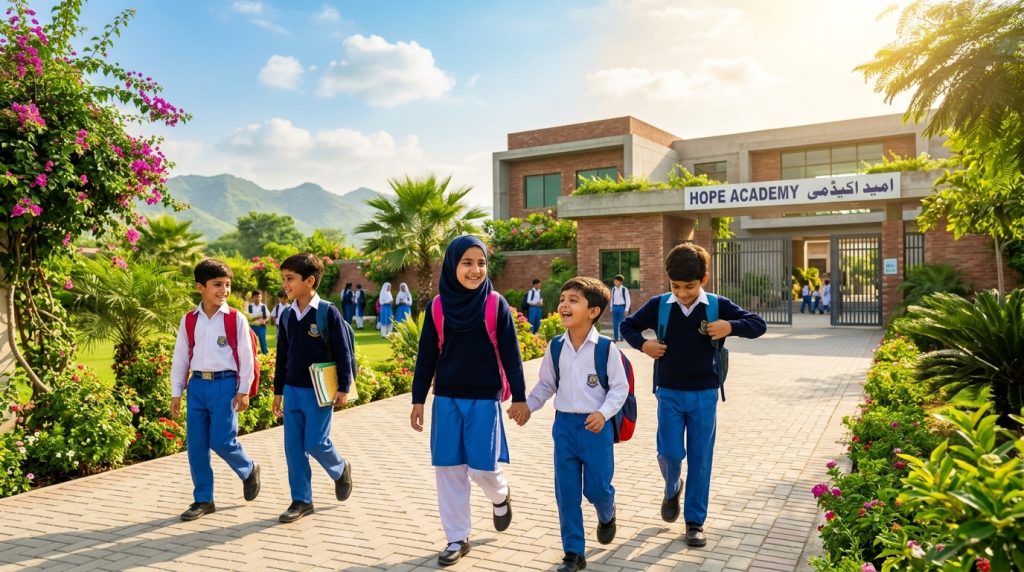
In Finland, a teenage student walks into school with quiet confidence—free education, trusted teachers, and no fear of failure. This security isn’t luck—it’s governance.
Governance vs Happiness
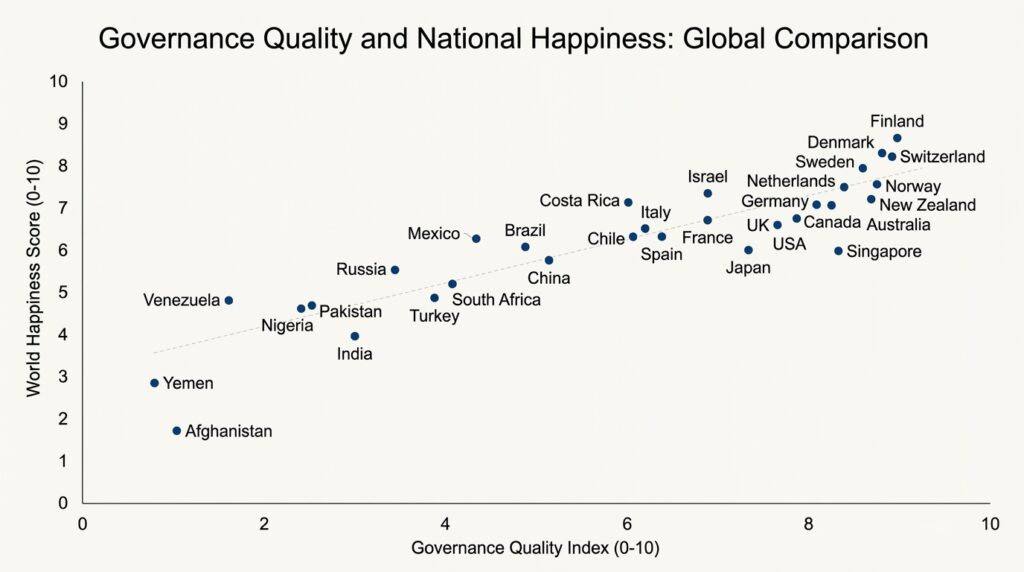
Countries with stronger governance consistently report higher levels of life satisfaction.
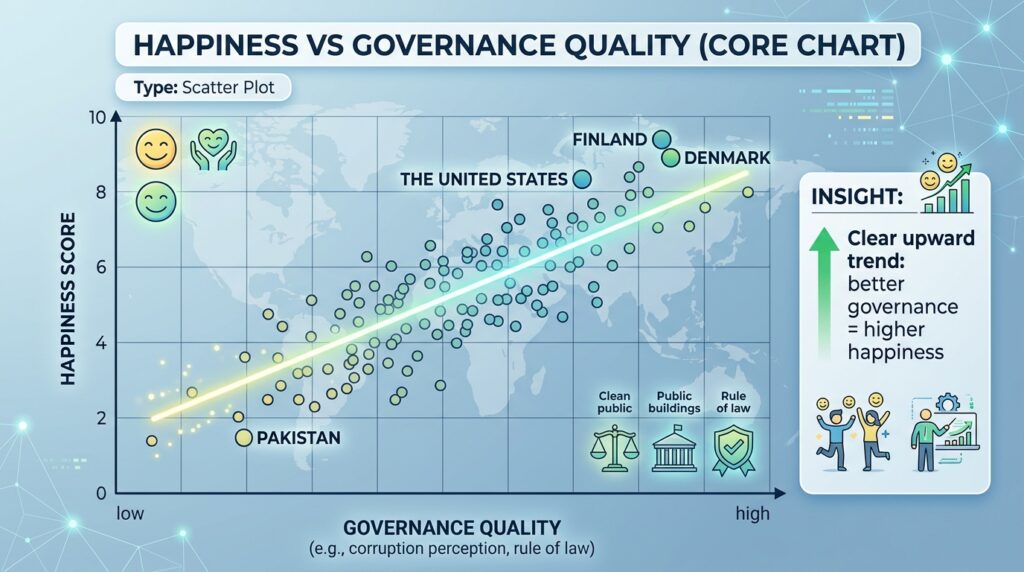
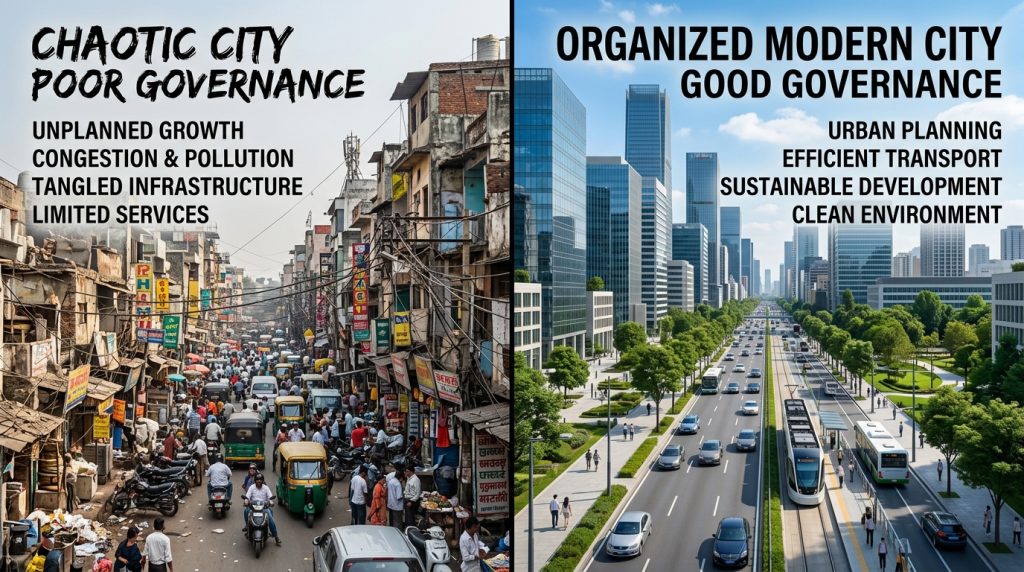
The pattern is striking: Finland and Denmark sit at the top-right quadrant, with high governance and happiness scores, while Pakistan scores lower on both. Improved governance reduces uncertainty and directly boosts citizen well-being.
Countries with stronger governance consistently report higher levels of life satisfaction.
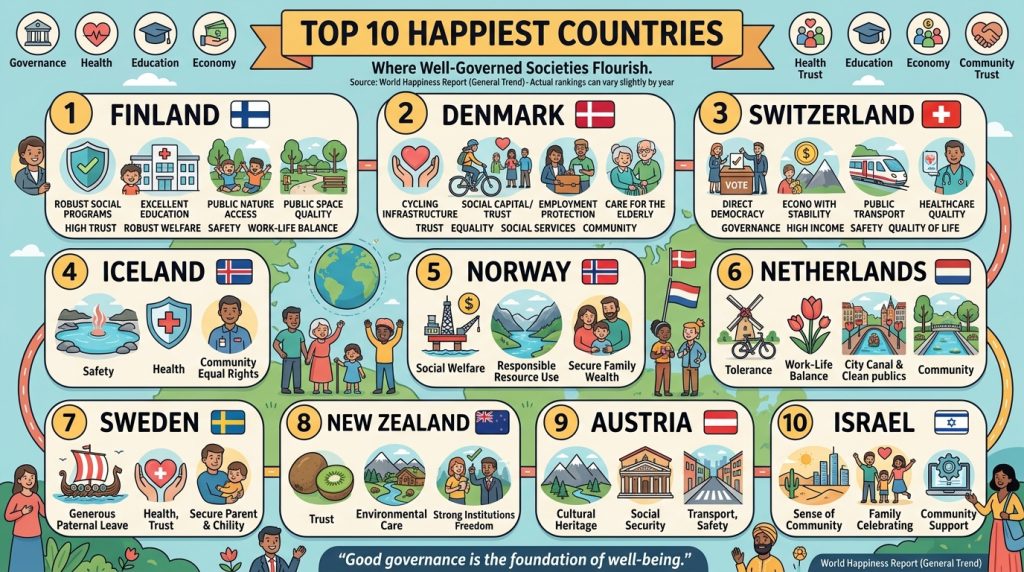
Top 10 Happiest Countries
Finland, Iceland, and the Netherlands illustrate that happiness is built through policy, not luck: low corruption, strong public services, and high institutional trust.
The Architecture of Happiness: Top 10 Happiest Countries
Key Drivers of Happiness
Governance contributes significantly through:
Trust in institutions
Freedom to make life choices
Social support
Inequality vs Happiness
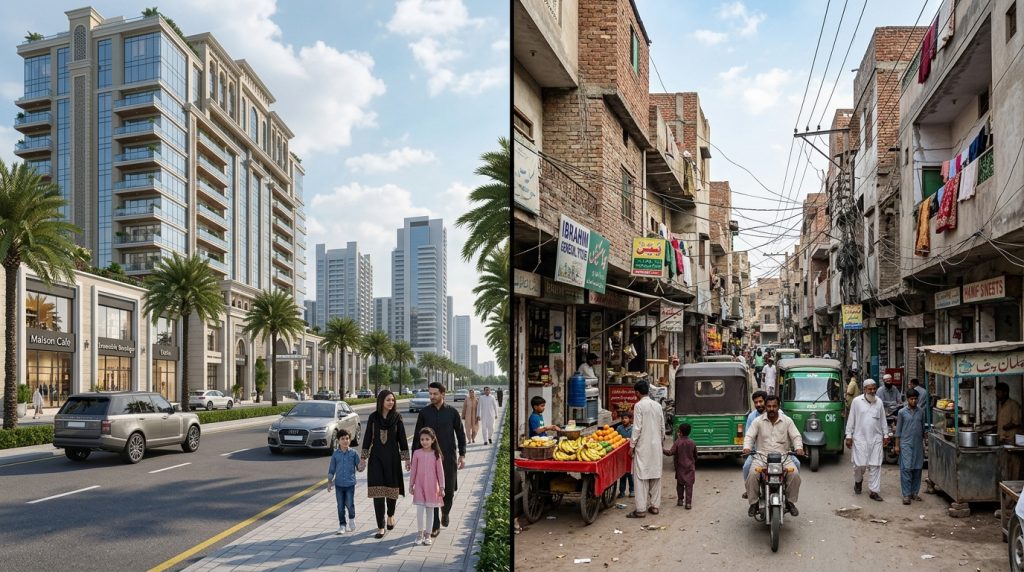
Higher inequality often correlates with lower national happiness.
Countries with lower inequality, like Norway, report higher happiness. The U.S., with higher inequality, has mixed happiness despite wealth. Fairness and opportunity matter more than income alone.
Higher inequality often correlates with lower national happiness.
Healthcare & Human Security
Access to healthcare is a major determinant of happiness. In Norway, a man suffers a sudden heart condition. Hospital care is immediate, with no financial stress. Governance removes fear from life’s most vulnerable moments.
Healthcare & Human Security
Trust vs Happiness
Trust in institutions is one of the strongest predictors of happiness. Where citizens trust the government, life satisfaction is higher. Functioning governance delivers peace of mind, not just services.
Trust vs Happiness
Wealth ≠ Happiness
Sarah in the U.S.: High salary, dream job, but constant worry about healthcare, debt, and burnout.
Even billionaires face intense stress when governance structures fail.
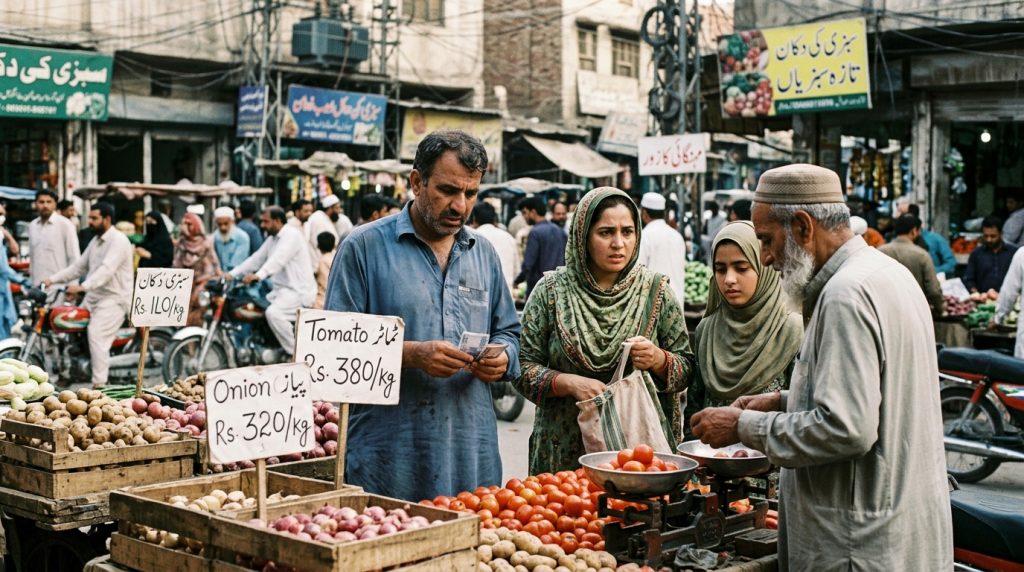
Small business owners in Pakistan face instability, unpredictable taxation, and inflation.
Governance transforms wealth into security—or stress.
Alternative Happiness Model
In Costa Rica, modest wealth, strong social support, and accessible healthcare create peaceful lives. Governance creates happiness even without riches.
Policy Lessons
Strengthen the rule of law
Reduce corruption
Ensure healthcare access
Promote economic fairness
Protect freedoms
Build trust
Why Muslim-Majority Countries Rank Lower in Happiness
First, a reality check: most Muslim-majority countries fall in the mid to lower range of the World Happiness Report—but this is not about religion itself. It’s about systems, stability, and living conditions.
1. Governance Challenges (The Biggest Factor)
Many countries struggle with:
Weak institutions
Corruption
Political instability
Compare that with countries like Finland or Denmark:
Transparent governance
Accountability
Rule of law
When justice is uncertain, stress becomes part of daily life
2. Conflict & Geopolitical Pressure
Several Muslim-majority regions face:
Wars
External interventions
Internal unrest
Example:
Afghanistan
Syria
Even if individuals are resilient, constant insecurity lowers national happiness scores
3. Economic Inequality (Not Just Poverty)
Some countries are wealthy but still rank lower because:
Wealth is concentrated
Opportunities are unequal
Example:
Saudi Arabia
Happiness depends more on fairness than sheer wealth
4. Limited Freedom & Expression
Happiness data strongly correlates with:
Freedom of speech
Personal life choices
Gender equality
In contrast, top-ranking countries like the Netherlands emphasise:
Individual autonomy
Social tolerance
Lack of freedom creates silent dissatisfaction
5. Social Trust Deficit
In high-ranking countries:
People trust institutions
People trust each other
In many developing states:
Trust is limited to family or close circles
That reduces collective well-being
6. Religion vs Reality (Important Distinction)
Islam, as a value system, promotes:
Charity (Zakat)
Justice
Community welfare
But the issue is:
❗ “Values are strong, but implementation at state level is weak”
So the gap is not faith, but governance and execution
South Asia Reality Check
Global rankings reveal a stark contrast within the region:
China (~60): Stability and governance
Nepal (~93): Improving social support
Pakistan (~108): Strong society, weak systems
India (~126): Growth with inequality stress
Bangladesh (~118): Gradual progress
Sri Lanka (~128): Economic crisis impact
Afghanistan (~143): Last, due to instability
Happiness is not about size or power; it is about stability, fairness, and governance.
Key Drivers of Happiness
Trust in institutions
Freedom to make life choices
Social support
🇵🇰 Pakistan vs Happiest Countries
Economic Reality: IMF, Inflation & Daily Life
IMF Programs, Stability vs Pain
IMF programs often stabilise economies, but at a cost:
Subsidy cuts
Higher taxes
Energy price increases
Short-term pain can bring long-term stability, but only with strong governance.
Inflation, The Silent Happiness Killer
Rising food, fuel, and housing costs directly reduce life satisfaction.
Inflation doesn’t just reduce income,it erodes dignity.
Economic Reality: IMF, Inflation & Daily Life
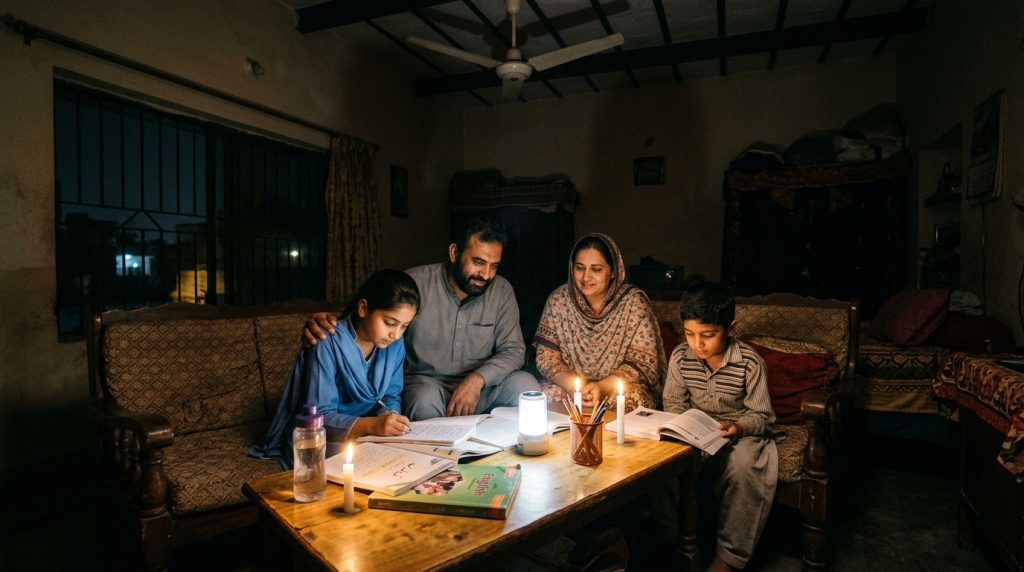
Energy & Cost of Living Crisis
Electricity costs, fuel hikes, and outages are governance failures felt daily by citizens.
Energy & Cost of Living Crisis
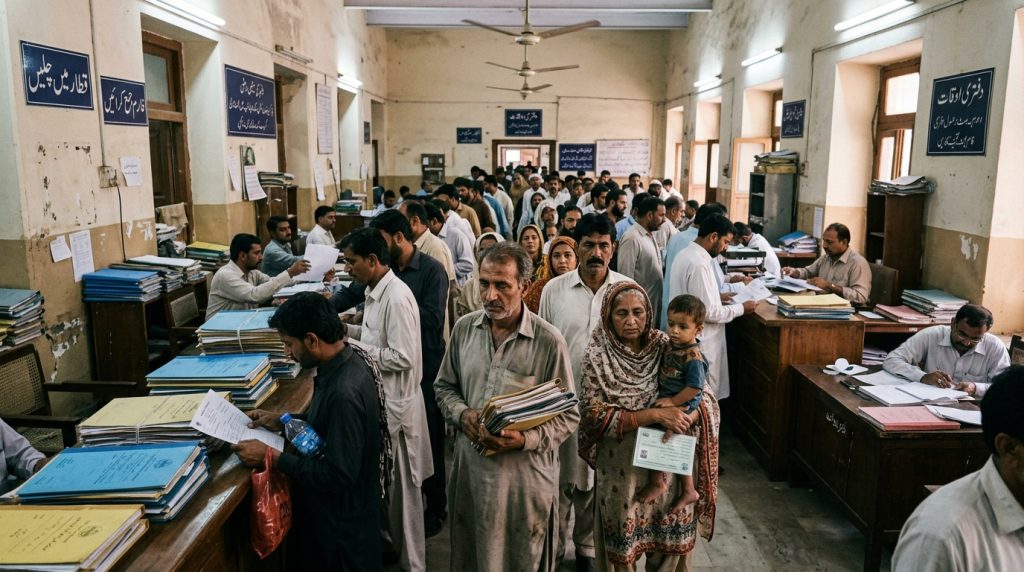
Unemployment & Informal Economy
Many survive, but cannot plan their future. That uncertainty directly lowers happiness.
Trust vs Happiness
Trust vs Happiness
Trust in institutions strongly predicts happiness.
Wealth ≠ Happiness
High income without security creates stress
Healthcare fear reduces life satisfaction
Economic instability overrides financial gains
Contrast: Elite vs Common Life. Inequality shapes how differently citizens experience the same country.
Governance transforms wealth into security or stress.
A Realistic Roadmap for Pakistan (Top 50 Vision)
Phase 1: Governance Stability
Rule of law
Anti-corruption
Policy consistency
Phase 2: Economic Relief
Control inflation
Energy reforms
Targeted subsidies
Phase 3: Social Protection
Healthcare access
Education reform
Safety nets
The Architecture of Happiness: With the right policies, the future of happiness can be rewritten.
Phase 4: Trust Building
Police reform
Judicial efficiency
Transparency
Phase 5: Cultural Strength + Modern Governance
Pakistan already has strong family and social systems; combined with governance reform, this can create a unique happiness model.
Pakistan does not lack resilience; it lacks predictable systems. Fix the system, and happiness will follow.
Students deserve to learn without fear
Patients deserve care without debt
Citizens deserve stability without anxiety
Governance is the invisible force shaping everyday happiness.
With the right policies, the future of happiness can be rewritten.
Conclusion
Behind every policy is a human story:
Students who study without fear
Patients who heal without debt
Workers who dream without anxiety
Governance is the silent force determining whether people survive or truly live.
FAQs
Q1. Can good governance alone make people happy?
No, but without it, sustained happiness is unlikely.
Q2. Why are Nordic countries always at the top?
Strong institutions, welfare systems, and social trust.
Q3. Why isn’t the U.S. in the top 10?
High wealth but challenges in healthcare access, inequality, and work-life balance.
Q4. Can Pakistan improve its happiness ranking?
Yes, through governance reforms and institutional stability.
Q5. Does wealth guarantee happiness?
No. Security and fairness matter more.
Q6. What is the fastest way to improve national happiness?
Reduce corruption and improve public service delivery.