
The 11th-Hour Truce: How a Last-Minute Deal Reshaped the Middle East, and the Global Economy
By Maj Hamid Mahmood (Retired), MA Political Science, LLB, PGD (HRM) Investigative Analysis
April 8, 2026 • 12 min read
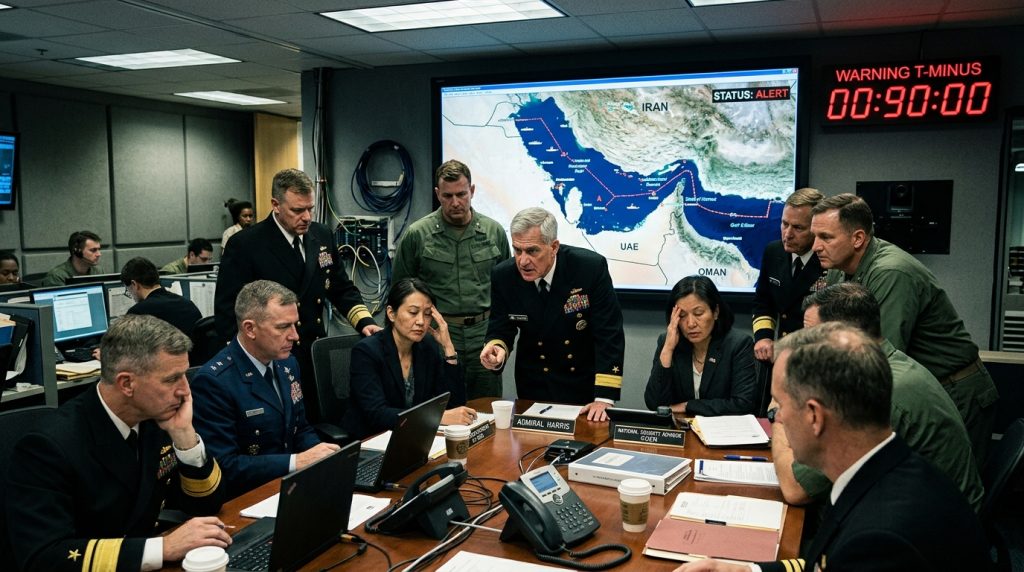
The 11th-Hour Truce: How a Last-Minute Deal Reshaped the Middle East, and the Global Economy. The world held its breath for 90 minutes. On April 7, 2026, U.S. President Donald Trump had given Iran an ultimatum: reopen the Strait of Hormuz or face “devastating attacks” that would wipe out “a whole civilisation.” Military strikes were set to begin. Then, with barely an hour to spare, everything changed. The U.S. and Iran agreed to a two-week ceasefire, pulling the region and the world back from the edge of catastrophe.
https://mrpo.pk/us-war-without-declaration/
The 11th-Hour Truce: How a Last-Minute Deal Reshaped the Middle East, and the Global Economy
Theme
To explain the real-world stakes of the April 2026 US-Iran truce, Israel’s loophole, the economic wreckage, and Trump’s true wins and losses, so readers can follow the coming negotiations without spin or confusion.
But here’s the catch: nobody seems to agree on what the ceasefire actually covers, and the economic damage is already done.
How the 11th-hour US-Iran ceasefire unfolded
“Subject to the Islamic Republic of Iran agreeing to the COMPLETE, IMMEDIATE, and SAFE OPENING of the Strait of Hormuz, I agree to suspend the bombing and attack of Iran for a period of two weeks. This will be a double-sided CEASEFIRE!” he wrote on Truth Social.
On the face of it, his threat had worked. That morning, Mr Trump had issued a grave ultimatum to Tehran: reopen the Strait by 8 pm EST (1 am BST) or “a whole civilisation will die tonight”.
The 11th-Hour Truce: The Deal at a Glance
Duration: Two weeks, beginning immediately on April 8.
The Simple Trade: The U.S. suspends attacks on Iran. In return, Tehran temporarily reopens the Strait of Hormuz, the narrow waterway through which one-fifth of the world’s oil passes.
The Fine Print That Isn’t So Fine: Iran’s foreign minister, Abbas Araghchi, confirmed safe passage will be coordinated through the strait for two weeks, with Iran and Oman allowed to charge transit fees, revenue Tehran plans to use for post-war reconstruction. But beyond that, the details get messy.
Israel’s Position: A Puzzling Loophole
You’d think a ceasefire is a ceasefire. But Israel’s Prime Minister Benjamin Netanyahu found a creative way to keep fighting. He publicly supported Trump’s decision to pause strikes on Iran. Then he added a crucial clarification: the two-week truce “does not include Lebanon.”
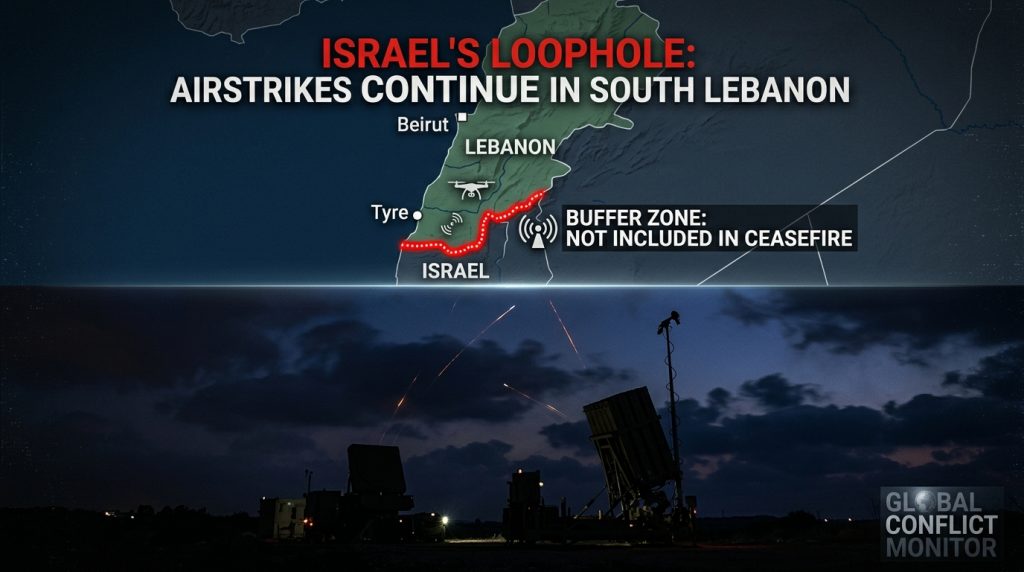
That directly contradicted Pakistan’s Prime Minister Shehbaz Sharif, who had announced the ceasefire covered “everywhere, including Lebanon and elsewhere.” So who’s right? Israel is signalling it will continue its campaign against Hezbollah, the Iran-backed militant group in Lebanon, regardless of what happens with Iran.
Why does this matter? Because Lebanon isn’t some side issue. Since March 2, Israeli attacks on Lebanon have killed more than 1,500 people and displaced over a million. And Iran’s 10-point peace proposal explicitly calls for ending hostilities on all fronts, including Lebanon. That’s a fundamental disagreement that could blow up the entire negotiation process.
The Economic Earthquake: What’s Already Broken
Here’s the uncomfortable truth: Even if the truce holds, the economic damage won’t magically disappear. Think of it like a car crash. Stopping the collision doesn’t instantly repair the wreckage.
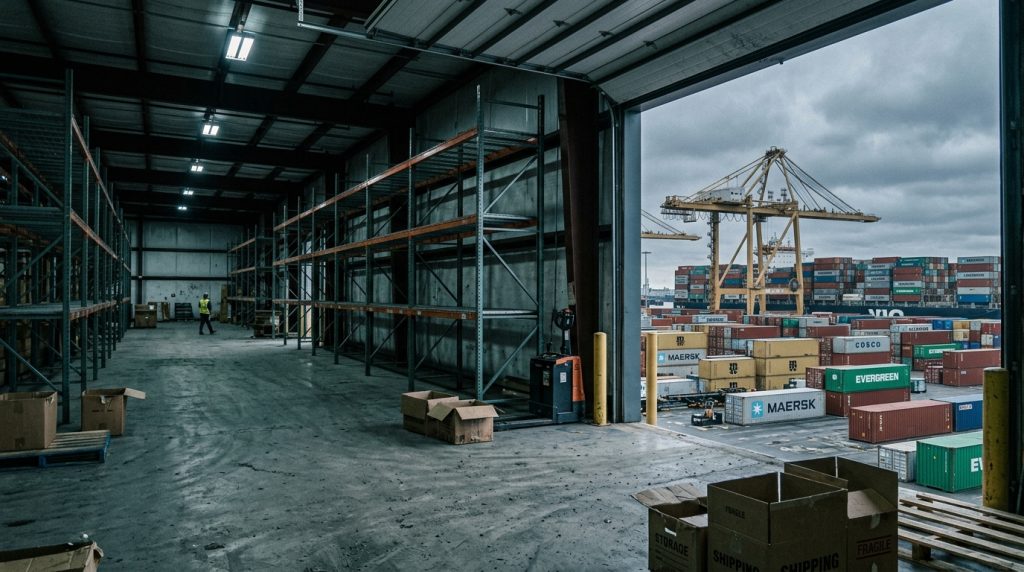
Oil prices plunged, but only temporarily. Brent crude dropped over 15% to around $95 a barrel after the truce announcement. Some reports showed a 20% plunge. That sounds like good news, right? Not so fast. An estimated 11 to 13 million barrels per day of oil production, roughly 10–13% of global supply, remains offline. An energy analyst put it bluntly: the ceasefire provides “an offramp for Trump’s overly bombastic ultimatum, but not yet an offramp for oil markets.”
The U.S. feels it at the pump and beyond. The national average gas price reached $3.98 per gallon, up from $2.98 in February. That’s not just an inconvenience. Higher fuel costs trickle into everything: groceries, airline tickets, shipping fees. Amazon added fuel surcharges. Mortgage rates hit a seven-month high near 6.5%.
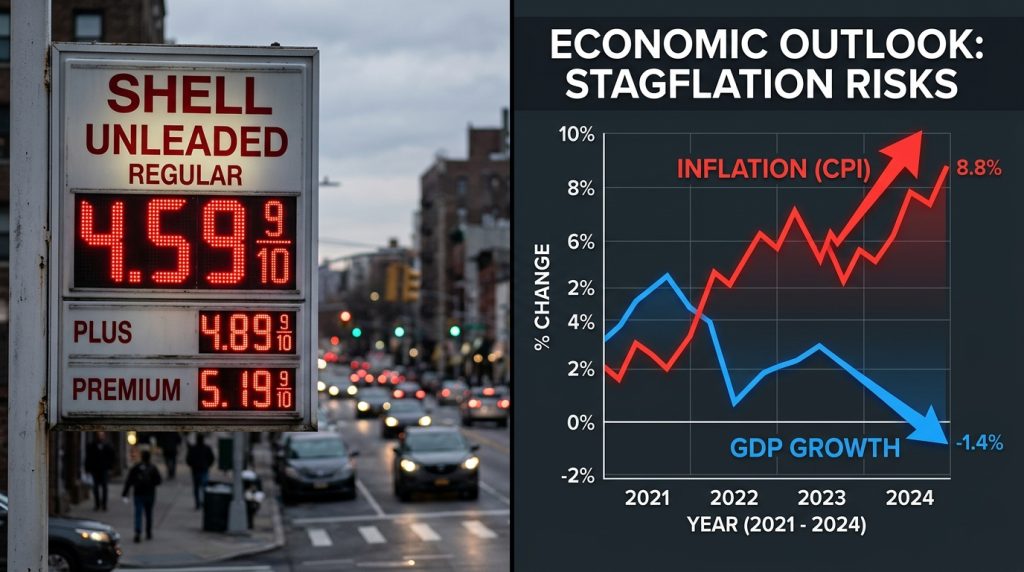
The 11th-Hour Truce: Europe’s energy nightmare gets worse. The EU faces a potential return of “stagflation”, that dreaded 1970s combo of high inflation and low growth. Germany’s export-heavy economy is particularly vulnerable. Britain, heavily dependent on gas for electricity, is bracing for more price hikes. Italy’s manufacturing sector is scrambling.
Poor countries get crushed hardest. The IMF warns this shock will hit low-income nations disproportionately. Why? Because food accounts for about 36% of household consumption in poor countries, compared to just 9% in wealthy nations. That’s not just an economic problem, it’s a recipe for social instability.
Supply Chain Nightmares: Beyond Oil
The Strait of Hormuz isn’t just about oil. It’s a chokepoint for a surprising array of critical goods.
- Helium shortage. Qatar supplies about 35% of the world’s helium. MRI machines and semiconductor manufacturing are now severely disrupted.
- Fertiliser crisis. About 46% of the world’s seaborne urea fertiliser trade passes through the Gulf. Prices have jumped 50%, meaning higher food costs worldwide.
- Aluminium and EV battery components. Gulf smelters produce about 9% of the global aluminium supply. Sulfur disruption threatens nickel and cobalt for electric vehicle batteries.
The UN’s trade body, UNCTAD, slashed its 2026 global trade growth forecast from 4.7% to just 1.5%, warning of a “cascading crisis.”
The 11th-Hour Truce: How Long Will the Devastation Last?
Short-term (2–4 weeks): If the truce holds and negotiations succeed, the strait reopens. The global economy avoids immediate collapse, but prices will remain above pre-war levels. A “war premium” gets baked into every transaction. Depleted fertiliser inventories could take months to rebuild.
Medium-term (2–6 months): If the truce collapses and the strait closes again, oil could spike to $150–$200 per barrel. The global economy tips into recession. U.S. growth stalls. Europe faces a full-blown energy crisis.
Long-term (6+ months to years): Even if peace breaks out tomorrow, the damage isn’t reversible overnight. Repairing damaged oil infrastructure will take “months or even years.” The world could face a structural supply shortfall of 3 to 5 million barrels per day for the next several years.
Trump’s Scorecard: What He’s Won and What It’s Cost Him
Let’s get one thing straight: Declaring “total victory” is easy. Actually winning? That’s a whole different ball game.
President Trump has been quick to claim that the U.S. has “met and exceeded” all its military objectives, touting “swift, decisive, overwhelming victories on the battlefield.” And to be fair, the administration has some legitimate points to back up that bravado.
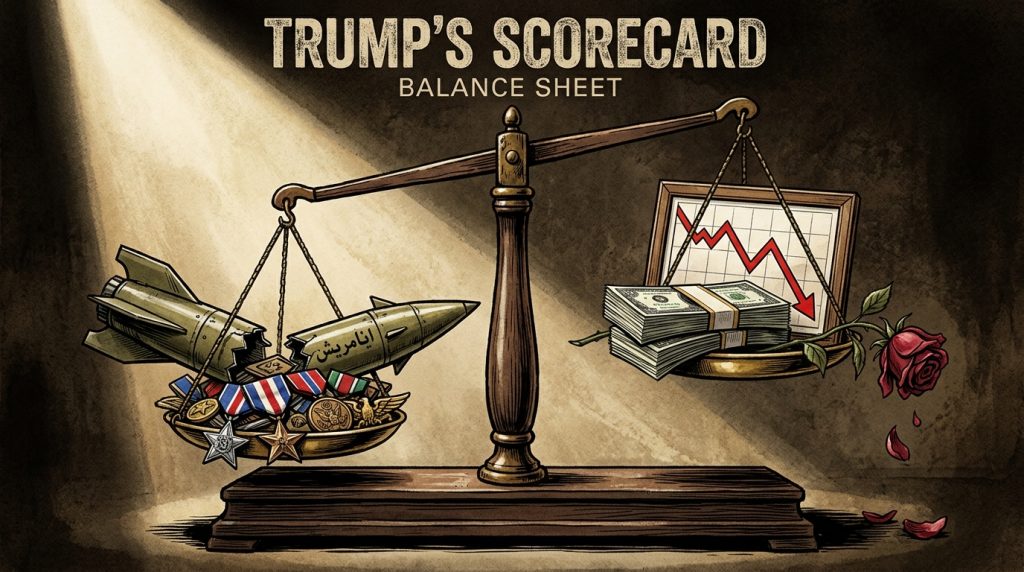
🏆 On the “Won” Side of the Ledger
- Iran’s Military Machine is Battered: The U.S. and Israel have significantly degraded Iran’s conventional military power. A Pentagon official claimed roughly 90% of Iran’s known missile potential was destroyed in the initial phases of Operation Epic Fury.
- The Nuclear Program is Set Back: The initial strikes on Iran’s nuclear facilities last summer delayed Tehran’s path to a bomb.
- The Regime is Bleeding: The decapitation strike was successful. Supreme Leader Ali Khamenei was killed, and many of his top commanders are gone. What’s left of Iran’s leadership is reportedly “cowering in bunkers”.
📉 On the “Lost” Side of the Ledger
- The Staggering Price Tag: War is expensive. The daily cost of the campaign has topped $500 million a day. Total bill so far: around $31 billion, with at least $2.1 billion needed just to replace destroyed U.S. military equipment. To fund this, the administration is cutting $73 billion from education, housing, and healthcare.
- The Human Cost: 13 U.S. service members killed, 373 wounded. On the Iranian side, thousands of civilians are dead, and millions are displaced.
- The Strategic Trap: The U.S. is stuck in a no-win situation: “In no circumstance can Trump just walk away. He’ll be humiliated if he leaves, and we’ll be in a quagmire if he stays.”
- The Failure of Regime Change: The central gamble of the war was that destroying Iran’s leadership would trigger an internal uprising. Massive miscalculation. Instead of collapsing, the regime has hardened. One administration source described the mood as “buyer’s remorse,” admitting they “underestimated the regime’s resilience”.
- The Political Fallout at Home: Trump’s approval rating on the economy has fallen to 31%. The prospect of a punishing defeat in the upcoming midterm elections is very real.
What’s on the Negotiating Table?
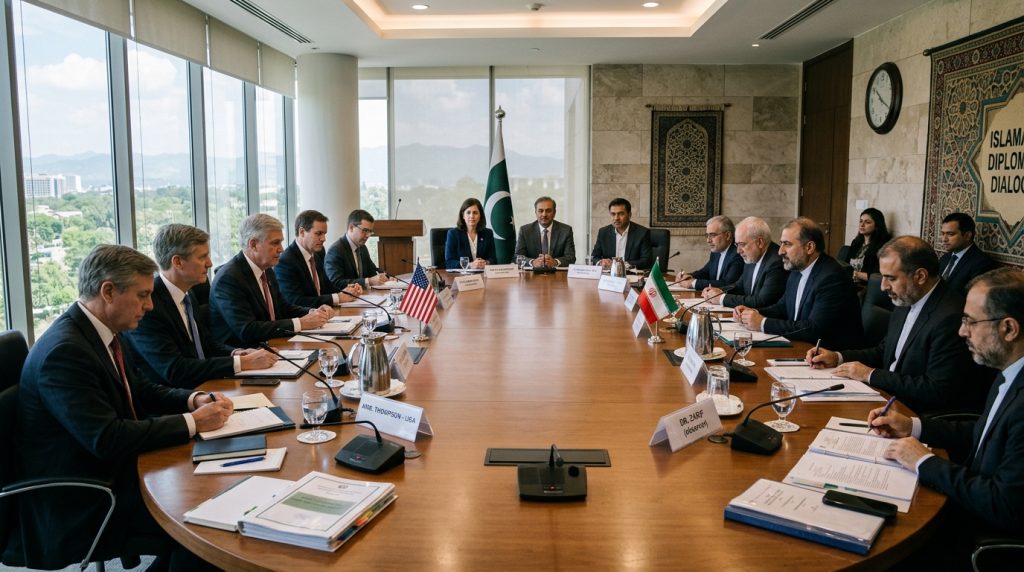
The 11th-Hour Truce: Talks begin Friday, April 10, in Islamabad, hosted by Pakistan. Here’s what each side wants:
- U.S. demands (the short version):
Iran must “remove nuclear material, halt uranium enrichment, and curb its ballistic missile program.”
Permanent reopening of the Strait of Hormuz.
End to Iranian support for militant groups across the region. - Iran’s 10-point plan (what they’re actually asking for):
Continued Iranian control over the Strait of Hormuz.
Acceptance of uranium enrichment.
Lifting of all primary and secondary sanctions.
Release of frozen Iranian assets.
U.S. military withdrawal from the Middle East.
A binding UN Security Council resolution locking everything in place.
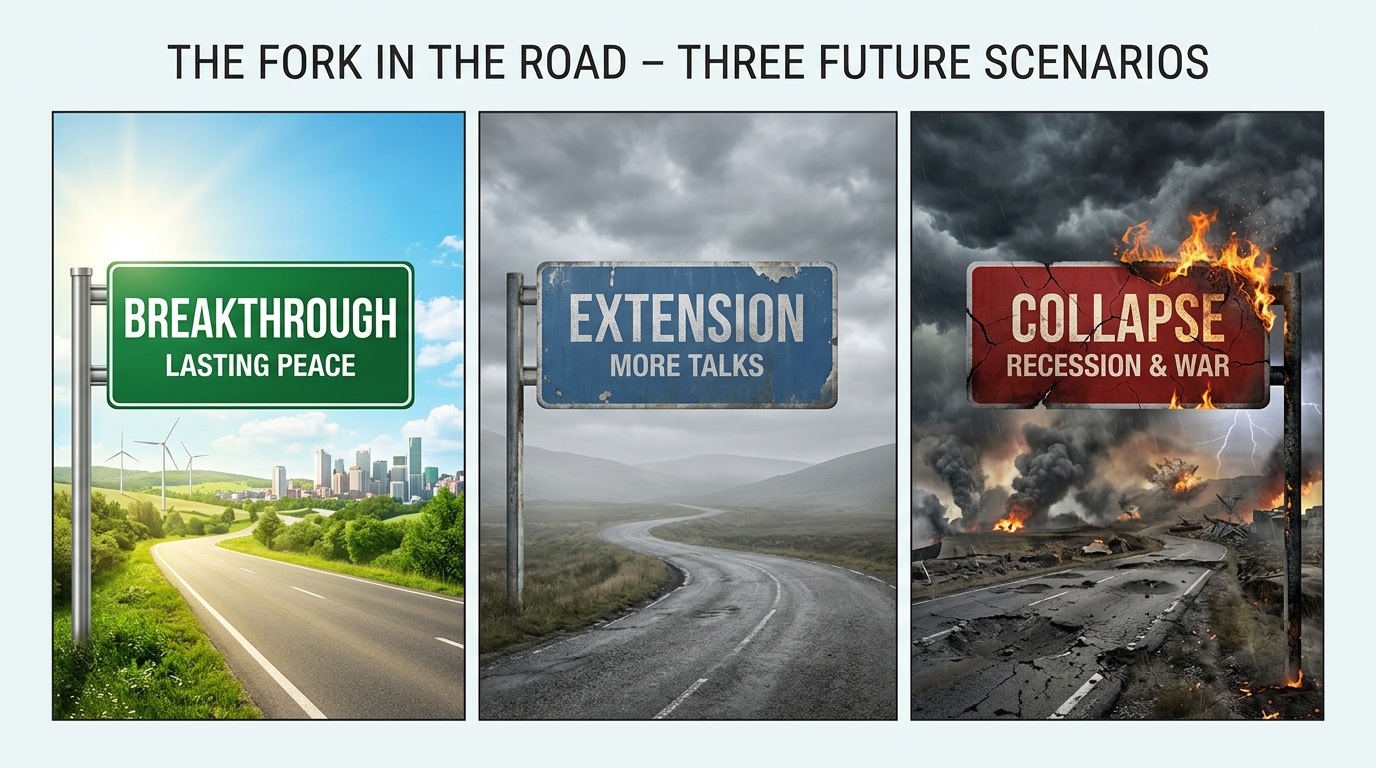
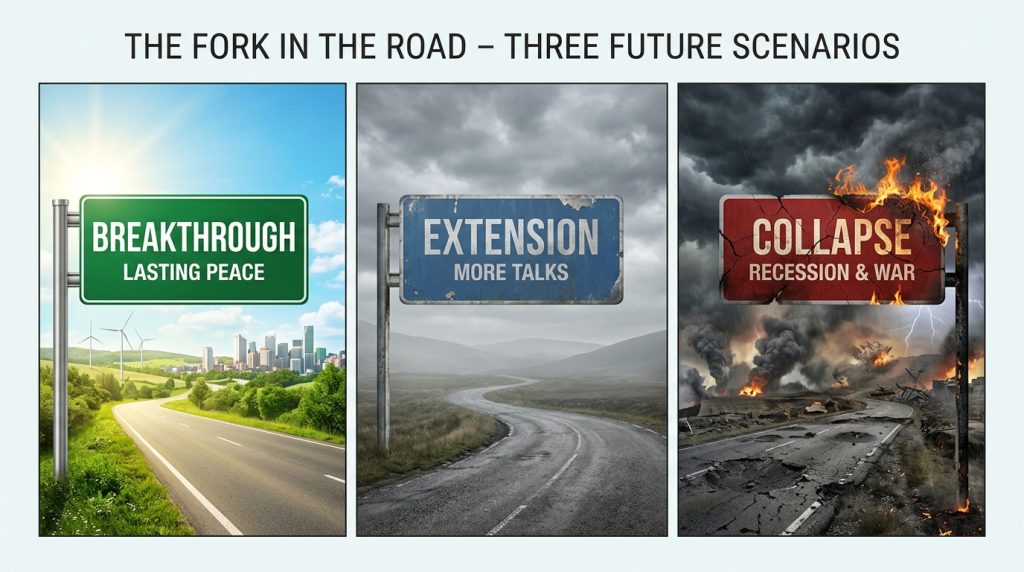
Three Ways This Could Play Out
Scenario 1: The Breakthrough (unlikely but possible). A grand bargain on Iran’s nuclear program leads to a lasting peace. The world exhales.
Scenario 2: The Extension (most likely). The two-week truce gets extended while negotiators keep talking. Core issues remain unresolved. Oil prices stay volatile.
Scenario 3: The Collapse (dangerously possible). Talks break down. On one side, probably Israel, given its Lebanon loophole, takes action that derails the process. Hostilities resume, worse than before. Oil spikes past $150. Recession becomes inevitable.
The 11th-Hour Truce: The Bottom Line
The 11th-hour truce bought the world two weeks of breathing room. That’s it. Two weeks to figure out whether this is the beginning of a real peace or just the calm before an even stormier storm.
The economic damage is already done. Supply chains are shattered. Inflation is accelerating. Poor countries are getting crushed. And nobody, not the U.S., not Iran, not Israel, agrees on what comes next.
But here’s the hopeful part: for 90 terrifying minutes, the world faced the brink of all-out war. And at the last possible moment, cooler heads, or at least, more pragmatic ones, prevailed. That’s proof that even in the darkest moments, diplomacy can still find a crack of light. Whether that crack widens or slams shut? That’s what the next two weeks will decide.
Frequently Asked Questions
1. How long will the ceasefire actually last?
The truce is officially two weeks, from April 8 to April 22. But if negotiations go well, it could be extended. If they collapse, fighting could resume immediately.
2. Will this bring down gas prices at the pump?
Possibly, but don’t expect a huge drop right away. The ceasefire allows delayed shipments to move, which could provide some relief. But production remains offline, and damaged infrastructure will take months to repair. Analysts warn of a longer-term supply shortfall of 3–5 million barrels per day for the next few years.
3. Why won’t Israel stop fighting in Lebanon?
Israel sees Hezbollah as a direct Iranian proxy and a threat to its northern border. Netanyahu’s government argues the U.S.-Iran ceasefire doesn’t apply to that front, a position that directly contradicts what Pakistan’s prime minister announced. This disagreement could become a major sticking point in negotiations.
4. The 11th-Hour Truce: What’s Iran’s nuclear program got to do with all this?
The U.S. accuses Iran of enriching uranium to build a nuclear weapon, an assertion the UN nuclear watchdog hasn’t backed and Iran denies. The U.S. wants Iran to halt enrichment and dismantle its program. Iran wants the right to enrich uranium for peaceful purposes. That fundamental disagreement lies at the heart of the standoff.
5. How will this affect food prices?
The war has disrupted fertiliser supplies from the Gulf, with prices jumping 50%. Higher fuel costs also make farming and transportation more expensive. The IMF warns this could lead to weaker harvests and sustained food inflation, especially in poor countries where food accounts for over a third of household spending.
6. What’s the worst-case scenario?
If the truce collapses and the Strait of Hormuz closes again, oil could spike past $150–$200 per barrel. The global economy would likely tip into recession. Europe would face an energy crisis worse than in 2022. Poor countries could see social unrest over food shortages. The IMF warns of a return to 1970s-style stagflation: high inflation, low growth, rising unemployment.
References & sources
- Al Jazeera. “Netanyahu says US-Iran ceasefire ‘does not include Lebanon’.” April 8, 2026.
- Al Jazeera. “Iran war: What is happening on day 40 of US-Israeli attacks?” April 8, 2026.
- Channel NewsAsia. “What we know about the two-week truce between the US and Iran.” April 8, 2026.
- CNBC. “’All roads lead to higher prices and slower growth,’ warns IMF chief as Iran war hits global economy.” April 7, 2026.
- IMF Blog. “IMF warns ‘all roads lead to higher prices’ as Iran war rattles fragile economies.” March 31, 2026.
- News.com.au. “Analyst warns of long-term fuel shortfall despite Middle East ceasefire.” April 7, 2026.
- Pakistan Observer. “From oil to food to markets: How a month of war on Iran has remade the world economy.” April 2, 2026.
- RTÉ. “US-Iran truce: What we know.” April 8, 2026.
- SANA. “OPEC+ agrees on nominal oil output rise as war disrupts global supply.” April 5, 2026.
- The Times of India. “’Israel backs US ceasefire with Iran but not Hezbollah’: What Netanyahu said on two-week truce.” April 8, 2026.
© 2026 StratNews. All rights reserved. This analysis is for informational purposes and does not constitute financial or policy advice.