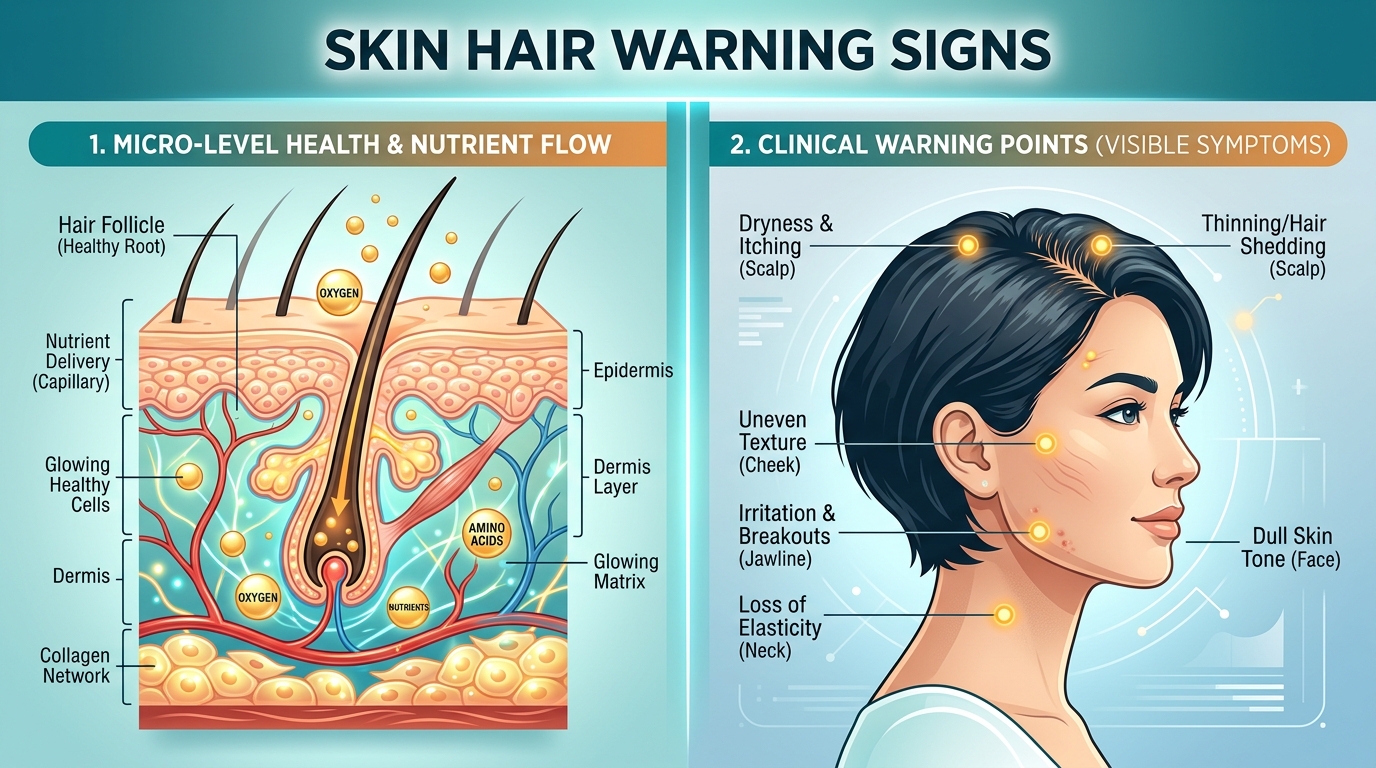
Skin Hair Warning Signs

Skin Hair Warning Signs
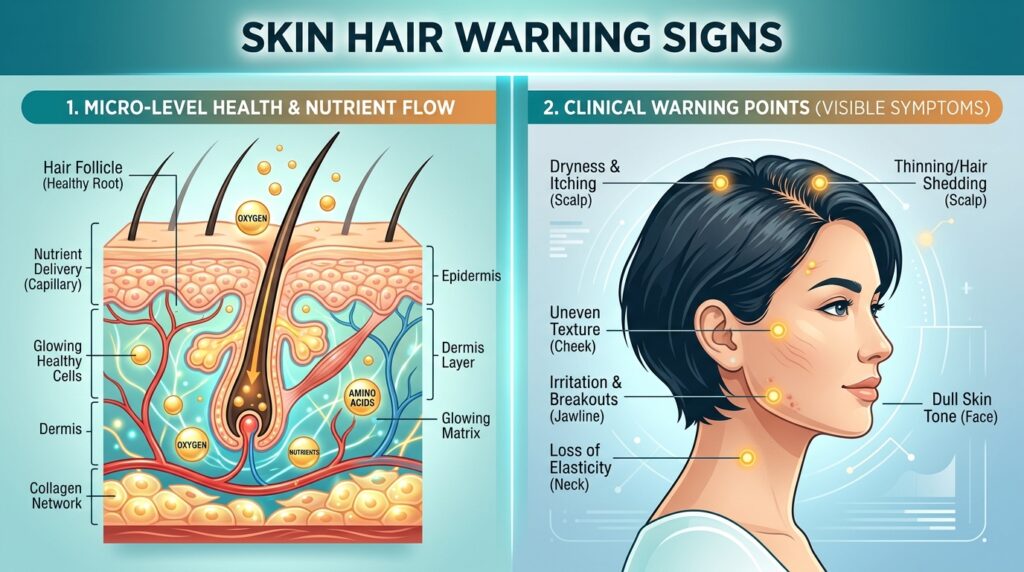
Skin hair warning signs: Have you ever noticed your hair suddenly falling out in handfuls when you brush it, or found strange dark patches on your neck that will not wash off? Most of us react by buying expensive shampoos, heavy moisturisers or costly acne creams. We treat these changes as surface problems that just need a cosmetic fix.
Skin Hair Warning Signs
However, your skin and hair act as a giant warning system for your body. Long before an internal health issue shows up on a standard blood test, it leaves visible clues on your scalp, face, and nails.
“Your skin and hair are not separate from your body. They are the outer mirror of your inner health.”
Ignoring these early warning signs can delay fixing the real underlying issue. Here is a simple, real-life guide to understanding what your skin, hair, and nails are trying to tell you, identifying common myths to avoid, and protecting your health from the inside out.

Skin and hair

To some extent, your genes determine how well your skin stands the test of time. But environmental factors such as sun exposure play a big role as well, affecting not just your skin’s appearance, but also your risk of skin cancer.

When it comes to skin treatments, there’s lots of good news regarding therapies for medical conditions as well as cosmetic concerns. But it’s important to choose your treatments with care, and to check and double-check the reputation and accreditation of clinicians performing invasive skin procedures. The market for skin treatments is skyrocketing: research indicates Americans spend an estimated $5 billion or more each year on anti-aging skin care products, and the number of minimally invasive cosmetic procedures to improve the skin’s appearance – like chemical peels, fillers, and lasers – has increased to more than 16 million annually in the United States.

https://www.health.harvard.edu/topics/skin-and-hair

1. Hair, Scalp, and Nail Signals

Your hair strands and nail beds need a steady supply of nutrients and balanced hormones to grow normally. When something goes wrong inside your body, your scalp and hands are often the first places to show it.

Sudden Hair Loss and Iron Deficiencies

If you notice your hair thinning evenly all over your head, your body might be under metabolic stress. When you suffer from low iron levels, thyroid imbalance, or recover from a severe viral infection, your body goes into survival mode. It directs nutrients to your heart, brain, and lungs while cutting off supply to your hair follicles.
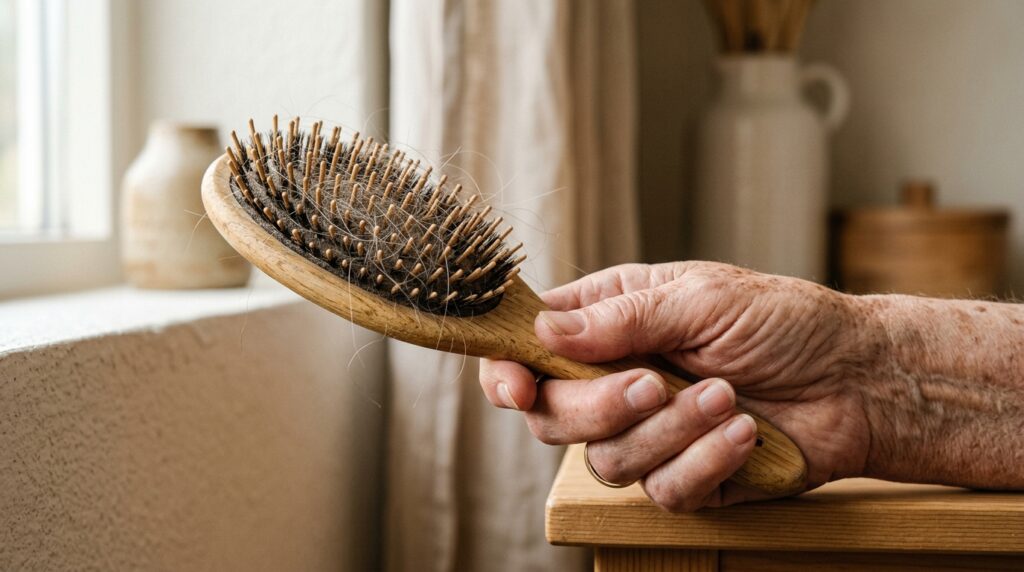
Close-up of hair shedding on a wooden hairbrush representing early iron deficiency and hair loss symptoms.
Sudden Hair Loss and Iron Deficiencies
Real Life Example: The Iron Depletion Trap

Consider Sarah, a high school teacher who noticed her ponytail feeling much thinner over two months. She spent hundreds of dollars on thick hair shampoos and scalp oils. When she finally visited a doctor for a routine checkup, a simple blood test showed her iron storage levels (ferritin) were dangerously low. Her hair loss was not a scalp problem at all; her body was simply preserving iron for her vital organs. Once she took the right iron supplements for three months, her hair started growing back naturally.

Patchy Bald Spots and Immune Confusion

Sometimes, hair loss happens in small, smooth, round patches. This occurs when your immune system gets confused and mistakenly attacks your own hair roots. This reaction is closely tied to systemic inflammation and hidden autoimmune conditions. When your body is fighting internal inflammation, your hair roots pay the price.

Brittle Hair and Thyroid Problems

If your hair becomes dry, breaks easily, and your scalp feels constantly tight and flaking, your thyroid gland might be running too slowly. The thyroid controls your body’s speed. When it slows down, your scalp produces less natural oil, making your hair weak and brittle.

Nail Health: The Hidden Third Indicator

Nails are made of keratin, just like your hair. Changes in your nails give direct clues about internal circulation and nutrient absorption:
  • Spoon-Shaped Nails (Koilonychia): Nails that scoop inward like a spoon often indicate long-term iron deficiency anaemia.
  • Clubbed Fingertips: Rounded, swollen fingertips with nails that curve downward can be an early sign of chronic low blood oxygen, lung conditions, or heart issues.
  • Horizontal Ridges (Beau’s Lines): Deep lines running across your nails show that a severe physical shock, high fever, or illness temporarily stopped your nail growth.
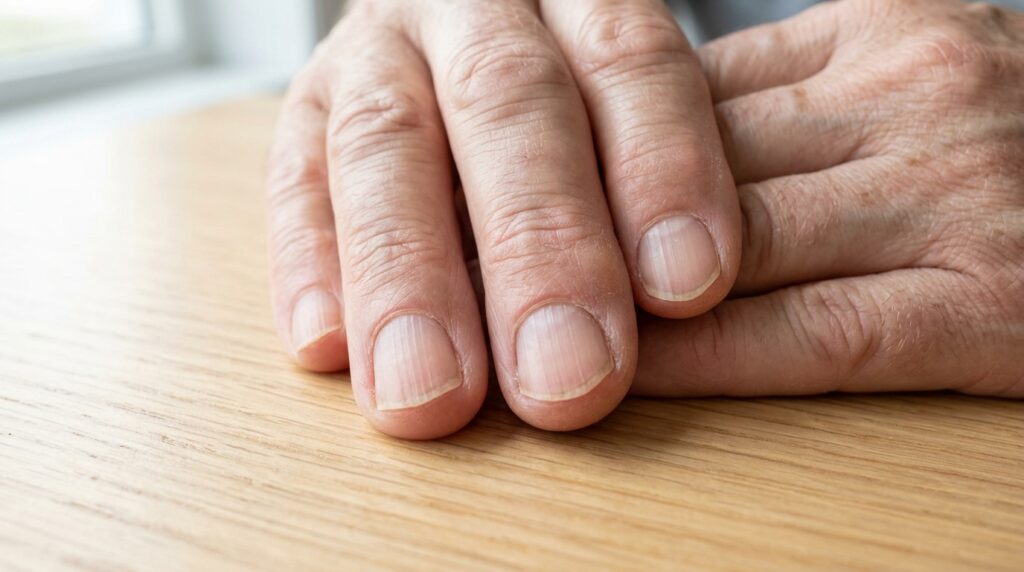
    Macro photograph of human fingernails showing subtle ridges as indicators of internal health shifts.
    Nail Health: The Hidden Third Indicator

2. Skin Texture and Pigment Warnings

Your skin constantly sheds old cells and builds new ones. Internal health problems disrupt this natural rebuilding process, creating noticeable changes in skin colour, texture, and moisture.

Dark Velvety Patches and Prediabetes

If you notice soft, dark, slightly thickened skin around your neck, armpits, or elbows, it is rarely caused by dirt or poor hygiene. This condition is caused by high levels of insulin floating in your blood. When your body struggles to process sugar, your pancreas pumps out extra insulin. Excess insulin causes your skin cells to multiply too fast and produce dark pigment.
Real Life Example: The Dirty Neck Misunderstanding

Look at Jason, a 16-year-old high school student who developed dark, velvety skin around the back of his neck. His mother thought he was not washing properly and encouraged him to scrub hard with harsh soaps. The dark patches remained. A visit to the school clinic revealed that Jason’s fasting blood sugar and insulin levels were high, putting him at risk for prediabetes. By changing his diet and reducing sugary drinks, his insulin levels dropped, and his skin colour slowly returned to normal over six months.
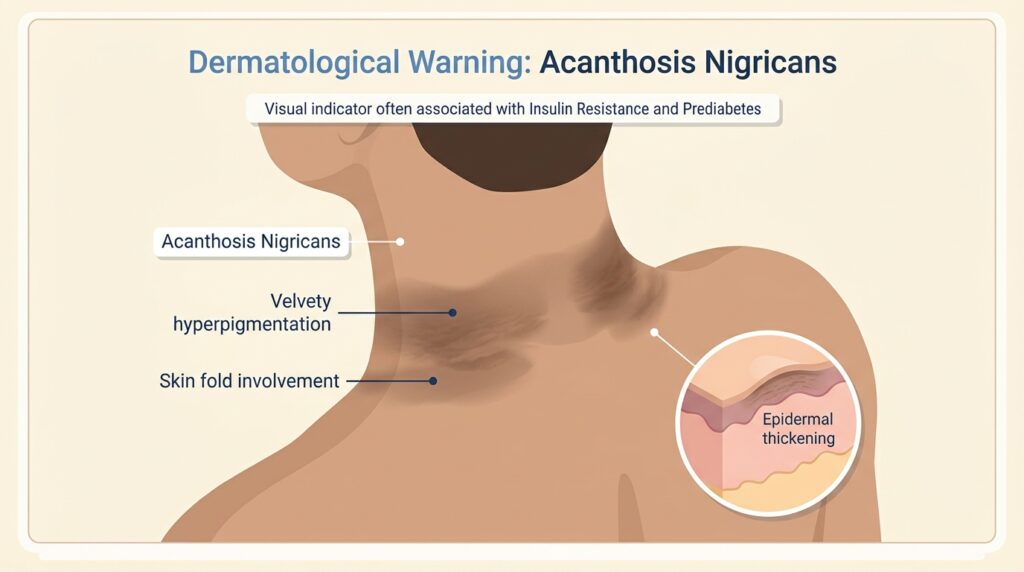
Educational diagram showing dark velvety skin patches on the neck caused by high insulin levels.
Dark Velvety Patches and Prediabetes

Persistent Face Redness and Gut Inflammation

A dark pink or red rash across your nose and cheeks can mean two very different things. A butterfly-shaped red rash that flares up in the sun can be an early sign of an autoimmune condition called lupus. On the other hand, constant redness, tiny bumps, and visible blood vessels across your cheeks often link directly to an imbalance in your gut bacteria. When your digestive system is inflamed, your blood vessels dilate, showing up as redness on your face.

Yellowish Tint and Liver Strain

If your skin or the whites of your eyes take on a light yellow tone, your liver is likely struggling to filter out waste products called bilirubin. Additionally, soft, small yellow bumps forming around the corners of your eyelids are often direct deposits of excess cholesterol. These tiny bumps act as an early warning for high blood fats and cardiovascular strain.

3. Global Skin Types and Tone Differences

Warning signs do not look identical on everyone. Biological melanin levels change how internal health shifts appear on the surface of your skin.
  • Darker Skin Tones: Internal inflammation, prediabetes patches, or friction changes often show up as dark brown, purplish, or greyish patches rather than bright red. Post-inflammatory hyperpigmentation (dark spots left behind after healing) is also much more common in Asian, African, and Hispanic populations.
  • Lighter Skin Tones: Redness and visible blood vessel changes show up quickly on fair skin, but early jaundice (yellowing) can be harder to catch on the skin surface. Checking the whites of the eyes (sclera) and the palms of the hands provides a clearer answer.
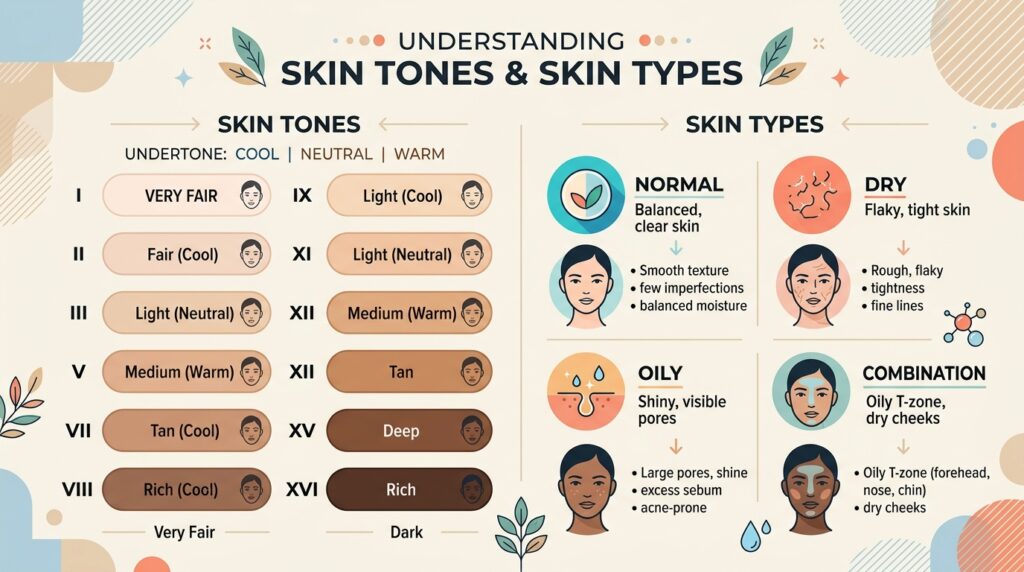
    Skin_tone_swatches_displayed_
    Global Skin Types and Tone Differences

4. How Age and Gender Change the Rules

Internal health problems manifest differently based on your age, biological hormones, and metabolic speed.

Men and the High Stress Pattern

Men often ignore early skin and hair warning signs, assuming fatigue or changing skin are just normal parts of working hard.
  • Jawline Acne and Liver Load: When men experience high work stress, their bodies release high levels of cortisol alongside testosterone spikes. This combination causes severe oil breakouts along the jawline and back, pointing to an overworked liver struggling to filter excess hormones.
  • Sudden Crown Thinning: Rapid thinning at the top of the head in young men often links to high blood sugar spikes, which accelerate hormone breakdown around hair roots.
Real Life Example: The Overworked Executive
Take Mark, a 34-year-old accountant who started getting severe acne along his neck and back while working late hours. He bought harsh body washes, but nothing helped. A blood test showed elevated liver enzymes and high blood sugar caused by poor sleep, high daily stress, and fast-food meals. Once he improved his diet and sleep schedule, his skin cleared up within eight weeks.

Women and Hormonal Sensitivity

A woman’s skin and hair react quickly to subtle shifts in monthly hormonal cycles, thyroid health, and metabolic changes.
  • PCOS and Jawline Hair: Developing coarse facial hair along the chin alongside adult acne is a primary sign of Polycystic Ovary Syndrome (PCOS). This metabolic condition causes the ovaries to produce excess male hormones.
  • Thinning Hair at the Part: When a woman’s middle hair part grows wider, it often points to low thyroid function, low iron storage, or sudden drops in estrogen levels.
Real Life Example: The Mysterious Breakout
Consider Elena, a 26-year-old graphic designer who never had acne as a teenager but suddenly developed painful cystic bumps on her chin. Her dermatologist recognised the hormonal pattern of PCOS and ordered an ultrasound and blood test instead of just prescribing topical acne creams. Addressing her internal hormone levels restored her smooth skin.

Older Adults and Digestibility Factors

As people age, their skin becomes thinner, and their digestive systems absorb fewer nutrients from food.
  • Easy Bruising and Vitamin Shortages: Small purple spots or easy bruising on the arms often point to fragile blood vessels caused by poor Vitamin C absorption or long-term medication use.
    Extreme Dry Skin and Kidney Health: Very dry, constantly itchy skin in seniors is not always fixed by body lotion. It often happens when ageing kidneys struggle to clear metabolic waste from the bloodstream.
Real Life Example: The Persistent Itch
Look at Robert, a 68-year-old retiree who suffered from itchy skin on his legs and arms every night. He tried multiple moisturising lotions with no relief. His doctor ran a simple blood test and discovered his kidney function had slowed down. Adjusting his hydration and diet helped clear the waste buildup and stopped the persistent itching.

5. Myths vs Reality

Myth 1: Hard scrubbing and strong soaps can wash away dark neck patches.
Reality: Dark velvety patches are caused by high internal insulin levels driving rapid cell growth, not surface dirt. Scrubbing causes skin irritation and makes the darkening worse.
Myth 2: Oil treatments and special shampoos can stop sudden hair loss.
Reality: Shampoos only clean the surface of your scalp. If your hair is falling out due to low iron, thyroid issues, or severe internal stress, topical oils cannot fix the internal root cause.
Myth 3: Adult acne is just caused by dirty skin or bad makeup.
Reality: Adult acne along the jaw and chin is usually driven by internal hormonal fluctuations, insulin resistance, or gut inflammation.
Myth 4: Drinking massive amounts of water will cure dry, flaking skin.
Reality: Hydration is important, but dry, flaking skin often stems from a lack of healthy fats in your diet, low thyroid function, or improper skin barrier care.

6. Natural Prevention and Household Care

While natural remedies cannot cure or treat active medical conditions like thyroid disease or severe iron deficiency, several evidence-based natural ingredients and daily household habits can strengthen your skin barrier and hair roots. Using these simple preventive measures helps protect your skin and hair before internal stressors cause noticeable damage.

Health_audit_clipboard_and_food_
Natural Prevention and Household Care

Hair & Scalp Resilience

Mielle Organics Rosemary Mint Hair Oil with Biotin
Mielle Organics Rosemary Mint Hair Oil with Biotin https://a.co/d/0i7NbXc7
Rosemary Oil Dilution: Clinical research demonstrates that diluted rosemary oil performs comparably to standard topical options for supporting scalp circulation and encouraging hair density over six months, with less scalp itching.
  • How to Use: Mix 3 to 5 drops of pure rosemary essential oil into a carrier oil (such as jojoba or coconut oil). Massage gently into the scalp twice weekly before washing. Never apply undiluted essential oils directly to the scalp.
  • Zazzee Extra Strength Green Tea
    Zazzee Extra Strength Green Tea https://a.co/d/0boMgQti

    Green Tea Rinse (EGCG Antioxidants): Green tea is rich in epigallocatechin gallate (EGCG). Studies highlight that EGCG helps protect hair follicle cells from oxidative stress and inhibits factors that trigger premature hair shedding.

    • How to Use: Brew a strong cup of unsweetened green tea, let it cool completely, and use it as a final scalp rinse after shampooing twice a week.

Skin Barrier Support & Hydration

Raw Honey (Natural Humectant & Antimicrobial): Medical-grade and raw unpasteurized honey contain enzymatic hydrogen peroxide and natural flavonoids. Research confirms its ability to bind moisture to the stratum corneum (outer skin layer) while suppressing opportunistic skin bacteria without disrupting the natural microbiome.
How to Use: Apply a thin layer of raw honey to clean facial skin for 10 to 15 minutes as a hydrating weekly mask before rinsing with lukewarm water.
  • Natural prevention ingredients including rosemary oil, raw honey, and green tea for hair and skin care.
    Skin Barrier Support & Hydration
    Aveeno Fragrance Free Soothing Bath Treatment, 100% Natural Colloidal Oatmeal
    Aveeno Fragrance Free Soothing Bath Treatment, 100% Natural Colloidal

    Oatmeal https://a.co/d/03Vxnzgp


    Colloidal Oatmeal Soaks: Colloidal oatmeal contains beta-glucans and avenanthramides. Studies show these compounds actively reduce skin cytokine inflammation, strengthen the lipid barrier, and prevent trans-epidermal water loss.

How to Use: Add finely ground colloidal oatmeal to warm (not hot) bath water or mix with water to form a soothing paste for dry, irritated areas.

Household Prevention Practices

Hard Water Filtration: High concentrations of minerals like calcium and magnesium in household tap water raise skin pH and react with natural fatty acids to form mineral deposits. This weakens the skin’s natural lipid barrier and exacerbates dryness.

iSpring WGB21B 2-Stage Whole House Water Filtration System, 50000 Gallons
iSpring WGB21B 2-Stage Whole House Water Filtration System, 50000 Gallons: https://a.co/d/07MagBeG
  • How to Use: Install a simple showerhead filter designed to reduce heavy mineral buildup and chlorine exposure.
  • Silk or Satin Pillowcases: Standard cotton pillowcases create mechanical friction against hair shafts and facial skin during sleep. Swapping to high-density satin or silk reduces surface drag, decreasing night-time hair breakage and preventing physical sleep creases on fragile skin.

7. Strategic Recovery Timeline

Instead of spending time and money on random cosmetic products, use this step-by-step approach to identify and fix internal health issues.

1. Weeks 1 to 2: The Product Reset: Remove External Irritants.

Simplify your daily routine to mild, unfragranced cleansers. Eliminate active chemical scrubs and new oils so you can observe your natural skin baseline.

2. Weeks 3 to 4: Diagnostic Testing: Target Root Causes via Blood Work.

Ask your doctor for specific blood tests rather than guessing: Complete Blood Count, Ferritin, TSH (Thyroid), HbA1c, Fasting Insulin, and Vitamin D/B12.

3. Months 2 to 3: Early Skin Barrier Recovery: Internal Repair Phase.

Skin cell turnover takes roughly 28 to 40 days. As your internal inflammation drops and nutrient levels balance, dark patches fade, and skin moisture improves.

4. Months 4 to 6: Hair Follicle Regeneration: Growth Cycle Activation.

Hair grows in long, slow cycles. Once internal iron and thyroid levels stabilise, hair shedding drops significantly, followed by healthy new growth.

8. Frequently Asked Questions

Why did I get adult acne when I never had pimples as a teenager?
Adult acne is often caused by changing internal hormone levels, chronic stress spiking your cortisol, or insulin resistance. These internal factors stimulate your oil glands much differently than teenage acne.
How long does it take for hair loss to stop after fixing an iron shortage?
Hair grows in long, slow cycles. Once your iron storage levels return to normal through proper diet or supplements, it typically takes three to six months to notice a significant drop in hair shedding.
Can diet and gut health actually reverse dark skin patches or hair loss?
Yes. When dark patches or hair loss are driven by insulin resistance, gut inflammation, or nutrient deficiencies, changing your diet directly fixes the root cause, allowing your skin colour and hair growth to recover naturally.
Can stress alone make my hair fall out?
Yes. Severe emotional or physical stress can shock a large number of your hair roots into a resting phase all at once. This results in heavy hair shedding about two to three months after the stressful event occurred.
Are yellow spots around the eyes dangerous?
While the yellow bumps themselves are harmless skin deposits, they are often an early warning indicator that your body is carrying high levels of blood fats or cholesterol, which requires medical attention.
Should I see a dermatologist or a general doctor first for skin changes?
Starting with a general doctor is usually best. They can run routine blood work to look for internal causes like thyroid issues, low iron, or blood sugar spikes before referring you to a specialist.

Scientific References and Sources

  1. American Academy of Dermatology: Skin Signs of Systemic Disease — Outlines how internal health disorders manifest outwardly on human skin and nails.
    Journal of Clinical Endocrinology & Metabolism: Cutaneous Manifestations of Insulin Resistance — Explains the biological connection between high insulin levels and skin darkening.
    National Institutes of Health (NIH): Thyroid Dysfunction and Hair Growth Cycles — Details how low thyroid hormones cause hair brittleness and diffuse shedding.
    Endocrine Society: Polycystic Ovary Syndrome and Cutaneous Symptoms — Demonstrates how hormone imbalances drive adult jawline acne and facial hair growth in women.
    Journal of Drugs in Dermatology: Oatmeal in Dermatology: Historical Background and Physiological Mechanisms — Reviews the barrier-repair properties of colloidal oatmeal.
    Skinmed: Randomised Trial of Rosemary Oil vs. Minoxidil 2% for the Treatment of Androgenetic Alopecia — Evaluates natural scalp circulation support.


Medical Disclaimer

The information provided in this article is for educational and informational purposes only and is not intended as medical advice. It should not be used to diagnose, treat, cure, or prevent any health condition, nor should it replace professional medical judgment. Always consult a qualified healthcare provider or doctor before making any significant changes to your diet, exercise routine, or lifestyle. Never disregard professional medical advice or delay seeking it because of something you have read in this article.

Affiliate Disclosure

This website contains affiliate links. If you click through and make a purchase, we may earn a small commission at no extra cost to you. We only recommend products and services that we trust and believe add value to our readers. Your support helps keep this site running.