
Sesame Seeds: Nutrition, Health Benefits, Uses, and Safety Guide
Introduction
Tiny, nutty, and deeply rooted in traditional diets, sesame seeds have been nourishing people for thousands of years. Whether sprinkled on bread, blended into tahini, or pressed into oil, sesame seeds quietly support strong bones, heart health, digestion, and skin wellness.
In South Asia, the Middle East, Africa, and parts of Europe, sesame seeds are more than just a garnish. They are a daily food with cultural, culinary, and medicinal value. Modern nutrition science now confirms many of these traditional beliefs, showing that seeds are rich in essential minerals, healthy fats, and protective plant compounds.
This article takes a deep look at sesame seeds, explaining their nutritional value, health benefits, practical uses, and safety considerations in a clear and balanced way.
These seeds have many potential health benefits. For instance, they may protect against heart disease, diabetes, and arthritis. But you may need to eat significant amounts of a small handful per day to gain health benefits.
Sesame seeds are tiny, oil-rich seeds that grow in pods on the Sesamum indicum plant. They have been used in folk medicine for thousands of years.
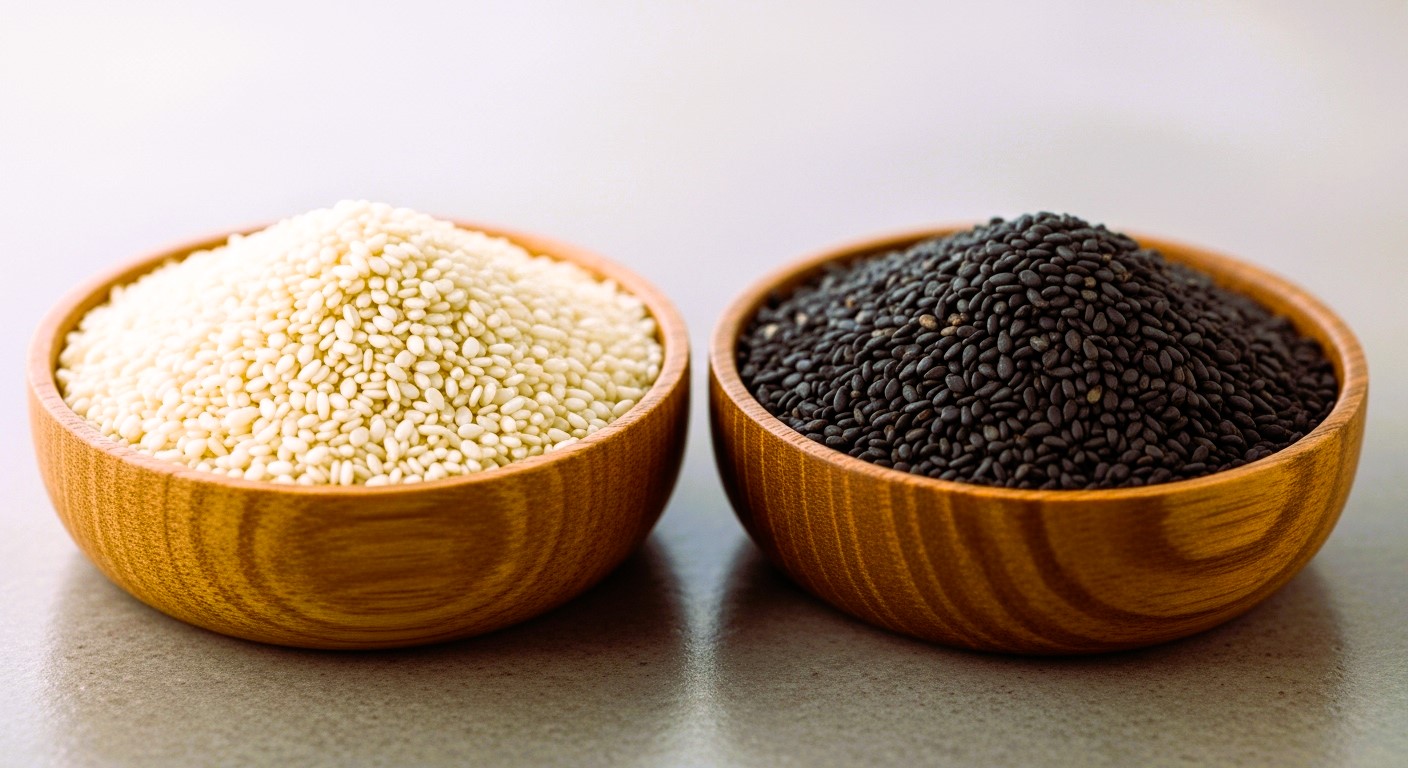
Unhulled seeds have the outer, edible husk intact, while hulled seeds lack it. The hull gives the seeds a golden-brown hue. Hulled seeds are off-white but turn brown when roasted.
What Are Sesame Seeds?
The seeds come from the plant Sesamum indicum. They are one of the oldest oilseed crops known to humanity. The seeds are small, flat, and oval, and they are commonly found in white, brown, red, and black varieties.
Both white and black sesame seeds are edible and nutritious, though their nutrient levels and traditional uses vary slightly. Sesame seeds are eaten whole, ground into paste, or pressed to extract sesame oil.
Sesame Seeds Nutrition, Health Benefits, Uses, and Safety Guide
Nutritional Profile
These seeds are calorie-dense but extremely nutrient-rich. A small amount provides a wide range of essential nutrients.
Key Nutrients
- Calcium
- Magnesium
- Iron
- Zinc
- Healthy fats
- Plant protein
- Fiber
- Antioxidants such as sesamin and sesamol
Seeds are especially valued for their calcium content, making them an important food for bone health, especially for people who consume little or no dairy.

Health Benefits
Supports Bone Health
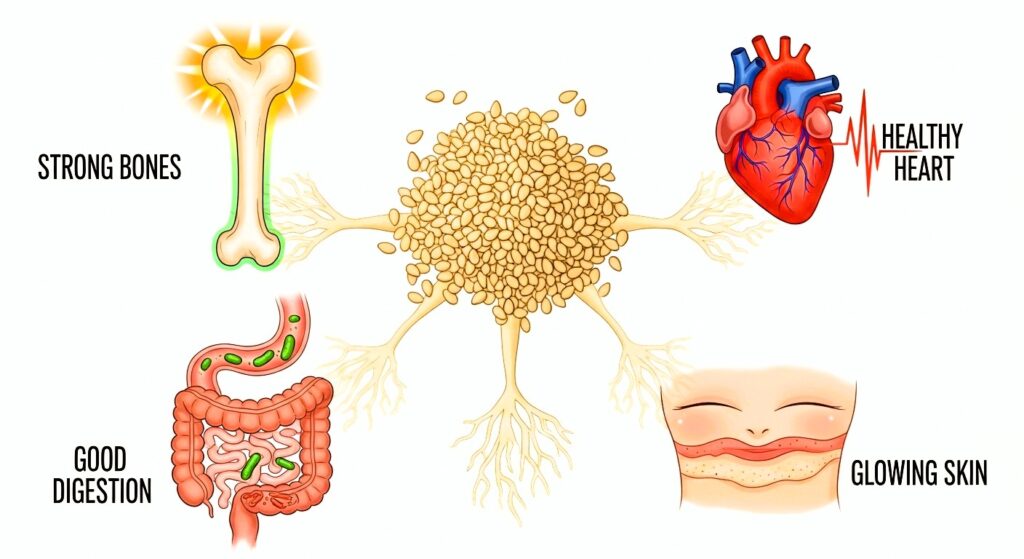
Seeds are one of the richest plant sources of calcium. Calcium is essential for maintaining strong bones and teeth and plays a role in muscle contraction and nerve signalling.
Regular intake of seeds may help support bone density, particularly when combined with adequate vitamin D and physical activity.
Promotes Heart Health
These seeds contain healthy unsaturated fats, fibre, and antioxidants. These nutrients help reduce oxidative stress and support healthy cholesterol levels.
Compounds like sesamin have been studied for their role in reducing inflammation and supporting cardiovascular function.
Helps Regulate Blood Pressure
Magnesium in sesame helps relax blood vessels and supports normal blood pressure levels. Adequate magnesium intake is linked to better cardiovascular health and reduced risk of hypertension.
Supports Digestive Health
The fibre in seeds promotes healthy digestion and regular bowel movements. Fibre also feeds beneficial gut bacteria, which play a role in immune health and nutrient absorption.
May Support Blood Sugar Control
The seeds have a low glycemic impact and contain healthy fats and fibre that slow digestion. Some studies suggest sesame consumption may help improve insulin sensitivity when included as part of a balanced diet.
Skin and Hair Benefits
Seeds contain zinc, healthy fats, and antioxidants that support skin repair and hydration. Traditionally, sesame oil has been used for scalp massage to support hair strength and shine.
Health Benefits
White Sesame vs Black Sesame Seeds
White Sesame Seeds
- More commonly used in cooking and baking
- Mild, nutty flavor
- Higher calcium availability when hulled
Black Seeds
- Stronger flavor
- Often used in traditional medicine
- Higher antioxidant content
Both types are nutritious, and including a mix can provide a broader range of benefits.
How to Eat
Raw Seeds
Raw sesame can be added to salads, yoghurt, or smoothies. Soaking them may improve mineral absorption.
Roasted Sesame Seeds
Roasting enhances flavour and aroma. Light roasting is preferred to preserve nutrients.
Tahini (Sesame Paste)
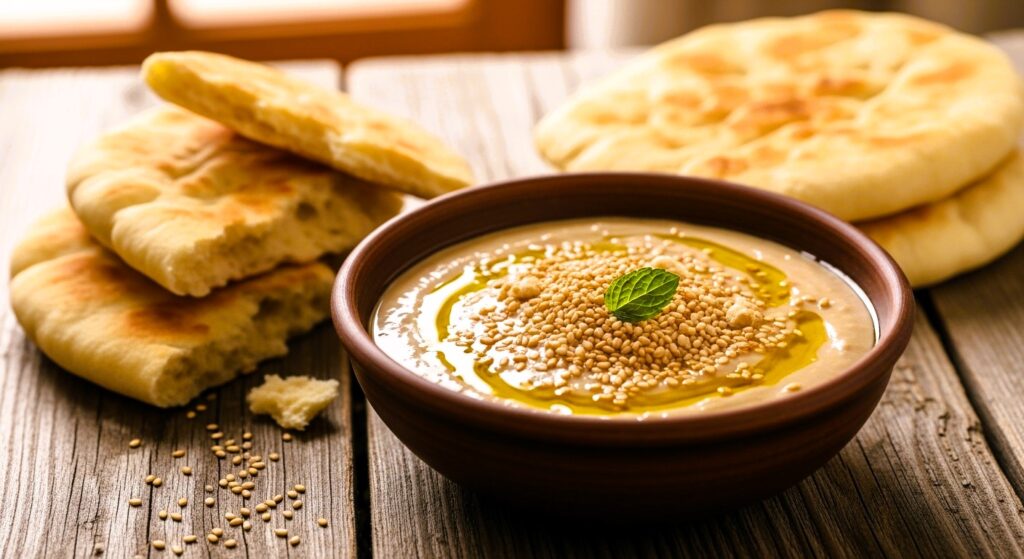
Tahini is made from ground sesame seeds and is widely used in Middle Eastern cuisine. It is rich, creamy, and nutrient-dense.
Sesame Oil
Sesame oil is commonly used in cooking and salad dressings. Cold-pressed oil is preferred for maximum nutritional value.
How to Eat Sesame Seeds
How Many Seeds Should You Eat
A typical serving is one to two tablespoons per day. This amount provides nutrients without excessive calorie intake.
People using sesame oil should use it sparingly, as it is calorie-dense.
Potential Side Effects and Precautions
These seeds are safe for most people, but some considerations include:
- Sesame is a known allergen for some individuals
- Excess intake may cause digestive discomfort
- Sesame oil should be used in moderation
- People with low blood pressure should monitor their intake
Those with sesame allergies should strictly avoid sesame products.
Potential Side Effects and Precautions
Sesame Seeds Compared to Other Seeds
- Higher calcium than pumpkin and sunflower seeds
- Richer in healthy fats than flax seeds
- Strong antioxidant profile compared to many common seeds
Each seed offers unique benefits, but sesame seeds stand out for bone and heart health.
FAQs About Sesame Seeds
1. Are sesame seeds good for bones
Yes. They are rich in calcium and magnesium, which support bone strength.
2. Can sesame seeds be eaten daily
Yes. Moderate daily intake is safe and beneficial for most people.
3. Are black sesame seeds healthier than white
Both are nutritious. Black sesame seeds contain more antioxidants, while white sesame seeds offer more available calcium.
4. Is tahini as healthy as whole sesame seeds
Tahini is nutritious but more calorie-dense. Whole seeds provide more fibre.
5. Can sesame seeds help with digestion
Yes. Their fibre content supports digestive health.
6. Who should avoid sesame seeds
People with sesame allergies should avoid them completely.
This post contains affiliate links, which means I earn a commission if you purchase through these links. This comes at no additional cost to you and helps support the content I create. I only promote products/services I believe in and use myself. Your support is greatly appreciated!
Disclaimer: The content in this article is intended for informational and educational purposes only. It provides insights, tips, and general guidance on health, beauty, and wellness, but it is not a substitute for professional medical advice, diagnosis, or treatment.
Always consult a qualified healthcare professional for personal medical concerns. For more information about our approach to health and wellness content, please read our Health & Wellness Disclaimer.
References
- Healthline: Sesame Seeds Nutrition and Benefits
https://www.healthline.com/nutrition/sesame-seeds - WebMD: Health Benefits of Sesame Seeds
https://www.webmd.com/diet/health-benefits-sesame-seeds - National Institutes of Health: Calcium and Bone Health
https://ods.od.nih.gov - Harvard Health: Healthy Fats and Heart Health
https://www.health.harvard.edu
Suggested Internal Links for MRPO
- Pumpkin Seeds: https://mrpo.pk/pumpkin-seeds/
- Black Seeds: Benefits and Uses
- Flax Seeds: Nutritional Powerhouse
- Immune-Boosting Foods