
Serious Gut Problems: Symptoms, Treatments & 14 Household Items for a Healthier Digestive System
Written By: Hamid Mahmood
Updated: February 2026
New Section: 2026 Diagnostic Standards for Serious Gut Issues. In the past, many gut issues were dismissed as “general stress.” Today, medical science provides specific pathways for accurate diagnosis. If you are experiencing chronic distress, these are the three gold-standard tests you should discuss with your gastroenterologist:
- Zonulin Testing (Leaky Gut): Zonulin is a protein that regulates the openings between the cells of your digestive tract wall. High levels in your blood or stool are a definitive marker of “Intestinal Permeability” (Leaky Gut).
- Calprotectin Stool Test: This is the most accurate non-invasive way to distinguish between Irritable Bowel Syndrome (functional) and Inflammatory Bowel Disease (structural). If this marker is high, it indicates significant internal inflammation that requires immediate medical attention.
- The SIBO Breath Test: Small Intestinal Bacterial Overgrowth (SIBO) is often the hidden cause behind extreme bloating. A simple breath test measuring hydrogen and methane levels can confirm if bacteria have migrated to the wrong part of your digestive tract.
To ensure your gut health supports your mental clarity, the 2026 “Precision Health” protocol recommends:
-
Microbiome Diversity Score: Aim for at least 30 different plant-based foods per week (including seeds like Chia and Pumpkin) to feed diverse bacterial strains.
-
Postbiotic Integration: Beyond Probiotics (living bacteria) and Prebiotics (fibre), focus on Postbiotics (the healthy byproducts bacteria create). These are the specific chemicals that cross the blood-brain barrier to stabilise your mood.
-
The 12-Hour Circadian Fast: Scientific findings suggest that the gut’s “cleaning crew” (the Migrating Motor Complex) only works when you are not eating. A 12-hour window of rest for your stomach at night is essential for gut-brain repair.
Clinical Repair Tools
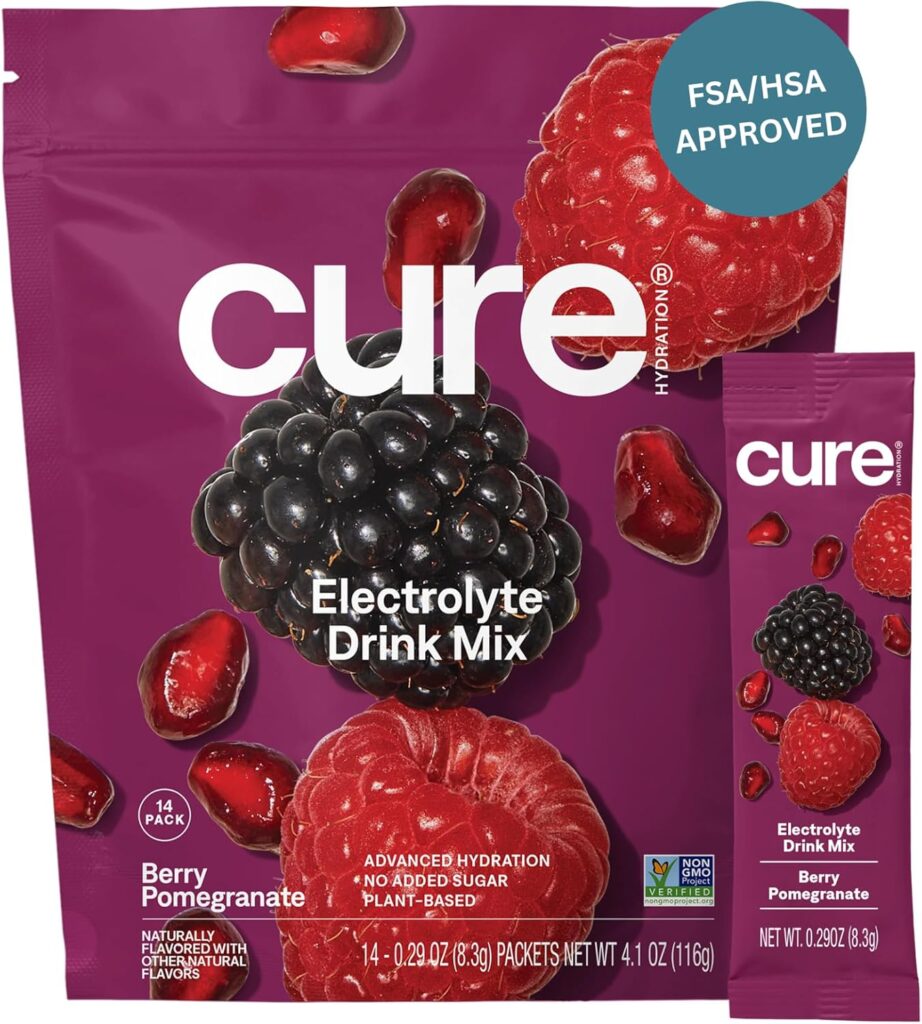
“For those dealing with chronic IBS or advanced intestinal permeability, dietary changes may need a ‘catalyst.’ We recommend a high-potency formula like GLR-6. Unlike standard multivitamins, it contains up to 6x the concentration of L-Glutamine needed to physically rebuild the mucosal lining.”
6 New FAQs
1. How do I know if my bloating is “normal” or a serious gut problem?
Occasional bloating after a heavy meal is normal. However, if bloating is painful, persistent, or accompanied by “Brain Fog” and fatigue, it is often a sign of SIBO or Leaky Gut, which requires specific testing, such as a Breath Test.
2. Is a colonoscopy the only way to diagnose gut issues?
No. While a colonoscopy is the gold standard for structural issues, 2026 medicine relies heavily on “Functional Testing” (Blood, Breath, and Stool) to identify bacterial imbalances and inflammatory markers that a camera might miss.
3. Can I fix my Vagus Nerve through diet alone?
Diet provides the fuel (like Omega-3s from Chia Seeds), but “Vagal Tone” also requires nervous system work, such as deep diaphragmatic breathing or cold-water exposure, to stay healthy.
4. What is the “Leaky Gut-Leaky Brain” theory?
This is the scientific finding that the same proteins (like Zonulin) that make your gut “leaky” can also make the protective barrier around your brain permeable. This allows gut toxins to enter the brain, causing anxiety and “high-functioning” burnout.
5. Are home gut-testing kits accurate?
Consumer kits have improved significantly. While they are great for tracking “Microbiome Diversity,” they should not be used to diagnose serious conditions. Always verify home results with a clinical Calprotectin or Zonulin test.
6. Does “Stress Management” actually heal the physical gut?
Yes. When you reduce stress, you lower cortisol. High cortisol literally “punches holes” in the gut lining. By following the 5 Morning Habits, you are physically protecting your digestive health.
Discover the most serious gut problems, including IBD, gastrointestinal cancer, gastroparesis, and acute pancreatitis, their symptoms, treatment options, and expert-backed prevention tips to maintain a healthy digestive system.
Maintaining a healthy gut is crucial for overall well-being, but several serious digestive disorders can threaten your health. Understanding these conditions, their symptoms, and how to prevent them can help you take proactive steps for long-term digestive wellness.
Most Serious Gut Problems
Inflammatory Bowel Disease (IBD)
IBD refers to chronic inflammatory conditions of the digestive tract, primarily Crohn’s disease and ulcerative colitis. Both cause persistent inflammation, leading to symptoms such as:
-
Severe abdominal pain
-
Diarrhea
-
Weight loss
-
Anemia
Complications can include intestinal strictures (narrowing of the intestine), fistulas (abnormal connections between organs), and abscesses. Early diagnosis and ongoing management are essential to prevent life-threatening outcomes.
Gastrointestinal Cancer
Cancers of the stomach, colon, and rectum are among the most serious gut problems. These cancers often develop due to genetic and environmental factors. Symptoms may not appear in the early stages, but as the disease progresses, patients may experience:
-
Abdominal pain
-
Unexplained weight loss
-
Blood in the stool
Timely screening and treatment are critical for improving survival rates.
Gastroparesis
Gastroparesis is a condition where the stomach muscles malfunction, preventing proper movement of food through the digestive tract. Common symptoms include:
-
Nausea and vomiting
-
Abdominal pain
-
Malnutrition and dehydration in severe cases
Managing gastroparesis often requires dietary changes and, in some cases, medication or surgery.
Acute Pancreatitis
This sudden inflammation of the pancreas leads to:
-
Severe abdominal pain
-
Vomiting
If untreated, acute pancreatitis can result in serious complications like sepsis and kidney failure. Immediate medical attention is necessary.
Crohn’s Disease vs. Ulcerative Colitis: Key Differences
| Feature | Crohn’s Disease | Ulcerative Colitis |
|---|---|---|
| Area Affected | Any part of the digestive tract, mouth to anus | Colon and rectum only |
| Inflammation Pattern | Patchy affects all layers | Continuous affects the inner lining |
| Symptoms | Abdominal pain, diarrhoea, weight loss, anaemia, strictures, fistulas, abscesses | Diarrhoea (often with blood), abdominal pain, rectal bleeding |
| Treatment | Medication, sometimes surgery | Medication, sometimes surgery |
Both are chronic and require lifelong management, with treatment focusing on reducing inflammation and managing symptoms.
Are Gut Problems Curable?
Some gut problems, such as indigestion or mild acid reflux, can often be resolved with lifestyle changes and over-the-counter treatments. However, chronic conditions like IBD, celiac disease, and gastrointestinal cancer typically require lifelong management:
-
IBD: No cure, but symptoms can be controlled with medication and sometimes surgery.
-
Celiac Disease: A Lifelong gluten-free diet is necessary.
-
Gastrointestinal Cancer: Treatment depends on cancer type and stage, often involving surgery, chemotherapy, or radiation.
Early diagnosis and professional medical care are vital for better outcomes23.
Prevention: How to Avoid Serious Gut Problems
To protect your digestive health and reduce your risk of serious gut problems, follow these expert-backed strategies:
-
Eat a Gut-Healthy Diet: Focus on fruits, vegetables, whole grains, and lean proteins. Limit spicy foods, caffeine, and alcohol to avoid triggering symptoms1.
-
Maintain a Healthy Weight: Obesity increases the risk of acid reflux and certain cancers.
-
Exercise Regularly: Physical activity supports digestion and reduces disease risk.
-
Quit Smoking: Smoking raises the risk of ulcers and gut cancers.
-
Manage Stress: Chronic stress can worsen gut symptoms. Practice relaxation techniques like meditation or counselling.
-
Get Enough Sleep: Aim for 7–8 hours per night to support digestive health.
-
Regular Screenings: Especially if you have a family history of gut diseases or cancer.
Household Items That Support a Healthy Gut
Maintaining a healthy gut doesn’t require exotic ingredients—many beneficial foods and items are already in your kitchen. Here are some household staples that can help promote optimal gut health:
-
Yoghurt (with live cultures): Live yoghurt is rich in probiotics, or “friendly” bacteria, which support a balanced gut microbiome. Choose plain, sugar-free varieties for maximum benefit5.
-
Leafy Greens (Spinach, Kale, Cabbage): These are high in fibre and essential nutrients like folate and vitamin C, which help fuel the growth of healthy gut bacteria27.
-
Whole Grains (Brown Rice, Oats, Whole-Wheat Bread): Whole grains provide fibre that feeds beneficial gut bacteria and supports regular digestion24.
-
Bananas: Bananas are a convenient, fibre-rich snack containing inulin, a prebiotic that stimulates good bacteria growth25.
-
Garlic and Onions: Both are excellent sources of prebiotics, which nourish beneficial gut bacteria. Add them raw or cooked to a variety of dishes357.
-
Ginger: Fresh ginger aids digestion, reduces bloating, and supports the production of stomach acid. Use it in teas, smoothies, or stir-fries357.
-
Fermented Foods (Sauerkraut, Kimchi, Sourdough Bread): These contain live probiotics that help diversify and strengthen your gut microbiome35.
-
Olive Oil: Rich in fatty acids and polyphenols, olive oil supports gut bacteria and helps reduce inflammation. Use it for salad dressings or drizzling over cooked vegetables5.
-
Almonds: High in fibre and healthy fats, almonds have probiotic properties that support gut health. Enjoy a handful as a snack5.
-
Bone Broth: Collagen-rich bone broth can help maintain the integrity of the gut lining and support overall digestive health13.
-
Psyllium Husk: This fibre supplement can help regulate bowel movements and reduce bloating. Start with small amounts and increase gradually6.
-
Low-Fructose Fruits (Berries, Citrus): These fruits are easier to digest and less likely to cause bloating, while still providing fibre and antioxidants28.
-
Peas and Brussels Sprouts: Both are high in fibre and contain compounds that help nourish good bacteria and combat harmful strains57.
-
Apple Cider Vinegar: While research is ongoing, some evidence suggests it may support digestion and gut health when used in moderation as a salad dressing or diluted in water3.
Incorporating these everyday foods and items into your diet can help maintain a healthy gut microbiome, support digestion, and reduce the risk of common gut problems.
When to See a Doctor
If you experience persistent abdominal pain, unexplained weight loss, blood in your stool, or ongoing digestive symptoms, seek medical attention promptly. Early intervention can make a significant difference in outcomes.
This post contains affiliate links, which means I earn a commission if you purchase through these links. This comes at no additional cost to you and helps support the content I create. I only promote products/services I believe in and use myself. Your support is greatly appreciated!
Disclaimer
The information provided in this article is for educational purposes only and is not intended as medical advice. Always consult a qualified healthcare professional before making significant changes to your diet, lifestyle, or treatment plan. Individual health needs and responses to dietary items may vary. If you experience persistent or severe gut-related symptoms, seek immediate medical attention. The household items listed are suggestions and should not replace professional medical guidance or prescribed treatments.
Reference:
[Healthline]136, [Johns Hopkins Medicine]2, [Benenden Health]5, [Mayo Clinic Press]7, [Real Simple]8
Citations:
- https://www.medicalnewstoday.com/articles/list-of-digestive-disorders
- https://www.gutnliver.org/journal/view.html?doi=10.5009%2Fgnl19019
- https://my.clevelandclinic.org/health/articles/7040-gastrointestinal-diseases
- https://www.webmd.com/digestive-disorders/digestive-health-tips
- https://www.nlg.nhs.uk/resources/gastrointestinal-conditions/
- https://my.clevelandclinic.org/health/diseases/4342-irritable-bowel-syndrome-ibs
- https://www.medicalnewstoday.com/articles/316395
- https://www.wakehealth.edu/condition/s/stomach-cancer
- https://www.nhs.uk/conditions/gastroparesis/
- https://www.webmd.com/digestive-disorders/digestive-diseases-pancreatitis
- https://www.betterhealth.vic.gov.au/health/conditionsandtreatments/crohns-disease-and-ulcerative-colitis
- https://www.msdmanuals.com/home/digestive-disorders/symptoms-of-digestive-disorders/chronic-abdominal-pain-and-recurring-abdominal-pain
- https://www.piedmont.org/living-real-change/10-tips-for-a-healthier-gut
- https://pmc.ncbi.nlm.nih.gov/articles/PMC6682904/
- https://www.sciencedirect.com/science/article/pii/S0924224423001851
- https://www.betterhealth.vic.gov.au/health/healthyliving/gut-health
- https://www.frontiersin.org/journals/microbiology/articles/10.3389/fmicb.2022.999001/full
- https://pmc.ncbi.nlm.nih.gov/articles/PMC5385025/
- https://pmc.ncbi.nlm.nih.gov/articles/PMC9311318/
- https://pmc.ncbi.nlm.nih.gov/articles/PMC11752831/
- https://www.mdpi.com/2076-2607/12/11/2333
- https://www.elsevier.es/en-revista-endocrinologia-diabetes-nutricion-english-ed–413-articulo-nutritional-management-gastric-cancer-S2530018021000822
- https://www.iuemag.com/inspi-news/seo-behind-the-scenes/article-seo-tips-eating-too-fast-symptoms-why-it-hurts-your-digestion-and-how-mindful-chewing-can-help/
- https://pmc.ncbi.nlm.nih.gov/articles/PMC6531102/
- https://www.linkedin.com/pulse/keyword-research-seo-nutritionist-health-consultant-sanjay-kumar-vvzff
- https://www.jmir.org/2022/3/e28978/
- https://pmc.ncbi.nlm.nih.gov/articles/PMC4040776/
- https://www.aarp.org/health/conditions-treatments/how-to-fix-common-digestive-disorders/
- https://mehdeeka.substack.com/p/hows-your-gut-health-doctors-hate
- https://www.gushwork.ai/case-study/thegoodbug
- https://www.healthline.com/health/gut-health
- https://www.hopkinsmedicine.org/health/wellness-and-prevention/5-foods-to-improve-your-digestion
- https://www.healthline.com/health/10-gut-foods
- https://www.nhs.uk/live-well/eat-well/digestive-health/good-foods-to-help-your-digestion/
- https://www.benenden.co.uk/be-healthy/nutrition/gut-food-15-foods-for-good-gut-health/
- https://www.healthline.com/health/food-nutrition/gut-health-products
- https://mcpress.mayoclinic.org/living-well/transforming-your-gut-health-simple-steps-for-a-healthier-you/
- https://www.realsimple.com/best-fruits-and-vegetables-for-gut-health-7378020
- https://www.bajajallianz.com/blog/wellness/home-remedies-to-improve-gut-health.html
- https://www.betterhealth.vic.gov.au/health/healthyliving/gut-health
- https://www.chop.edu/health-resources/food-medicine-probiotic-foods
- https://www.bhf.org.uk/informationsupport/heart-matters-magazine/nutrition/how-can-i-improve-my-gut-health
- https://www.consumerreports.org/health/healthy-eating/foods-that-are-good-for-gut-health-a4178867499/
- https://www.uhc.com/news-articles/healthy-living/how-to-boost-gut-health
- https://www.mayoclinichealthsystem.org/hometown-health/speaking-of-health/good-bacteria-for-your-gut
- https://www.hopkinsmedicine.org/health/wellness-and-prevention/your-digestive-system-5-ways-to-support-gut-health