
Ramadan 101: The Complete Guide for Muslims and Non-Muslims
Ramadan 101 complete guide, from Fasting and Prayers to Charity and Community. This beginner-friendly guide explains traditions, health tips, and the spiritual significance of this holy month.
As the holy month approaches, many Muslims have questions about the rules and regulations of fasting, the significance of Ramadan, and how to make the most of this blessed time.
https://mrpo.pk/ramadan-reflections/
Ramadan is the holiest month in Islam and one of the most widely observed religious periods in the world, yet it is also one of the most misunderstood.
Is Ramadan simply about hunger? Why do Muslims willingly abstain from food and drink for long hours? And what deeper meaning does this month hold for more than a billion people across cultures and continents?
This Ramadan 101 Complete Guide is written in a clear question–and–answer learning style, designed especially for non-Muslims and beginners who may have little or no prior knowledge of Islamic beliefs or practices. Rather than short or technical replies, each answer below is fully explained, helping readers understand not only what Muslims do in Ramadan but why it matters.
Ramadan 101… Your Guide for a Fruitful Ramadan
Get ready for Ramadan with our comprehensive guide to a fruitful and fulfilling experience.
With just a few days until the start of the month, millions of Muslims around the world are eagerly anticipating this special time of year.
Ramadan offers a golden opportunity to recharge our spiritual batteries, draw closer to Allah, and make positive changes in our lives.
Let us help you prepare with this Ramadan 101 Complete Guide special collection, designed to help you get the most out of this transformative time.https://aboutislam.net/shariah/special-coverage-shariah/your-guide-to-ramadan-in-depth/
1. What is Ramadan?
To understand the Ramadan 101 complete guide, helps to first understand its purpose. Ramadan is the ninth month of the Islamic lunar calendar and is considered the holiest time of the year for Muslims. It commemorates the revelation of the Quran to the Prophet Muhammad رسول اللہ صلی اللہ علیہ وسلم (PBUH). During this month, Muslims fast (sawm) from dawn to sunset, and engage in prayer, reflection, and acts of charity.
2. Why is Ramadan important in Islam?
Ramadan is sacred because the Qur’an was first revealed during this month to Muhammad رسول اللہ صلی اللہ علیہ وسلم. Muslims believe this period strengthens faith, purifies the soul, and renews one’s relationship with God.
3. How long does Ramadan last?
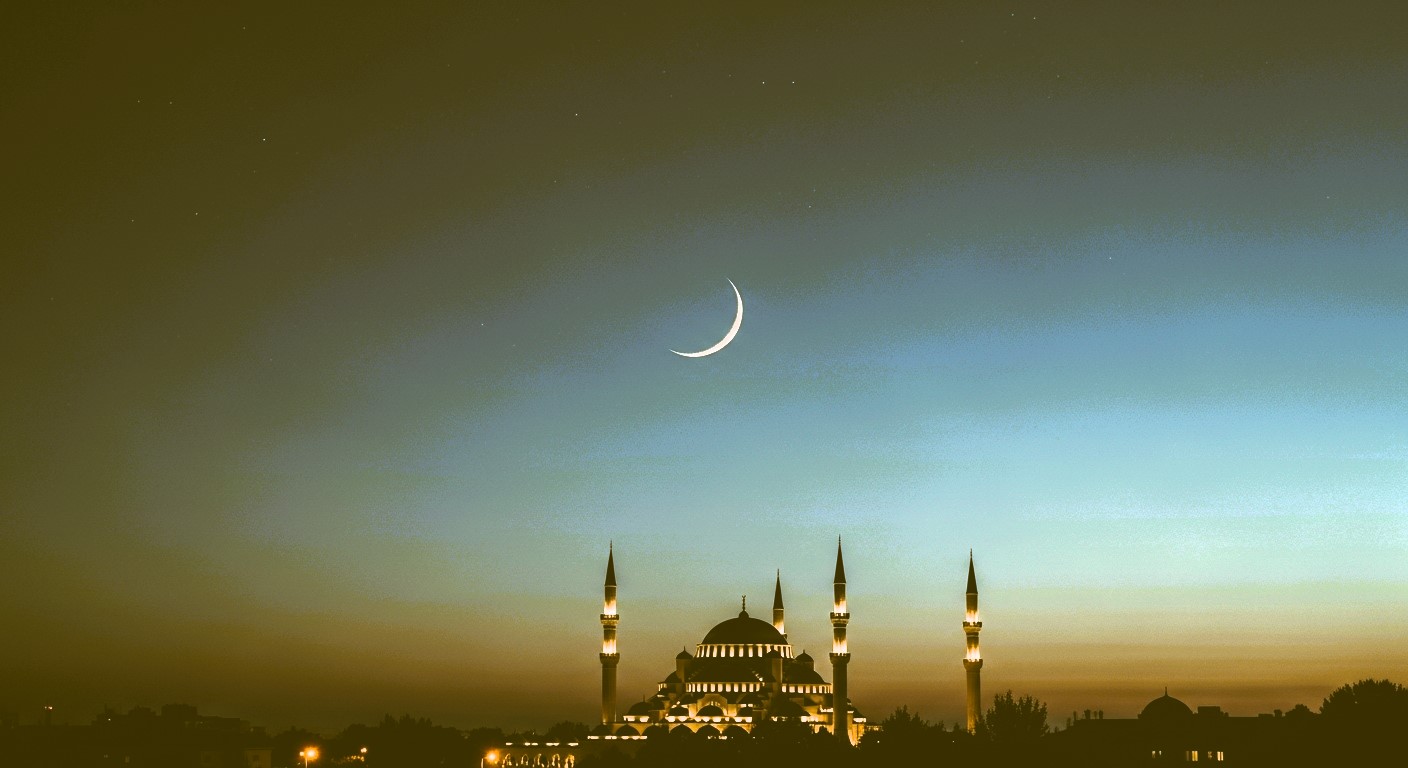
Ramadan lasts 29 or 30 days, depending on the sighting of the new moon. Because the Islamic calendar follows lunar cycles, Ramadan moves about 10–11 days earlier each year.
4. What does fasting mean in Islam?
Fasting is one of the Five Pillars of Islam, essential to Muslim faith and practice. Beyond abstaining from food and drink, fasting teaches self-discipline, empathy for the less fortunate, and spiritual growth. It’s a time to reset habits, strengthen community bonds, and focus on gratitude.
The Quran states:
“O you who believe, fasting is prescribed for you as it was prescribed for those before you, so that you may attain piety.” (Quran 2:183)
5. Who is required to fast during Ramadan?
Fasting is obligatory for all physically and mentally capable Muslims who have reached puberty. However, Islam prioritises health and practicality. Exceptions include:
– Children (not required until puberty).
– The elderly or chronically ill.
– Pregnant/breastfeeding women.
– Travellers.
– Those menstruating or experiencing postnatal bleeding.
Individuals who miss fasts due to temporary reasons (e.g., illness) must make up the days later. If unable to fast permanently, they can provide meals to the needy (fidya) instead.
6. Who is exempt from fasting?
Children, the elderly, travellers, pregnant or breastfeeding women, and people who are ill are exempt. Some may make up for the fast later, while others may give charity instead.
7. Why do Muslims fast during the day only?
Islamic fasting follows the natural daily cycle. Abstaining during daylight hours emphasises discipline while allowing nourishment at night, maintaining balance rather than punishment.
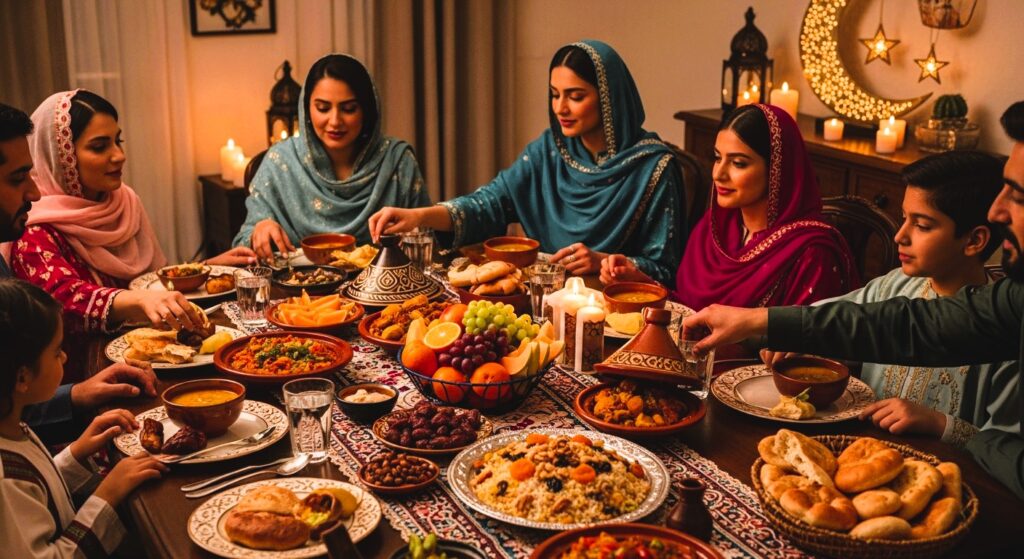
8. What is Suhoor?
Suhoor is the pre-dawn meal eaten before fasting begins. It is highly encouraged because Muhammad رسول اللہ صلی اللہ علیہ وسلم described it as a source of blessing and strength.
9. What is Iftar?
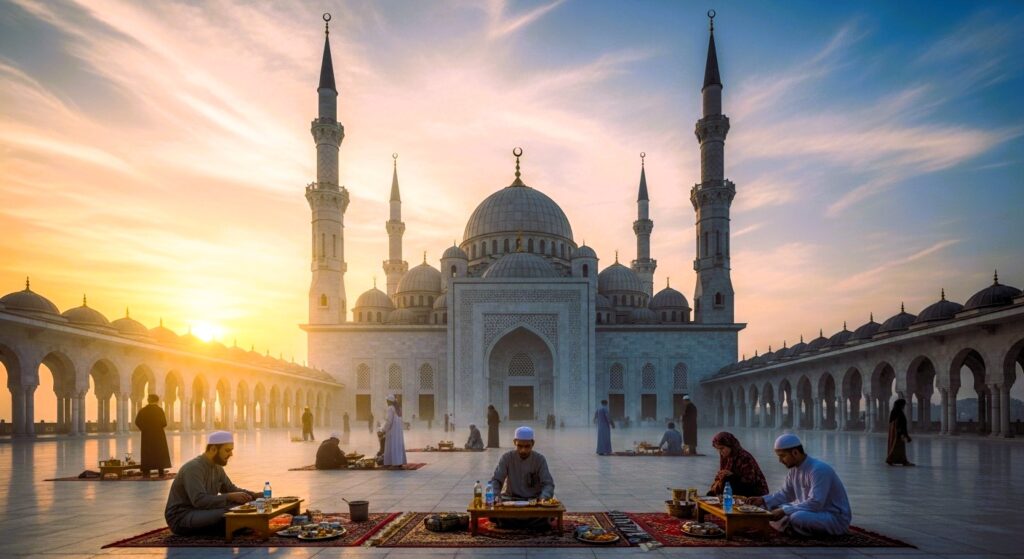
Iftar is the meal eaten at sunset to break the fast. Traditionally, Muslims break their fast with dates and water, following the practice of Muhammad رسول اللہ صلی اللہ علیہ وسلم.
10. Why are dates used to break the fast?
Dates provide quick energy, are gentle on the stomach, and hold religious significance due to their use by Muhammad رسول اللہ صلی اللہ علیہ وسلم.
11. Is Ramadan only about fasting?
This question addresses one of the most common misunderstandings about Ramadan, especially among non-Muslims. Fasting is only one part. Ramadan emphasises prayer, charity, forgiveness, patience, and personal reform.
The purpose of Ramadan is to develop self-discipline, empathy for those in need, and a stronger connection with Allah. The benefits of Ramadan include spiritual growth, self-improvement, and a sense of community and belonging among Muslims (Reference: Quran, 2:183-187).
12. What prayers are specific to Ramadan?
In addition to daily prayers, Muslims perform Taraweeh, special nightly prayers offering extended Qur’an recitation.
13. What is Taraweeh prayer?
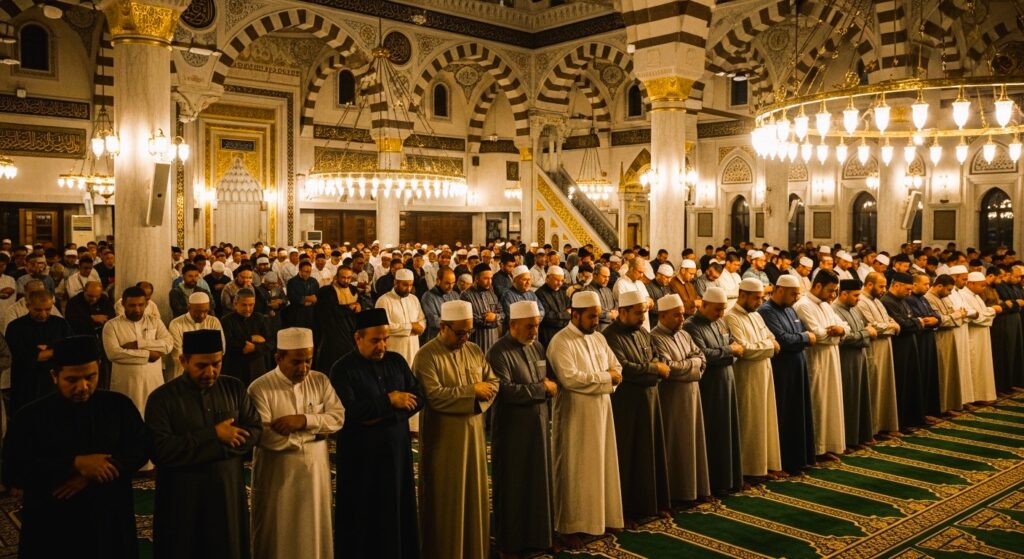
Taraweeh is a voluntary night prayer performed after the evening prayer. It allows Muslims to listen to or recite large portions of the Qur’an during Ramadan.
14. What is the Qur’an’s connection to Ramadan?
The Quran is significant during Ramadan because it is the month in which the Quran was revealed to the Prophet Muhammad رسول اللہ صلی اللہ علیہ وسلم. Muslims are encouraged to read and recite the Quran during Ramadan, and many Muslims try to complete the entire Quran during this month (Reference: Quran, 2:185).
15. What is Laylat-ul-Qadr?
Among all the days and nights of Ramadan, this one holds unique spiritual significance. Laylat-ul-Qadr (the Night of Power) is believed to fall within the last ten nights of Ramadan. Worship on this night is considered better than worship over a thousand months.
16. Why are the last ten nights special?
Muslims intensify worship during these nights, seeking forgiveness and divine mercy, especially hoping to experience Laylat-ul-Qadr.
17. What is charity in Ramadan?
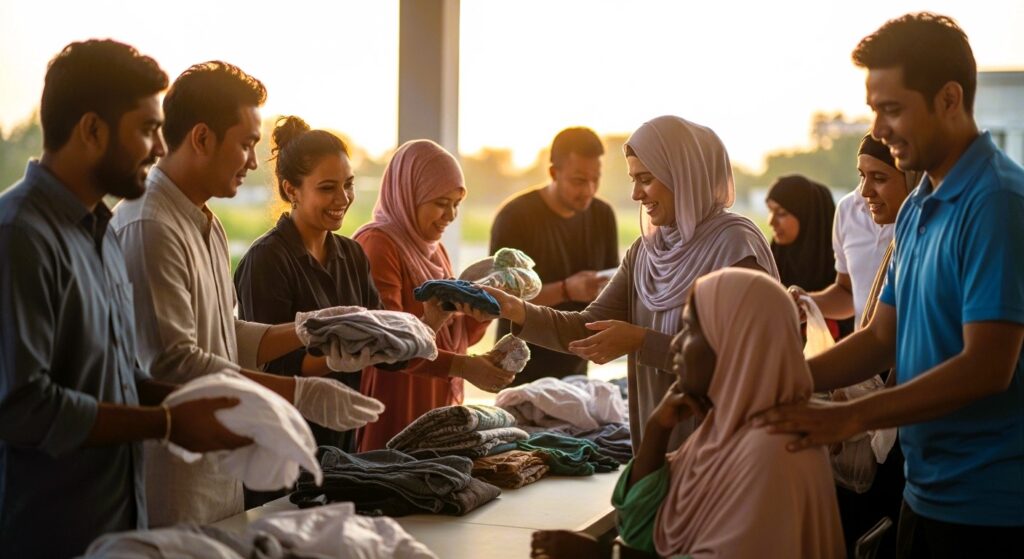
Charity (Sadaqah) is strongly emphasised. Muslims are encouraged to give generously to help the poor and needy.
18. What is Zakat-ul-Fitr?
Zakat-ul-Fitr is a mandatory charity given before Eid prayer, ensuring that the poor can also celebrate the end of Ramadan.
19. How does Ramadan affect daily life?
Ramadan does not remove people from daily responsibilities; instead, it reshapes how everyday life is lived. Work schedules may adjust, social gatherings increase at night, and spiritual activities become central.
20. Can non-Muslims participate in Ramadan?
Non-Muslims are welcome to observe, join Iftar meals, or learn about Ramadan. Participation is voluntary and based on respect and curiosity.
21. Does fasting harm health?
Health is a common concern, particularly for those unfamiliar with religious fasting. For healthy individuals, fasting is generally safe and can offer health benefits. Islam prioritises health, so those at risk are exempt.
22. What breaks a fast?
Eating, drinking, intentional vomiting, smoking, and marital relations during fasting hours invalidate the fast.
23. What happens if someone forgets and eats?
If done unintentionally, the fast remains valid. Islam emphasises intention over mistakes.
24. Is anger considered breaking the fast?
While it does not technically break the fast, anger reduces its spiritual reward. Self-control is a major goal of fasting.
25. Why is self-control emphasised?
Ramadan trains Muslims to resist desires, improve character, and develop empathy for those who struggle daily with hunger.
26. How does Ramadan promote empathy?
One of Ramadan’s most powerful effects is how it reshapes a person’s understanding of hardship and generosity. Experiencing hunger firsthand helps Muslims understand the hardships of the poor, encouraging generosity and compassion.
27. Are children encouraged to fast?
Children are not obligated, but many practice partial fasting to learn discipline gradually.
28. What is Iʿtikaf?
Iʿtikaf is a spiritual retreat in a mosque during the last ten days, focusing entirely on worship and reflection.
29. Can Muslims work or exercise while fasting?
Yes, though activities may be adjusted to conserve energy. Moderation is encouraged.
30. Why does Ramadan move every year?
The Islamic calendar is lunar, so Ramadan shifts earlier by about 10–11 days annually.
31. How do Muslims greet each other in Ramadan?
Common greetings include Ramadan Mubarak or Ramadan Kareem, wishing blessings and generosity.
32. What foods are common in Ramadan?
Meals vary by culture but usually include dates, soups, fruits, grains, and protein-rich dishes.
33. Is smoking allowed during fasting hours?
No. Smoking breaks the fast and is discouraged even outside fasting hours.
34. What is Eid-ul-Fitr?
Every period of discipline is followed by gratitude and joy. Eid marks that transition. Eid al-Fitr is the festival marking the end of Ramadan. It begins with a special prayer and celebrations.
35. How is Eid celebrated?
Families gather, give charity, wear new clothes, and share meals. It is a day of gratitude and joy.
36. Why is forgiveness stressed in Ramadan?
Ramadan is seen as a time of abundant divine mercy, encouraging reconciliation and moral renewal.
37. Can Muslims listen to music during Ramadan?
Opinions vary. Many choose to limit entertainment to focus on spirituality.
38. What role does intention play in fasting?
Intention (Niyyah) is essential. Fasting is an act of conscious worship to God.
39. Is Ramadan observed the same worldwide?
Core practices are the same, but cultural traditions differ by region.
40. How does Ramadan strengthen the community?
Shared meals, charity, and collective prayers foster unity and social bonds.
41. What lessons does Ramadan teach?
Patience, humility, gratitude, discipline, and compassion.
42. How should non-Muslims view Ramadan?
As a period of deep spiritual meaning, self-discipline, and social responsibility for Muslims.
43. What happens after Ramadan ends?
Muslims continue applying the habits of discipline and kindness developed during the month.
44. What is the true spirit of Ramadan?
The true spirit of Ramadan lies in inner transformation, becoming more conscious of God, more ethical in behaviour, and more compassionate toward humanity.
45 . Can I hold a copy of the Qur’an or an electronic device during Taraweeh prayer?
It is not recommended to hold a copy of the Qur’an or an electronic device during Taraweeh prayer. Instead, Muslims are encouraged to focus on the prayer and to follow the Imam’s lead (Reference: Islamic Finance, “Taraweeh”).
46. If I got hungry and broke my fast in Ramadan, do I just ask Allah for forgiveness?
If you broke your fast in Ramadan, you should make up the missed day as soon as possible. You can also ask Allah for forgiveness, but making up the missed day is an important part of maintaining the integrity of the fast (Reference: Quran, 2:183-187).
47. Can I use an asthma inhaler, perfume, or other medications while fasting?
48. Can I go swimming while fasting?
49. Is it ok to use eye/ear/nose drops or enemas?
50. Can I go to the dentist while fasting?
51. Does a medical injection break the fast?
52. Does vomiting break my fast?
53. Can I give blood while fasting?
54. Disliked Matters during Fasting and Factors that Nullify the Fast?
55. I work for a military unit, and the month of Ramadan is coming. Is it permissible for me not to fast, knowing that my circumstances do not make it easy to fast?
56. Does Making Up Missed Fasts Have to Be Done Consecutively?
56. Is the reward for making up fasts that were missed during the postpartum period, and for other excuses, like the reward for fasting in Ramadan?
58. How does fasting for Muslims differ from other religions?
59. What is the Night of Power in Ramadan?
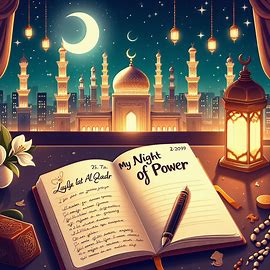
The Night of Power, also known as Laylat al-Qadr, is a special night in Ramadan that is considered to be the most blessed and rewarding night of the year. It is believed to be the night when the Quran was revealed to the Prophet Muhammad رسول اللہ صلی اللہ علیہ وسلم, and it is a time of great spiritual significance and celebration (Reference: Quran, 97:1-5).
60. What is Zakat al-Fitr?
Final Reflection
Ramadan 101 complete guide for Muslims and Non-Muslims. After understanding its practices, purpose, and spirit. Ramadan, the ninth month of the Islamic calendar, is a time of spiritual reflection, fasting, and charity for Muslims around the world. Ramadan emerges as something far deeper than a set of rules.