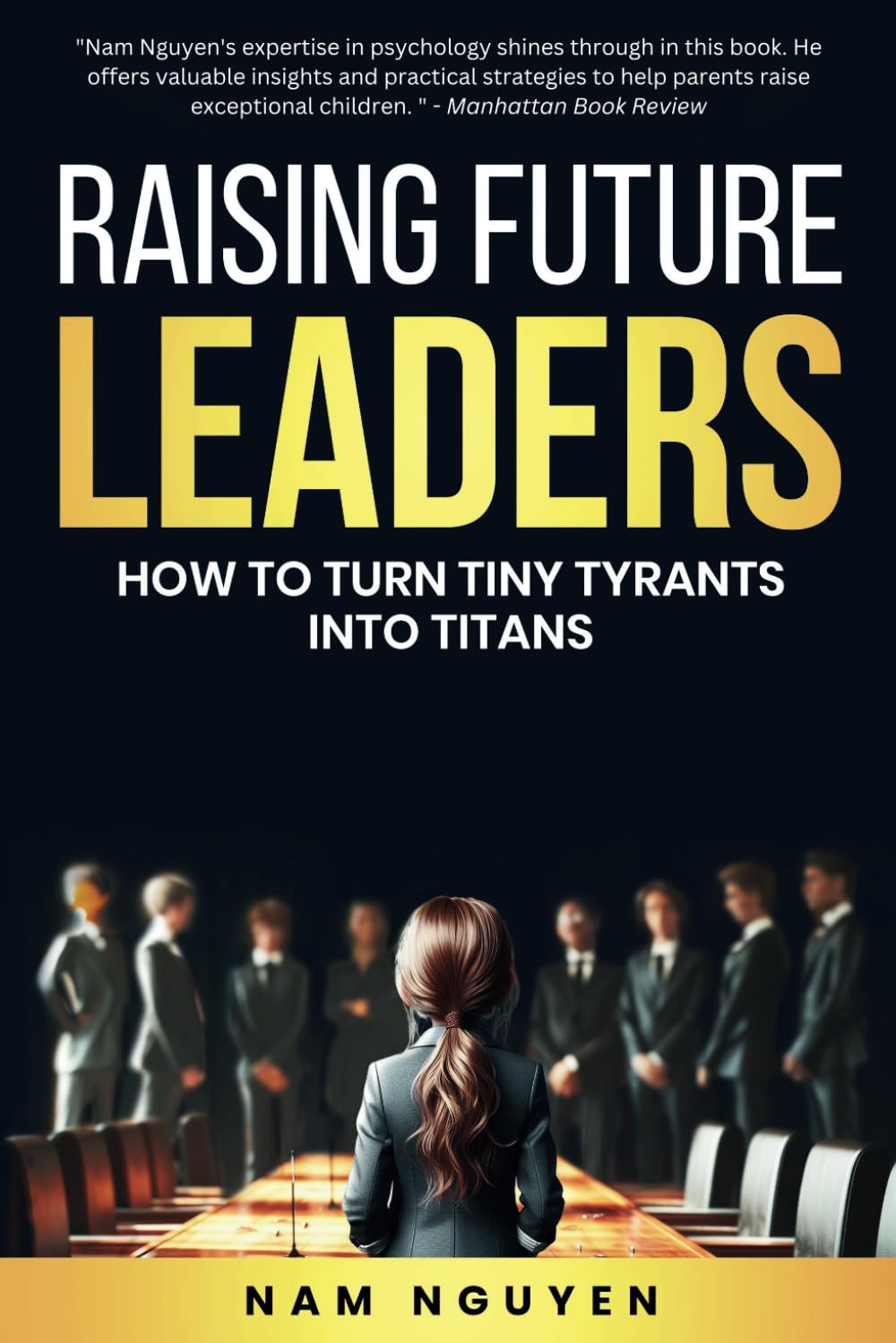
Raising Future Leaders: How to Turn Tiny Tyrants into Titans
Parenting & Education Strategies for School‑Aged Children
A Parenting Challenge That Exists Everywhere
Raising Future Leaders, A child who argues every rule, negotiates every instruction, and questions every decision can exhaust even the most patient parent. This experience is not limited to one country or culture. From busy urban households to quiet suburban homes, parents across the world are asking the same question:
How do I raise a confident child without losing authority or emotional connection?
The reassuring answer is this: strong‑willed children are not a failure of parenting. They are a signal that guidance needs refinement, not force.
Why Early Behaviour Shapes the Adult They Become
Research and classroom experience consistently show that childhood behaviour patterns influence adult outcomes. When strong personalities grow without structure, children may struggle later with:
- Accepting feedback
- Managing emotions
- Working within teams
However, when confidence is paired with boundaries, the same children often develop into adults who demonstrate:
- Leadership and initiative
- Emotional intelligence
- Responsible decision‑making
The difference is not culture. It is consistent guidance.
Reframing the Problem: From Control to Coaching
Many parents believe discipline means strictness, while others equate it with freedom. Both extremes create an imbalance.
Healthy leadership development sits in the middle, where children feel safe to express themselves while clearly understanding limits. This balance teaches respect without fear and independence without entitlement.
Evidence‑Based Strategies for Raising Responsible Leaders
Clear Boundaries Create Emotional Safety
Children perform best when expectations are predictable. Boundaries reduce anxiety and help children understand their role within the family and classroom.
Instead of reacting emotionally, calmly state rules and follow them consistently. Predictability builds trust and accountability.
Responsibility Grows Through Choice
Allowing age‑appropriate choices teaches decision‑making skills.
For example:
“You can complete your homework before dinner or after but it must be finished today.”
This approach empowers children while maintaining parental authority.
Emotional Coaching Strengthens Self‑Control
Emotional outbursts are often signals of unmet needs or undeveloped regulation skills. Teaching children to identify and name emotions helps them manage reactions constructively.
Children who learn emotional awareness show better academic focus and social relationships across cultures.
Consistency Between Home and School Matters
Children thrive when expectations are aligned across environments. Simple routines, open communication between caregivers and educators, and consistent consequences reduce confusion and behavioural struggles.
Structure supports independence; it does not limit it.
Supportive Resources That Help Parents Stay Consistent
Even well‑intentioned parents experience fatigue and doubt. Structured tools can provide clarity and consistency, such as:
- Parenting books focused on leadership and emotional development
- Daily routine planners designed for school‑aged children
- Evidence‑based guides on emotional coaching
📌 A carefully curated list of research‑supported parenting resources is available below.
A Common Transformation Story
Many parents describe their child as “difficult” before realising the issue was not behaviour, but unclear expectations.
When routines, emotional coaching, and consistent boundaries were introduced, teachers reported improved focus and cooperation within weeks. The child’s personality remained strong; only the direction changed.
A Universal Principle for Parents
Leadership does not emerge from pressure or permissiveness. It grows through steady guidance, emotional understanding, and responsibility.
If your goal is to raise a child who can think independently, manage emotions, and respect others, the foundation must be built early, regardless of geography.
🔗 Explore recommended parenting and education resources here:
The Whole-Brain Child by Daniel J. Siegel & Tina Payne Bryson
A bestselling, research-informed guide that helps parents understand how a child’s brain develops and why behaviour happens the way it does. The authors offer 12 practical strategies to help parents connect emotional and logical thinking, build empathy, resilience, and better decision-making in children. It’s especially strong for turning emotional outbursts into learning moments rather than power struggles.
Link to Buy: https://a.co/d/2fTUPSX
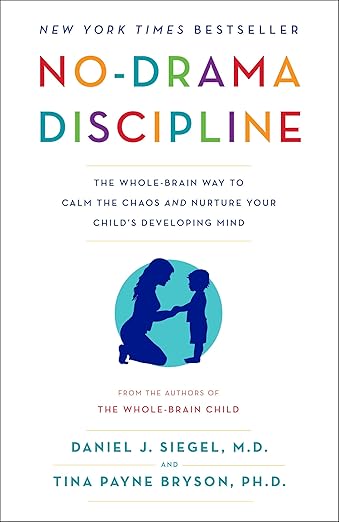
No-Drama Discipline — Daniel J. Siegel & Tina Payne Bryson
This book reframes discipline as a teaching opportunity, not punishment. Instead of reacting to tantrums or resistance, the authors guide parents to understand why children act out and how to respond in ways that nurture cooperation and emotional growth. One core idea is distinguishing between “can’t” and “won’t,” which reduces unnecessary conflict.
Link to Buy: https://a.co/d/6Awsg8I
Why
✔ Helpful for frustrated parents
✔ Focuses on calm, connected parenting
✔ Pairs perfectly with Whole-Brain Child in a toolkit
How to Talk So Little Kids Will Listen, Joanna Faber & Julie King
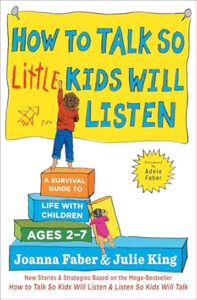
A practical communication manual parents swear by. It’s loaded with real-world examples and simple language techniques that help kids listen without resorting to yelling, threats, or punishment. This is ideal for parents who want to make immediate, real-life changes in their everyday interactions. Link to Buy:
Affiliate Disclosure:
This article may contain affiliate links. As an Amazon Associate, I earn from qualifying purchases at no extra cost to you.