Why Flattery Feels Good but Does Us Harm

Modi’s China Visit Amid US Tariffs
Abraham Accords

This article presents an Islamic analysis of the modern concept of “Religious Unity” and the so-called “Abrahamic House” project. It explores the ideological, theological, and political implications of the Abraham Accords through Quranic, Hadith, and historical evidence, highlighting the Saudi Permanent Committee’s Fatwa (No. 19402) which rejects the unification of religions as an invalid and deceptive concept aimed at weakening Islam.
ابراہیم ایکارڈ
This (urdu) article presents an Islamic analysis of the modern concept of “Religious Unity” and the so-called “Abrahamic House” project. It explores the ideological, theological, and political implications of the Abraham Accords through Quranic, Hadith, and historical evidence, highlighting the Saudi Permanent Committee’s Fatwa (No. 19402) which rejects the unification of religions as an invalid and deceptive concept aimed at weakening Islam.
Faith as a Tool of Power
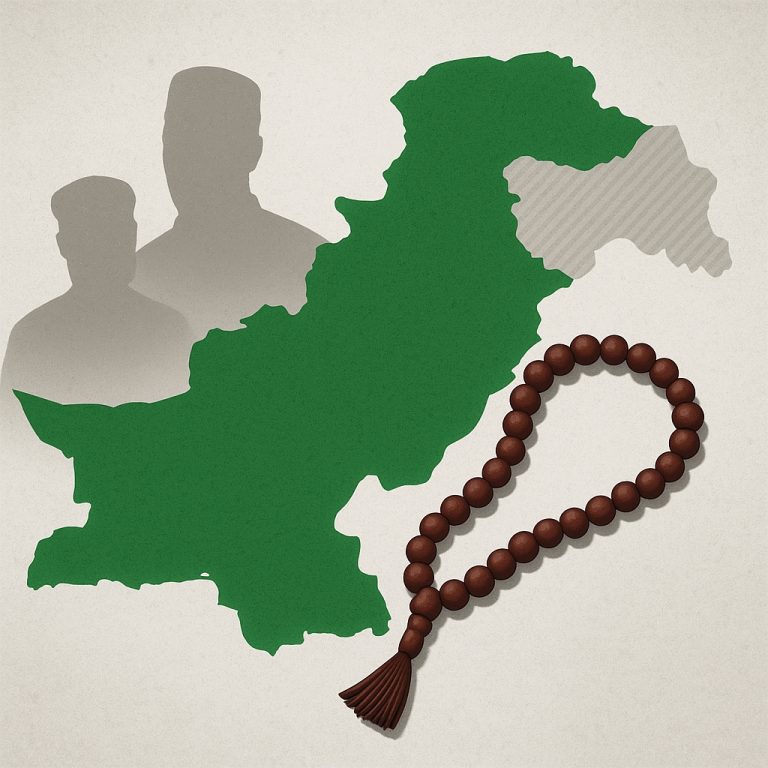
This research explores the enduring perception that Pakistan’s religious and politico-religious parties have often served as instruments of state intelligence agencies to manipulate the political landscape. It examines the historical evolution of this relationship, the selective use of Islamization as a political tool, and its impact on faith, governance, and society. Combining historical analysis with moral reflection, the study calls for reclaiming religion from power politics and restoring authenticity to Pakistan’s ideological foundations.
Pakistan’s Real Challenges: A Call for National Introspection
Pakistan’s enduring crises of governance, justice, and accountability call for collective reflection. This article invites citizens to think critically about institutional decay, political manipulation, and moral collapse that obstruct national progress.
From Covenant to Qibla:The Qur’anic Case on Israel’s Legitimacy
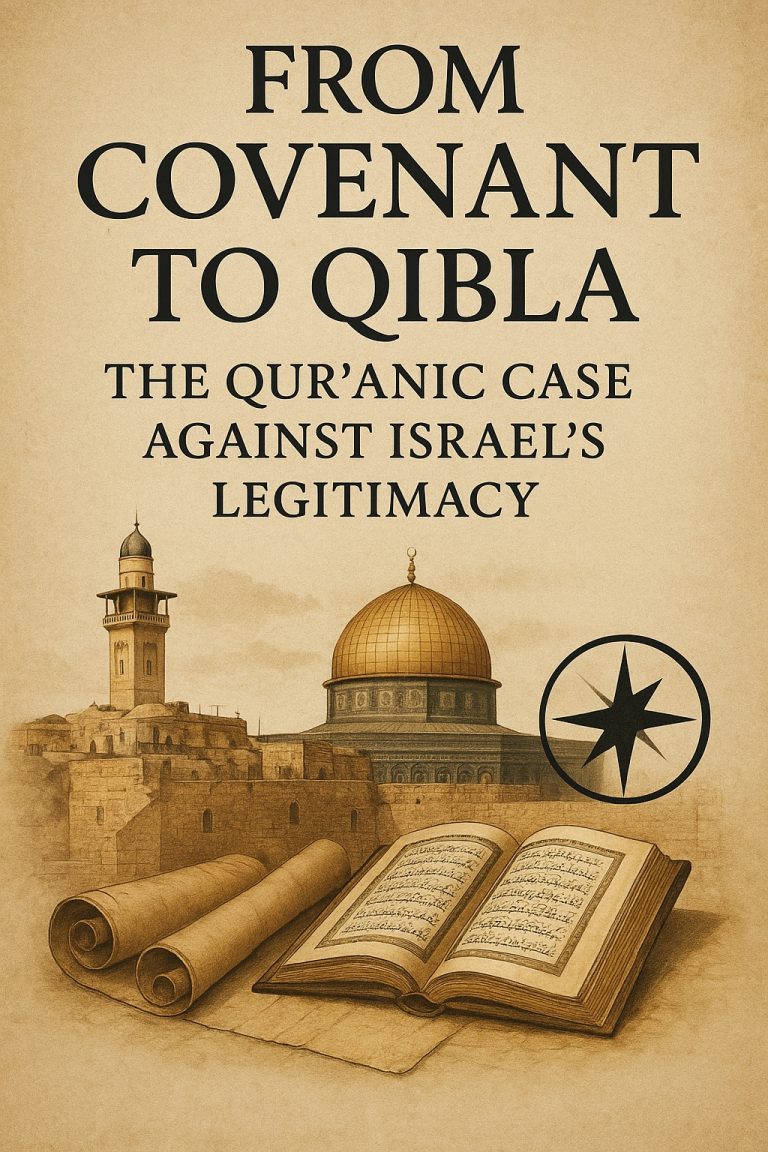
Palestine is not just a land—it is a divine trust (waqf) tied to faith, justice, and submission to Allah (SWT). From Prophet Ibrahim (AS) to the time of Prophet Muhammad (SAW), the blessed land has remained central to divine covenants and human trials. This article explores Palestine’s legacy from an Islamic lens, the expulsions of Jews, the Qur’anic conditions of inheritance, Muslim stewardship under Umar (RA) and Salahuddin Ayyubi, and why the modern state of Israel lacks legitimacy in light of divine justice.