Operation Eagle Claw: The 1980 Failure That Forged Modern US Special Forces Success in Iran
Picture this: Operation Eagle Claw, it’s April 1980. Fifty-two Americans are held hostage in Tehran, their families back home desperate for any word. President Jimmy Carter, with a heavy heart, green-lights a high-stakes rescue mission deep inside Iran. Brave U.S. service members from every branch volunteer for what feels like an impossible night raid. They train hard, believe in the plan, and launch into the unknown.
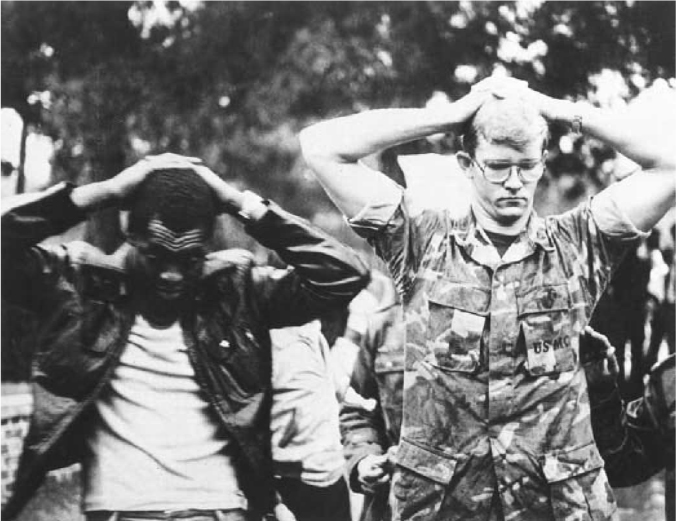
What happens next is one of the most gut-wrenching moments in modern American military history, a story of courage, split-second decisions, tragic loss, and hard-won lessons that still shape our special forces today.
https://mrpo.pk/us-war-without-declaration/
Purpose of the Article, Operation Eagle Claw :
This article examines Operation Eagle Claw, the failed 1980 military rescue during the Iran Hostage Crisis, and shows how patient diplomacy ultimately succeeded where force could not. The peaceful Algiers Accords ended 444 days of captivity without further loss of life. In contrast, today’s direct military attacks on sovereign Iran, while achieving a successful tactical rescue of a downed American Colonel, highlight the high costs and risks of force over negotiation. The piece underscores a timeless truth: in international crises, diplomatic and negotiated settlements remain the most effective, humane, and enduring path to resolving disputes and protecting human lives.
Failed Iran Hostage Rescue Continues to Teach Lessons 45 Years Later
April 25, 2025 |
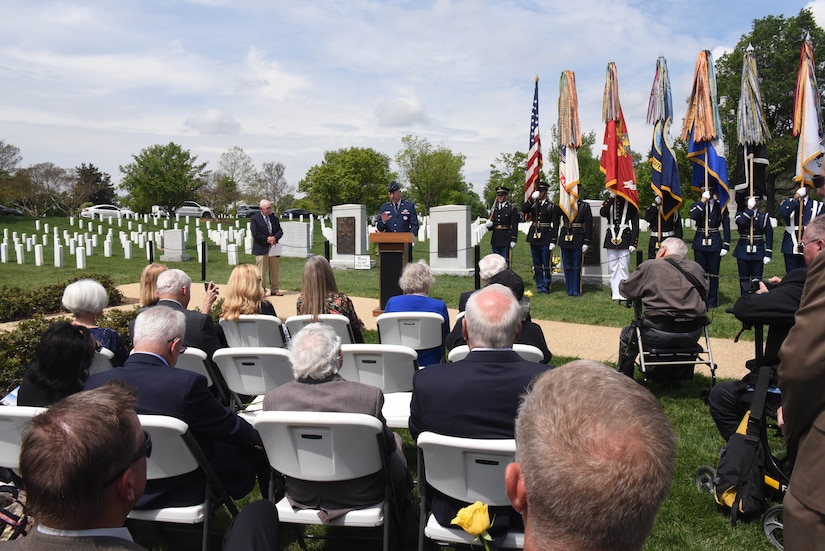
Today, 45 years after Operation Eagle Claw, those lessons, as well as the professionalism and dedication of the service members involved in the ill-fated mission, were remembered during a ceremony held at Arlington National Cemetery.
Operation Lead-Up
On Jan. 16, 1979, the pro-American Iranian government under Shah Mohammad Reza Pahlavi abdicated. In the weeks that followed, the U.S. evacuated about 54,000 military and civilians from Iran as Islamic fundamentalists, led by Ayatollah Ruhollah Khomeini, incited anti-American demonstrations.
Ten months later, on Nov. 4, 1979, armed Iranians stormed the U.S. Embassy in Tehran and took 66 American hostages, 13 of whom were later released. The remaining 53 were held hostage in the months that followed as the CIA and Pentagon began planning for a rescue, code-named Operation Eagle Claw.
Eagle Claw, an extremely complex operation, depended on everything going according to plan. Any deviation could cause the entire operation to unravel with possibly tragic consequences.
The Iran Hostage Crisis: A Nation Held Hostage
The nightmare began on November 4, 1979, when Iranian revolutionaries stormed the U.S. Embassy in Tehran. They took 66 Americans captive, demanding the return of the deposed Shah and an end to U.S. “interference.” Thirteen hostages (women and African Americans) were freed early, but 52 remained for 444 long days. Diplomatic talks stalled. Sanctions bit hard. Americans watched the evening news in stunned silence, yellow ribbons tied around trees in quiet solidarity.
President Carter tried every peaceful path first. But by early 1980, with no end in sight, he approved a military option as a last resort. The mission, codenamed Operation Eagle Claw, would test the limits of American ingenuity and bravery.
The Bold Plan, Operation Eagle Claw: Two Nights, One Shot at Freedom
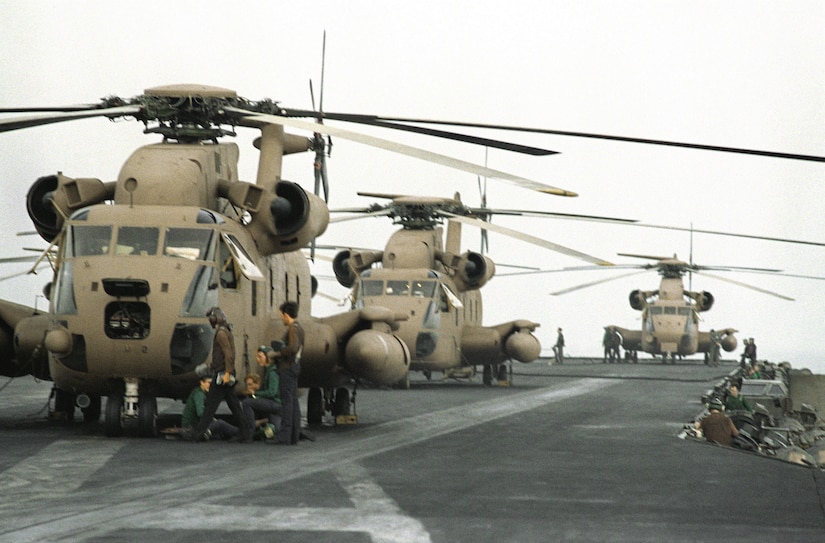
The operation was breathtakingly complex. Air Force C-130 transports would fly Delta Force operators and Rangers from Oman to a remote desert spot called Desert One, 200 miles southeast of Tehran. There, eight Navy RH-53D Sea Stallion helicopters, launched from the aircraft carrier USS Nimitz, would refuel and carry the team closer to the capital under cover of darkness.
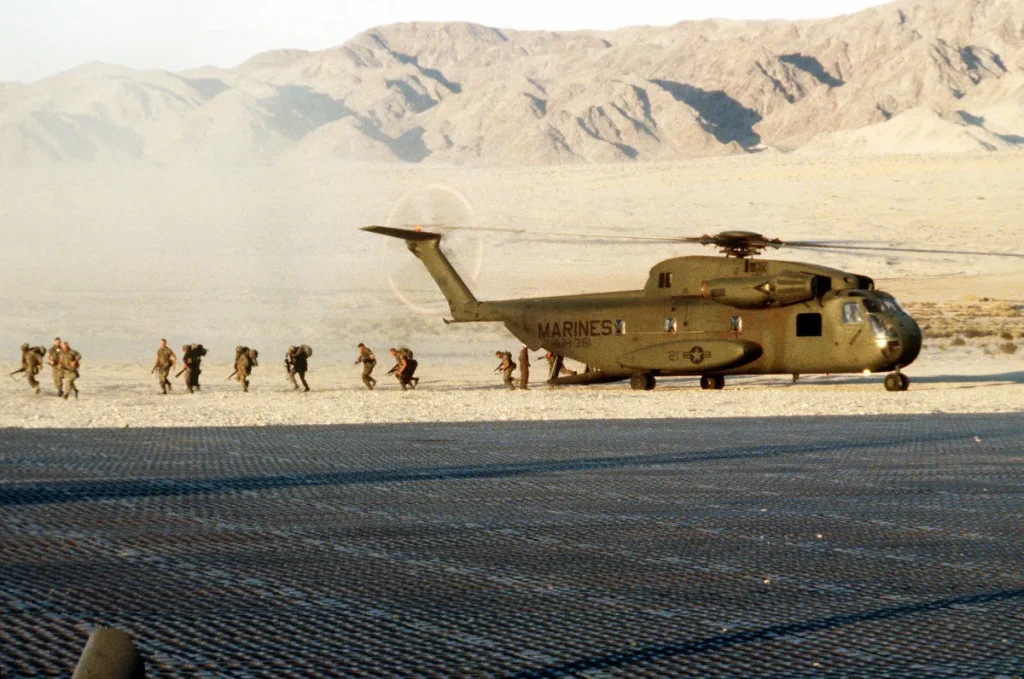
Night two: Iranian contacts would sneak the rescuers into Tehran in trucks. Delta Force would storm the embassy, Rangers would secure escape routes, and everyone, hostages included, would fly out from a nearby airfield. Planners insisted on at least six working helicopters for safety. They launched eight, just in case. It was a plan born of necessity, built on hope, and rehearsed under extreme secrecy.
That Fateful Night at Desert One: When Everything Went Wrong
On April 24, the C-130s landed right on time at the dusty salt flat. The helicopters lifted off from the carrier into the dark Arabian Sea. Then nature struck. An unforecasted haboob, a blinding wall of sand and dust, swallowed the helicopters. Visibility dropped to zero. Instruments failed. One chopper turned back with blade warnings. Another lost hydraulics. A third had electrical trouble.
Only five helicopters reached Desert One, late, battered, and one short of the minimum needed. On the ground, in swirling dust and darkness, commanders faced an impossible call. Delta Force’s Col. Charles Beckwith wouldn’t shrink his assault team. Helicopter pilots wouldn’t risk a broken bird. They radioed the tough decision to abort. President Carter approved it to protect American lives.
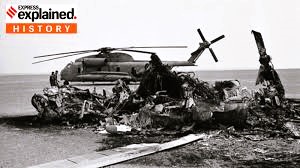
As the force prepared to withdraw, tragedy hit. One repositioning helicopter’s rotor sliced into a parked C-130 fuel plane. A fireball lit up the desert sky. Eight brave Americans, five Air Force crew and three Marines, died instantly. Others were badly burned. The survivors evacuated under fire from no enemy, but from heartbreak and failure. They left behind helicopters, weapons, and classified papers. No hostages were reached.
Why It Failed: A Painful But Honest Look
No enemy fired a shot, yet the mission collapsed. Mechanical issues plagued the mine-sweeper helicopters pressed into special-ops duty. The dust storm was ferocious and unexpected. Planning was rushed and overly complicated. There was no single joint commander, limited full-team rehearsals, and strict secrecy that blocked better weather intel. The “six-helicopter minimum” rule, while cautious, left zero room for the bad luck that hit.
It wasn’t one mistake; it was a perfect storm of human limits, equipment strain, and desert realities. The men on the ground showed incredible guts. But the system wasn’t ready for such a high-wire act.
The Holloway Report: Facing the Truth to Get Better
President Carter ordered an immediate, no-holds-barred review led by Admiral James L. Holloway III. The 1980 Holloway Report was blunt but fair. It praised the mission concept as the best realistic chance to save lives. It found “not a shred of evidence of culpable neglect.” The crews were the finest available.
Yet it called out real problems: ad-hoc command structure, insufficient helicopter redundancy, poor weather integration, and the lack of a standing special-operations task force. The report’s 23 issues and 11 major recommendations became a blueprint for reform. No finger-pointing, just clear-eyed fixes so future teams wouldn’t face the same heartbreak.
Political Pressures Behind the Mission: Operation Eagle Claw
By early 1980, the Iran Hostage Crisis had become the defining symbol of President Carter’s presidency. With plunging approval ratings and a tough re-election battle ahead, immense political pressure mounted to “do something” to bring the hostages home. Carter agonised over their safety while facing accusations of weakness. The timing aligned with the Democratic primaries, and a successful rescue could have provided a major boost.
However, the Holloway Report found no evidence that political pressure compromised planning or execution. The abort decision was made on sound military grounds, and Carter approved it to protect American lives. Political compulsions raised the stakes, but the failure stemmed from operational realities, not election-year meddling.
While the Military Planned, Diplomacy Delivered
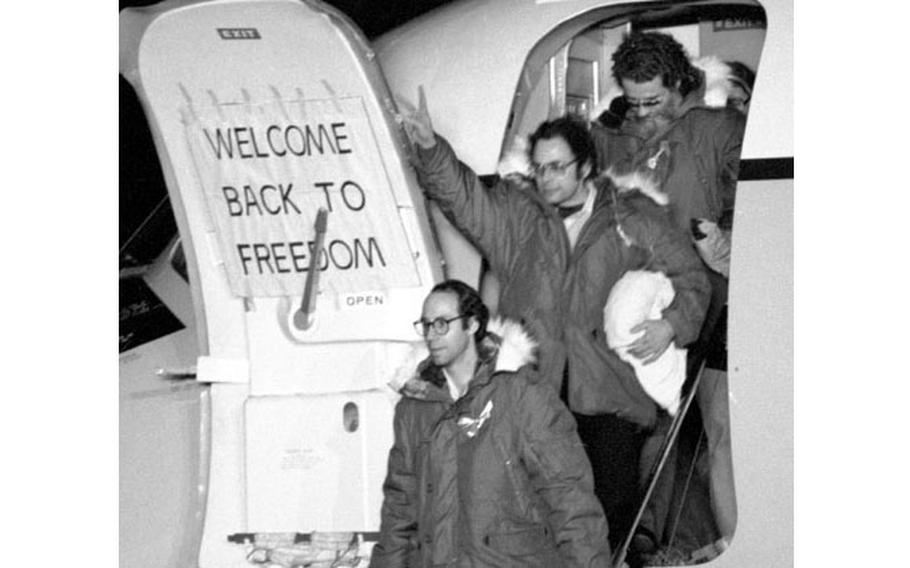
Even as Eagle Claw unfolded, quiet talks continued through Algerian mediators. Iran wanted frozen assets unfrozen and guarantees of non-interference. The U.S. refused ransom but offered sanctions relief and an international claims tribunal. On January 19, 1981, in the final hours of Carter’s presidency, the Algiers Accords were signed. The next day, minutes after Ronald Reagan’s inauguration, the 52 hostages flew to freedom. They came home to parades, tears, and yellow ribbons everywhere. Carter flew to Germany to greet them personally. The peaceful end showed that patience and pressure can work when force cannot.
Operation Eagle Claw vs. the 2026 Iran Airman Rescue: Lessons in Action
Fast forward to April 2026, during the ongoing U.S.-Israel conflict with Iran known as Operation Epic Fury. An F-15E Strike Eagle was shot down over Isfahan province. While the pilot was rescued quickly, the weapons systems officer, a U.S. Air Force Colonel, remained missing for nearly 48 hours, hiding wounded in the rugged mountains.
U.S. special forces, including Navy SEAL Team 6 elements, executed a daring nighttime combat search-and-rescue mission deep inside Iran. President Trump announced, “WE GOT HIM!” declaring the Colonel had been successfully extracted and was safe. No American rescuers were killed.
Iran claimed its forces destroyed two U.S. C-130 transport planes and Black Hawk helicopters, releasing footage of wreckage. U.S. officials confirmed that two MC-130J special operations aircraft became stuck on the ground due to mechanical issues at a forward site. American forces deliberately destroyed them to prevent sensitive equipment from falling into Iranian hands before exfiltrating safely on replacement aircraft.
The parallels feel eerie: C-130s and helicopters left or destroyed in Iranian territory, Iranian propaganda invoking the 1980 humiliation. Yet the outcomes reveal profound progress.
| Aspect | Operation Eagle Claw (1980) | 2026 Iran Airman Rescue |
|---|---|---|
| Mission Goal | Rescue 52 hostages from the Tehran embassy | Rescue one downed U.S. Colonel (F-15E weapons officer) |
| Key Aircraft | 8 Navy RH-53D helicopters + Air Force C-130s | Black Hawks, MH-6 Little Birds, MC-130J variants |
| What Happened to Aircraft | Dust storm and mechanical failures forced abort; collision killed 8 | Two MC-130Js were stuck and deliberately destroyed by U.S. forces |
| Outcome | Mission aborted; 8 dead; no hostages rescued | Mission succeeded; Colonel rescued alive; no U.S. deaths in the rescue team |
| Political Context | Election-year pressure on Carter | Active combat operations under Trump |
The 2026 rescue succeeded where Eagle Claw could not, thanks directly to the reforms born from that painful night at Desert One. Unified command under U.S. Special Operations Command (USSOCOM), dedicated special operations aviation, superior night-vision technology, better intelligence, and rigorous joint training turned potential disaster into a quiet victory. The Colonel is home with his family. The operators returned safely. America once again showed it never leaves its people behind.
The Legacy: From Tragedy Came Strength
The eight fallen heroes of Desert One are remembered at Arlington and in special-ops lore. Their sacrifice sparked massive change. The U.S. created the US Special Operations Command (USSOCOM) in 1987, the 160th Night Stalkers aviation unit, better night-vision gear, full-mission rehearsals, and true joint teamwork. Goldwater-Nichols reforms strengthened overall military coordination.
Today’s elite forces train with the lessons of Desert One baked in. What felt like failure in 1980 became the foundation for successes we rarely hear about. America turned pain into preparedness, proving we learn from our toughest moments.
Frequently Asked Questions
1. What exactly was Operation Eagle Claw?
It was the 1980 U.S. military attempt to rescue 52 American hostages from the Tehran embassy using Delta Force, Rangers, Air Force transports, and Navy helicopters.
2. Why did the 1980 rescue mission fail?
A fierce sandstorm, mechanical problems with the helicopter, and arriving one short of the required aircraft forced an abort. A collision during withdrawal killed eight servicemen.
3. What did the Holloway Report conclude?
It called the plan feasible and the troops heroic, but highlighted command gaps, insufficient redundancy, and the need for permanent special-operations structures that later transformed U.S. forces.
4. Did political pressure influence the 1980 decision to launch?
Yes, election-year pressures on President Carter raised the stakes, but the Holloway Report found no evidence that politics compromised the military execution or abort decision.
5. How does the 2026 Iran airman rescue compare to Eagle Claw?
Both involved high-risk operations inside Iran with C-130 and helicopter issues, but the 2026 mission succeeded in rescuing the wounded Colonel with no rescuer deaths, thanks to post-1980 reforms.
6. What long-term impact did Operation Eagle Claw have?
It directly led to USSOCOM, dedicated aviation units, better joint training, and the professional special-operations force that enabled recent successes like the 2026 rescue.
Author
Maj Hamid Mahmood (Retired) is a former Pakistan Army officer with over 20 years of service. He holds an MA in Political Science, an LLB, and a Postgraduate Diploma in Human Resource Management. He specialises in military history, strategic affairs, and international relations.
References
- Final Report of the Special Operations Review Group (Holloway Report), July 1980
- The Guts to Try by Col. James H. Kyle
- Delta Force by Col. Charles Beckwith
- U.S. State Department historical documents on the Iran Hostage Crisis and Algiers Accords
- Declassified Joint Chiefs of Staff records and participant accounts
- Official statements and reporting on the 2026 U.S. airman rescue during Operation Epic Fury