
Lotus Seeds Health Benefits: A Superfood with Incredible Health Benefits
Introduction
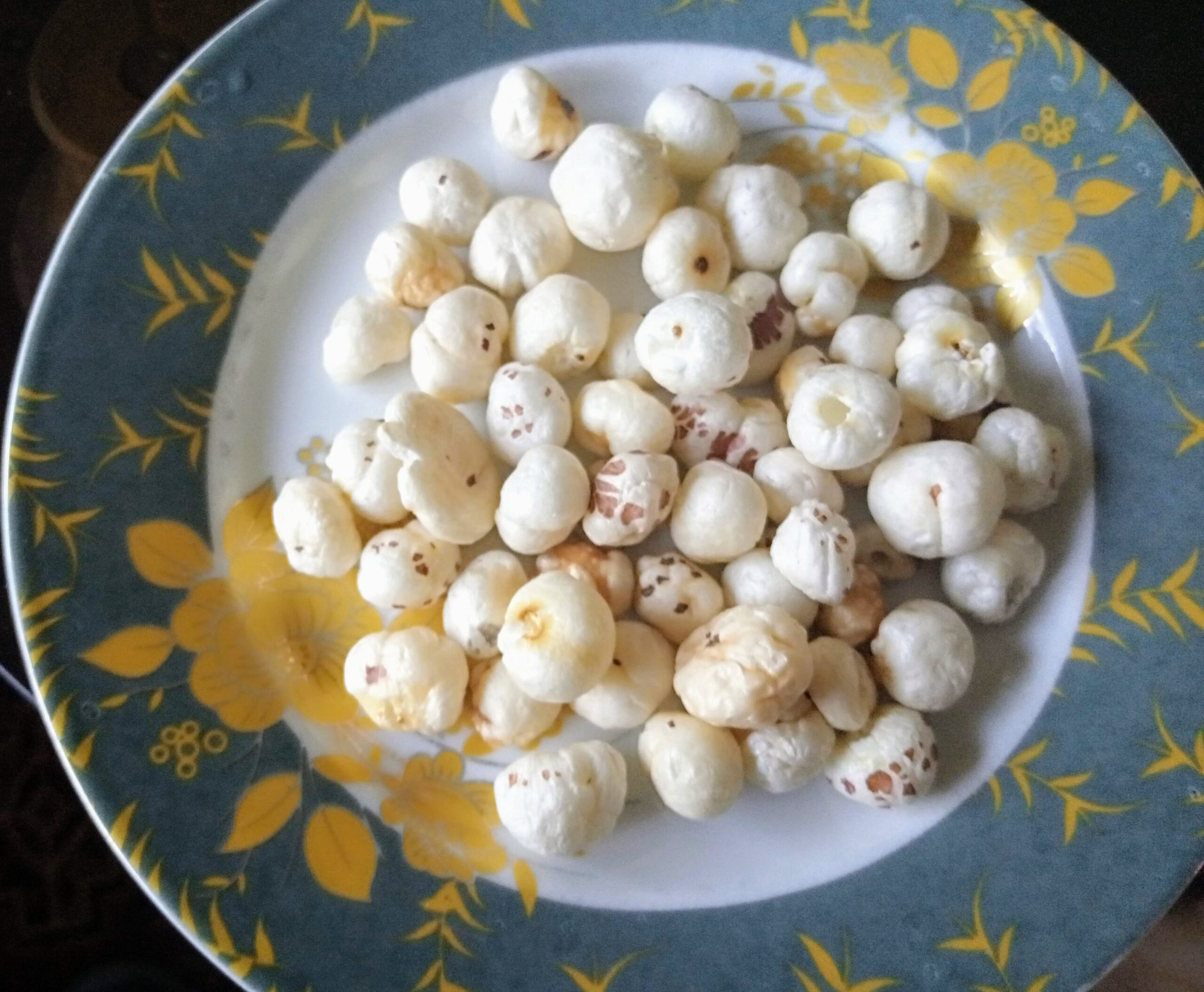
Have you ever eaten lotus seeds? Also known as makhana, fox nuts, Euryale Ferox, or Gorgon nuts, these tiny seeds are often consumed in Asia and are gaining popularity worldwide as a nutrient-packed superfood.
While the lotus plant is admired for its beautiful blossoms, its seeds have been used for centuries to support heart health, digestion, brain function, and overall well-being. This guide explains everything about lotus seeds, including nutrition, benefits, safe usage, and precautions.
Did you know that just a handful of these seeds provides protein, magnesium, and antioxidants enough to make a perfect low-calorie snack?
https://mrpo.pk/flax-seeds-benefits-nutrition-uses-side-effects/
Lotus Seeds Health Benefits
What Are Lotus Seeds?
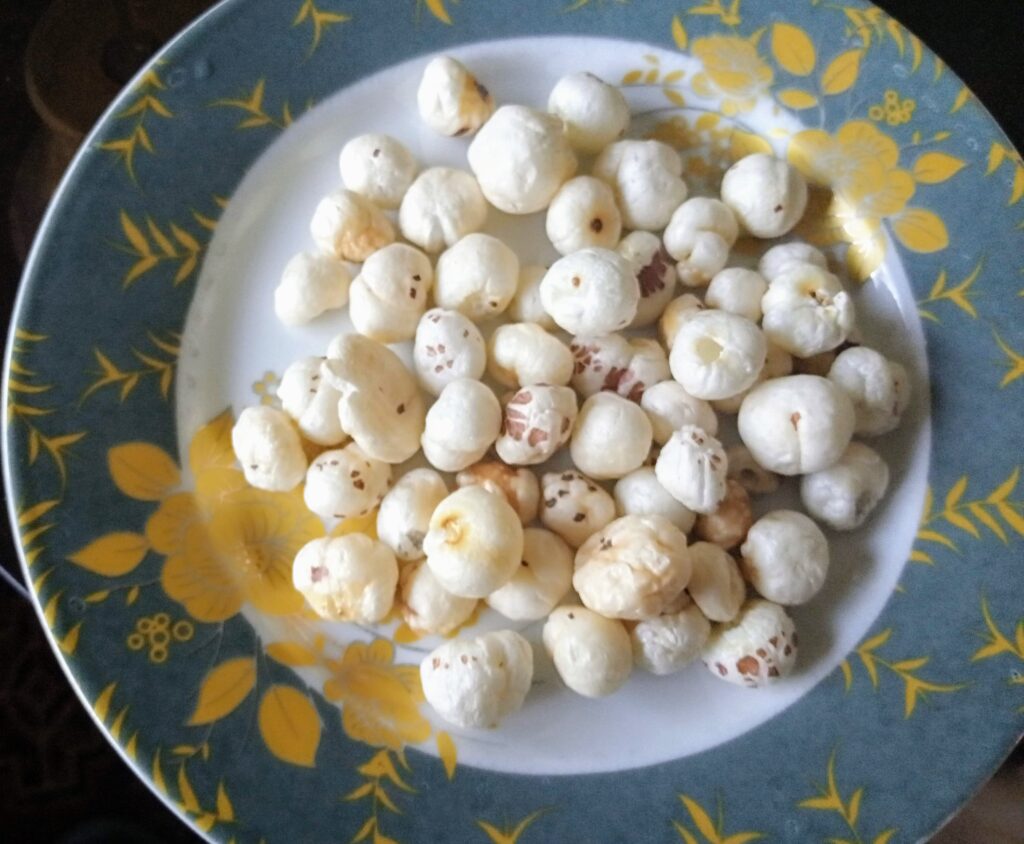
Lotus seeds, also called makhana or fox nuts, come from the lotus plant (Nelumbo nucifera). In Chinese, they are called lian zi, and in Japanese, they are used in traditional desserts.
These seeds are crunchy, slightly nutty, and can be eaten raw, roasted, boiled, or powdered. They are naturally gluten-free, low in sodium, and packed with vitamins, minerals, fibre, and antioxidants.
Quick fact: The seeds have been used in Ayurveda and Chinese medicine for centuries as a brain and kidney tonic.
This table provides a clear breakdown of the key nutrients per 100 grams
Nutrient | Amount per 100g | Health Benefits
|————————– |——————— |————————————-
Calories | 89 kcal | Low-calorie snack, ideal for weight management.
Protein | 4.13 g | Supports muscle repair and growth.
Carbohydrates | 17.28 g | Provides energy and dietary fibre.
Dietary Fibre | 0.8 g | Improves digestion and gut health.
Fats | 0.53 g | Low fat, making it a heart-healthy snack.
Sugars | 0 g | Suitable for diabetics due to no added sugars.
Calcium | 44 mg | Strengthens bones and teeth.
Iron | 0.95 mg | Prevents anaemia and improves blood health.
Magnesium | 56 mg | Supports heart health and muscle function.
Phosphorus | 168 mg | Essential for bone health and energy production.
Potassium | 367 mg | Regulates blood pressure and fluid balance.
Sodium | 1 mg | Low sodium content, ideal for hypertension patients.
Zinc | 0.28 mg | Boosts immune function and wound healing.
Vitamin C | 0 mg | Contains antioxidants indirectly through other compounds.
Thiamine (Vitamin B1) | 0.171 mg | Enhances brain function and energy metabolism.
Riboflavin (Vitamin B2)| 0.04 mg | Supports skin health and energy production.
Niacin (Vitamin B3) | 0.429 mg | Improves cholesterol levels and supports brain health.
Vitamin B6 | 0.168 mg | Supports neurotransmitter production and brain health.
Folate (Vitamin B9) | 28 µg | Reduces the risk of heart disease and supports cell growth.
Antioxidants | High | Protects against oxidative stress and chronic diseases.
A small handful of lotus seeds can give you a nutrient boost without extra calories, perfect for healthy snacking.
Lotus Seeds Health Benefits

1. Improves Heart Health
Rich in magnesium, seeds act as a natural calcium channel blocker, supporting healthy blood flow and oxygen circulation. Folate in the seeds helps reduce the risk of heart disease and other cardiovascular issues.
2. Helps Manage Diabetes
With a low glycemic index, these prevent sudden blood sugar spikes and improve insulin response. Roasted or dried lotus seeds make an excellent evening snack for diabetics.
3. Promotes Kidney Health
They have diuretic and detoxifying properties, reducing acidity, preventing kidney stones, and improving renal function. They help flush out toxins, supporting overall kidney health.
4. Supports Digestion and Weight Management
High in dietary fibre, lotus seeds regulate appetite, reduce cravings, and keep you full longer, aiding in weight loss. They also support gut and liver health by removing waste and toxins.
5. Enhances Sexual Health
These act as a natural aphrodisiac, improving blood flow to reproductive organs. They may enhance fertility and sexual performance in both men and women.
6. Anti-Ageing Properties
The seeds contain L-iso aspartyl methyltransferase, an enzyme that repairs damaged proteins and boosts collagen. This slows ageing, reduces wrinkles, and promotes youthful skin.
7. Promotes Better Sleep
With antispasmodic and soothing properties, lotus seeds help calm the nerves. Isoquinoline alkaloids in the seeds reduce anxiety and promote relaxation for better sleep.
8. Regulates Blood Pressure
Low in sodium and high in potassium and magnesium, lotus seeds support healthy blood pressure levels and can help manage mild hypertension.
9. Enhances Brain Function
Rich in thiamine (Vitamin B1), seeds support acetylcholine production, essential for nerve health, memory, and focus.
10. Boosts Immunity
Zinc in seeds strengthens the immune system, reducing the risk of infections and illnesses.
11. Rich in Antioxidants
Antioxidants in lotus seeds help protect the body from oxidative stress, supporting overall health and longevity.
How to Consume
These can be enjoyed in multiple forms:
-
Raw or roasted: As a healthy snack
-
Boiled: Added to soups and stews
-
Powdered: Mixed with warm milk or water
-
In desserts: Chinese and Japanese sweets, or lotus seed paste
-
Lotus tea: Made from leaves, flowers, or seeds (liánchá in Chinese, yeoncha in Korean)
Roasted lotus seeds make a crunchy, guilt-free snack that’s perfect for both kids and adults.
How to Consume Lotus Seeds
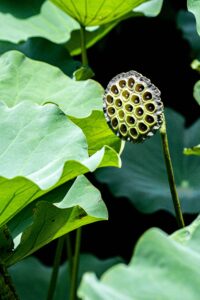
- The seeds can be enjoyed in various forms:
- Raw or roasted as a healthy snack.
- Boiled or added to soups and stews.
- Powdered and mixed with warm milk or water.
- Used in Chinese and Japanese desserts as a paste or syrup.
Lotus tea is an infusion made from lotus leaves, flowers, roots, fruit, seeds, or embryos. It is known as liánchá (莲茶, 蓮茶, [ljɛ̌n.ʈʂʰǎ]) in Chinese and yeoncha (연차, 蓮茶, [jʌn.tɕʰa]) in Korean. It is also known as trà sen in Vietnamese.
Precautions & Who Should Avoid Lotus Seeds
People with Allergies to Lotus Seeds or Similar Plants
Reason: Some individuals may have an allergic reaction to lotus seeds or other plants in the same family (e.g., water lilies).
Symptoms: Itching, swelling, rashes, or difficulty breathing.
Advice: If you have a known allergy to aquatic plants or seeds, avoid lotus seeds and consult an allergist.
Individuals with Low Blood Pressure (Hypotension)
Reason: These seeds are known to help regulate blood pressure, which can be problematic for those with already low blood pressure.
Risk: Excessive consumption may cause blood pressure to drop too low, leading to dizziness, fainting, or fatigue.
Advice: Monitor your blood pressure regularly and consult a doctor before adding lotus seeds to your diet.
Pregnant and Breastfeeding Women
Reason: There is limited research on the effects of lotus seeds during pregnancy and breastfeeding.
Risk: Certain compounds in lotus seeds may have unknown effects on fetal development or milk production.
Advice: Consult a Doctor before consuming these seeds during pregnancy or while breastfeeding.
People Taking Blood Pressure Medications
Reason: They have natural blood pressure-lowering properties, which may interact with antihypertensive medications.
Risk: Combining lotus seeds with blood pressure medication could cause blood pressure to drop too low.
Advice: Speak with your doctor before consuming lotus seeds if you are on blood pressure medication.
Individuals with Digestive Issues
Reason: High in fibre, which can cause bloating, gas, or diarrhoea in people with sensitive digestive systems.
Risk: Overconsumption may worsen conditions like irritable bowel syndrome (IBS) or inflammatory bowel disease (IBD).
Advice: Start with small amounts and monitor your body’s response. Avoid if symptoms worsen.
People with Kidney Stones or Kidney Disease
Reason: While they are generally beneficial for kidney health, their high mineral content (e.g., calcium, phosphorus) may contribute to kidney stone formation in susceptible individuals.
Risk: Excessive consumption could worsen kidney stone conditions or strain compromised kidneys.
Advice: Consult a nephrologist before adding lotus seeds to your diet if you have a history of kidney stones or kidney disease.
Individuals on Low-Calcium Diets
Reason: These seeds contain calcium, which may not be suitable for people who need to limit calcium intake (e.g., those with hypercalcemia or certain metabolic disorders).
Risk: Excessive calcium intake could lead to complications like kidney stones or calcium buildup in blood vessels.
Advice: Consult your Doctor to determine if lotus seeds are safe for you.
People with Diabetes on Medication
Reason: While they help regulate blood sugar, they may interact with diabetes medications, causing blood sugar levels to drop too low (hypoglycemia).
Risk: Combining these seeds with antidiabetic drugs could lead to dizziness, confusion, or fainting.
Advice: Monitor blood sugar levels closely and consult your doctor before consuming lotus seeds.
Children Under 5 Years Old
Reason: Lotus seeds are small and hard, posing a choking hazard for young children.
Risk: Choking or digestive issues due to an underdeveloped digestive system.
Advice: Avoid giving a whole lotus seed to young children. If consumed, ensure they are ground into a fine powder or paste.
People Undergoing Surgery
Reason: The seeds may affect blood pressure and blood sugar levels, which could interfere with surgical procedures or recovery.
Risk: Complications during or after surgery due to unstable blood pressure or blood sugar.
Advice: Stop consuming lotus seeds at least two weeks before any scheduled surgery.
General Precautions
Moderation is Key: Overconsumption of the seeds may lead to side effects like digestive discomfort or nutrient imbalances.
Quality Matters: Ensure lotus seeds are sourced from reputable suppliers to avoid contamination or pesticides.
Consult a Doctor: If you have any underlying health conditions or are taking medications, consult a healthcare professional before adding lotus seeds to your diet.
These seeds are a nutrient-rich superfood with numerous health benefits, but they may not be suitable for everyone. If you fall into any of the above categories, it’s best to consult a healthcare provider before consuming lotus seeds. Always prioritise safety and moderation when incorporating new foods into your diet.
Recommended Dosage: Consume 3 to 6 grams of powdered lotus seed extract daily, divided into small doses after meals. You can mix it with warm milk, water, or honey for added benefits.
Disclaimer
The information provided in this article is for educational purposes only and should not be considered medical advice. Always consult a licensed healthcare professional before making any changes to your diet or health regimen.
If you found this article helpful, please like, share, and subscribe for more health and wellness content!
Recommended Dosage
-
3–6 grams of powdered lotus seed extract daily, divided into small doses after meals.
-
Can be mixed with warm milk, water, or honey for added benefits.
Frequently Asked Questions (FAQs)
1. Can I eat lotus seeds every day?
Yes, in moderation. 3–6 grams daily is safe for most adults.
2. Are these seeds good for diabetes?
Yes, their low glycemic index helps stabilise blood sugar.
3. Can these help me sleep better?
Yes, their calming properties promote relaxation and restful sleep.
4. Are these seeds safe for children?
Yes, but grind them for children under 5 to avoid choking.
5. Can lotus seeds improve brain function?
Yes, they are rich in thiamine, which supports memory and focus.
6. Do the seeds help in weight loss?
Yes, low in calories and high in fibre, they promote fullness and weight management.
Curious how lotus seeds compare to flax seeds? Both are nutritious, but lotus seeds are lower in calories and better for kidney health.
References / Authoritative Sources
-
USDA FoodData Central
-
National Institutes of Health (NIH)
-
PubMed – National Library of Medicine
-
Harvard T.H. Chan School of Public Health
-
Healthline Nutrition Research
-
Ayurveda & Traditional Chinese Medicine texts
Conclusion
Lotus seeds are a nutrient-rich superfood offering benefits for heart health, digestion, sleep, brain function, immunity, and weight management. With multiple consumption options, they are an easy addition to your diet for overall physical and mental wellness.
Add a handful of roasted lotus seeds to your daily routine and experience the health benefits of this ancient superfood!