Top 15 High-Protein Vegan Recipes: No More Eating a Chicken a Day
Updated February 2026
What if your strongest meals didn’t require meat at all?
Switching to a vegan diet doesn’t mean you have to give up on protein. Many delicious, high-protein vegan recipes are easy to make at home. Here are the top 152high-protein vegan recipes to help you enjoy a protein-rich vegan diet.
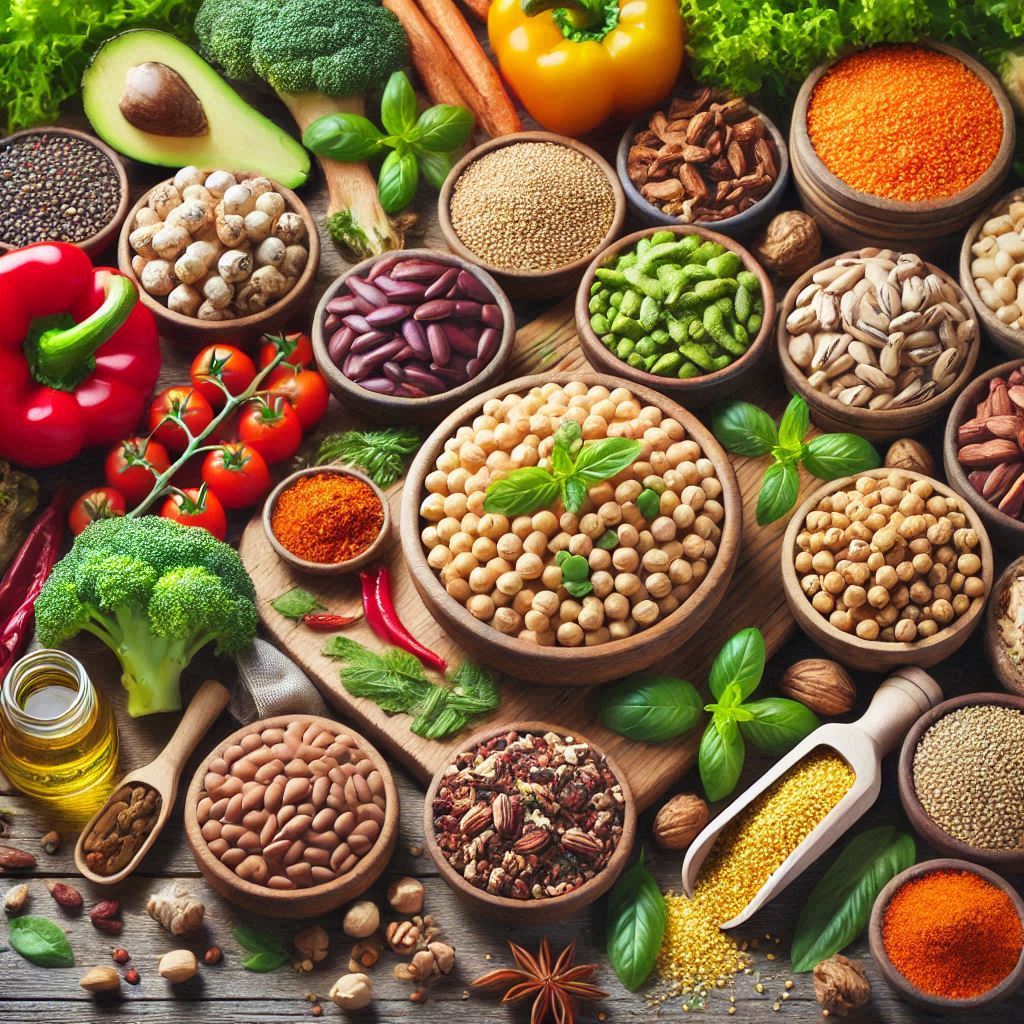
Recipes are not only high in protein but also packed with a variety of nutrients essential for your body, especially during the winter season. Here’s how they help:
Protein is not about hype. It’s about smart combinations.
Lentil and Vegetable Stir-Fry: Rich in protein from lentils, and packed with vitamins and minerals from mixed vegetables like broccoli and bell peppers. Provides fibre and antioxidants.
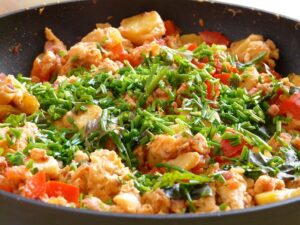
Ingredients:
Lentils (cooked)
Mixed vegetables (broccoli, bell peppers, carrots)
Soy sauce
Olive oil
Garlic
Recipe:
- Sauté minced garlic in olive oil.
- Add mixed vegetables and cook until tender.
- Stir in cooked lentils and soy sauce.
Chickpea Salad: Chickpeas offer protein and fibre, while cucumbers and tomatoes provide hydration and vitamins like vitamins C and K.
Chickpea Salad
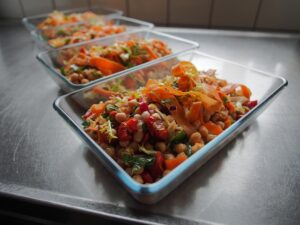 Ingredients:
Chickpeas (cooked)
Cucumber
Cherry tomatoes
Red onion
Lemon juice
Olive oil
Salt and pepper
Recipe
- Mix chickpeas, chopped cucumber, cherry tomatoes, and red onion in a bowl.
- Drizzle with lemon juice and olive oil.
- Season with salt and pepper.
Tofu Scramble: High in protein from tofu and rich in iron and calcium. Spinach adds vitamins A, C, and K, along with magnesium and iron.
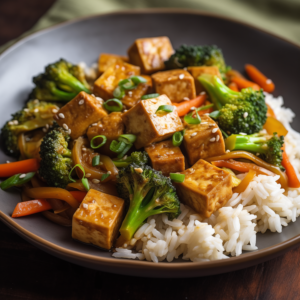
Ingredients:
Firm tofu
Spinach
Bell peppers
Turmeric
Nutritional yeast
Olive oil
Salt and pepper
Recipe
- Crumble tofu in a pan with olive oil.
- Add turmeric and nutritional yeast for flavour.
- Stir in chopped spinach and bell peppers; cook until tender.
Quinoa and Black Bean Bowl: Quinoa is a complete protein and provides essential amino acids. Black beans add fibre and iron, while avocado offers healthy fats and potassium.
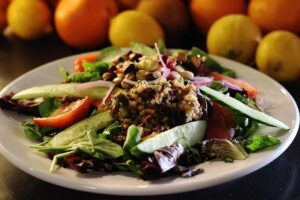
Ingredients:
Quinoa (cooked)
Black beans (cooked)
Corn
Avocado
Salsa
Lime juice
Recipe:
- Combine quinoa, black beans, and corn in a bowl.
- Top with sliced avocado and salsa.
- Drizzle with lime juice.
Peanut Butter and Banana Smoothie: Peanut butter is a protein source, and bananas add potassium and vitamin B6. Chia seeds offer omega-3 fatty acids and fibre.
Peanut Butter and Banana Smoothie

Ingredients:
Banana
Peanut butter
Plant-based milk
Chia seeds
Recipe:
- Blend banana, peanut butter, plant-based milk, and chia seeds until smooth.
Vegan Chili: Beans provide protein, fibre, and iron. Tomatoes and corn add vitamins A and C, along with lycopene, an antioxidant.
Ingredients
Kidney beans
Black beans
Tomatoes
Corn
Onion
Garlic
Chili powder
Recipe:
- Sauté chopped onion and garlic.
- Add beans, tomatoes, corn, and chilli powder.
- Simmer for 20 minutes.
Edamame and Avocado Salad: Edamame offers protein and fibre, while avocado provides healthy fats and vitamins E and C.
Edamame and Avocado Salad
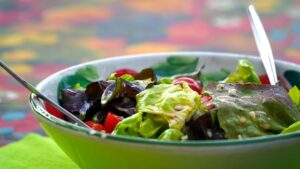
Ingredients
Edamame (cooked)
Avocado
Cherry tomatoes
Lemon juice
Olive oil
Salt and pepper
Recipe:
- Mix edamame, diced avocado, and cherry tomatoes in a bowl.
- Drizzle with lemon juice and olive oil.
- Season with salt and pepper.
Lentil Soup: Lentils are high in protein and fibre, and vegetables like carrots and celery add vitamins and minerals.
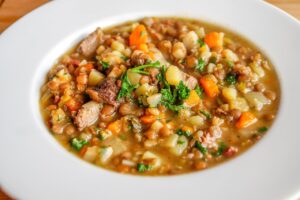
Ingredients:
Lentils
Carrots
Celery
Onion
Garlic
Vegetable broth
Recipe
- Sauté chopped onion, garlic, carrots, and celery.
- Add lentils and vegetable broth; simmer until lentils are tender.
Chickpea and Spinach Curry: Chickpeas provide protein and fibre, while spinach offers iron, vitamins A and C, and calcium. Coconut milk adds healthy fats.
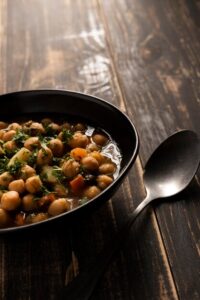
Ingredients:
Chickpeas (cooked)
Spinach
Coconut milk
Curry powder
Onion
Garlic
Recipe:
- Sauté chopped onion and garlic.
- Add chickpeas, spinach, coconut milk, and curry powder.
- Simmer until the spinach is wilted.
Vegan Protein Bars: Oats and peanut butter offer protein and fibre, while dates provide natural sweetness and minerals like potassium.
Vegan Protein Bars
Ingredients
Oats
Peanut butter
Dates
Plant-based protein powder
Dark chocolate chips
Recipe
- Blend oats, peanut butter, dates, and protein powder.
- Press into a pan and sprinkle with chocolate chips.
- Refrigerate until firm.
Black Bean and Quinoa Salad: High in protein and fibre, with added vitamins and minerals from red bell pepper and corn.
Black Bean and Quinoa Salad
Ingredients
Black beans (cooked)
Quinoa (cooked)
Corn
Red bell pepper
Cilantro
Lime juice
Olive oil
Salt and pepper
Recipe:
- Mix black beans, quinoa, corn, diced red bell pepper, and chopped cilantro in a bowl.
- Drizzle with lime juice and olive oil.
- Season with salt and pepper.
Seitan Stir-Fry: Seitan is rich in protein, while broccoli and snow peas add vitamins A, C, and K, along with fibre.
Ingredients:
Seitan (sliced)
Broccoli
Snow peas
Carrots
Soy sauce
Garlic
Ginger
Olive oil
Recipe
- Sauté minced garlic and grated ginger in olive oil.
- Add sliced seitan and cook until browned.
- Add chopped broccoli, snow peas, and carrots; stir-fry until tender.
- Stir in soy sauce and cook for another minute.
Tempeh Tacos: Tempeh provides protein and probiotics. Vegetables like lettuce and tomato add vitamins and antioxidants.
Ingredients
Tempeh (crumbled)
Taco seasoning
Corn tortillas
Lettuce
Tomato
Avocado
Salsa
Recipe
- Sauté crumbled tempeh with taco seasoning.
- Warm corn tortillas in a pan.
- Fill tortillas with tempeh, shredded lettuce, diced tomato, and sliced avocado.
- Top with salsa.
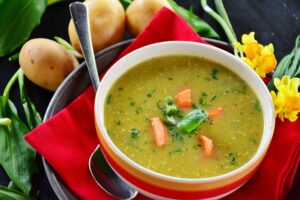
: Lentils provide protein and fibre, while sweet potatoes and carrots add vitamins A and C, along with potassium.
Ingredients:
Lentils
Sweet potatoes
Carrots
Onion
Garlic
Vegetable broth
Tomatoes
Cumin
Recipe:
- Sauté chopped onion and garlic in a pot.
- Add chopped sweet potatoes, carrots, lentils, tomatoes, and vegetable broth.
- Season with cumin and simmer until lentils and vegetables are tender.
Tofu and Broccoli Rice Bowl: Tofu offers protein and calcium, while broccoli provides vitamins C and K, along with fibre.
Tofu and Broccoli Rice Bowl
Ingredients

Tofu (cubed)
Broccoli
Brown rice (cooked)
Soy sauce
Olive oil
Garlic
Green onions
Recipe
- Sauté cubed tofu in olive oil until golden.
- Add minced garlic and chopped broccoli; cook until tender.
- Serve tofu and broccoli over brown rice.
- Drizzle with soy sauce and top with chopped green onions.
These recipes are designed to be nutrient-dense, providing a balance of protein, healthy fats, vitamins, and minerals to support your overall health, particularly during the winter season. Enjoy these wholesome meals to stay healthy and energised!
With these high-protein vegan recipes, you can enjoy a variety of delicious and nutritious meals without relying on animal products. Each recipe is simple to make and packed with protein to keep you satisfied and energised. Enjoy your plant-based culinary adventure!
Eating a high-protein vegan diet is easy and delicious with these recipes. Each one is packed with flavour and nutrients, proving that you don’t need to eat chicken to get enough protein. Enjoy these meals and feel great about your plant-based choices!
The future of strength might just be green.
To meet your body’s nutritional needs and support overall health, you can include a variety of foods and beverages. Here are some nutritious options:
Beverages
- Water: Staying hydrated is essential for health. Aim to drink plenty of water throughout the day.
-

Herbal Tea : Options like chamomile, peppermint, and ginger tea are caffeine-free and have various health benefits.
- Fresh Juices: Make your own fruit and vegetable juices to ensure they are free of added sugars. Try combinations like carrot and apple, or spinach and pineapple.
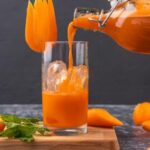
Carrot Juice - Smoothies: Blend fruits, vegetables, plant-based milk, and a protein source like nuts or seeds.
Foods
- Fruits and Vegetables: Include a variety of colourful fruits and vegetables to get a range of vitamins, minerals, and antioxidants.
- Whole Grains: Foods like quinoa, brown rice, oats, and whole grain bread provide fibre and essential nutrients.
- Nuts and Seeds: Almonds, chia seeds, flaxseeds, and walnuts are great sources of healthy fats, protein, and fibre.
- Legumes: Beans, lentils, and chickpeas are rich in protein, fibre, and various vitamins and minerals.
- Leafy Greens: Spinach, kale, and Swiss chard are packed with vitamins A, C, and K, as well as iron and calcium.
- Fermented Foods: Yoghurt, kefir, sauerkraut, and kimchi contain probiotics that support gut health.
- Healthy Fats: Avocado, olive oil, and coconut oil provide essential fatty acids and help absorb fat-soluble vitamins.
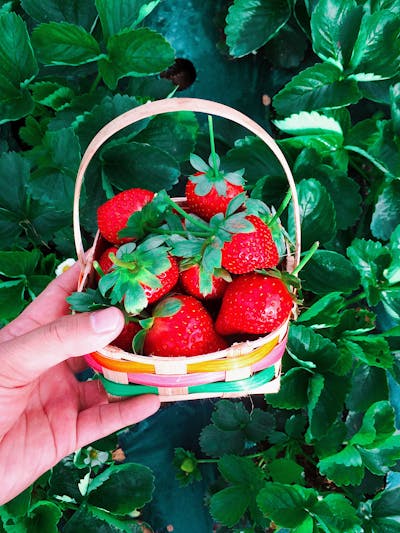
- Berries: Blueberries, strawberries, and raspberries are rich in antioxidants and vitamins.
Supplements
Depending on your specific needs, you might consider supplements such as: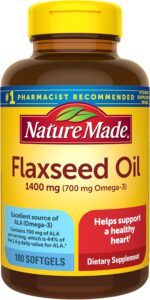
Vitamin D: Especially important in winter or for those with limited sun exposure.
Omega-3 Fatty Acid: Found in flaxseed oil or algae supplements for those who
don’t consume fish.https://a.co/d/2k16Lcd
Vitamin B12: Important for vegans and vegetarians, as it is
primarily found in animal products.
Multivitamins: To cover any potential nutrient gaps in your diet.
Incorporating these foods and beverages into your diet will help ensure you get a wide range of nutrients to support your health throughout the year, particularly in the winter. Enjoy experimenting with different combinations to keep your meals interesting and nutritious!
The foods and beverages mentioned cover a broad range of nutrients essential for maintaining health during the winter. However, a complete day’s nutritional requirements can vary based on individual needs, such as age, gender, activity level, and specific health conditions. Here are a few additional suggestions to ensure you are fully nourished during the cold season:
Additional Nutrient-Rich Foods and Drinks
Beverages
- Bone Broth: Rich in minerals and can help support your immune system and gut health.
- Golden Milk: A warm beverage made with turmeric, milk (plant-based or dairy), and spices, offering anti-inflammatory benefits.
- Green Tea: Contains antioxidants and can help boost your metabolism and immunity.
Foods
- Root Vegetables: Include sweet potatoes, carrots, and beets in your diet for their high vitamin A content and warming effect.
- Citrus Fruits: Oranges, grapefruits, and lemons are high in vitamin C, which can support your immune system.
- Whole Grains: Barley, farro, and oats are good sources of fibre and help keep you full and warm.
- Fatty Fish: If you are not vegan, fish like salmon and mackerel provide omega-3 fatty acids which are good for heart health.
- Mushrooms are a good vitamin D source and can support your immune system.
- Dark Leafy Greens: Kale and Swiss chard are packed with vitamins A, C, and K, as well as calcium.
- Seeds: Flaxseeds and chia seeds offer omega-3 fatty acids and fibre essential for maintaining good health.
A Sample Winter Day Meal Plan
Breakfast:
Oatmeal with berries, nuts, and a drizzle of honey
Herbal tea (like chamomile or peppermint)
Mid-Morning Snack:
Greek yogurt with a sprinkle of chia seeds and sliced almonds
Lunch:
Lentil and sweet potato stew
Side salad with mixed greens, tomatoes, and olive oil vinaigrette
Afternoon Snack:
A piece of fruit (like an orange or apple)
A handful of nuts (like almonds or walnuts)
Dinner
Baked salmon with quinoa and steamed broccoli (or a quinoa and black bean bowl for a vegan option)
Warm bone broth or golden milk
Evening Snack:
A small bowl of mixed berries or a homemade energy bar made with oats and nuts
6 FAQs
1. Can you get enough protein on a vegan diet?
Yes. Research from the American Journal of Clinical Nutrition shows total daily intake matters more than food pairing in a single meal.
2. What are the highest protein vegan foods?
Seitan, tofu, tempeh, lentils, chickpeas, and edamame rank among the highest.
3. Do plant proteins contain all essential amino acids?
Soy and quinoa are complete proteins. Eating a variety of legumes, grains, and seeds covers all essential amino acids.
4. How much protein do adults need daily?
Most adults need about 0.8 grams per kilogram of body weight. Active individuals may need more.
5. Is soy safe to eat regularly?
Current research indicates moderate soy intake is safe for most individuals and may support heart health.
6. Do vegans need protein supplements?
Not necessarily. Whole foods can meet needs, though athletes may choose supplementation.
This post contains affiliate links, which means I earn a commission if you purchase through these links. This comes at no additional cost to you and helps support the content I create. I only promote products/services I believe in and use myself. Your support is greatly appreciated!
Disclaimer: The content in this article is intended for informational and educational purposes only. It provides insights, tips, and general guidance on health, beauty, and wellness, but it is not a substitute for professional medical advice, diagnosis, or treatment.
Always consult a qualified healthcare professional for personal medical concerns. For more information about our approach to health and wellness content, please read our Health & Wellness Disclaimer.
Conclusion
Ensuring that you have a variety of nutrient-dense foods and beverages throughout the day can help you meet your body’s needs during the cold winter months. Focus on balanced meals that include proteins, healthy fats, vitamins, and minerals to keep your body nourished and your immune system strong. Enjoy experimenting with different combinations to find what works best for you!
Scientific References
-
Academy of Nutrition and Dietetics. Position Paper: Vegetarian Diets.
-
American Journal of Clinical Nutrition. Research on plant protein quality and daily intake adequacy.
-
Harvard T.H. Chan School of Public Health. The Nutrition Source: Plant Protein and Health.
-
World Health Organization. Protein and Amino Acid Requirements in Human Nutrition.
The Best Healthy Snacks for Weight Loss in 24/25