Global Family Systems: Bridging Traditions, Challenges, and Modern Realities
Global Family systems, a term that drifts easily into conversation, yet holds profound meaning, shaping societies worldwide. At its essence, a family system is a dynamic network of relationships, roles, and shared histories that bind individuals as they navigate life’s twists and turns. Visualise it as an intricate dance where each member, parents, children, siblings, and elders, plays distinct but interconnected roles, influencing one another like ripples across a still pond.https://mrpo.pk/human-creation/

Understanding Family Systems: The Heartbeat of Societies
A family system extends well beyond a group of people sharing a home. It is the emotional ecosystem rooted in patterns of communication, responsibility, and care. Everyone wears multiple hats: caregiver, decision-maker, nurturer, challenger. Pull one thread, and the whole fabric responds. This interconnectedness can uplift in moments of joy or create tension when roles clash.
Pros and Cons of Family Systems
Family systems offer the priceless value of belonging, a source of emotional sanctuary and practical support. We lean on families in crises and celebrate milestones together. Yet, families also carry complexities. Traditional roles can sometimes become chains, unresolved conflicts simmer beneath polite facades, and miscommunication may widen divides. It’s a delicate balance of support and struggle, love and limits.
A Glimpse Back: Historical Roots and Evolution
Historically, extended families thrived in many cultures, pooling resources and wisdom to weather challenges. This multi-generational cohabitation was more than a tradition; it was a matter of survival. The “golden era” may well be when these extended families created robust, interconnected safety nets, blending cultural practices with everyday life. With modernisation, urban migration, and shifting social values came the rise of nuclear families, altering the way kinship and obligations unfold.
Asian vs. European Family Systems: A Cross-Continental Contrast
While all families share the core need for connection, the way they organise and express this varies significantly between Asia and Europe, shaped by history, culture, and societal shifts.
Asian Family Systems: Rooted in Collectivism and Hierarchy

-
Extended Family Ties: Many Asian cultures, from China to India and Southeast Asia, emphasise extended family living or close-knit communities. Multiple generations living together or nearby is a common occurrence.
-
Respect and Hierarchy: Filial piety and honour deeply influence family roles. Elders command respect and decision-making authority, while younger members uphold obedience and responsibility.
-
Collectivist Mindset: The individual’s needs often bow to family or community welfare, fostering a strong sense of duty and cooperation.
-
Gender Roles: Traditionally patriarchal, men often lead households while women manage caregiving, though urbanisation is slowly reshaping these roles.
-
Marriage and Lineage: Arranged marriages and maintaining family honour continue to influence familial expectations, with children often remaining in parental homes until marriage.
European Family Systems: Emphasis on Autonomy and Nuclear

Units
-
Nuclear Families Dominate: Parents and children often live separately from extended relatives, highlighting individualism and self-reliance.
-
Egalitarian Roles: Shared parental duties, higher female workforce participation, and societal support systems lessen the caregiving load on families.
-
Youth Independence: Young adults typically move out early to pursue careers and lives of their own.
-
Diverse Family Models: Marriage holds less central importance in some regions, with cohabitation and single living increasingly accepted.
-
Intra-European Variation: Southern European cultures often keep stronger multi-generational bonds compared to their Northern or Western neighbours, reflecting a gradient rather than a stark divide.
The Weight of Filial Piety: Caregiving and Responsibilities in Asia
Filial piety, a vibrant thread in many Asian cultures, mandates respect and care for elders, shaping caregiving as both an honour and a duty. Adult children, especially daughters-in-law, often bear significant caregiving responsibilities, juggling emotional, physical, and financial demands. While this nurtures empathy and deep family ties, it also risks caregiver fatigue and stress. Modern life nudges adaptations, financial support, remote care, and sometimes institutional eldercare—blending tradition with practicality.
Urbanisation’s Ripple Effect: Redefining Family Roles
With faster urban migration and smaller living spaces, traditional multi-generational households give way to nuclear or even solitary living. Physical distance challenges direct caregiving, prompting shifts toward financial aid and digital communication to maintain emotional bonds. Career pressures reshape how families juggle responsibilities, while social support services step in to bridge gaps. Technology becomes a lifeline for connection, yet can never fully replace the warmth of shared presence.
Sociopsychological Impact of Family Systems in an Ageing World
As populations age globally, the strengths and strains of both systems emerge vividly:
-
For Children: Asian systems instil collective identity and responsibility early, sometimes adding pressure to conform; European families encourage independence but risk emotional distance.
-
For Adults: Asian adults often face a high caregiver burden balancing generational needs; Europeans benefit from social supports but may wrestle with guilt over less hands-on care.
-
For Elders: Close family care in Asia fosters emotional warmth but can hide vulnerabilities; European elders enjoy autonomy and professional support but may experience loneliness.
Both systems strive to harmonise tradition and modernity, resilience and care.
Spirituality: The Invisible Thread Strengthening Bonds
Spirituality, whether woven through communal rituals in Asia or personal faith in Europe, offers profound mental and emotional support. It provides meaning, hope, and social connection critical to elder well-being. Spiritual care in health services, intergenerational faith activities, and inclusive cultural respect enhance mental health, mitigate loneliness, and foster dignity across ageing societies.
Robot Companions and the Future of Family Connection?
Curiously, certain trends, like reports of European men opting for robot dolls as companions, reflect deeper societal shifts, loneliness, changing intimacy norms, and possibly eroding human connection. Such phenomena underscore the urgent need to nurture authentic family bonds, empathy, and community.
Paving the Path Forward: Restoring and Strengthening Family Systems
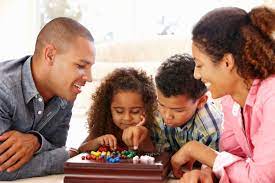
Restoring family systems amid rapid change involves returning to basics:
-
Prioritise Communication and Empathy: Family dinners, open dialogues, and shared stories ignite connections.
-
Embrace Flexible Roles: Adapt traditions to include shared caregiving and support, honouring each member’s contributions.
-
Leverage Technology Mindfully: Use digital tools to bridge distances, not widen emotional gaps.
-
Integrate Spiritual Care: Recognise and nurture spiritual needs to uphold mental health.
-
Support Caregivers: Provide education and resources to lessen burnout and enhance caregiving quality.
-
Celebrate Imperfection: Families are messy, beautifully flawed—showing up matters more than perfection.
Final Thoughts
Family systems, whether Asian or European, extended or nuclear, don’t just bind individuals; they anchor societies. They teach us about love, responsibility, empathy, and resilience. While traditions evolve, the core need for connection remains timeless. As we navigate technological wonders and new social landscapes, the magic lies in cherishing human bonds—imperfect, complex, and endlessly precious.
References
-
Goody, J. (1996). Comparing Family Systems in Europe and Asia: Are There Different Sets of Rules? Population and Development Review, 22(1).
-
Saraceno, C. (2021). Comparing Four Southern European and East Asian Welfare Regimes. Journal of European Social Policy.
-
Lundh, C., & Kurosu, S. Similarity in Difference: Marriage in Europe and Asia, 1700-1900. MIT Press.
-
Silver, H. (1982). Stem Families and Joint Families in Comparative Historical Perspective. Journal of Family History.
-
National Institute of Population and Social Security Research. (2011). Japan Family and Social Care Policies.
-
PMC Article (2011). Spirituality and Mental Health in Aging Populations.
-
Studies on Filial Piety and Caregiving Burden in Asia (various sources).
This comprehensive article aims to provide a clear, engaging, and well-rounded exploration of global family systems, their challenges, cultural underpinnings, and the ongoing journey toward meaningful connection in a changing world.
- https://www.semanticscholar.org/paper/Comparing-Family-Systems-in-Europe-and-Asia:-Are-of-Goody/f67863fb1c88ad18083d13fbbe5da9507147b68b
- https://www.econstor.eu/bitstream/10419/171966/1/f-20129-full-text-Saraceno-Varieties-v3.pdf
- https://direct.mit.edu/books/monograph/2254/Similarity-in-DifferenceMarriage-in-Europe-and
- https://pmc.ncbi.nlm.nih.gov/articles/PMC3057610/
- https://www.jstor.org/stable/2137684
- https://www.jstor.org/stable/41602010