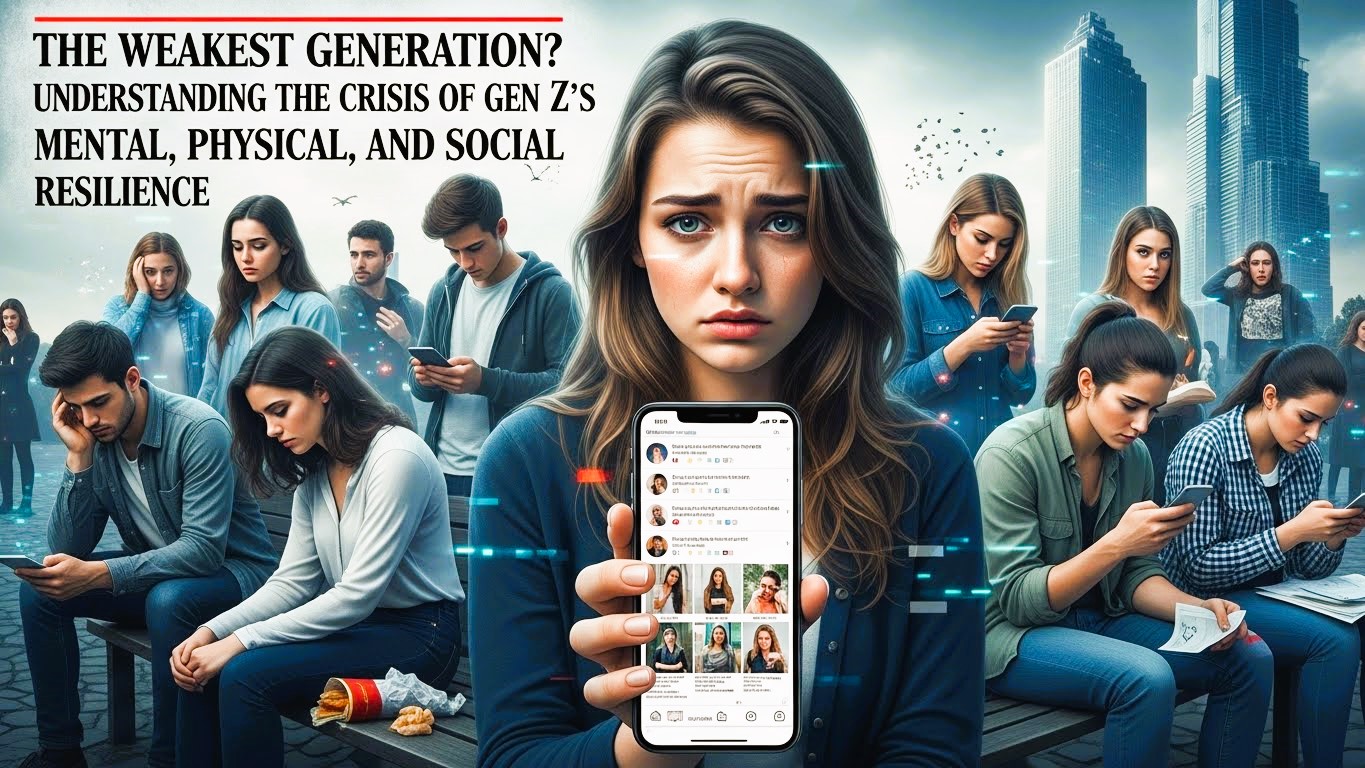

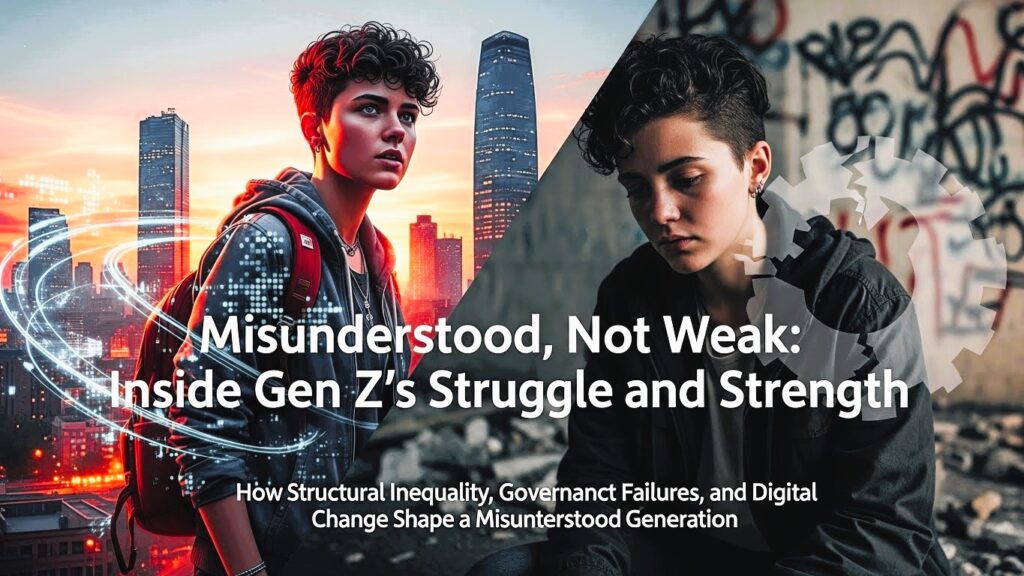
Gen Z’s Struggle and Strength: Misunderstood, Not Weak
How Structural Inequality, Governance Failures, and Digital Change Shape a Misunderstood Generation
Weak or Just Living in Hard Mode?
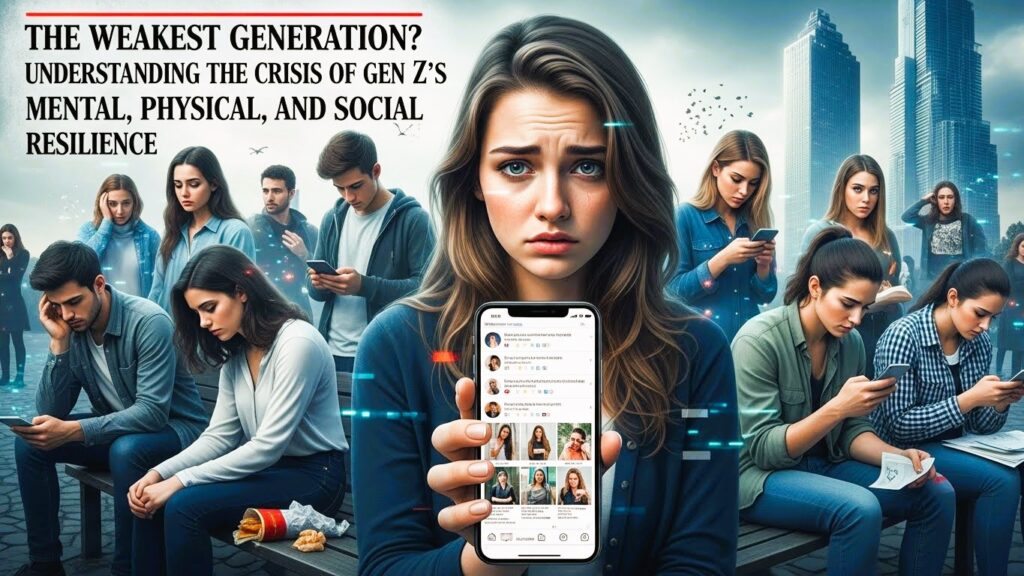
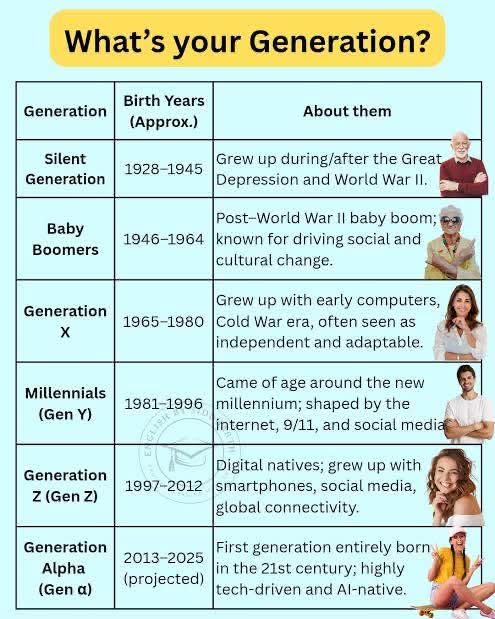
Gen Z’s Struggle and Strength: Misunderstood, Not Weak. Every generation gets labelled. Boomers were reckless. Gen X was apathetic. Millennials were entitled. Gen Z? It didn’t even get a warm-up; it was immediately declared the weakest generation in history.
It’s a catchy accusation. It spreads fast. And it avoids the harder question:
What kind of world did this generation actually inherit?
Gen Z came of age during economic instability, climate anxiety, political polarisation, and a global pandemic. It entered adulthood while housing became unaffordable, job security evaporated, and digital life erased the boundary between work, comparison, and rest.
This article argues one thing clearly: Gen Z is not weak; it is misunderstood.
To judge its resilience honestly, we must examine systems, governance, and opportunity, not just individual behaviour.
Quick takeaway: When the rules change, judging players by old standards isn’t wisdom,it’s denial.
What People Really Mean When They Call Gen Z “Weak”
Critics usually point to:
- Anxiety and depression
- Open mental health conversations
- Rejection of burnout culture
- Delayed milestones like marriage or home ownership
But here’s the problem:
These are responses to conditions, not character flaws.
Earlier generations endured hardship quietly because silence was rewarded. Gen Z questions hardship because silence no longer leads to stability.
Why Elders Are So Harsh on Gen Z
Much of the criticism comes from survivorship bias.
Those who succeeded assume the system still works the same way. It doesn’t.
There’s also discomfort:
-
With changing values
-
With questioning authority
-
With redefining success beyond money and endurance
Calling youth weak is easier than asking whether institutions still deserve loyalty.
The Ancient Sport of Blaming the Young
History check:
- Plato complained that youth lacked respect.
- Victorians feared novels would rot morals.
- Television was blamed for destroying attention spans.
- Now it’s smartphones and social media.
Every generation believes the next one is softer.
What’s new is digital amplification; criticism is now global, constant, and algorithmic.
Calling Gen Z weak isn’t a new insight.
It’s an old reflex with better Wi-Fi.
Mental Health: Fragility or Finally Telling the Truth?
Yes, Gen Z reports higher mental health struggles. But context matters.
What changed?
- Life pressure increased (costs, competition, uncertainty)
- Stigma decreased (people speak up)
- Comparison became nonstop (social media never sleeps)
What looks like weakness may actually be early detection.
Hard truth: Ignoring pain never made a generation strong. It just made it quieter.
Physical Health in a Screen-Dominated World
Gen Z didn’t choose screens; it was born into them.
Urban living, safety concerns, fewer school sports, and digital entertainment reshaped daily life. Reduced physical activity is not a moral failure; it’s a structural one.
Ironically, Gen Z is:
- More aware of mental well-being
- More conscious of diet and fitness
- More sceptical of harmful substances
The challenge isn’t ignorance.
It’s environment + access.
Social Life: Connected Everywhere, Belonging Less
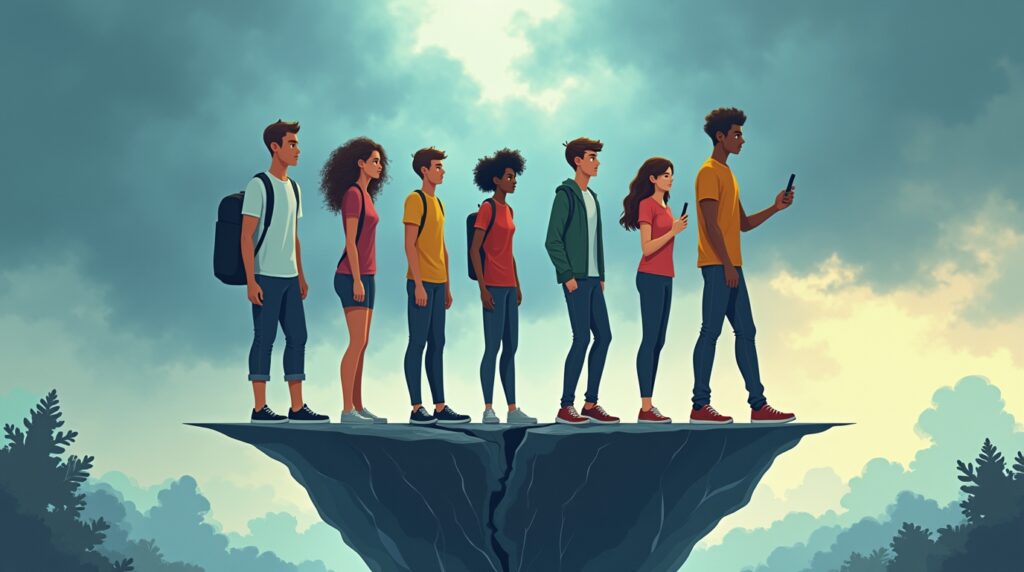
Gen Z is hyper-connected yet increasingly lonely.
Why?
- Fewer public spaces
- Longer work hours
- Rising rent is forcing the delay of independence
- Digital interaction is replacing physical community
Loneliness isn’t a personality defect.
It’s the cost of a society that dismantled shared spaces.
The Economic Reality Critics Avoid
This is where the “weak generation” argument collapses.
Gen Z entered:
- Job markets with fewer permanent roles
- Credential inflation
- Gig work replacing security
- Housing prices that defy logic
They were promised meritocracy.
They encountered gatekeeping.
When effort stops producing progress, frustration isn’t entitlement; it’s rational.
The Mental Toughness Takeaway
Gen Z’s struggle isn’t fragility; it’s the collision between hyper-connected upbringing and workplaces still designed for linear careers. Their greatest strength? Treating resilience as a learnable skill rather than stoic endurance. This aligns perfectly with the 4Cs:
- Control (managing validation withdrawal)
- Commitment (to incremental progress)
- Challenge (reframing failure as data)
- Confidence (built through micro-wins)
The lesson for all generations? Mental toughness must evolve with the times.https://everythingmentaltoughness.com/gen-z-resilience-lessons/
A Nation’s Strength Isn’t What It Owns, It’s How It Governs
This is the part critics often skip.
A society can be wealthy and still fail its youth.
When:
-
Jobs go to connections, not competence
-
Internships are unpaid “opportunities”
-
Hustle is demanded without protection
-
Stability is treated as an entitlement
Young people don’t become resilient; they become exhausted.
Deprivation isn’t just financial. It’s psychological. Watching opportunity exist—but remain inaccessible—destroys trust faster than poverty ever could.
Is Social Media the Villain Everyone Claims?
Social media didn’t create inequality.
It exposes it relentlessly.
It shows:
- Success without context
- Wealth without inheritance disclosure
- Opportunity without access
Awareness without agency creates stress.
That stress is then mislabeled as weakness.
Why Older Generations Are So Critical
Much of the criticism comes from:
- Survivorship bias
- Ignoring changed economic rules
- Discomfort with new values
Calling youth weak protects institutions from scrutiny.
Gen Z’s Strengths Nobody Likes to Credit
Emotional Intelligence
Talking about feelings is prevention, not collapse.
Digital Fluency
Remote work, AI tools, global collaboration, Gen Z adapts fastest.
Global Awareness
Climate, inequality, human rights, Gen Z engages because it will inherit the consequences.
Redefining Work
Rejecting burnout is not laziness; it’s refusing exploitation.
Creativity & Entrepreneurship
Youth-led startups, freelancing, and creator economies are booming.
Civic Engagement (Just Different)
Less party loyalty, more issue-based activism.
Strength doesn’t always look like endurance. Sometimes it looks like refusal.
The Real Cost of Getting This Wrong
When societies dismiss youth frustration:
- Talent is wasted
- Innovation slows
- Trust erodes
- Polarization grows
History doesn’t fall because youth are weak.
It falls because generations are locked out.
Practical Measures for Rectification
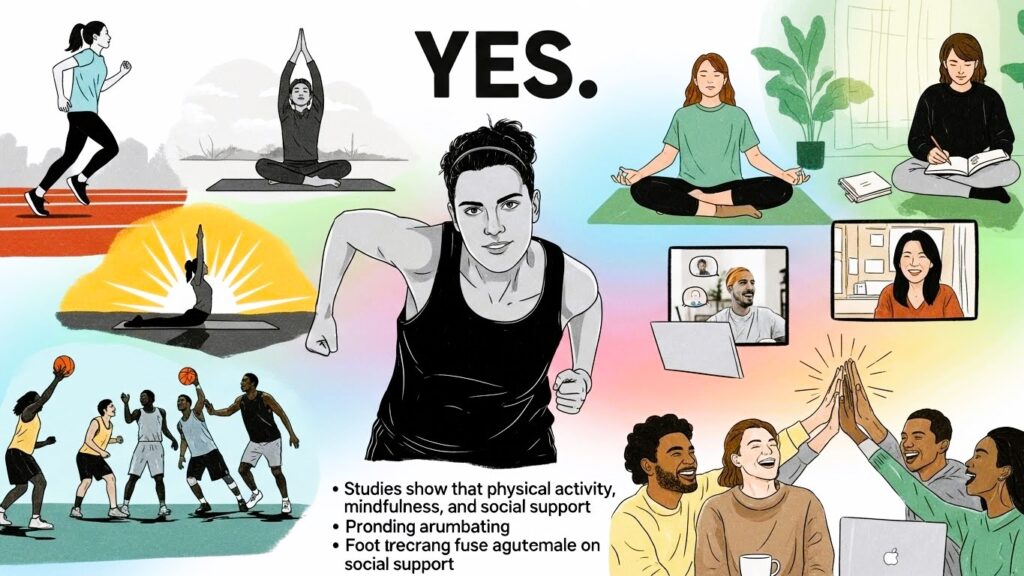
Scholarly consensus suggests multi-level interventions:
- Reintroduce physical culture in schools and universities (sports, outdoor endurance training, mindfulness).
- Digital hygiene programs: limiting daily screen time and promoting offline hobbies.
- Resilience education: teaching patience, empathy, and problem-solving as part of curricula.
- Community and faith-based guidance: reviving intergenerational mentorship to replace algorithmic “teachers.”
- Accessible mental health care: especially non-invasive, affordable therapies (e.g., brain stimulation for emotion regulation, Tanaka et al., 2025).
- Policy-level reforms: governments and tech companies regulating harmful online content while incentivising healthier online ecosystems.
Conclusion: Misunderstood, Not Weak
Gen Z is not failing the world.
The world is testing Gen Z under harsher conditions, and then criticising them for reacting honestly.
Strength is not silent suffering.
Resilience is not obedience.
You cannot demand resilience while dismantling opportunity.
This Gen Z’s Struggle and Strength article factually strengthens the logic that Gen Z isn’t weak.
It’s just done pretending the system still works.
FAQs
Is Gen Z really the weakest generation?
No. The claim ignores structural factors like economic instability, job scarcity, and rising living costs. Gen Z faces tougher conditions than many previous generations and expresses resilience differently.
Why does Gen Z struggle more with mental health?
Greater awareness, reduced stigma, economic pressure, and constant digital exposure contribute. Higher reporting does not automatically mean greater weakness.
How does structural inequality affect Gen Z?
Unequal access to jobs, housing, and education creates frustration and insecurity. When effort doesn’t lead to opportunity, mental and social stress increase.
Is social media the main problem?
It amplifies stress but also provides connection, income, and education.
Why are older generations critical of Gen Z?
Survivorship bias, changing values, and failure to account for structural changes lead elders to misinterpret adaptation as entitlement or fragility.
What can governments and societies do to support Gen Z?
Fair hiring practices, mental health infrastructure, affordable education and housing, and ethical digital governance are key to rebuilding youth resilience.
https://mrpo.pk/whole-person-health/
📚 References (Credibility Signals)
- World Health Organization (WHO) – Youth Mental Health
- OECD – Youth Employment Outlook
- Pew Research Center – Generational Studies
- International Labour Organization (ILO) – Global Youth Employment
- UNDP – Youth, Governance, and Inequality
- Jean Twenge & Jonathan Haidt – Youth & Digital Life Research