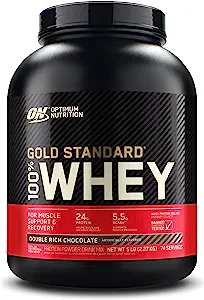
This article highlights two foundational supplements that can significantly benefit beginners on their fitness journey: whey protein powder and creatine powder. These supplements have a substantial body of research supporting their effectiveness and safe usage.
Essential Supplements for Beginners: “Must Haves” for Optimal Fitness
Purpose of This Article: Essential Supplements for Beginners
Help beginners avoid wasting money on ineffective supplements
Identify science-backed essentials
Provide safe, practical starting guidance
Align with modern Western nutrition research
Explore the Essential Supplements for Beginners, including whey protein powder for recovery and muscle growth and creatine powder for enhanced physical performance, supported by scientific research and proper usage guidelines. Navigating the vast market of sports nutrition and supplements can be overwhelming, especially for beginners. While numerous products claim to be essential for fitness goals, it is crucial to identify what is truly necessary.
Helps cover deficiencies but doesn’t replace diet (Medium)
👉 Best for:
Busy lifestyles
Inconsistent diets
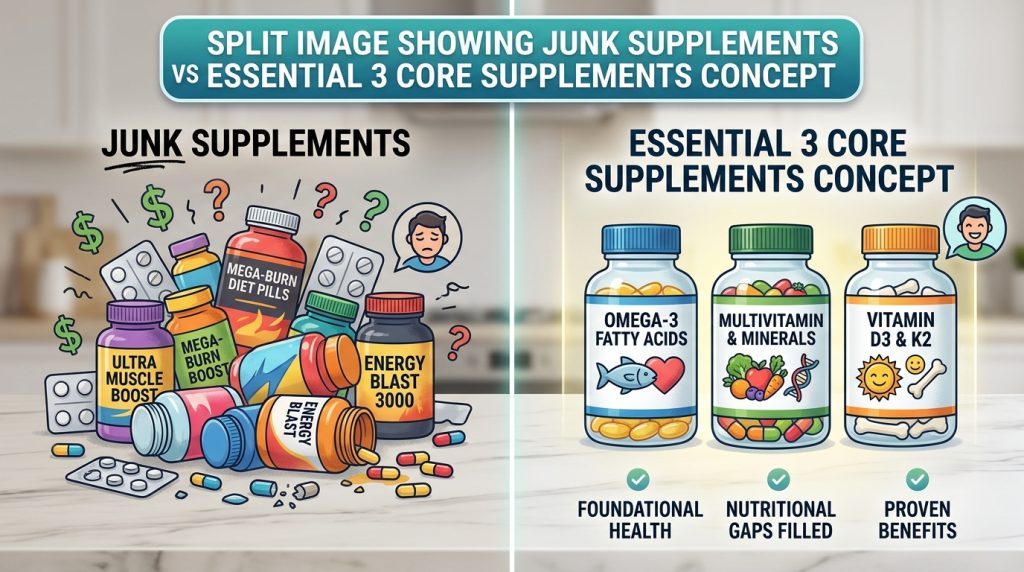
The Evidence-Based Beginner Stack (2026)
What Most Beginners Get Wrong
❌ Mistake 1: Taking Too Many Supplements
More ≠ better Modern approach = minimal effective stack
❌ Mistake 2: Ignoring Blood Tests
Supplements should ideally be based on:
Vitamin D levels
Iron status
B12 levels
❌ Mistake 3: Blindly Following Influencers
Many products lack strong evidence 👉 RCTs (clinical trials) matter more than marketing (GlobalRPH)
US vs Europe vs South Asia Perspective
Region
Common Deficiency
Why
US
Vitamin D, Magnesium
Indoor lifestyle, processed diet
Europe
Vitamin D
Low sunlight exposure
Pakistan/South Asia
Vitamin D, Omega-3
Diet + limited awareness
👉 This makes Vitamin D + Omega-3 globally relevant
A Simple Beginner Stack (Practical Plan)
If you want the simplest effective routine:
Vitamin D3
Magnesium (glycinate)
Omega-3
👉 Add:
Creatine (if active)
Multivitamin (if diet is inconsistent)
This article highlights two foundational supplements that can significantly benefit beginners on their fitness journey: whey protein powder and creatine powder. These supplements have a substantial body of research supporting their effectiveness and safe usage.
Whey Protein Powder: Whey protein is an indispensable supplement for individuals
Whey Protein Powder:
engaged in intense physical activities such as gym workouts, bodybuilding, CrossFit, cardio, martial arts, and more. Its primary function is to aid in muscle recovery and repair. By providing a high concentration of easily absorbable protein, whey protein enables faster recovery of torn muscle fibres, allowing individuals to perform at their best day after day.https://a.co/d/222HiTv
Creatine Powder:Creatine Powder: Creatine is often referred to as a “magical dust” or powder due to its ability to enhance physical performance. It is one of the most extensively researched supplements, following whey protein. Numerous studies and clinical trials have investigated the effects of creatine on physical output, efficacy, and potential side effects. The research surrounding creatine provides valuable insights into its benefits and safe usage guidelines.https://a.co/d/b33kqK5
Usage Recommendations: While the specific science behind creatine will be discussed in detail later, it is important to note that beginners should incorporate creatine supplementation after approximately 1.5 months of consistent gym training. This allows individuals to establish a solid foundation of training and understand their body’s response to exercise before introducing creatine.
Whey Protein Debunking Myths and Benefits
Explore the truth behind common misconceptions about whey protein, including its natural origins, effects on fat loss, suitability for women, differentiation from anabolic steroids, digestion and kidney health, quality in the Pakistani market, and muscle mass retention after cessation.
Whey protein is a widely used supplement with various benefits for fitness enthusiasts. However, misconceptions often surround its use. In this article, we address common myths associated with whey protein and provide a clearer understanding of its benefits and safety. By dispelling these misconceptions, we aim to promote an informed approach to using whey protein for muscle recovery and growth.
Myth: Physical fitness achieved through supplement use is not natural.
Fact: Whey protein is a natural byproduct of milk and cheese production. Its high protein value allows for increased protein absorption and synthesis, leading to efficient muscle repair and faster recovery after workouts.
Myth: Using whey protein leads to long-term weight gain.
Fact: Digesting protein requires energy, leading to a thermogenic effect that can support fat burning. Replacing unhealthy snacks with protein shakes can help reduce unnecessary fat and calorie intake.
Myth: Whey protein is not suitable for women.
Fact: Whey protein is beneficial for both men and women. Any concerns specific to women can be addressed through consultation with healthcare professionals. Women can use whey protein to support muscle gain and toning.
Myth: Whey protein is equivalent to anabolic steroids.
Fact: Anabolic steroids and whey protein are fundamentally different. Anabolic steroids disrupt hormonal balance and can lead to severe side effects, while whey protein is a natural nutrient for muscle growth without impacting overall health or psychology.
Myth: Whey protein is hard on digestion and kidneys.
Fact: Protein digestion can be challenging for the body, regardless of the protein source. Proper hydration, by drinking 4-6 litres of water daily, helps support digestion and makes it easier for the body to process whey protein.
Myth: Authentic whey protein is not available in the Pakistani market.
Fact: While counterfeit products exist, genuine whey protein can be sourced in Pakistan. Purchasing from reputable sources like Jacked Nutrition, GNC, or importing from abroad ensures quality. Look for spelling errors and subpar packaging as signs of counterfeit products.
Myth: Muscle mass is immediately lost upon discontinuing whey protein use.
Fact: It typically takes 2-3 months of inactivity, including ceasing workouts, before noticeable muscle mass loss occurs. Whey protein can be replaced by high-protein meals, but consistent workouts are essential for maintaining muscle mass.
Final Insight
The supplement industry thrives on complexity.
But real science points in the opposite direction:
If you get the basics right, you’re already ahead of 90% of people.
FAQs
1. What supplements should beginners start with?
Start with Vitamin D, Magnesium, and Omega-3—they cover the most common deficiencies.
2. Are multivitamins enough?
No. They help fill gaps but don’t replace targeted supplements or diet.
3. Do I need supplements if I eat healthy?
Not always, but modern diets often lack key nutrients.
4. Is creatine safe for beginners?
Yes, it’s one of the most researched and safest supplements when used properly.
5. How long before supplements work?
Magnesium (sleep): days
Vitamin D: weeks
Omega-3: weeks to months
6. Should I take supplements daily?
Most foundational supplements are taken daily, but dosage matters.
Conclusion: Understanding the truth behind common misconceptions about whey protein is crucial for making informed decisions about its use. Whey protein is a natural, effective supplement that aids in muscle recovery and growth. It does not cause long-term weight gain, is suitable for both men and women, and is distinctly different from anabolic steroids. By supporting digestion and hydration, whey protein can be safely incorporated into a fitness regimen. Seek genuine products from reputable sources and remember that muscle mass is retained through regular workouts, with or without whey protein supplementation
This post contains affiliate links, which means I earn a commission if you purchase through these links. This comes at no additional cost to you and helps support the content I create. I only promote products/services I believe in and use myself. Your support is greatly appreciated!
Conclusion: When it comes to essential supplements for beginners, whey protein powder and creatine powder stand out as key choices. Whey protein supports muscle recovery and growth, enabling individuals to push themselves further in their workouts. Creatine, backed by extensive research, offers performance-enhancing benefits. It is crucial to follow proper usage guidelines for optimal results and to consult with healthcare professionals if needed. By incorporating these supplements into a well-rounded fitness routine, beginners can set themselves on a path to achieving their desired physical goals.
Disclaimer: The contents of this article are intended to raise awareness about common health issues and should not be viewed as sound medical advice for your specific condition. You should always consult with a licensed medical practitioner before following any suggestions outlined in this article or adopting any treatment protocol based on the article’s contents.
Disclaimer: “Before starting any new exercise program, consult with a healthcare professional or certified fitness expert to ensure you’re aware of potential risks and can modify activities to suit your individual needs. The tips and advice provided in this blog post are general in nature and may not be suitable for everyone, particularly those with certain medical conditions or injuries. Always listen to your body and stop if you experience any pain or discomfort.”