Don’t Fall for These Health Myths: What You Really Need to Know!
In a world oversaturated Don’t Fall for These Health Myths with information, some helpful, some downright misleading, it’s tempting to accept quick health tips or timeless “facts” without much question. Yet many widely held beliefs about health are more myth than medicine, more hearsay than hard science. These myths can lead not only to confusion but also to choices that undermine your well-being. https://mrpo.pk/7-common-fitness-mistakes/

Let’s take a detailed, no-nonsense look at some of the most common health myths, dispel them with evidence you can count on, and equip you to cut through the noise so you can live healthier, smarter, and with a dash of humour to lighten the heavy stuff.
Health Myths Debunked: Separating Fact From Fiction
Myth #1: You Must Drink Eight Glasses of Water a Day

Who hasn’t heard this? Eight glasses daily, no less, like it’s a non-negotiable law. But research shows hydration isn’t so simple. The exact amount of water you need varies depending on your body size, activity level, climate, and even genetics. Some days you might gulp down more, others less.
The best barometer? Your thirst and the colour of your urine. Light yellow or clear usually means you’re hydrated. Plus, your water intake doesn’t come from just plain water—juices, teas, soups, and even water-rich fruits count.
So, don’t drag a gallon jug everywhere just to hit some arbitrary number. Listen to your body, sip smartly, and enjoy the occasional iced tea guilt-free13410.
Myth #2: Eggs Are Bad for Your Heart Because of Their Cholesterol
For decades, eggs were the poster child for “bad cholesterol,” earning a spot on many “foods to avoid” lists. But science has flipped that script. Eggs contain nutrients like omega-3 fatty acids and protein, which can actually benefit your heart.
Recent studies demonstrate that for most people, dietary cholesterol in eggs has minimal impact on blood cholesterol levels or heart disease risk. So your morning omelette isn’t the villain it was once made out to be—go ahead and savor it with that sunny-side-up smile1456.
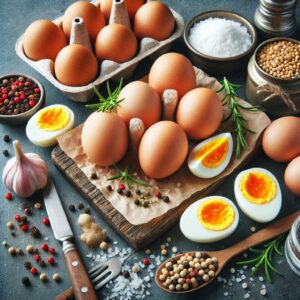
The truth: Eggs have gotten an undeserved bad rap. There is insufficient data to show that consumption of dietary cholesterol (such as that in eggs) affects our blood cholesterol levels. Our harmful cholesterol levels are more influenced by the consumption of saturated and trans fat. It is more important to keep your cholesterol in check by monitoring these fats in your diet.
On the other hand, eggs are an inexpensive source of many nutrients, including omega-3 fatty acids, zinc, iron, antioxidants and vitamin D. Nevertheless, eggs contain saturated fat and should be eaten in moderation – a healthy person can eat up to 6 eggs each week, as a guide.
https://www.gleneagles.com.sg/health-plus/article/12-popular-health-myths-debunked
Myth #3: Exercising at Night Ruins Your Sleep

Remember being told that a late-night workout would keep you tossing and turning? That’s not universally true. While some people might find intense exercise near bedtime energising, many others experience no disruption or even improved sleep quality after evening yoga, lifting, or cardio.
Your body clock and individual preferences matter here. Night owls can rejoice: exercise timing is flexible, so find what fits your rhythm without guilt or worry56.
Myth #4: Detoxes and Cleanses Help Remove Toxins and Jump-Start Health
Ah, the seductive promise of a detox: flush out toxins, reset your body, and feel brand new. But your liver and kidneys are already hard at work removing waste every day, no expensive juice or tea required.
Detox diets and cleanses often rely on fasting, juices, or herbal supplements that lack scientific support and sometimes cause harm. Instead of quick fixes, focus on balanced nutrition and hydration to support your natural detox pathways2.
Myth #5: Frozen Fruits and Vegetables Are Nutritionally Inferior
Some might wrinkle their noses at frozen peas or berries. But frozen produce is generally harvested at peak ripeness and

flash-frozen quickly, preserving most nutrients. Sometimes, frozen even outperforms fresh produce that has travelled long distances and sat on shelves.
So keep frozen goods in your freezer—they’re a nutritious, convenient ally in your diet13.
Myth #6: Natural Sugars Are Healthier Than Refined Sugar
Coconut sugar, agave nectar, “raw” sugar—they all sound like wholesome alternatives, right? The truth is, your body metabolises simple sugars largely the same way, regardless of the source. The difference? Natural sugars in fruit come with fibre, vitamins, and antioxidants, which help slow absorption and provide additional nutrients.
Focus less on gimmicky labels and more on overall sugar intake while enjoying whole fruits guilt-free45.
Myth #7: Cracking Your Knuckles Will Give You Arthritis
This one’s been around as long as the cracking sound itself. Despite the nagging advice from parents and doctors, cracking your knuckles isn’t linked to arthritis. The popping sound comes from gas bubbles bursting in joint fluid, not bone grinding or damage.
So if your knuckle-cracking drives others crazy but doesn’t hurt you, don’t sweat it just maybe avoid it in quiet meetings!5
Myth #8: Organic Food Is Always More Nutritious and Healthier

Organic appeals for many reasons, like fewer pesticides. While it can reduce exposure to some chemicals, especially on produce eaten with the skin, studies show little consistent nutritional difference between organic and conventionally grown fruits and vegetables.
If you’re eating conventional bananas, melons, or onions that you peel, you might not need to stress organic. The most important thing? Eat plenty of fruits and veggies, regardless of how they’re grown1.
Myth #9: Coffee Stunts Your Growth or Is Bad for Health

What started as a bedtime story has no basis in fact. Genetics dictate height, not cups of java. And the latest evidence shows that coffee can even reduce the risks of certain diseases like Parkinson’s, Alzheimer’s, and some cancers, thanks to its antioxidants.
Sure, avoid excessive caffeine if it makes you jittery, but your daily cup of joe is more friend than foe156.
Myth #10: You Should Avoid Fat Completely to Be Healthy
Fat has unfairly worn the villain’s cape for too long. The truth is, healthy fats like those in avocados, nuts, olive oil, and fatty fish are essential for brain function, hormone production, and nutrient absorption.
Rather than shun fats wholesale, balance your diet with quality fats, proteins, and whole foods. It’s the kind of nourishing mix that keeps you energised and satiated1.
Why Do Health Myths Stick Around?
Don’t Fall for These Health Myths, since Health myths survive because they simplify complicated science into catchy soundbites. Everyone wants easy answers, rigid rules, or magic bullets. Plus, personal anecdotes and media soundbites often outperform nuanced explanations in the attention economy.
But health isn’t a checklist of absolutes. It’s a delicate balance influenced by genetics, environment, lifestyle, and more. So, scepticism and ongoing curiosity are your best tools.
How to Spot a Health Myth and Find Facts That Matter
-
Check who’s saying it: Trust information from qualified medical professionals, research institutions, and government agencies.
-
Look for evidence: Are there scientific studies to back it? Beware of hearsay or advice from influencers lacking credentials.
-
Avoid emotional appeals: Fear or urgency signals gimmicks rather than facts.
-
Watch for absolutes: “Always” or “never” claims rarely hold up in health science.
-
Consider the whole picture: Personal stories don’t replace research; individual variation always exists.
-
Consult trusted experts: When in doubt, ask your doctor, dietitian, or pharmacist.
Practical Tips You Can Trust
-
Drink water when you’re thirsty; don’t obsess over numbers. Include water-rich foods.
-
Enjoy eggs without fear—balance your overall dietary patterns.
-
Exercise when it fits your schedule and body clock.
-
Skip cleanses; stick to moderation and whole foods.
-
Embrace a colourful mix of fresh and frozen fruits and veggies.
-
Choose fats wisely: Focus on quality sources instead of cutting fat altogether.
Final Thoughts: Facts Over Fads for Lifelong Health
Health myths can feel like old friends, comforting in their certainty. But when myths guide your choices, they can undermine your vitality. Trust the evolving science, listen to your unique body signals, and maintain a sense of humour about human fallibility.
After all, your health deserves truth, not tall tales. So next time someone tells you that “carbs are the enemy” or “you need a detox,” smile knowingly, and share real, evidence-based wisdom instead. Your body, mind, and wallet will thank you.
References
-
University Hospitals. “Top 10 Health Myths Debunked.” May 2024.
-
Harvard Health Publishing. “Debunking Common Wellness Myths.” 2024.
-
Valleywise Health. “18 Medical & Health Myths Debunked.” January 2025.
-
WebMD. “10 Health Myths Debunked.” March 2024.
-
CNET. “Common Health Myths You Can Stop Believing.” April 2023.
-
Mayo Clinic Health System. “10 Common Nutrition Myths Debunked.” March 2024.
-
Gleneagles Hospital. “12 Popular Health Myths Debunked.” 2024.
-
Brigham and Women’s Magazine. “Common Health Myth Debunked by Science.” 2024.
-
https://www.uhhospitals.org/blog/articles/2024/05/top-10-health-myths-debunked
-
https://www.health.harvard.edu/staying-healthy/debunking-common-wellness-myths
-
https://valleywisehealth.org/blog/medical-myths-debunked-truth-behind-common-health-misconceptions/
-
https://www.webmd.com/balance/ss/slideshow-10-health-myths-debunked
-
https://www.cnet.com/health/common-health-myths-you-can-stop-believing/
-
https://www.mountelizabeth.com.sg/health-plus/article/10-health-myths-debunked
-
https://www.gleneagles.com.sg/health-plus/article/12-popular-health-myths-debunked
-
https://magazine.brighamandwomens.org/departments/common-health-myth-debunked-by-science