The Pedagogy of Estrangement
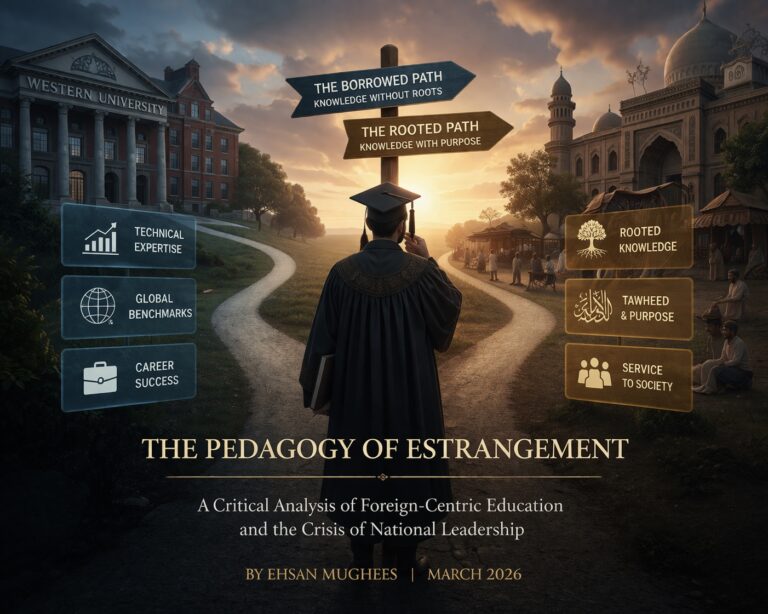
Why do foreign-educated elites often return disconnected from the people they are meant to lead? This study explores the “Paradox of the Repatriated Intellectual” and proposes Rooted Globalism as a solution.
Why do foreign-educated elites often return disconnected from the people they are meant to lead? This study explores the “Paradox of the Repatriated Intellectual” and proposes Rooted Globalism as a solution.
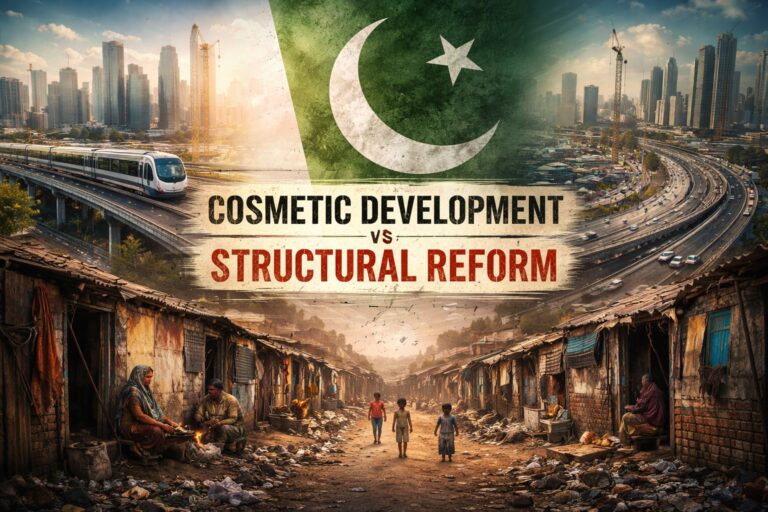
A critical analysis of Pakistan’s pattern of debt-driven, optics-focused development, highlighting how cosmetic infrastructure projects have undermined long-term economic stability and structural reform.
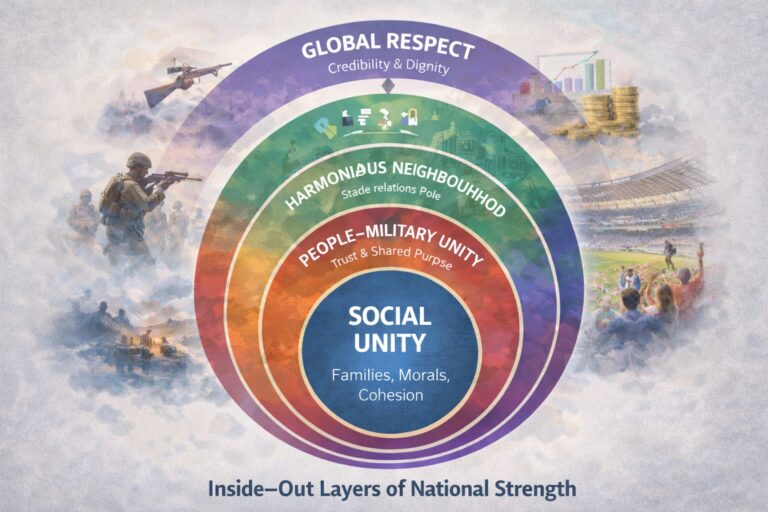
A nation’s true strength does not begin with military power or economic growth—it begins within. This article redefines national strength and prosperity through a civilizational lens, arguing that internal cohesion, moral order, and institutional trust form the foundation of sustainable power. Drawing upon historical patterns and Islamic principles, it presents an inside-out model of national development, where social unity leads to governance legitimacy, regional stability, and ultimately global respect. With a focused application to Pakistan, the study offers a framework for reversing decline through social reform, ethical economics, and just governance. A must-read for policymakers, scholars, and thinkers seeking long-term national stability.
This comprehensive study examines the evolution of insurgency and terrorism in Balochistan, Pakistan, from 1948 to 2026. It analyzes historical grievances, foreign-enabled hybrid warfare, insurgent technological capabilities, and Pakistan’s strategic countermeasures, providing in-depth military assessment and actionable policy recommendations for sustainable peace.
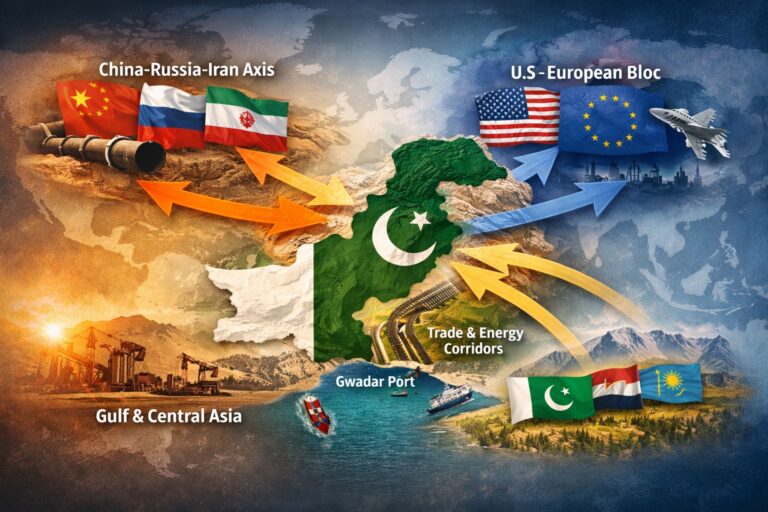
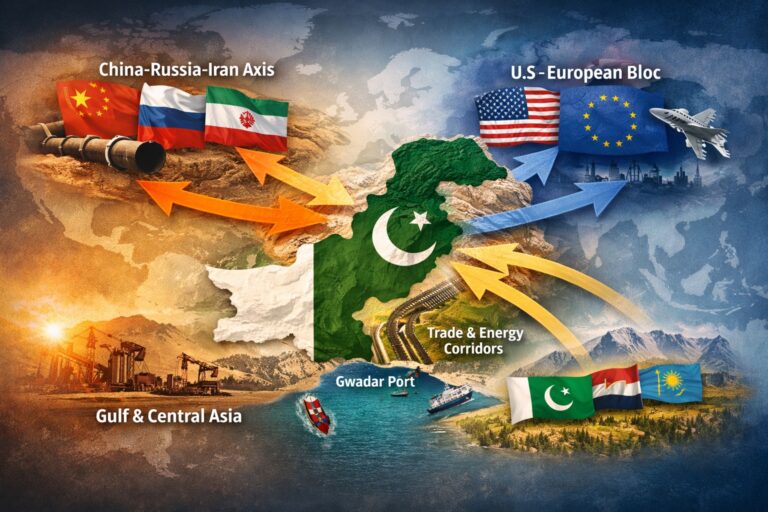
The formalization of the Iran-China-Russia strategic pact marks a decisive shift in global geopolitics, accelerating the transition toward a contested, multipolar world. For Pakistan, this creates both an existential challenge and a rare strategic opportunity. Historically reliant on external powers for security and development, Pakistan must now move from reactive hedging to proactive balancing. A sovereign strategic recalibration is needed, prioritizing economic security, principled multi-alignment, and the development of indigenous capacity. This paper outlines a phased roadmap for Pakistan to engage all major power centers, strengthen regional ties, and build a resilient, self-reliant economy. By reforming strategic institutions, leveraging its geographic advantage, and adopting a forward-looking foreign policy, Pakistan can evolve into a “reflective sovereign actor” capable of stabilizing its region while securing long-term prosperity.
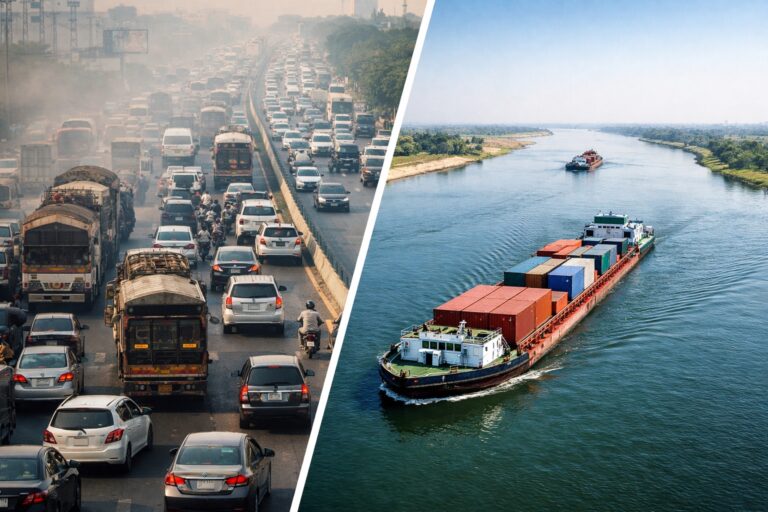
Pakistan’s logistics system is overstretched, costly, and road-dependent. This national concept paper proposes inland water transport along the Indus River as a long-term, sustainable logistics backbone—integrating water, rail, road, and ports for economic resilience.
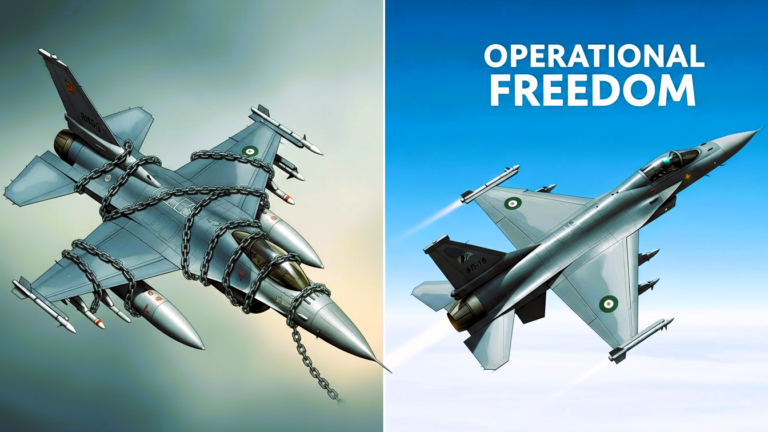


Pakistan’s agricultural export potential remains constrained by time-sensitive logistics failures rather than production capacity. This policy study examines the critical role of air cargo in enabling high-value agricultural exports, evaluates institutional and infrastructure gaps, and presents international lessons from the Netherlands, Kenya, and Turkey to propose a focused agro-air cargo strategy for Pakistan.

Pakistan’s inland logistics system relies overwhelmingly on road transport, resulting in congestion, rising infrastructure damage, safety hazards, fuel inefficiency, and economic losses. This research critically examines the structural weaknesses of the existing framework and proposes a viable, integrated multimodal logistics model leveraging road, rail, sea, inland waterways, and selective air cargo to achieve efficient, cost-effective, door-to-door transportation.