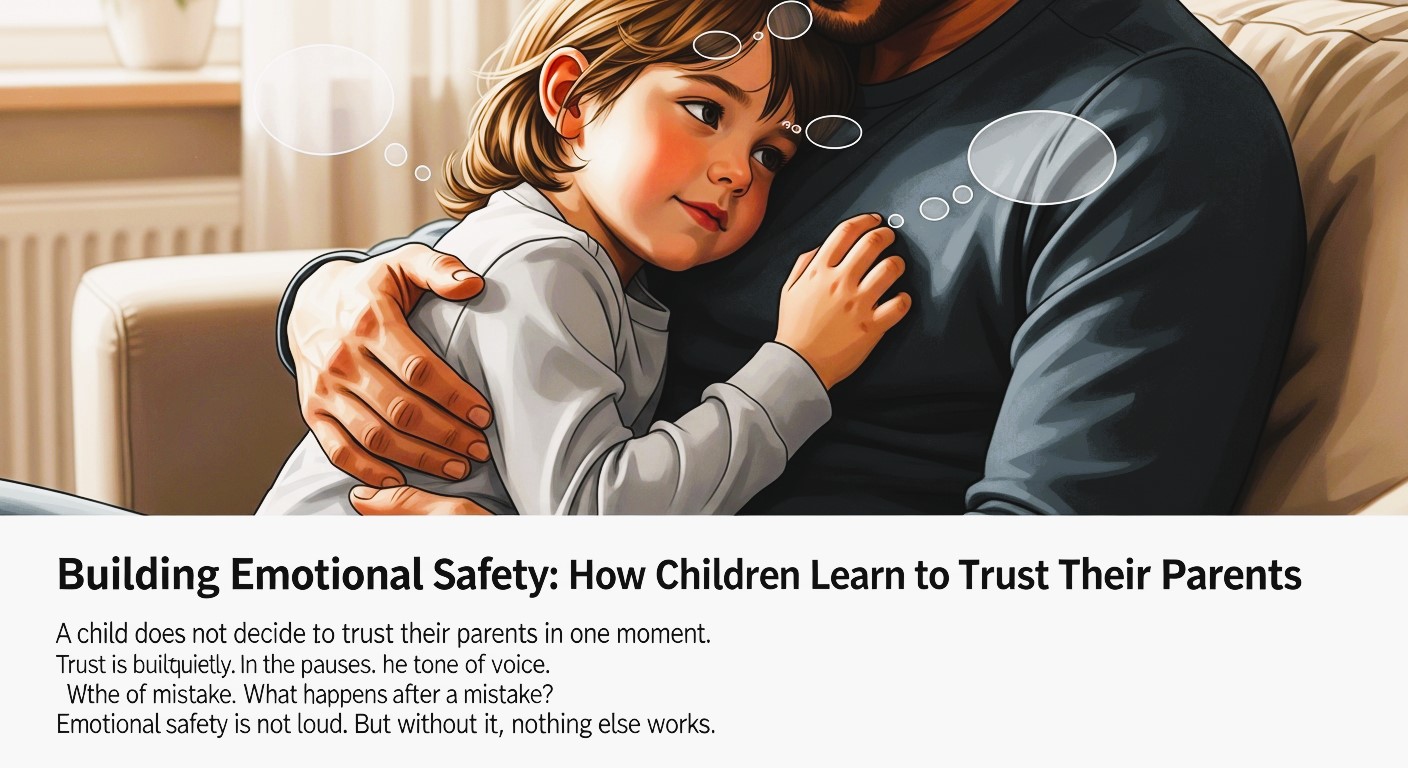

Building Emotional Safety: How Children Learn to Trust Their Parents
(Supporting Article – Healthy Parenting Series) https://mrpo.pk/healthy-parenting/
Building Emotional Safety: How Children Learn to Trust Their Parents. A child does not decide to trust their parents in one moment.
Trust is built quietly.
In the pauses.
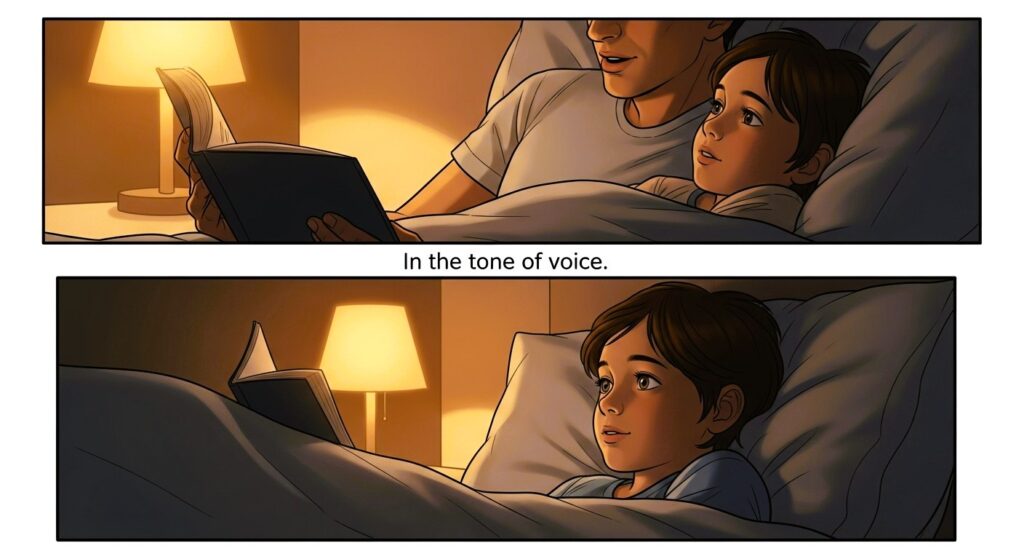
In the tone of voice.
What happens after a mistake?
Emotional safety is not loud.
But without it, nothing else works.
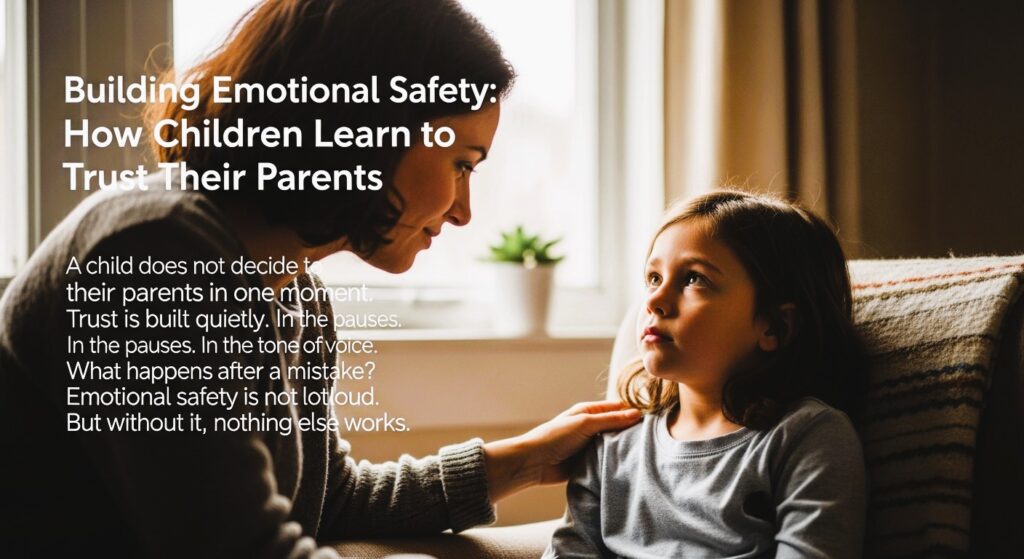
Emotional safety means parenting in a way that your child feels safe enough to be themselves.
That’s it. It’s not rocket science. Kids who are safe to be themselves may be, well, quirky. They’re encouraged to explore who they are, to formulate their world. They dress themselves (sometimes weirdly). They use their imagination (again, often weird). They’re on the road to discovering their personality, likes and dislikes, sense of humor, fashion, and overall mojo.
Now, emotional safety doesn’t mean parents don’t set boundaries for their child. And it doesn’t mean kids may not experience sadness, or disappointment, or anxiety. And it certainly doesn’t mean you’ll never be angry or hurt by them, or not pack sandwiches when they want to run away. That’s just real life.
https://firstthings.org/how-to-be-an-emotionally-safe-parent/
What Emotional Safety Really Means
Emotional safety is a child’s deep, internal feeling that:
- “I am accepted here.”
- “My feelings won’t get me rejected.”
- “I can be myself without fear.”
It doesn’t mean the home is always calm.
It means the child is never alone with their emotions.
A child who feels emotionally safe does not need to hide who they are.
Why Emotional Safety Comes Before Discipline
Many parents focus on behaviour first.
But behaviour is only the surface.
Under every outburst, silence, or defiance is a question:
“Am I safe with you right now?”
When emotional safety is missing:
- Discipline feels like punishment
- Rules feel like control
- Guidance feels like rejection
When emotional safety is present:
- Discipline feels fair
- Limits feel protective
- Correction feels loving
Our elders understood this instinctively:
The Brain Learns Safety Before Lessons

A child’s brain is always scanning for safety.
When a child feels emotionally secure:
- The brain stays calm
- Learning becomes easier
- Self-control improves
- Trust deepens
When emotional safety is broken repeatedly:
- Stress stays high
- Emotions overwhelm logic
- Children shut down or lash out
You cannot reason with a nervous system that feels threatened.
Safety comes first.
Always.
How Children Learn to Trust (Without Being Taught)
Children don’t learn trust from lectures.
They learn it from patterns.
They notice:
- How you respond when they cry
- Whether mistakes lead to shame or support
- If anger ends in repair or distance
- Whether feelings are welcomed or dismissed
Trust grows when children see:
“Even when I mess up, the relationship remains.”
That is emotional safety.
Everyday Habits That Quietly Build Emotional Safety
These moments look small.
They are not.
- Feelings Are Acknowledged, Not Debated
“You’re upset” works better than “You shouldn’t feel this way.”
- Parents Stay Predictable
Consistency calms the nervous system more than perfection.
- Listening Comes Before Fixing
Sometimes children want understanding, not solutions.
- Calm Is Modelled, Not Demanded
Children borrow regulations from adults.
- Repair Happens After Conflict
A simple “I shouldn’t have yelled” restores trust faster than silence.
- Play Is Taken Seriously
Play is how children process emotions they can’t explain.
- Shame Is Avoided
Correction without humiliation protects dignity — and connection.
These are not techniques.
They are relationship builders.
Emotional Safety Is Not Overprotection
This is where many parents get confused.
Emotional safety does not mean:
- Removing all discomfort
- Saying yes to everything
- Preventing frustration or failure
It means:
- Standing with the child inside hard emotions
- Teaching them that they can survive big feelings
- Showing that the connection doesn’t disappear during difficulty
Our elders didn’t eliminate hardship.
They made sure children didn’t face it alone.
When Emotional Safety Is Missing
Children adapt, but not in healthy ways.
Some become:
- People-pleasers
- Excessively quiet
- Angry and defiant
- Emotionally shut down
Not because they are “difficult”
But because safety feels uncertain.
Behaviour often improves naturally when emotional safety is restored.
Emotional Safety Is Built Over Time, Not Moments
You don’t earn a child’s trust in one perfect conversation.
You earn it through hundreds of ordinary responses.
Through:
- How do you show up when tired
- How do you respond when angry
- How do you reconnect after mistakes
Children don’t need flawless parents.
They need emotionally available ones.
Closing
Children trust parents who make them feel safe to be human.
Safe to cry.
Safe to fail.
Safe to grow.
Emotional safety is the quiet foundation beneath confidence, resilience, and strength.
When a child feels safe with you,
they carry that safety into the world.
FAQs Building Emotional Safety in Parenting
1. What is the difference between emotional safety and emotional comfort?
Emotional comfort removes distress.
Emotional safety allows distress, but ensures the child is not alone in it. Children don’t need emotions erased; they need support while feeling them.
2. Can emotional safety exist in homes with rules and discipline?
Yes, in fact, it works best there. Emotional safety does not remove boundaries; it makes boundaries feel fair, predictable, and protective rather than frightening.
3. Is emotional safety important for teenagers, too?
Absolutely. Teenagers may reject closeness outwardly, but emotionally safe parents remain their internal anchor, especially during identity struggles and stress.
4. Can parents rebuild emotional safety if it was missing earlier?
Yes. Repair is powerful. Acknowledging mistakes, apologising sincerely, and changing patterns can rebuild trust at any stage of childhood.
5. Does emotional safety make children emotionally “soft”?
No. It creates emotional resilience. Children who feel safe expressing emotions learn to regulate them better and handle challenges with confidence.
6. How do parents know emotional safety is improving?
Children become more open, recover faster from emotional upsets, communicate needs more clearly, and show less fear of making mistakes.
References & Further Reading
These sources informed the concepts and psychological foundations of this article:
- Siegel, D. J., & Bryson, T. P.
The Whole-Brain Child
Explores how emotional safety supports brain integration and regulation. - Bowlby, J.
Attachment and Loss
Foundational work on secure attachment and trust development in children. - Gottman, J., & DeClaire, J.
Raising an Emotionally Intelligent Child
Introduces emotion coaching and emotionally responsive parenting. - Porges, S. W.
The Polyvagal Theory
Explains how safety and connection regulate the nervous system. - American Academy of Paediatrics (AAP)
Parenting and child mental health guidelines on emotional development. - Contemporary Child Psychology & Parenting Research
Studies on emotional regulation, attachment security, and parental responsiveness.