
Basil Seeds 2026: Amazing Health Benefits and Uses
Written By: Hamid Mahmood
Basil seeds, also known as Sabja or Tukmaria, are small black seeds derived from the sweet basil plant (Ocimum basilicum). They have been used in traditional medicine and culinary practices for centuries, particularly in Asia. These tiny seeds are packed with nutrients that support digestion, heart health, and overall wellness.
https://mrpo.pk/pumpkin-seeds/
Purpose of This Article
This article explains the nutritional profile, potential health benefits, safe usage, and precautions of basil seeds. It also highlights who may benefit most and how to incorporate these seeds into daily meals.
Ocimum basilicum L., commonly known as basil or sweet basil, is an annual spicy herb of the Labiatae family. The name basil is derived from the Greek word “Basileus” meaning “Royal” or “King”, and it is often called “King of the herbs” due to its wide range of uses in medicine, cosmetics, and the pharmaceutical and food industries [1].
This plant is originally from warm and tropical areas, such as India, Africa, and Southern Asia [2] and is specifically found in Pakistan and India, where it has been cultivated for around 5000 years. Today, it is found all over the world [3]. O. basilicum is commercially cultivated in many warm and temperate countries, including France, Hungary, Greece, and other southern European countries, as well in North and South America [4].
What Are Basil Seeds
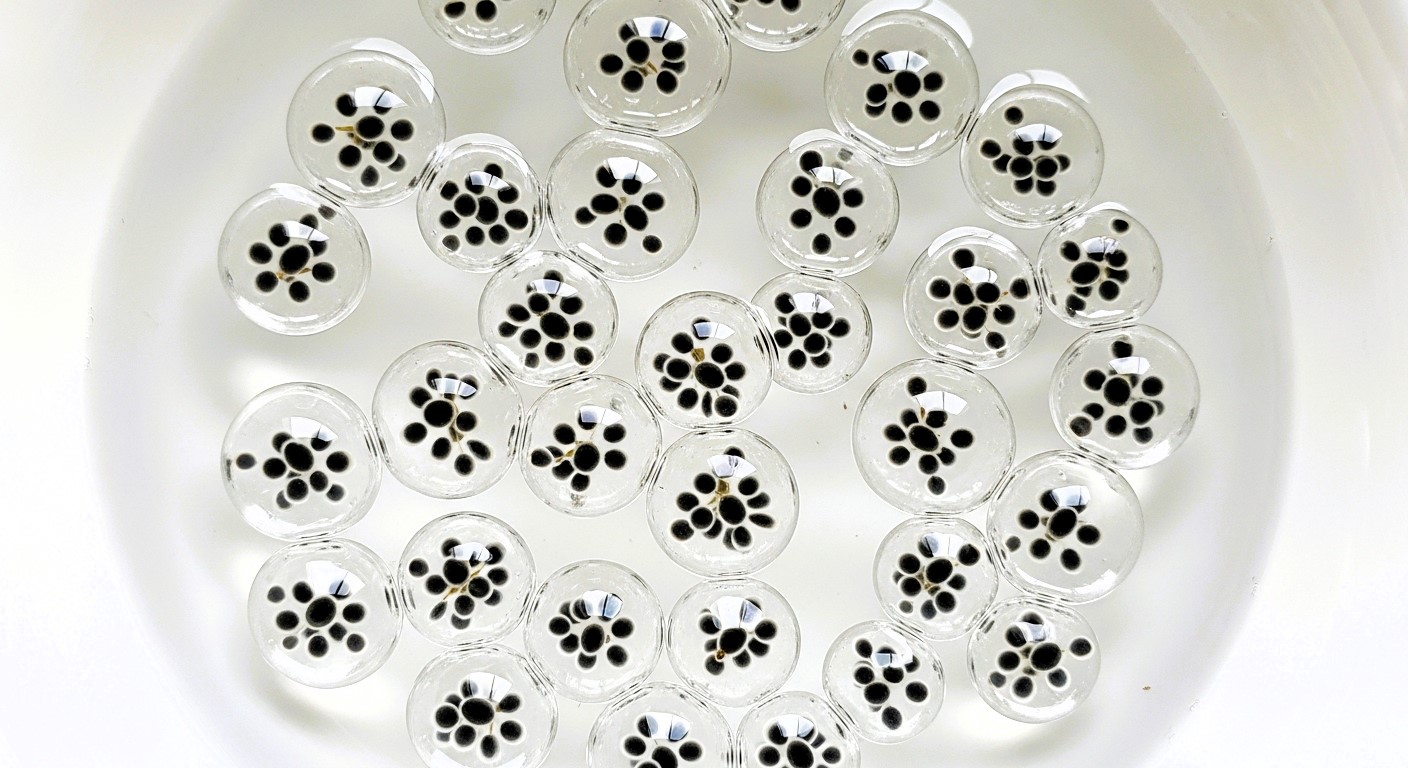
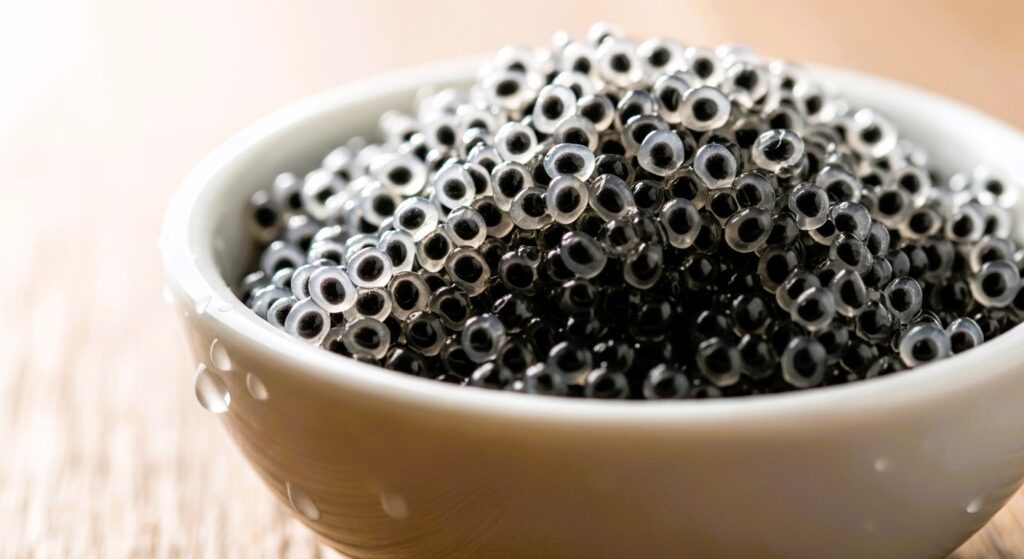
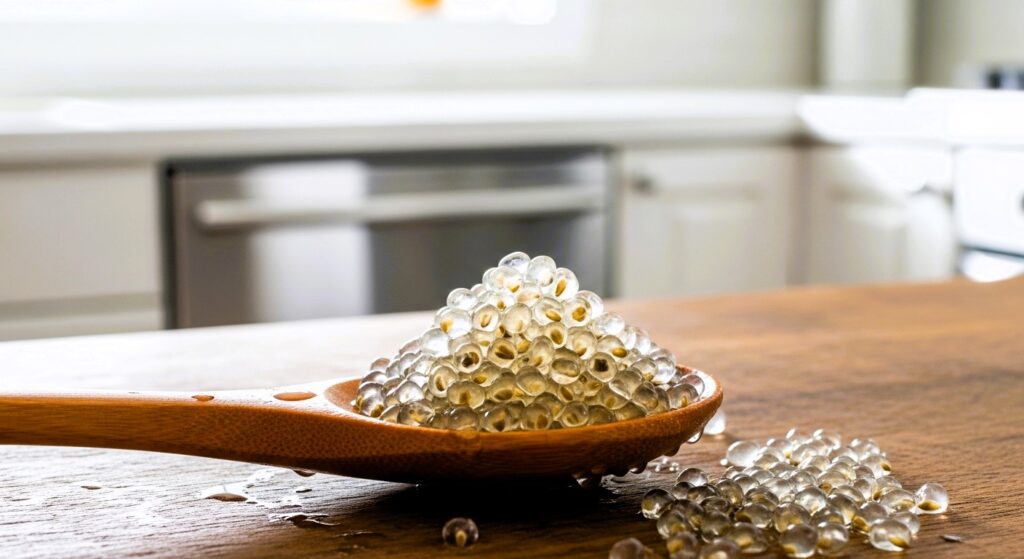
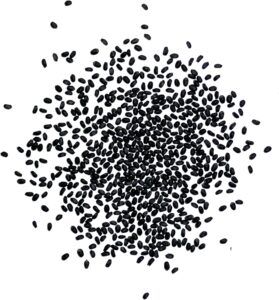
Basil seeds are edible seeds of the sweet basil plant, native to India and other parts of Southeast Asia. They are very small, black, and round, similar in appearance to poppy seeds. When soaked in water, basil seeds swell and develop a gelatinous coating, making them ideal for drinks, desserts, and puddings.
Nutritional Value of Basil Seeds
Basil seeds are a nutrient-dense food and are considered a superfood for their fibre content, protein, and essential minerals. One ounce (28 grams) contains approximately:
- Calories: 43
- Protein: 2 grams
- Fat: 1 gram
- Carbohydrates: 9 grams (7 grams of fibre)
- Iron: 0.7 mg
- Calcium: 5% of RDI
- Magnesium: 6% of RDI
These seeds are low in calories but high in dietary fibre, making them a valuable addition to a healthy diet.
Health Benefits of Basil Seeds
Rich in Fibre
Basil seeds are an excellent source of dietary fibre. Fibre supports digestive health, helps regulate blood sugar, and promotes a feeling of fullness, which can assist in weight management.
Supports Heart Health
The soluble fibre and omega-3 fatty acids in basil seeds may help reduce cholesterol levels and support cardiovascular health. Incorporating these seeds regularly may contribute to long-term heart wellness.
Antioxidant Properties
The seeds contain polyphenols and flavonoids, which act as antioxidants. These compounds help protect the body against oxidative stress and inflammation.
May Aid Weight Management
The high fibre content slows digestion and keeps you feeling full longer. This natural appetite control may support weight management efforts.
Hydration and Cooling Effect
Traditionally, seeds are used in beverages to keep the body cool and hydrated. When soaked, they expand and retain water, providing a natural cooling effect in hot climates.
Latest Scientific Insights on Basil Seeds (2026 Update)
Recent studies highlight these seeds as a functional food that can contribute to gut health due to their soluble fibre content. Emerging research also supports the antioxidant potential of these seeds, which may help combat oxidative stress associated with ageing. While these benefits are supportive rather than curative, basil seeds remain a valuable addition to a balanced diet.
How to Incorporate Into Your Diet
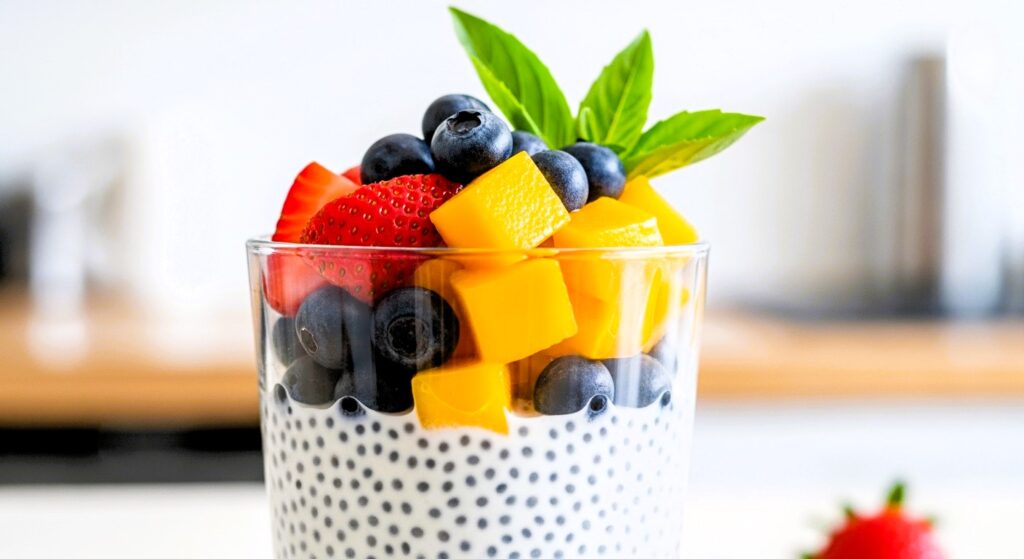
- Soaked in Water: Soak a teaspoon in a glass of water for 15–20 minutes. Consume as a refreshing drink.
- Beverages: Add to lemonades, smoothies, or milk-based drinks for texture and nutrition.
- Desserts: Use in puddings, yoghurt, or traditional Asian desserts.
- Toppings: Sprinkle on cereal, oatmeal, or salads for an extra fibre boost.
Always soak basil seeds before consumption to prevent choking risk and ensure optimal digestion.
Health Benefits and Use by Age and Gender

Men
- Supports energy and stamina due to natural fibre and protein
- May aid heart and metabolic health
- Suggested use: Add to smoothies, breakfast dishes, or water-based drinks
Women
- Supports bone health with calcium and magnesium
- Helps regulate digestion and maintain a feeling of fullness
- May assist in managing blood sugar and cardiovascular health
- Suggested use: Add to yoghurt, oatmeal, or puddings
Children
- Introduce in small, soaked portions
- Can contribute to hydration and fibre intake
- Not recommended for very young children unless supervised
- Gradually increase intake and observe tolerance
Who Should Be Cautious
- Individuals with seed allergies
- Those with digestive issues like IBS
- People on blood-thinning or blood-sugar medication
- Pregnant or breastfeeding women should consult a healthcare provider
Possible Side Effects and Precautions
While the seeds are generally safe, the following precautions are advised:
- Digestive Sensitivity: High fibre may cause bloating if consumed in excess
- Choking Hazard: Seeds expand in the stomach; always soak in water or other liquids
- Medication Interactions: May affect blood sugar or blood-thinning medications
- Allergic Reactions: Rare, but possible (hives, swelling, difficulty breathing)
Moderation and proper preparation are key to safely enjoying basil seeds.
Comparison: Basil Seeds vs Chia Seeds vs Flax Seeds
| Feature | Basil Seeds | Chia Seeds | Flax Seeds |
|---|---|---|---|
| Calories (per oz) | 43 | 137 | 151 |
| Protein | 2 g | 4 g | 6 g |
| Fat | 1 g | 9 g | 12 g |
| Fiber | 7 g | 11 g | 7 g |
| Omega-3 | Low | High | High |
| Calcium | 5% RDI | 18% RDI | 7% RDI |
| Magnesium | 6% RDI | 30% RDI | 9% RDI |
| Texture when soaked | Gel-like, slightly crunchy | Gel-like, smooth | Gel-like, slippery |
| Culinary uses | Drinks, desserts, and toppings | Smoothies, puddings, baked goods | Smoothies, baking, vegan egg substitute |
Best Time to Take
- Morning: Add to breakfast for hydration and fibre
- Pre/Post-Workout: Supports energy and digestion
- As a Snack: Mix with fruits, yoghurt, or smoothies
- Always consume sufficient water
FAQs
Q1: Are basil seeds safe to eat daily?
Yes, when consumed in moderation and properly soaked.
Q2: Can children consume these seeds?
Yes, in small, soaked amounts and under supervision.
Q3: Do seeds help with weight management?
They can support appetite control due to their high fibre content.
Q4: Is it better to soak the seeds before consumption?
Absolutely. Soaking prevents choking and improves digestibility.
Q5: Can seeds be used in desserts and drinks?
Yes. They are versatile and can be added to smoothies, puddings, yoghurts, and beverages.
Q6: Do basil seeds still hold nutritional value in 2026?
Yes. They remain rich in fibre, antioxidants, and essential minerals.
References
- PubMed: “Nutritional and Functional Properties of Basil Seeds”
- Healthline: “Basil Seeds: Nutrition, Benefits & Uses”
- NIH: “Dietary Fiber and Cardiovascular Health”
- Cleveland Clinic: “Healthy Seeds for Heart and Gut Health”
This post contains affiliate links, which means I earn a commission if you purchase through these links. This comes at no additional cost to you and helps support the content I create. I only promote products/services I believe in and use myself. Your support is greatly appreciated!
Disclaimer: The content in this article is intended for informational and educational purposes only. It provides insights, tips, and general guidance on health, beauty, and wellness, but it is not a substitute for professional medical advice, diagnosis, or treatment.
Always consult a qualified healthcare professional for personal medical concerns. For more information about our approach to health and wellness content, please read our Health & Wellness Disclaimer.