
Words That Define Leadership: How Leaders Made Us Feel Proud, Scared, or Disappointed During a Real War

Leadership Words: Essential Vocabulary for Effective Leaders
Language matters in leadership. The terms we choose influence how we think, how we communicate, and how others perceive us. Mastering leadership vocabulary enables clearer thinking about leadership challenges and more effective communication with teams, stakeholders, and organisations.
The Words We Choose Tell the World Who We Are
Have you ever tried to describe yourself? “I am nice.” “I am brave.” “I am good at math.”
Those words are like a mirror. They show what you value.
The same is true for leaders. When a president or a prime minister speaks, the words they pick tell us:
- What do they care about?
- How do they treat others?
- Are they still learning, or do they think they know everything?
Let’s look at 20 powerful words that can describe a leader. For each one, I will show you how a real leader from the war used it or failed to use it.
The leaders who made us feel safe were the ones who chose words like “ceasefire” and “guarantees”, not “stone age” or “certain death.”
What Do Maturity, Wisdom, and Statesmanship Mean?
Before we look at the leaders, let us understand three big words:
- Maturity = Staying calm and not saying mean or scary things. A mature leader thinks before speaking.
- Wisdom = Knowing what will happen tomorrow, not just today. A wise leader tries to stop fights, not start bigger ones.
- Statesmanship = Putting your country’s long-term good and world peace above your own ego. A statesman works with others, even enemies.
The United States: President Donald Trump
What He Said
- “Bombs will be dropping everywhere.”
- “We will send them back to the Stone Age.”
- “NATO wasn’t there for us… We don’t have to be there for them.”
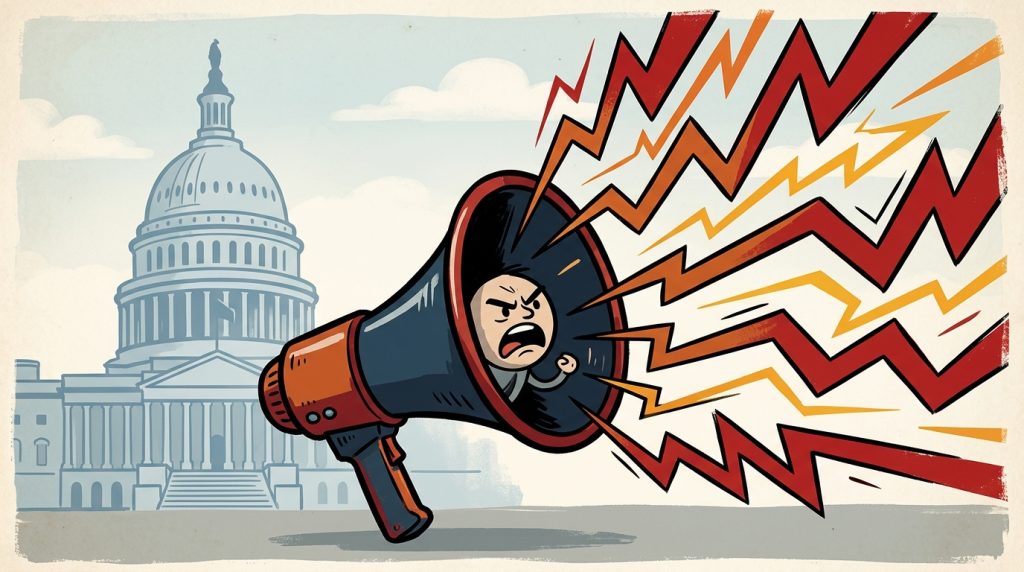
Words That Define Leadership: The United States
How He Scored on Maturity, Wisdom, and Statesmanship
Maturity: D He used very scary words like “certain death” and “raze to the ground.” A mature leader does not need to sound like a movie villain.
Wisdom: D He broke trust with NATO allies over a personal grudge about Greenland. He did not think about what happened after the war.
Statesmanship: F He said, “We never needed anyone.” A true statesman knows that no country stands alone forever.
Iran: Supreme Leader, President, and Foreign Minister
What They Said
- “We will never surrender to the US or Israel.”
- “This is not the time for peace.”
- “We tried to avoid war. The US left us no choice.”
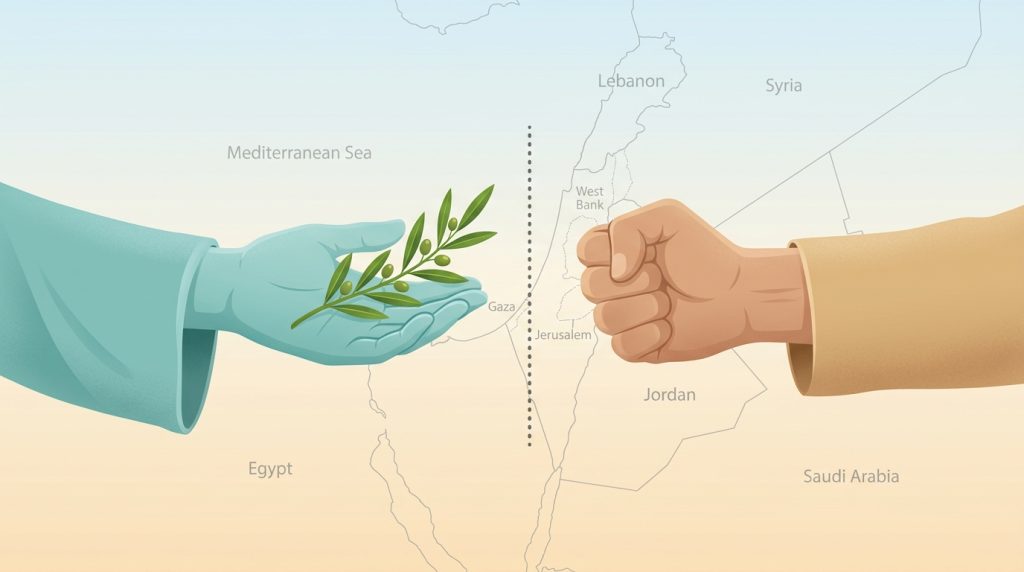
Iran: Supreme Leader, President, and Foreign Minister
How They Scored
Maturity: C They did not use as many crazy threats as Trump, but they also refused to stop fighting. They called Americans “devilish child-slaughterers” – that is not mature.
Wisdom: C They asked for “guarantees” and “reparations” before agreeing to a ceasefire. That is smart bargaining. But closing the Strait of Hormuz hurts everyone.
Statesmanship: D They tried to drag the Gulf states into the war. A real statesman tries to protect neighbours, not threaten them.
Gulf States: Saudi Arabia, UAE, and Qatar
Saudi Arabia: From “Please Stop” to “We Will Fight Back”
At first: “We prefer diplomacy.” Later: “Escalation will be met with escalation.” Maturity: D, Wisdom: C, Statesmanship: D. They lost patience quickly and threatened to let the US use their bases, which could make the war bigger.
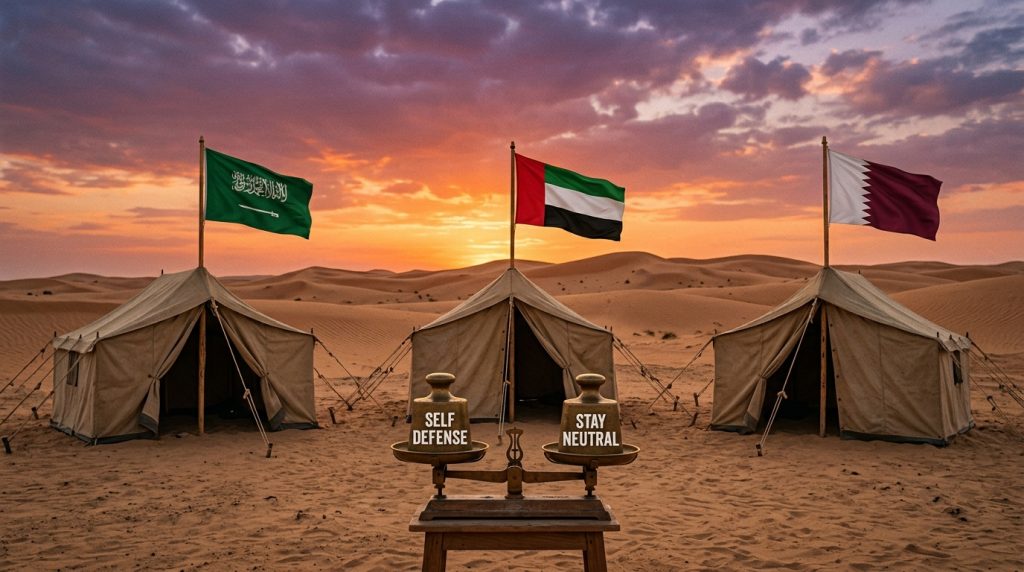
United Arab Emirates (UAE) The Careful Balancer
“We are not a party to this war.” “We have not let anyone attack Iran from our land. But we will defend ourselves.” Maturity: B, Wisdom: B, Statesmanship: B. The UAE acted like a smart referee, not choosing a team but protecting the rules.
Qatar: The Alarm Bell Ringer
“Iran has crossed many red lines.” “There are no winners in this war.” Maturity: B, Wisdom: B, Statesmanship: C. They warned without screaming, but they did not offer a solution, only alarms.
Turkey: The Wary Neighbour
What Turkey said: “This is an illegal war. It pushes the region toward the brink.” Maturity: B, Wisdom: B, Statesmanship: B. Turkey lived next door to the fire. Instead of throwing gasoline, they tried to bring water. They offered to mediate.
Israel: The Hawkish Partner
What Israel said: “We are winning.” “We want a longer war.” Maturity: F, Wisdom: D, Statesmanship: F. Saying “longer war” while people are dying is not mature. If a friend is in a fight, do you encourage them to keep fighting forever? That is what Israel did.
Russia: The Anti-Western Power Broker
What Russia said: “This is a pre-planned act of aggression.” “It could lead to World War III.” “We offer to mediate.” Maturity: C, Wisdom: B, Statesmanship: C. Russia played two roles – critic and helper. That is tricky statesmanship.
China: The Quiet Neutral
What China said: “Ceasefire and end hostilities.” “Force provides no solution.” Maturity: A, Wisdom: A, Statesmanship: B+. China acted like the student who says, “Let’s all just stop fighting” without yelling. That is often the smartest move.
Pakistan: The Quiet Mediator (The Surprise Leader)
What Pakistan did: Proposed a five-point peace plan with China, talked to President Trump behind the scenes, and was credited for a two-week ceasefire. Maturity: B+, Wisdom: A, Statesmanship: A+. The smallest dog sometimes barks the smartest. Pakistan was not the strongest country, but it achieved something the superpowers could not: a ceasefire.

Who Won the Leadership Test?
Here is a quick scorecard (A = best, F = worst):
| Country / Leader | Maturity | Wisdom | Statesmanship |
|---|---|---|---|
| USA (Trump) | D | D | F |
| Iran | C | C | D |
| Saudi Arabia | D | C | D |
| UAE | B | B | B |
| Qatar | B | B | C |
| Turkey | B | B | B |
| Israel | F | D | F |
| Russia | C | B | C |
| China | A | A | B+ |
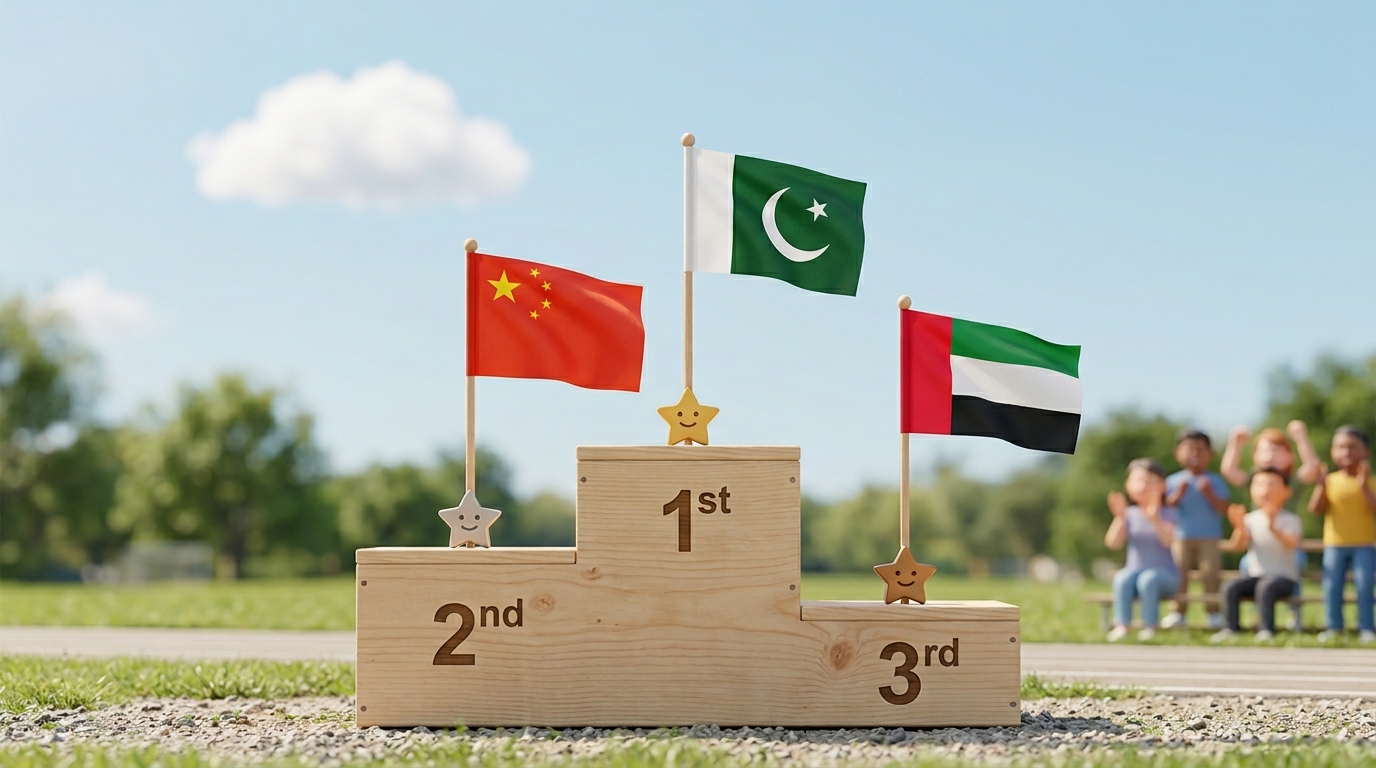
| Pakistan | B+ | A | A+ |
Grand winner in statesmanship: Pakistan. Grand winner in maturity and wisdom: China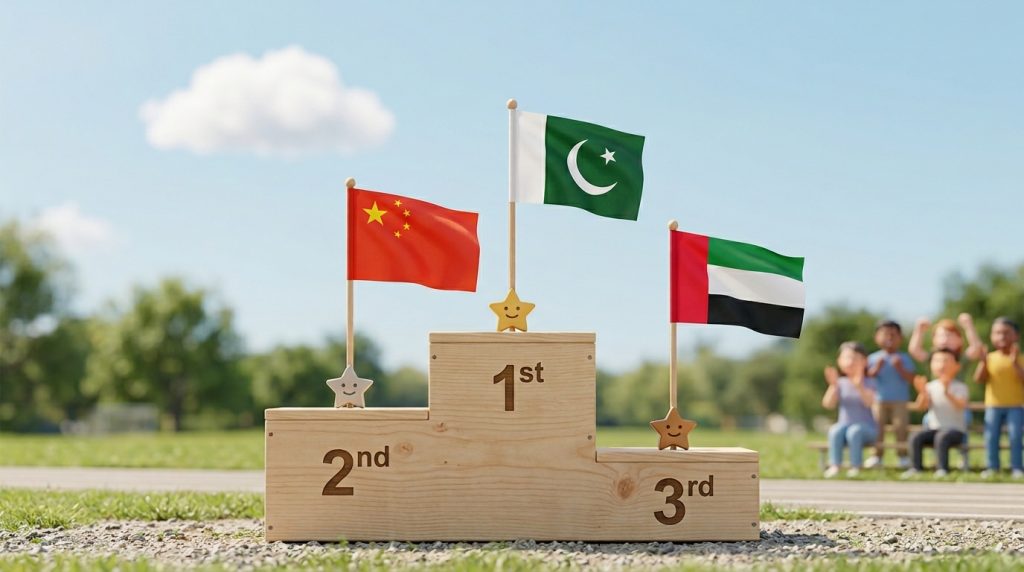
6 Frequently Asked Questions (FAQs)
1. Why is maturity important for a leader?
A mature leader does not start more fights with angry words. Angry words can lead to more bombs. Calm words can lead to talks.
2. What is the difference between wisdom and statesmanship?
Wisdom is knowing what is smart. Statesmanship is doing what is right for everyone, not just your own country. A wise person might say, “Don’t fight.” A statesman actually stops the fight.
3. Why did Pakistan score higher than the US?
Because Pakistan did not shout or threaten. They quietly talked to both sides and helped get a temporary ceasefire. The US president used scary language that made the war worse.
4. Did any leader act perfectly?
No. China was very mature and wise, but it did not use its power to force a ceasefire. Pakistan was excellent at statesmanship, but could have spoken up more publicly. Nobody is perfect.
5. Can a student use these ideas in school?
Yes! If you are in an argument with a friend, you can show maturity (stay calm), wisdom (think about what happens if you keep fighting), and statesmanship (find a solution that helps both). Leadership starts small.
6. Is this article based on real events?
This article is based on a detailed hypothetical scenario of a US-Iran war in 2026. The quotes and timeline were created for educational comparison. But the leadership lessons are real and can be applied to any conflict.

References (Sources of Information for This Article)
- Transcripts of Trump’s Truth Social posts and press conferences (Feb–Apr 2026, hypothetical).
- Official statements from Iran’s Supreme Leader, President Pezeshkian, and Foreign Minister Araghchi (Feb–Apr 2026, hypothetical).
- Press releases from Saudi Arabia, UAE, and Qatar foreign ministries (Mar–Apr 2026, hypothetical).
- Turkey’s Presidential Communications Directorate statements (Mar–Apr 2026, hypothetical).
- Israel Prime Minister’s Office war briefings (Mar–Apr 2026, hypothetical).
- Russian Foreign Ministry and Chinese Foreign Ministry daily briefings (Feb–Apr 2026, hypothetical).
- Pakistan Ministry of Foreign Affairs five-point peace initiative (Mar 31, 2026, hypothetical).
- Reuters, Associated Press, and Politico coverage of the conflict (Feb–Apr 2026, hypothetical).
- United Nations Security Council meeting records (Mar–Apr 2026, hypothetical).
- The author’s comparative leadership analysis is based on public communication studies.
Editorial Perspective
From the editors
This article compares how world leaders spoke during a hypothetical US‑Iran war in 2026. We did not write it to praise or attack any country or leader personally. Instead, we wanted to help young readers understand that words matter , especially when they come from powerful people.
We chose a fictional conflict so we could focus purely on the language and behavior of leadership, without the weight of real‑world casualties or politics. The goal is not to judge, but to teach: maturity, wisdom, and statesmanship are not about being popular or loud. They are about staying calm, thinking ahead, and putting peace above pride.
We encourage readers to ask their own questions: Would I want to be led by this person? What would I have said differently? That is how we learn to become better leaders ourselves , starting today in your own life.