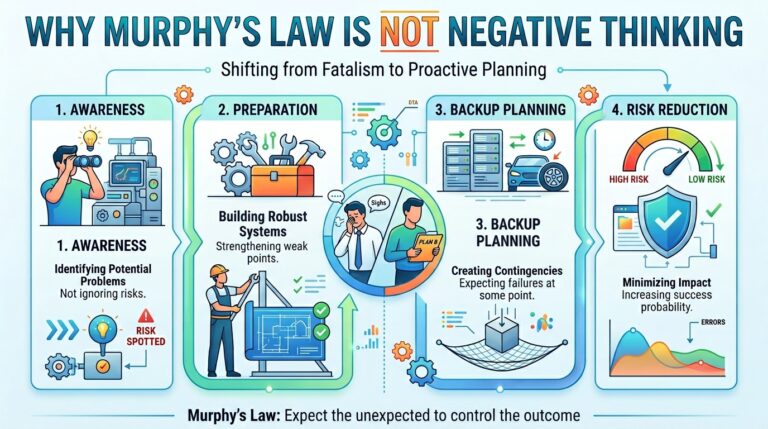

Why Your Brain Is Exhausted (And How to Fix It)
Why do Different People Feel Mental Exhaustion Differently
Why Your Brain Is Exhausted. Mental fatigue doesn’t hit everyone the same way.
Age, responsibilities, hormones, and lifestyle shape how the brain copes with stress.
Below are tailored insights for every age and gender group, written to help each reader see themselves clearly.
https://mrpo.pk/10-signs-your-mind-needs-rest/

Mental Exhaustion in Men: Why Your Brain Is Exhausted
Men often carry silent burdens.
Why do their brains get tired
- Pressure to “stay strong”
- Financial and career stress
- Lack of emotional outlets
- Bottled-up emotions
- Less social support
Signs men ignore
- Constant irritability
- Loss of focus
- Feeling empty, not sad
- Withdrawing from family
- Stress eating or oversleeping
What helps
- 10-minute morning walks
- A quiet, clutter-free corner at home
- Warm lighting in their workspace
- A notebook for “mental unloading”
- Talking to a friend weekly
Men don’t need to be strong all the time; they need spaces that allow them to stop being strong for a moment.:
Mental Exhaustion in Women
-
Women often juggle invisible responsibilities that drain mental energy.
-
Causes of mental fatigue in women:
• Emotional labor
• Household management (even with a job)
• Hormonal fluctuations
• Overthinking out of care
• Being everyone’s “go-to” person -
Signs women may overlook:
• Brain fog
• Emotional sensitivity
• Feeling overwhelmed by small tasks
• Sleep disruptions
• Sudden fatigue -
Helpful tips suggested in that section:
• Lavender or rose scent aromatherapy
• 5-minute room reset before bed
• A soft throw blanket
• Saying “no” without guilt
• One guilt-free break daily
Women often juggle invisible responsibilities that can drain their mental energy.
Why do their brains get tired
- Emotional labor
- Household management (even while working full-time)
- Hormonal fluctuations
- Overthinking out of care
- Being everyone’s “go-to” person
Signs women overlook
- Brain fog
- Emotional sensitivity
- Feeling overwhelmed by small tasks
- Sleep disruptions
- Sudden fatigue
What helps

-

Lavender Oil for Massage and Aromatherapyhttps://a.co/d/bk0vwoA Scented candles (lavender/rose)
- 5-minute room reset before bed
- A soft throw blanket
- Saying “no” without guilt
- Scheduling one guilt-free break daily
A rested woman is not a luxury — she is the heart of a balanced home.
Kids and Mental Fatigue
Yes, kids get mentally tired too, especially in today’s overstimulated world.
Why do their brains get tired
- Too much screen time
- Academic pressure
- Sensory overload
- Lack of outdoor play
- Social stress at school
Signs parents miss
- Mood swings
- Hyperactivity from mental overload
- Trouble sleeping
- Loss of interest in play
- Frequent “I’m bored”
What helps
- Reduced screen exposure
- A soft rug or play mat
- Gentle night lighting
- Plant or fish tank in the room
- 15 minutes of outdoor sunlight
A calm environment → calm child → calm home.
Young Adults / Teenagers

This group carries hidden pressure: identity, career, relationships, and digital comparison.
Why do their brains get tired
- Social media overstimulation
- Academic or job stress
- Constant comparison
- Emotional confusion
- Sleep deprivation
Signs
- Overthinking
- Emotional numbness
- Anxiety spikes
- Feeling “lost”
- Burnout at a young age
What helps
- Journaling
- Decluttering their room
- Plants, especially aloe or money plant
- Reduced late-night screen exposure
- Soft lighting in the study area
The world pressures them to “figure life out” — but their brains need space to breathe.
Senior Citizens: Why Your Brain Is Exhausted

Their stress is different; it’s less noisy, but carries more emotional weight.
Why do their brains get tired
- Loneliness
- Health worries
- Reduced mobility
- Loss of routine
- Caregiving burdens
Signs
- Forgetfulness
- Irritability
- Feeling tired even after rest
- Withdrawal
- Low motivation
What helps
- Simple declutter routines
- Soft cushions or warm blankets
- Aromatic oils (sandalwood/rose)
- Plants or sunlight exposure
- A 5-minute daily gratitude list
Their minds need gentleness, not pressure.
Final Takeaway
No matter who you are, your mind is not weak; it is simply overwhelmed.
Create a calmer space, one small object at a time, and your brain will return to you.
Household Items That Help the Mind Rest, for Every Age & Gender
One Home, Many Minds: How Items Affect Everyone Differently
Our homes are shared spaces — but each brain inside that home experiences stress uniquely.
Here’s how everyday objects can soothe the minds of men, women, kids, teens, and seniors.
For Men
Men respond best to items that promote grounding and emotional release.
Helpful household items
- Warm desk lamp → reduces mental agitation
- Soft weighted throw → lowers cortisol
- Minimalistic shelves → cuts visual noise
- Personal notebook → mind dump before bed
-

Indoor plants Indoor plant → reduces screen fatigue
Best placement
- Work desk
- Bedroom corner
- Car dashboard (mini plant)
For Women
Women benefit from sensory and emotional comfort objects.
Helpful household items
- Lavender or rose diffuser → calms the limbic system
- Fluffy cushions or soft bedding → instant emotional relief
- Organisers/baskets → reduces cognitive load
- Warm-toned night lamp → relaxes nervous system
-

Scented candles https://a.co/d/7Vo2DDC Scented candles → soothing for overstimulated minds
Best placement
- Bedroom
- Reading corner
- Kitchen counter
For Kids
Kids need items that reduce overstimulation and promote security.
Helpful household items
- Soft rugs or mats → grounding
- Night lamps (dim amber light) → better sleep
- Toy baskets → visual calm
- Stuffed toys → emotional safety
- Nature elements (plants, fish tank) → soothing focus
Best placement
- Play area
- Bedroom
- Study corner
For Young Adults
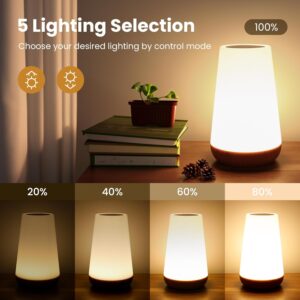
Their overstimulated brains need structure, calm, and self-control.
Helpful household items
- Study lamp with warm tones
- Minimal desk setup
- Affirmation or vision board
- Aloe vera or snake plant
- Journal + sticky notes
Best placement
- Study table
- Bedside
- Wall above the desk
For Senior Citizens
They need physical comfort + emotional tranquillity.
Helpful household items
- Soft blankets → reduce anxiety
- Cushioned chairs → comfort
- Calming fragrances (sandalwood, jasmine)
- Plants or sunlight exposure points
- Memory station (clock, reminders, simple layout)
Best placement
- Living room
- Bedroom
- Near windows
Frequently Asked Questions

Q: Why is my mind tired even if my body isn’t?
Mental fatigue comes from information overload — not physical effort.
Q: Is mental exhaustion the same as burnout?
No. Mental exhaustion is the warning stage; burnout is the collapse.
Q: Does changing household items actually help?
Yes. Your environment shapes your stress hormones and cognitive load.
Q: What scent is best for relaxing the mind?
Lavender and sandalwood are the most researched and effective.
Closing Thought
Every home has healing hidden inside it, sometimes in the form of a blanket, a plant, a lamp, or a scent.
When placed intentionally, ordinary objects become therapy for the mind.
This post contains affiliate links, which means I earn a commission if you purchase through these links. This comes at no additional cost to you and helps support the content I create. I only promote products/services I believe in and use myself. Your support is greatly appreciated!
Disclaimer:
The information provided in this article is for educational and informational purposes only and is not intended to replace professional medical advice, diagnosis, or treatment. Always consult with a qualified healthcare provider before starting any new supplement, health practice, or treatment, especially if you have existing medical conditions, are pregnant or breastfeeding, or are taking prescription medications. The author and publisher are not responsible for any adverse effects or consequences resulting from the use of the information contained herein.