In this guide, we will explore the Gut-Brain Axis, the role of the Vagus Nerve, and why a healthy microbiome is the foundation of emotional resilience. We will also discuss how the prebiotic power of Basil Seeds and the healthy fats in Chia Seeds can help "quiet" an anxious mind from the inside out.
The “Second Brain”: Why Your Mood Starts in Your Gut
Why Gut Health Is the Key to Emotional Stability. We have all felt it. The “butterflies” in your stomach before a big presentation, or the “gut-wrenching” feeling when you receive bad news. For decades, we thought these were just metaphors for stress. We believed that the brain sent signals to the stomach, and that was the end of the story.
In 2026, science has flipped. We now know that your gut sends far more signals to your brain than the other way around. In fact, your digestive system is often called your “Second Brain” because it contains its own complex nervous system. If your gut is out of balance, your emotions will be too.
In this guide, we will explore the Gut-Brain Axis, the role of the Vagus Nerve, and why a healthy microbiome is the foundation of emotional resilience. We will also discuss how the prebiotic power of Basil Seeds and the healthy fats in Chia Seeds can help “quiet” an anxious mind from the inside out.
The Vagus Nerve: The Information Superhighway
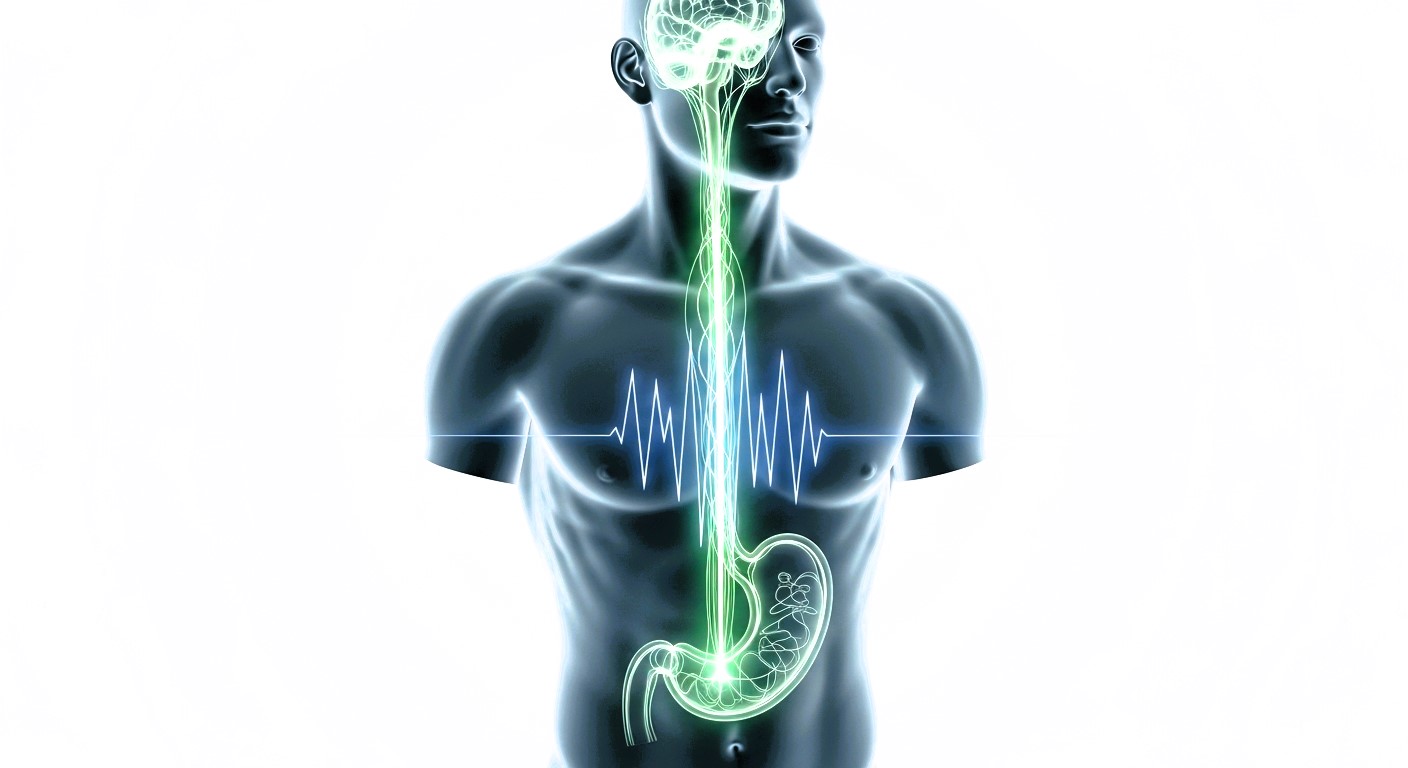
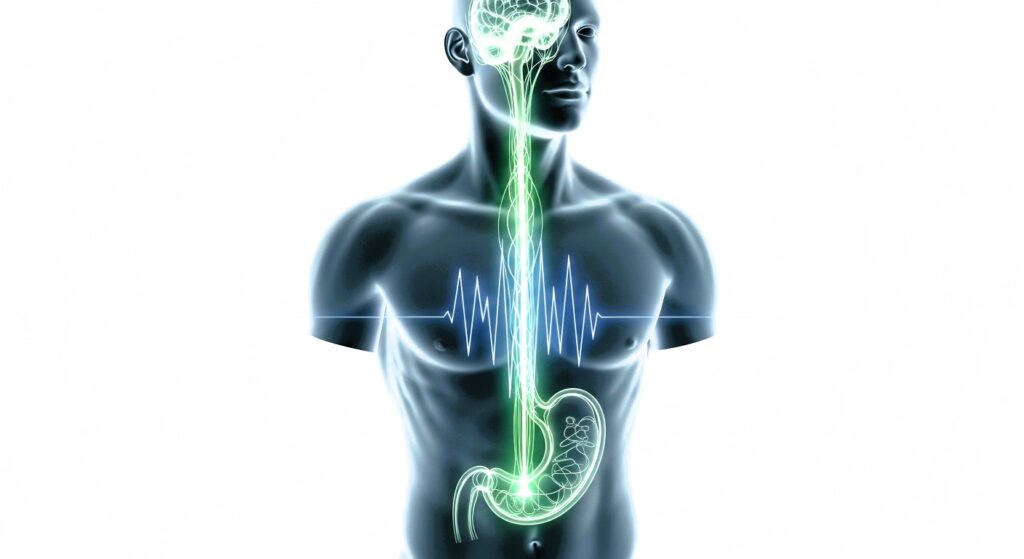
The connection between your gut and your brain is physically maintained by the Vagus Nerve. This is the longest nerve in your body, running from your brainstem all the way to your abdomen. It acts like a high-speed fibre optic cable.
When your gut is inflamed due to poor diet or chronic stress, it sends “distress signals” up the Vagus Nerve. Your brain interprets these signals as anxiety, irritability, or low mood. This is why you can sometimes feel depressed even when your life is going well. Your brain is simply reacting to the “bad data” coming from your digestive system.
Why Gut Health Is the Key to Emotional Stability
Why Gut Health Is the Key to Emotional Stability: Serotonin: The Happiness Hormone is a Gut Product
Most people believe that serotonin, the chemical that makes us feel calm and happy, is produced in the brain. The reality is that nearly 95 per cent of your body’s serotonin is produced in the lining of your gut.
This production relies on a healthy population of gut bacteria. If your microbiome is depleted by processed foods or antibiotics, your serotonin production drops. This leads directly to the Emotional Exhaustion we see in so many people today. You cannot think your way out of a serotonin deficit; you have to eat your way out of it.
The “Pantry” Listing
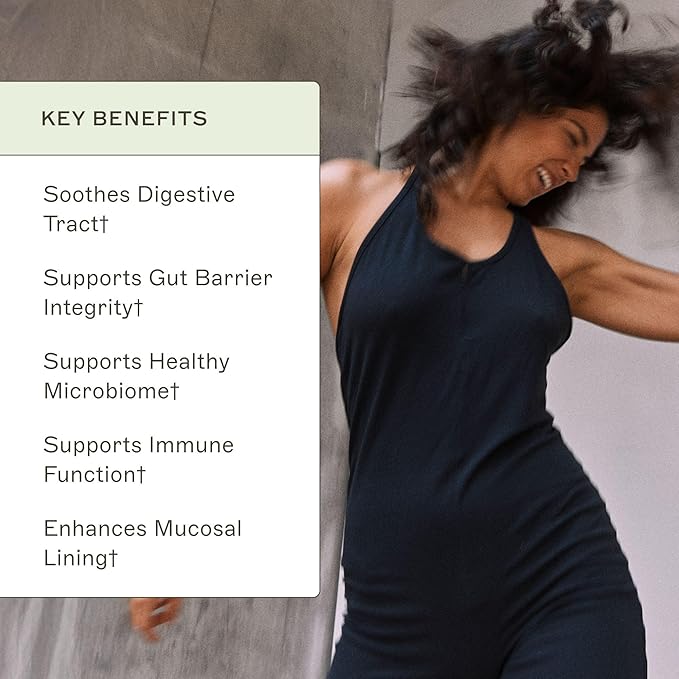
Leaky Gut Revive – Gluten-Free & Non-Dairy – Botanical Blend for Healthy Gut Support
Amy Myers, MD Leaky Gut Revive – Gluten-Free & Non-Dairy – Botanical Blend for Healthy Gut Support – GI Health Support with Prebiotic Fibre – Strawberry Lemonade
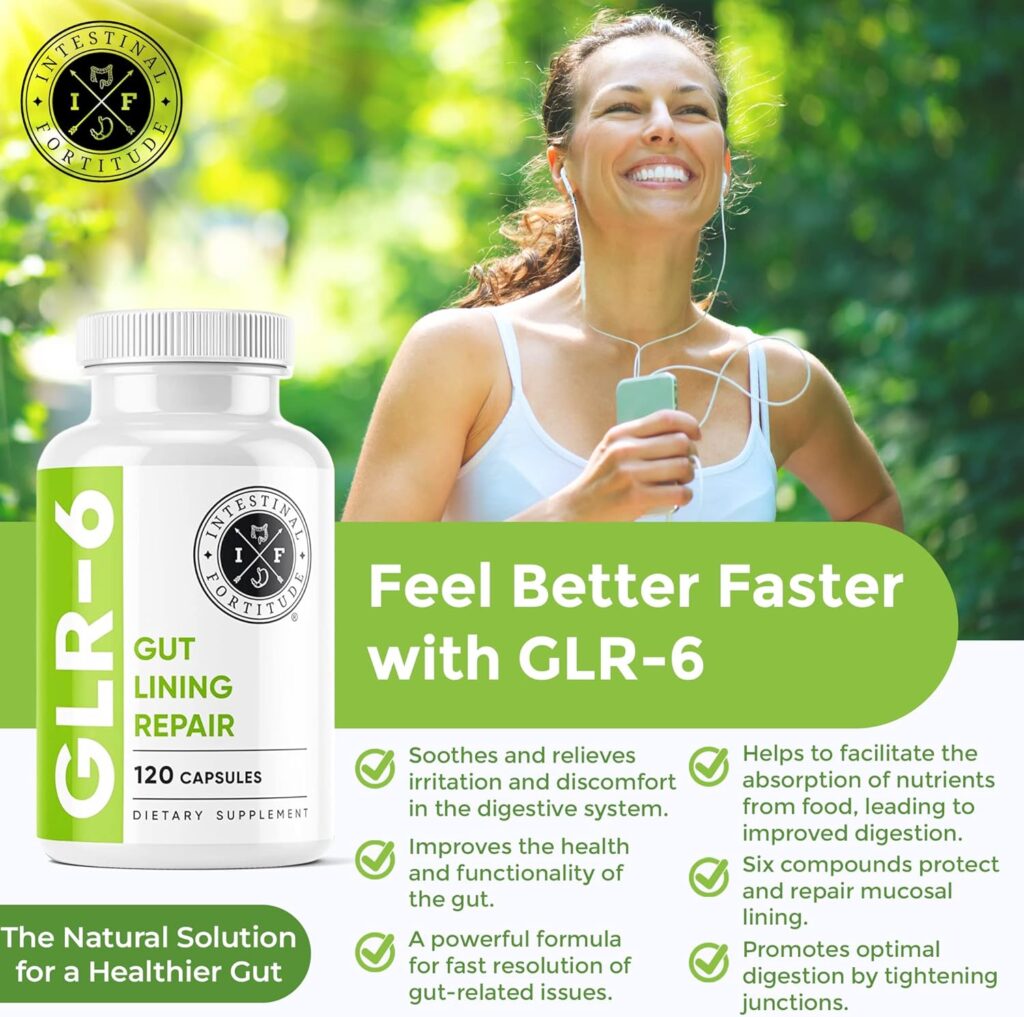
Intestinal Fortitude GLR-6: The Gut-Lining “Sealant”
Why it’s in our 2026 Pantry: While seeds are foundational, serious gut permeability (Leaky Gut) often requires high-potency clinical support. GLR-6 combines 6 of nature’s most protective compounds to help tighten the gastrointestinal junctions and soothe inflammation.
Intestine Fortitude GLR_6_ Gut linning Repair Supplement
How Seeds Support the Gut-Brain Axis
To keep the “Second Brain” happy, you need two things: Fiber and Omega-3 fatty acids. This is where your pantry becomes your best tool for emotional stability.
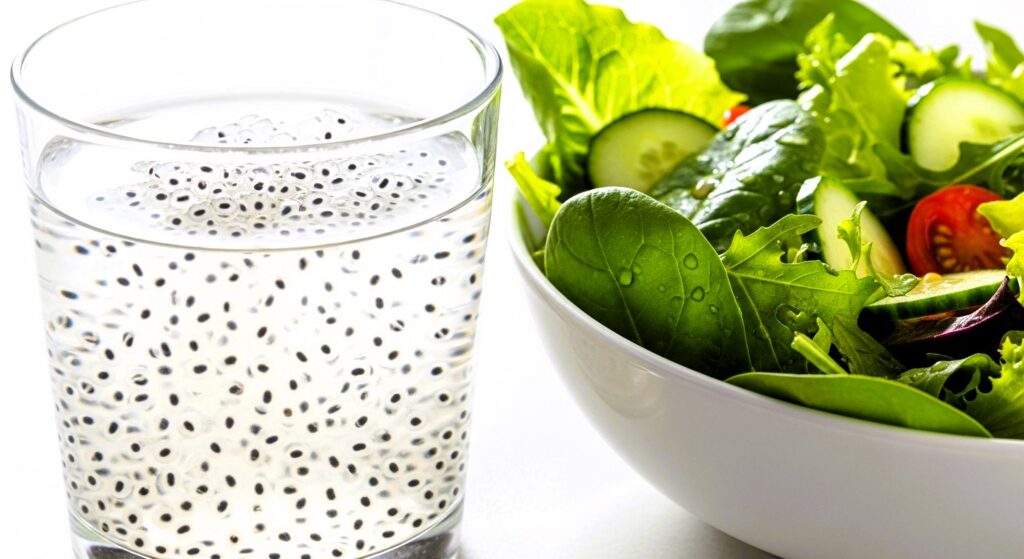
The Prebiotic Power of Basil Seeds: When you soak Basil Seeds (Tukhm-e-Malanga), they develop a gelatinous coating. This gel acts as a “prebiotic,” which is essentially the favourite food of your beneficial gut bacteria. A well-fed gut is a calm gut.
Chia Seeds and Inflammation: Chronic inflammation in the gut is a major trigger for the High-Functioning Anxiety we recently discussed. The Omega-3s in Chia Seeds act as natural anti-inflammatories, soothing the gut lining and clearing the “signal” sent to the brain.
Soaked basil seeds
3 Steps to “Quiet” Your Gut Today
Slow Down Your Eating: Digestion begins in the mouth. When you eat under stress, your body enters “Fight or Flight,” which shuts down digestion and leads to toxic signals being sent to the brain.
Hydrate with Fibre: Adding soaked seeds to your water ensures that your gut remains “slick” and moving, preventing the buildup of waste that can cause lethargy.
Diversify Your Seeds: Every different type of seed (Sesame, Pumpkin, Chia) feeds a different strain of gut bacteria. Diversity in your diet leads to diversity in your microbiome.
Frequently Asked Questions (FAQ)
1. Can probiotics really help with anxiety?
Yes. Modern studies show that certain strains of bacteria, often called “Psychobiotics,” can significantly lower cortisol levels and reduce symptoms of anxiety and depression by improving the health of the Vagus Nerve.
2. How do I know if my gut is affecting my mood?
Common signs include “brain fog” after eating, frequent bloating, sugar cravings, and feeling irritable or anxious when you have digestive discomfort. If your mood fluctuates based on what you eat, the Gut-Brain Axis is likely involved.
3. Are Basil seeds better than Chia seeds for gut health?
Both are excellent, but they serve different roles. Basil seeds are traditionally used for their “cooling” effect and high prebiotic content, while Chia seeds are superior for their Omega-3 fatty acids. Using both provides a complete defense for the Gut-Brain Axis.
4. Does stress cause gut issues, or do gut issues cause stress?
It is a bidirectional “loop.” Stress triggers the release of cortisol, which can damage the gut lining (Leaky Gut). Conversely, a damaged gut sends signals to the brain that trigger a stress response. You must treat both to break the cycle.
5. How long does it take to repair the gut-brain connection?
The lining of your gut replaces itself very quickly. With a consistent intake of prebiotics like seeds and a reduction in processed sugars, many people notice a “lifting” of their mood and increased mental clarity within 7 to 14 days.
6. Is coffee bad for the gut-brain axis?
For some, the high acidity and caffeine in coffee can overstimulate the gut and trigger an anxiety response. If you are struggling with emotional stability, try swapping your coffee for a hydrating seed-based drink for one week.
Explore the complete guide to mastering your “Second Brain”:
This article was developed through an analysis of current 2026 gastroenterology reports and neuro-nutrition studies. We cross-referenced data regarding serotonin production from the Harvard Health Publishing archives and clinical trials on the Vagus Nerve. Our goal is to simplify complex biological processes into actionable wellness steps.
Medical Disclaimer
The information on mrpo.pk is not a substitute for professional medical advice. If you suffer from chronic digestive disorders like IBS or Crohn’s disease, or severe clinical depression, please consult a medical specialist before making major dietary changes.