
When the Queen Topples the King:
The Silent Role of Spousal Behaviour in the Psychological Decline of Men
Theme
This article examines the largely ignored role of spousal behaviour—particularly that of wives—in shaping the psychological health, emotional vitality, and long-term wellbeing of men within marriage. It argues that beyond economic pressures and age-related decline, a man’s inner erosion is often rooted in everyday relational dynamics inside the home.
https://mrpo.pk/the-straight-path/

Aim
To analyse how routine domestic interactions, communication patterns, and emotional climates within marriage influence male confidence, motivation, health, and longevity—and why this factor remains absent from dominant social discourse.
Scope
The study focuses on:
Psychological and emotional dimensions of marriage
Male mental health within the family unit
Behavioural power dynamics in private spaces
Social silence around men’s domestic vulnerability
It does not aim to assign collective blame but to present a neglected dimension of relational reality.
Introduction
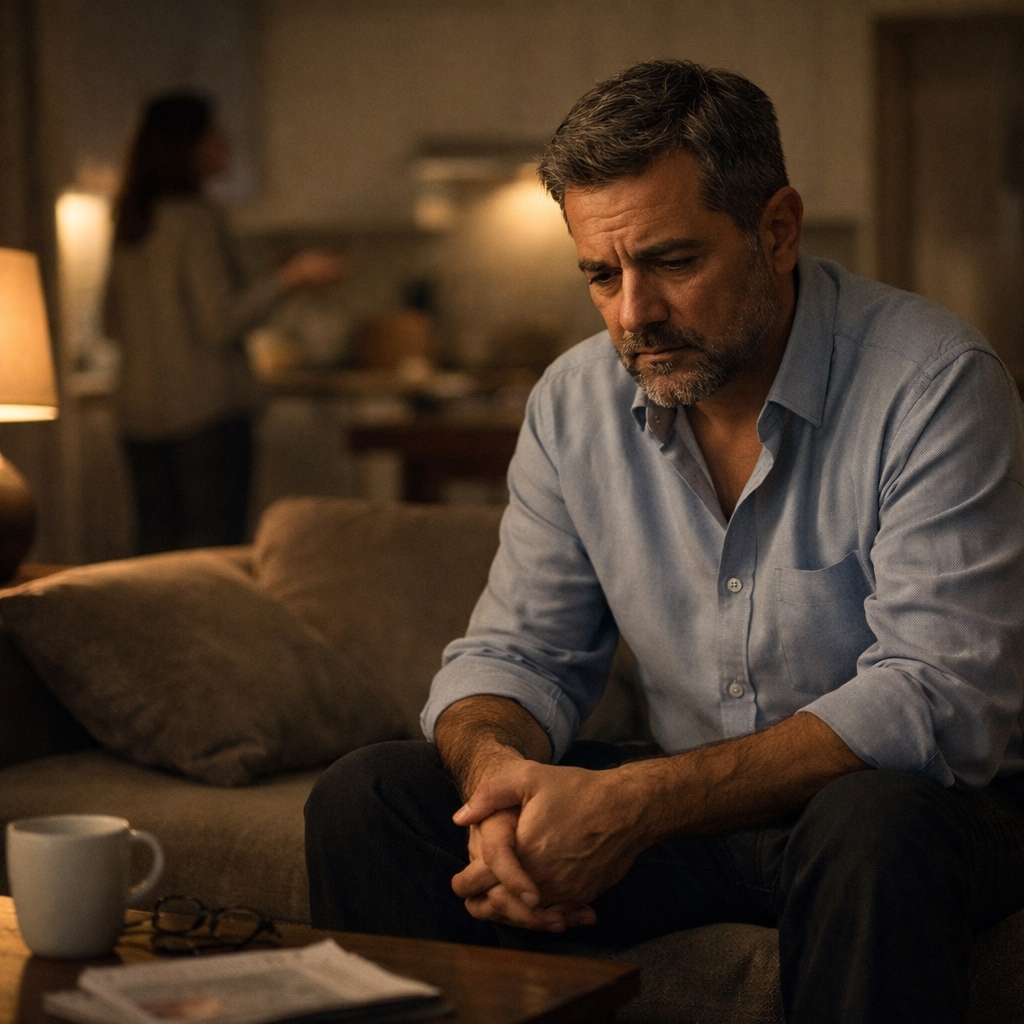
Across societies, a familiar image repeats itself: men who once appeared energetic, hopeful, and driven gradually become withdrawn, irritable, fatigued, and emotionally distant. This transformation is routinely attributed to age, financial stress, professional burnout, or the harshness of life itself.
Rarely is the most intimate environment of a man’s life—the home—examined with equal seriousness.
Marriage is conventionally portrayed as a sanctuary for men: a place of emotional rest, renewal, and psychological safety. Yet for a significant number of men, this sanctuary quietly transforms into a site of continuous emotional attrition. The decline is slow, almost invisible, and therefore socially ignored.
This article argues that spousal behaviour—especially habitual tone, language, and emotional posture—plays a decisive role in either preserving or dismantling a man’s inner world.
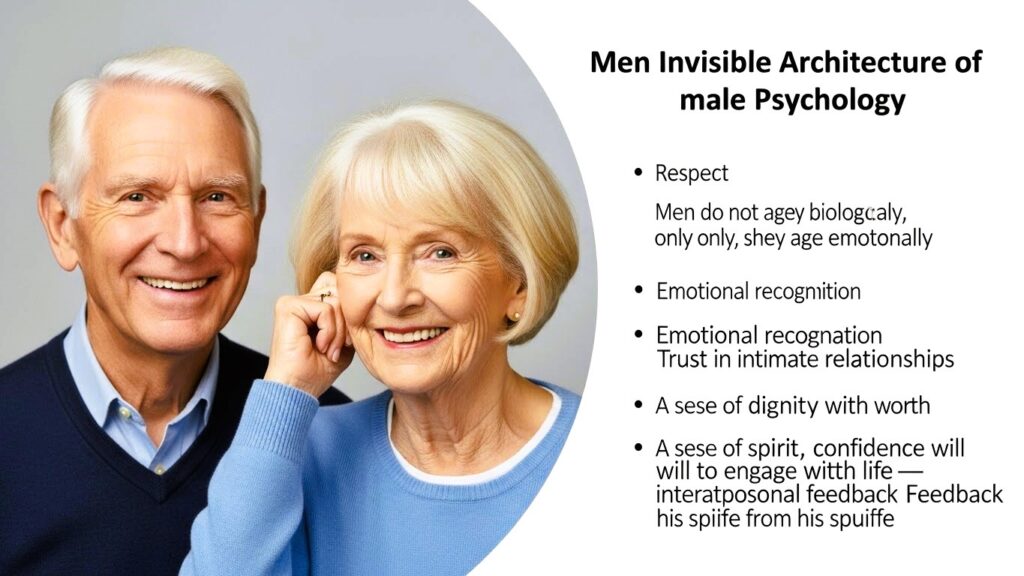
The Invisible Architecture of Male Psychology
Men do not merely age biologically; they age emotionally. Their vitality is sustained not only by physical health but by:
- Respect
- Emotional recognition
- Trust in their worth
- A sense of dignity within intimate relationships
While bones weaken with time, a man’s spirit, confidence, and will to engage with life are shaped daily by interpersonal feedback—most powerfully from his spouse.
A supportive marital environment strengthens male resilience against external pressures. A hostile or dismissive one accelerates psychological exhaustion, often years before physical decline sets in.
Language as Power: The Most Potent Domestic Weapon
One of the most underestimated forces within marriage is language.
A single gentle sentence can restore a man after a day of professional humiliation, social pressure, or financial anxiety. Conversely, a single humiliating remark—repeated over time—can dismantle his confidence more effectively than external failure.
Men routinely confront competition, criticism, and hierarchy in public spaces. When the private sphere mirrors the same hostility, the result is cumulative psychological collapse.
Many men do not “fight back.” They withdraw. They do not protest loudly. They emotionally disengage. They do not rebel. They internally resign.
This resignation is often misinterpreted as maturity, silence, or calm. In reality, it is emotional shutdown.
From Partnership to Battlefield
Modern marital discourse increasingly frames marriage as a site of power negotiation rather than emotional cooperation. When daily interaction becomes a contest of dominance—who decides, who questions, who prevails—the relationship shifts from companionship to combat. In such an environment:
- Dialogue becomes interrogation
- Disagreement becomes disrespect
- Equality becomes rivalry
- Winning arguments does not translate into winning peace
A spouse who treats every decision as a challenge, every request as an order to be resisted, and every difference as a threat unknowingly erodes the very foundation on which emotional security rests.
A man defeated at home may still function outside—but only mechanically.
Obedience, Softness, and the Misunderstood Order
The concept of softness, cooperation, or deference within marriage is often mischaracterized as weakness or subjugation. In reality, these are relational stabilizers, not instruments of control.
Healthy relational order does not produce tyranny; it produces responsibility. Respect does not inflate male ego; it awakens male protection. Trust does not enslave women; it humanizes men.
When a man is treated as a perpetual suspect rather than a partner, he gradually ceases to act as a guardian and becomes merely a provider—or worse, a stranger within his own home.
Daily Behaviours, Lifelong Consequences
Marital collapse is rarely caused by grand betrayals. It is caused by small, repeated behaviours:
- Morning sarcasm instead of warmth
- Habitual criticism instead of appreciation
- Conflict at moments of exhaustion
- Public or private belittlement disguised as honesty
Conversely, emotional preservation often depends on equally small acts:
- A calm presence during stress
- Recognition of effort, not just outcomes
- Silence at moments when words would wound
- Dialogue instead of confrontation
Men nourished by emotional respect remain psychologically younger, more hopeful, and more engaged with life—even in old age.
The Silent Male Crisis
A man who finds peace at home can face the cruelty of the world without bitterness. A man humiliated at home carries defeat even in success.
The tragedy is not merely personal—it is social. Emotionally broken men raise insecure children. Detached husbands create unstable families. Psychologically exhausted fathers withdraw long before death arrives.
Yet this crisis remains absent from public conversation, buried under one-sided narratives that examine only one gender’s suffering.
Men’s Hidden Struggles in Relationships: 5 Signs He Is Silently Suffering
Marriage and long-term relationships are often described as the greatest journeys in life—filled with partnership, shared dreams, and deep connection. However, just like any worthwhile journey, the road is rarely smooth. For many couples, a confusing and painful disconnect can emerge over time. You might feel like you are living with a stranger, or that the person you fell in love with has built a fortress around his heart.
This article does not argue that women alone are responsible for male decline, nor does it deny male faults. It asserts a simpler, more uncomfortable truth: behaviour within intimate relationships carries disproportionate psychological power.
A wife can be the greatest source of renewal or the quiet architect of erosion. She can restore youth without medicine—or accelerate ageing without intention.
If a man has grown silent, bitter, withdrawn, or emotionally distant, it is worth asking—not defensively, but honestly: How much of this damage was inflicted by the world? And how much was cultivated at home?
Final Reflection
Marriage does not collapse when love ends. It collapses when dignity dies.
If a man is the king of the household, the woman is its soul.
And when the soul decays, even kingdoms fall—quietly, slowly, and without witnesses.