
Love: Meaning, Types, Science, Stories, and the Purest Form of Human Connection
Love is one of the most powerful forces shaping human life. It influences emotions, decisions, relationships, cultures, religions, and even history. Yet, despite being universally experienced, love remains deeply complex.
This comprehensive guide explores what love is, its psychological and biological foundations, types of love, famous love stories, spiritual love, and modern scientific insights, including the role of attraction, intelligence, courage, and emotional bonding.
https://mrpo.pk/6-basic-emotions/

What Love Really Means
When it comes to love, some people would say it is one of the most important human emotions. Love is a set of emotions and behaviors characterized by intimacy, passion, and commitment. It involves care, closeness, protectiveness, attraction, affection, and trust. Many say it’s not an emotion in the way we typically understand them, but an essential physiological drive.
1. What Is Love?
It is a deep emotional connection characterised by care, attachment, responsibility, and meaning. Unlike fleeting attraction, love develops over time and grows through shared experiences, trust, and commitment.
Love can be:
- Emotional (how we feel)
- Behavioural (how we act)
- Cognitive (how we choose)
True love balances emotion and intention.
2. Definition of Love: Psychology and Science
It is not a single feeling or reaction. It is a complex human experience involving emotion, psychology, biology, and meaning. To understand love properly, we must examine how it is felt, how it forms, and how it functions in the human mind and body.
2.1 Emotional & Psychological Meaning
Emotionally, it is experienced as deep affection, care, and emotional closeness. It creates a sense of safety, belonging, and attachment. People in love often feel understood, valued, and emotionally connected.
From a psychological perspective, it involves attachment and bonding. Psychologists explain love as a secure emotional bond that develops over time through trust, empathy, and shared experience. This bond helps individuals regulate emotions and build long-term relationships.
Sshaped by:
-
Personal experiences
-
Childhood attachment styles
-
Emotional maturity
This is why people experience love differently yet recognise it instantly.
Key distinction:
It grows through understanding and stability, while mere attraction fades with novelty.
Healthy love provides:
- Emotional safety
- Mutual respect
- Long-term stability
Unhealthy love, by contrast, is rooted in fear, control, or dependency.
2.2 Biological & Scientific Perspective
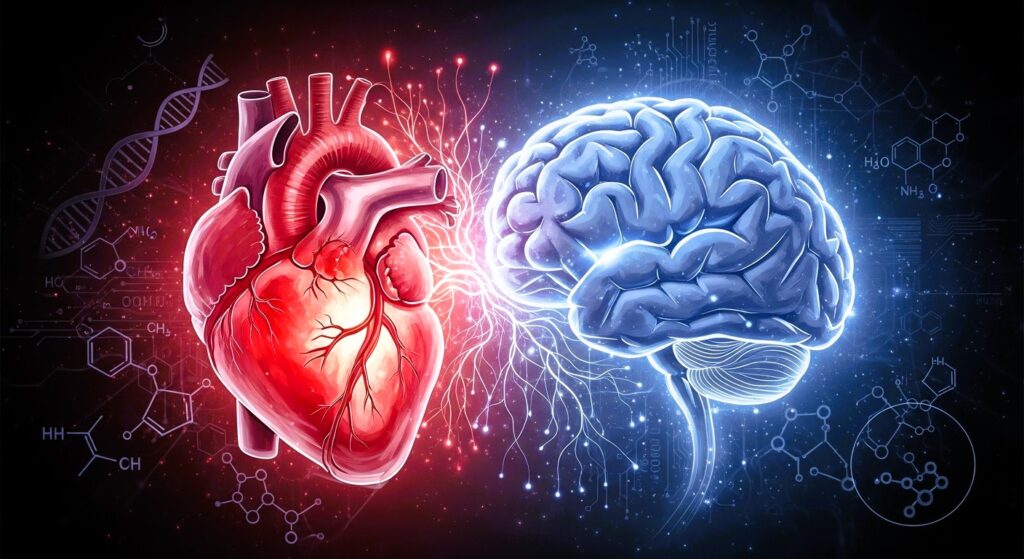
Biology explains how love feels so powerful.
When a person falls in love, the brain releases specific hormones and neurotransmitters:
-
Dopamine: creates pleasure, motivation, and desire
-
Oxytocin: strengthens trust and emotional bonding
-
Serotonin: influences mood, emotional balance, and attachment
These chemicals work together to create feelings of closeness, excitement, and emotional focus. Brain imaging studies show that love activates reward centres in the brain, the same areas linked to motivation and pleasure.
This biological process explains:
-
Why love feels energising
-
Why does separation cause emotional pain
-
Why love can feel addictive
2.3.Love vs Infatuation (Important Clarity for Readers)
Many people confuse love with infatuation, but science draws a clear line.
-
Infatuation is intense, short-term, and driven mainly by dopamine
-
Love develops gradually and includes oxytocin, trust, and commitment
Infatuation focuses on idealisation. Love focuses on understanding.
This distinction helps recognise healthy relationships from emotional impulses.
2.4.What Happens in the Brain When We Love?
When love matures:
-
Emotional reactivity decreases
-
Calmness and security increase
-
Decision-making becomes more balanced
This is why long-term love feels less dramatic but more meaningful.
Love, at its healthiest, brings emotional stability, not chaos.
3. Types of Love Humans Experience
3.1 Classical Types
- Eros: romantic and physical love
- Philia: friendship and emotional closeness
- Storge: family and parental love
- Agape: unconditional, selfless love
These concepts originated in Greek philosophy and remain relevant today.
3.2 Modern Types
As societies evolved, love began to be understood beyond classical definitions. Modern psychology recognises several lived forms of love that people experience today.
Romantic
Romantic love combines emotional attachment with physical attraction. It involves intimacy, passion, and commitment. When balanced, it brings closeness and joy; when idealised excessively, it can become unrealistic.
Compassionate
This is love rooted in care, empathy, and understanding rather than passion. It often develops in long-term relationships, friendships, and caregiving bonds. Compassionate love creates emotional safety and stability.
Unrequited
Unrequited love occurs when affection is not returned. Though painful, it is a common human experience and often teaches emotional maturity, boundaries, and self-awareness.
Platonic
Platonic love is a deep emotional connection without romantic or sexual involvement. It forms the foundation of strong friendships and is essential for mental well-being and social balance.
Soulmate Love
Soulmate love refers to a deep sense of recognition and compatibility. Psychologically, it reflects shared values, emotional attunement, and mutual growth rather than destiny alone.
4. The Purest Form of Love?
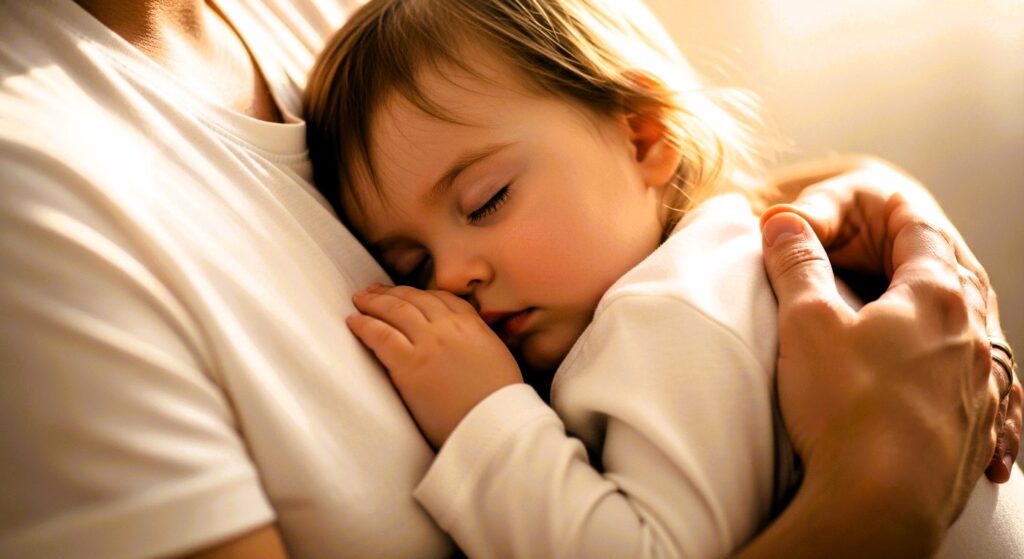
Unconditional (Agape)
Unconditional love gives without expectation. It is not dependent on return, reward, or recognition.
Parental vs Romantic vs Spiritual Love
-
Parental instinct is instinctive and protective
-
Romantic is emotional and relational
-
Spirituality transcends self-interest
Each is pure in its own domain, but spiritual love is the least conditional.
Selfless Love in Religion & Philosophy
Religions and philosophers consistently describe the highest love as selfless, love that serves, forgives, and endures.
Scientific Insight
Research shows the strongest bonds form when emotional attachment combines with long-term commitment, reinforcing trust and stability.
Spiritual Love: Wisdom from East and West
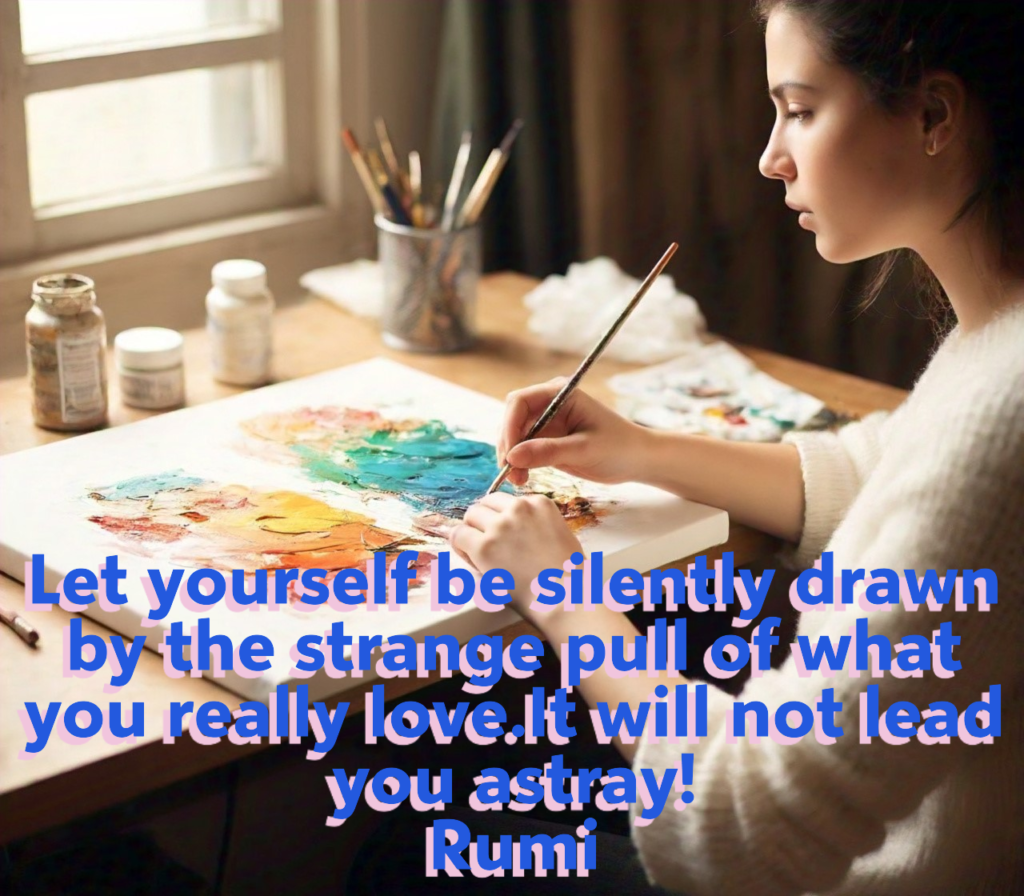
Spiritual thinkers view love as a path to truth.
Rumi
“Where there is love, there is no self, only the Beloved.”
Hafez
“The heart that is open to love never grows old.”
Allama Iqbal
“Love sharpens intellect and gives courage to the soul.”
Shakespeare
“Love looks not with the eyes, but with the mind.”
Nietzsche
“Love gives wings, but also demands strength.”
5. Love Across Cultures & Religions
Islam
Love is the central love of God, the love of humanity, and love guided by responsibility and compassion.
Christianity
Love is the highest virtue, emphasising forgiveness, sacrifice, and unconditional care.
Hinduism
Love is linked with duty (dharma), devotion (bhakti), and union with the divine.
Buddhism
Love is compassion (metta) free from attachment and suffering.
Cultural Symbols of Love
-
The Taj Mahal, eternal devotion
-
Sak Yant symbols, sacred protection and loyalty
-
Rings, roses, and rituals across cultures
6. The First Love in Human History
Ancient Sumerian texts, including love hymns of Inanna and Dumuzi, are among the earliest recorded expressions of romantic love, dating back over 4,000 years. This proves love has always been central to human civilisation.
7. Most Famous & Notorious True Love Stories of All Time
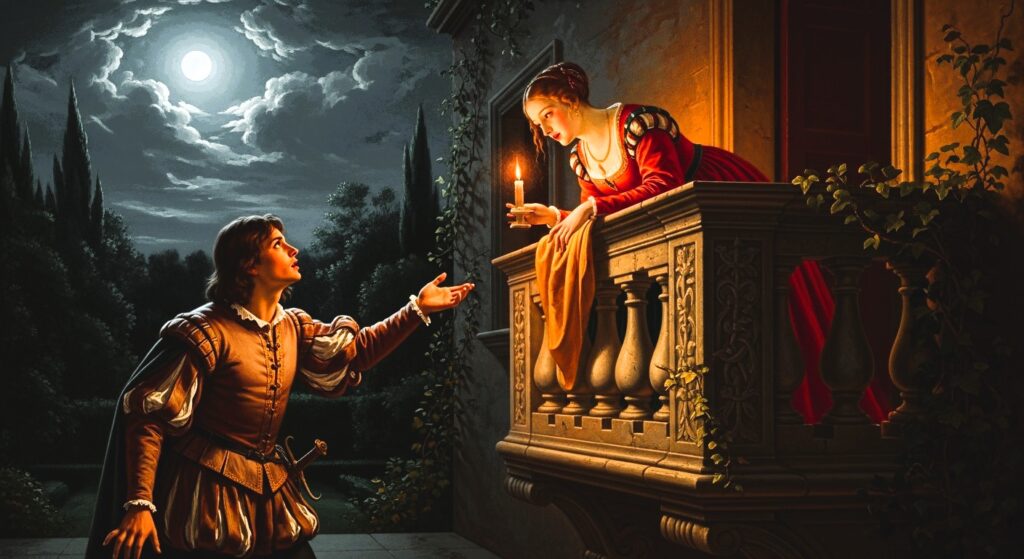
Throughout history, love stories endured because they revealed love’s power, sacrifice, and consequences.
7.1 Legendary Classics
Romeo & Juliet
Shakespeare’s immortal lovers symbolise intense youthful love challenged by social conflict. Their story warns how unchecked passion and division can turn love tragic.
Antony & Cleopatra
This story blends love with power and politics. Their bond challenged empires, showing how love can rival ambition and reshape history.
Tristan & Isolde
A medieval tale of forbidden love, it explores desire versus duty, a theme still relevant in modern relationships.
8.2 Real Historical Love Stories
Abelard & Heloise
An intellectual and emotional bond tested by society and faith. Their letters reveal love that survived separation and sacrifice.
Shah Jahan & Mumtaz Mahal
This love was immortalised in the Taj Mahal, symbolising devotion beyond death and love expressed through remembrance.
Napoleon & Josephine
A relationship marked by intense passion and emotional dependence, highlighting love’s vulnerability to power and insecurity.
Heathcliff & Catherine
Inspired by Wuthering Heights, this story portrays obsessive love as powerful but destructive when detached from emotional balance.
Love That Changed History
-
Royal and political marriages that altered alliances
-
Faith-defying love stories that became cultural symbols
-
Love that challenged class, religion, or tradition
Such love reshaped societies, not just personal lives.
8. Love and Sexual Orientation
8.1 Do Gay and Lesbian People Love Like Others?
Yes. Love is biologically and emotionally universal. Research shows no difference in bonding, attachment, or commitment across sexual orientations.
8.2 Love in LGBTQ+ Context
Historical examples of queer love exist across cultures, though often suppressed. Modern recognition affirms love as a human experience, not a category.
9. The Religious Perspective: Diverse Interpretations
Religious ethics offer a more complex landscape. Different traditions view the “nature” of this love through various theological prisms:
The “Procreative” Framework
In many traditional branches of Christianity, Islam, and Orthodox Judaism, love is ethically categorised by its potential for procreation and the “complementarity” of male and female. In this view, while the feeling of love may be recognised, it is often seen as distinct from the “Sacramental” or “Natural Law” love intended for marriage.
10. Do Looks, Body Attraction, Courage, and Intelligence Matter in Love?
9.1 Physical Attraction and Love Bonding
Physical attraction often initiates love, but it rarely sustains it. Attraction activates dopamine, creating excitement, but without emotional depth, it fades.
Key insight: Attraction opens the door; character keeps it open.
9.2 Intelligence and Emotional Connection
Emotional intelligence plays a major role in long-term love. Understanding emotions, communicating clearly, and resolving conflicts strengthen bonding.
People often fall in love with:
- Kindness
- Understanding
- Mental compatibility
9.3 Courage and Love
Love requires courage:
- To be vulnerable
- To commit
- To forgive
Courage deepens trust and emotional safety, essential for lasting love.
11. Modern Love in the Digital Age
Technology has transformed love:
- Online dating expands access
- Social media reshapes expectations
Pros: wider connections, convenience
Cons: superficiality, emotional fatigue. Signs of True Love
True love is visible through:
- Respect and consistency
- Emotional safety
- Shared values
- Mutual growth
Healthy love supports freedom, not control.
FAQs About Love
1. Is love a feeling or a choice?
Love begins as a feeling and survives as a choice.
2. Can love exist without physical attraction?
Yes. Emotional and spiritual love often thrives without it.
3. Does intelligence affect love compatibility?
Emotional intelligence strongly improves relationship success.
4. Is love universal across cultures?
Yes, though expressed differently.
5. Can science explain love fully?
Science explains chemistry, not meaning.
6. Does true love last forever?
It evolves, but commitment keeps it alive.
References
- Attachment Theory (Bowlby)
- Neurobiology of Love Studies
- Classical Literature & Spiritual Texts
- Cross-cultural psychology research