COP Explained: History, Politics and the Global Climate Debate
What is COP, why was it created, and what has it achieved? Explore climate science, global agreements, political divisions, climate finance and the challenges facing the world.
https://mrpo.pk/?p=19122&preview=true
Excerpt: Every year, almost every country comes together to negotiate the future of the planet. Yet decades of climate conferences have produced both historic agreements and deep disappointment. What exactly is COP, how does it work, and why is global climate cooperation so difficult?
Purpose of the article: To give readers a clear, balanced and evidence-based understanding of the United Nations climate negotiation process before examining the COP31 controversy in the companion article.
COP Explained: History, Politics and the Global Climate Debate
Every year, governments from almost every corner of the world gather to negotiate how humanity should respond to climate change. They make promises, announce financial commitments and debate the future of energy, industry and economic development.
Yet the central question remains: if the world has been discussing climate change for decades, why are emissions still rising, climate disasters becoming more damaging, and vulnerable countries still struggling to protect their populations?
The answer lies partly in the science of climate change, but also in economics, international politics, historical responsibility and competing national interests.
The annual United Nations climate conference, commonly known as COP, is where these competing interests meet. It is one of the most important diplomatic processes of our time, but also one of the most complicated.
Understanding COP requires looking beyond speeches and political announcements. We need to understand why it was established, how its agreements work, what it has achieved, where it has failed, and why countries continue to disagree.
This article examines the history and structure of COP, the science behind climate negotiations, the major international agreements, the political and economic divisions, and the unresolved challenges that the world carried into the COP31 conference in Antalya, Türkiye.
What Is COP?
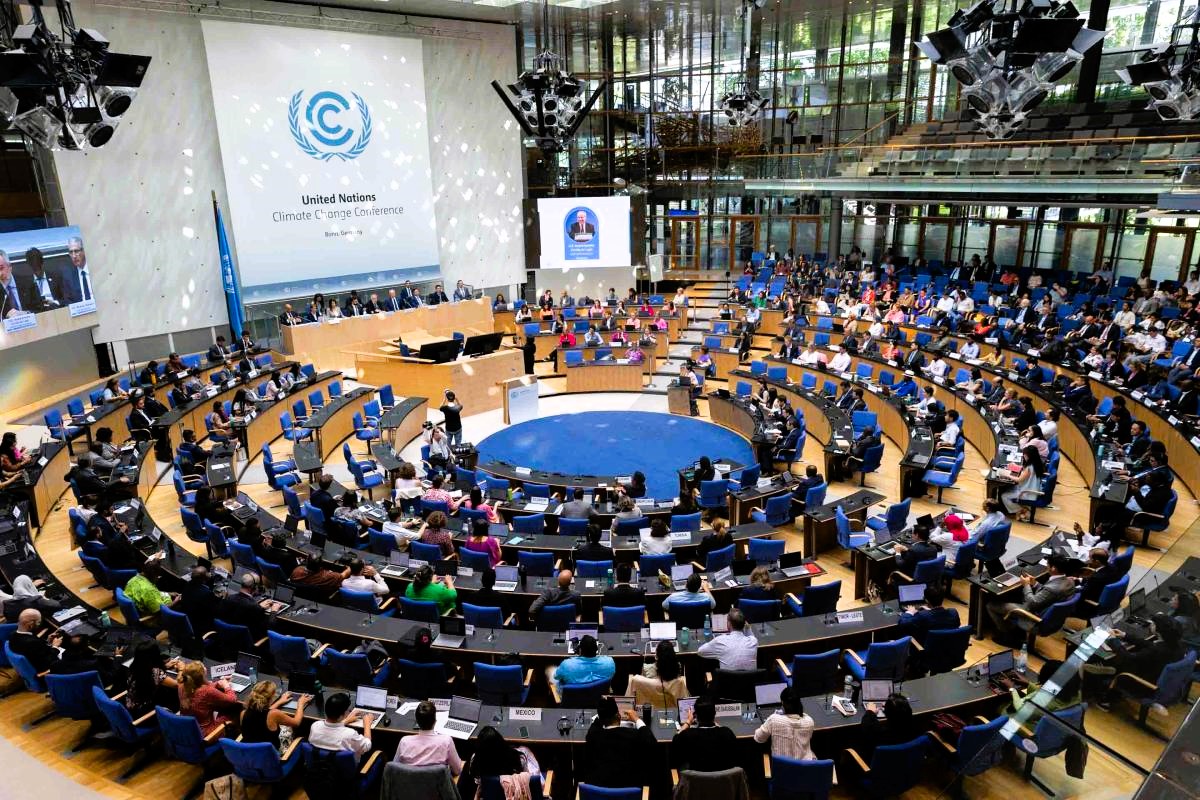
COP stands for Conference of the Parties. It is the main decision-making meeting of the countries that have joined the United Nations Framework Convention on Climate Change, commonly known as the UNFCCC.
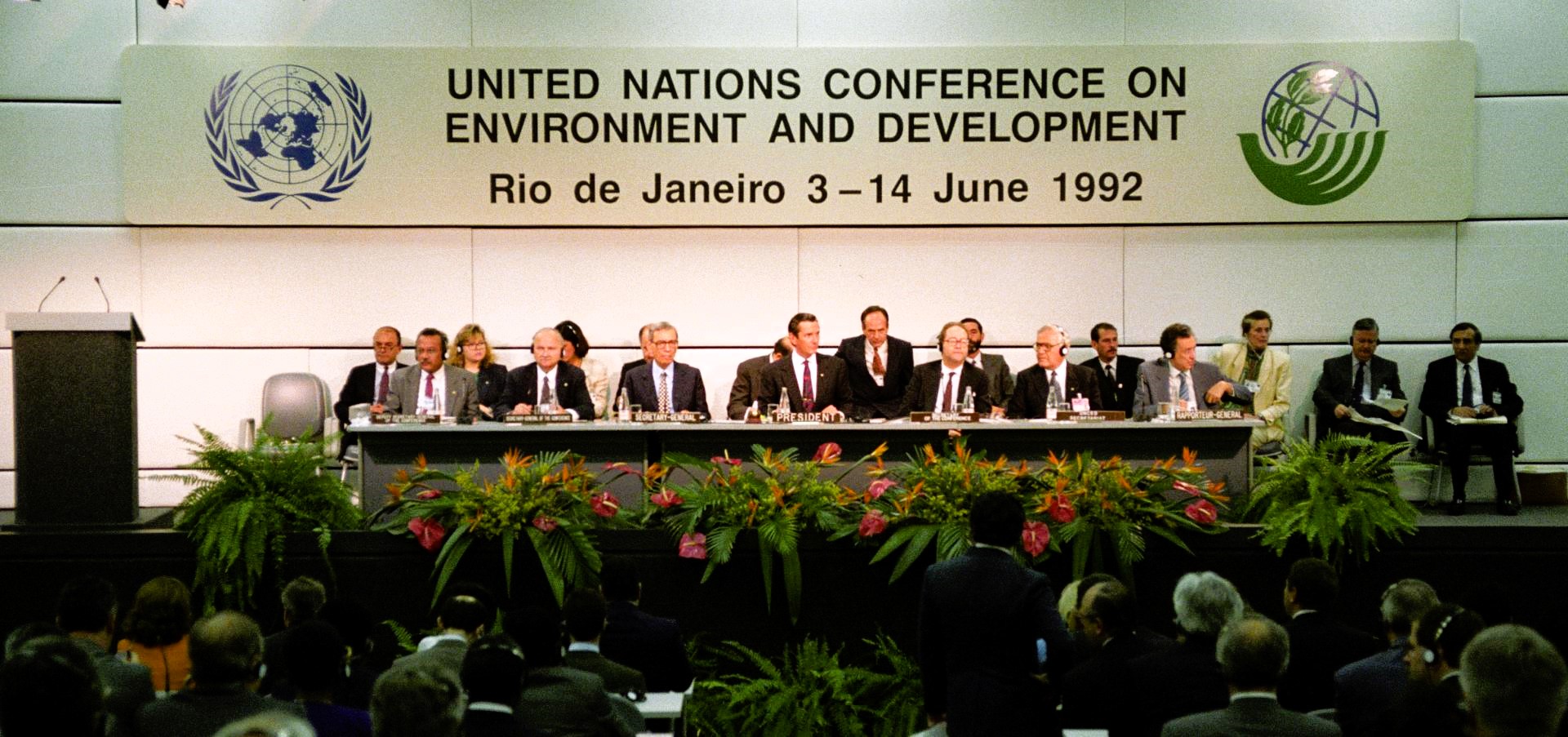
The Convention was adopted in 1992 and entered into force in 1994. Its purpose is to provide an international framework for cooperation against dangerous human interference with the climate system.
The first COP took place in Berlin, Germany, in 1995.
Since then, countries have generally met every year to review progress, negotiate agreements, discuss financial support and consider how to strengthen international climate action.
The word “Parties” refers to the governments and regional economic integration organisations that have formally joined the Convention.
COP is not a world government. It cannot directly control national energy policies, close power plants, impose domestic taxes or force countries to adopt particular economic models.
Instead, it provides a diplomatic framework in which governments negotiate common rules and commitments. Countries then implement those commitments through their own national laws, policies and institutions.
The process is supported by the UNFCCC Secretariat, which helps organise meetings, prepare documentation, facilitate negotiations and monitor reporting under the climate agreements.
Official background: UNFCCC history of the Convention.
Why Was the Climate Convention Created?
The international climate process developed because scientists increasingly warned that human activities were changing the Earth’s atmosphere.
The Industrial Revolution brought enormous improvements in production, transport, agriculture and living standards. But industrial development also increased the burning of coal, oil and natural gas. These activities release greenhouse gases that trap heat in the Earth’s climate system.
Scientific concern grew during the twentieth century. In 1988, the United Nations Environment Programme and the World Meteorological Organisation established the Intergovernmental Panel on Climate Change, known as the IPCC.
The IPCC does not negotiate climate agreements or make national policies. Its role is to assess scientific research and provide governments with evidence about climate change, its causes, impacts and possible responses. Its assessment reports became a major foundation for international climate negotiations.
In 1990, the IPCC’s first assessment report helped strengthen calls for an international climate treaty. Governments subsequently began negotiating what became the UNFCCC.
The Convention was adopted in 1992 at the United Nations Conference on Environment and Development in Rio de Janeiro, Brazil. It entered into force on 21 March 1994.
The first COP followed in 1995.
The underlying principle was straightforward: climate change is a global problem. Greenhouse gases do not remain within national borders, and no country can solve the problem independently.
However, countries have contributed differently to the problem and possess very different financial and technological resources. This inequality would become one of the most persistent sources of disagreement in the negotiations.
The Science Behind Climate Negotiations
To understand why governments negotiate climate agreements, it is important to understand the basic science.
What are greenhouse gases?
Greenhouse gases absorb and re-emit heat in the atmosphere. This natural process helps keep the Earth warm enough to support life. The problem is not the natural greenhouse effect itself. The problem is the additional concentration of greenhouse gases caused mainly by human activities.
The most important gases discussed in climate negotiations include:
- Carbon dioxide (CO₂): Released mainly through the burning of fossil fuels, industrial processes, and land-use changes such as deforestation.
- Methane (CH₄) is produced by activities such as fossil fuel extraction, livestock farming, rice cultivation, and waste management.
- Nitrous oxide (N₂O): Associated with agricultural soils, fertiliser use and certain industrial activities.
- Fluorinated gases: A group of powerful industrial gases used in refrigeration, manufacturing and other applications.
These gases differ in how long they remain in the atmosphere and how strongly they contribute to warming. Climate reporting often expresses its combined impact as carbon dioxide equivalent, or CO₂e.
Is climate change really caused by human activity?
The scientific evidence is clear. The IPCC’s Sixth Assessment Report concluded that human activities, principally through greenhouse gas emissions, have unequivocally caused global warming.
Global surface temperature was approximately 1.1°C higher in 2011–2020 than during the 1850–1900 reference period.
Human-caused warming is already affecting weather and climate extremes in every region. These changes include increasing heat extremes, heavier precipitation in many regions, changes in agricultural and ecological drought, and rising risks to ecosystems and human communities.
This does not mean that every flood, storm, drought or heatwave is caused entirely by climate change. Individual events have multiple causes, including natural climate variability, geography, land management and infrastructure.
Climate change can, however, alter the likelihood or intensity of many extreme events. Scientists use attribution studies to examine how much human-caused warming influenced a particular event.
The distinction matters. A responsible discussion should neither blame every disaster on climate change nor dismiss the growing scientific evidence because an individual event has several causes.
Source: IPCC Sixth Assessment Report, Synthesis Report.
What does the 1.5°C target mean?
The Paris Agreement established a central international temperature goal: hold the increase in global average temperature well below 2°C above pre-industrial levels and pursue efforts to limit it to 1.5°C.
These numbers are not arbitrary political slogans.
The risks of climate change increase as global temperatures rise. A world that warms by 2°C is expected to experience greater climate risks than a world limited to 1.5°C.
The difference can affect heat exposure, water availability, agricultural productivity, ecosystems, sea-level rise and the frequency or intensity of certain extreme events.
The 1.5°C figure refers to long-term global warming relative to a pre-industrial baseline. It should not be confused with a single year’s global temperature.
An individual year can temporarily exceed 1.5°C above the pre-industrial level without necessarily meaning that the long-term temperature threshold has been permanently crossed.
The IPCC has also warned that every additional fraction of warming increases risks. Limiting warming requires rapid and sustained reductions in greenhouse gas emissions, particularly carbon dioxide.
Why do scientists discuss net zero?
Net zero does not mean that all human emissions must become absolutely zero. It means balancing the greenhouse gases released into the atmosphere with the amount removed through natural or technological processes. For carbon dioxide, reaching global net zero is essential to stabilising human-caused warming.
However, net zero should not become an excuse to postpone emissions reductions. Large-scale dependence on future carbon removal is risky because the technology, cost, land requirements and long-term storage capacity remain significant challenges.
The IPCC emphasises that deep emissions reductions are necessary across energy, transport, industry, buildings, agriculture and land use.
The Major Milestones in COP History
The climate negotiation process has developed through several major agreements and turning points.
1992: The UNFCCC
The United Nations Framework Convention on Climate Change established the foundation for international climate cooperation.
It recognised that climate change required a global response and introduced the principle of common but differentiated responsibilities and respective capabilities. This principle acknowledges that all countries have responsibilities, but their historical contributions, economic circumstances and capacities are not identical.
1995: COP1 in Berlin
The first Conference of the Parties took place in Berlin. Countries recognised that the commitments under the original Convention were not sufficient to address the growing climate challenge. The Berlin Mandate launched negotiations for stronger commitments, particularly for developed countries.
1997: The Kyoto Protocol
The Kyoto Protocol was adopted at COP3 in Japan. It was a major development because it established legally binding greenhouse gas reduction targets for many developed countries.
The Protocol reflected the principle that industrialised countries had greater historical responsibility and stronger financial and institutional capacity to reduce emissions. It also introduced mechanisms such as emissions trading, the Clean Development Mechanism and Joint Implementation.
However, its effectiveness was limited by uneven participation, the absence of binding reduction targets for developing countries and the withdrawal or non-ratification of some major emitters.
The Kyoto Protocol entered into force in 2005. Its experience also demonstrated a difficult reality: an international agreement may establish legal obligations, but its overall impact depends on participation, implementation and the willingness of major economies to act.
2009: COP15 in Copenhagen
Expectations were exceptionally high for the Copenhagen conference. Many governments hoped to secure a comprehensive successor agreement to the Kyoto Protocol.
Instead, disagreements over emissions targets, financial support, transparency and the distribution of responsibilities prevented a fully negotiated agreement. The conference took note of the Copenhagen Accord rather than adopting it as a comprehensive binding outcome.
Copenhagen became an important lesson about the difficulty of negotiating a global agreement when countries have sharply different interests and expectations.
2010: COP16 in Cancún
The Cancún Agreements helped restore confidence in the international process after Copenhagen. They advanced arrangements on adaptation, climate finance, technology cooperation, transparency and other areas.
They also helped establish the Green Climate Fund as an important institution for supporting climate action in developing countries.
2011: COP17 in Durban
The Durban Platform created a pathway towards a new agreement applicable to all countries. This was significant because the future climate framework would need to involve both developed and developing countries, although their responsibilities would continue to reflect different national circumstances.
2015: COP21 and the Paris Agreement
The Paris Agreement was adopted on 12 December 2015. It became the most important international climate agreement since the UNFCCC and changed the structure of global climate cooperation.
Unlike the Kyoto model, which imposed negotiated targets on a defined group of developed countries, Paris established a framework in which all countries submit national climate plans. Its central temperature objective is to keep warming well below 2°C and pursue efforts to limit it to 1.5°C.
The Agreement entered into force on 4 November 2016.
2021: COP26 in Glasgow
COP26 adopted the Glasgow Climate Pact. For the first time in a COP decision, countries explicitly referred to reducing coal power through the phrase “phase-down of unabated coal power” and called for the phase-out of inefficient fossil fuel subsidies.
The final wording was weaker than many countries and campaigners wanted. Nevertheless, the inclusion of fossil fuels in the negotiated text was an important development. Glasgow also pressed countries to strengthen their national climate commitments.
2022: COP27 in Sharm el-Sheikh
COP27 made a historic decision to establish a fund and new funding arrangements for responding to loss and damage in particularly vulnerable developing countries.
This was important because many countries facing severe climate impacts had argued for years that adaptation and emissions reduction alone could not address all the damage already occurring.
However, establishing a fund did not automatically solve the questions of who would contribute, how much money would be available, which countries would qualify and how quickly support would reach affected communities.
2023: COP28 in Dubai
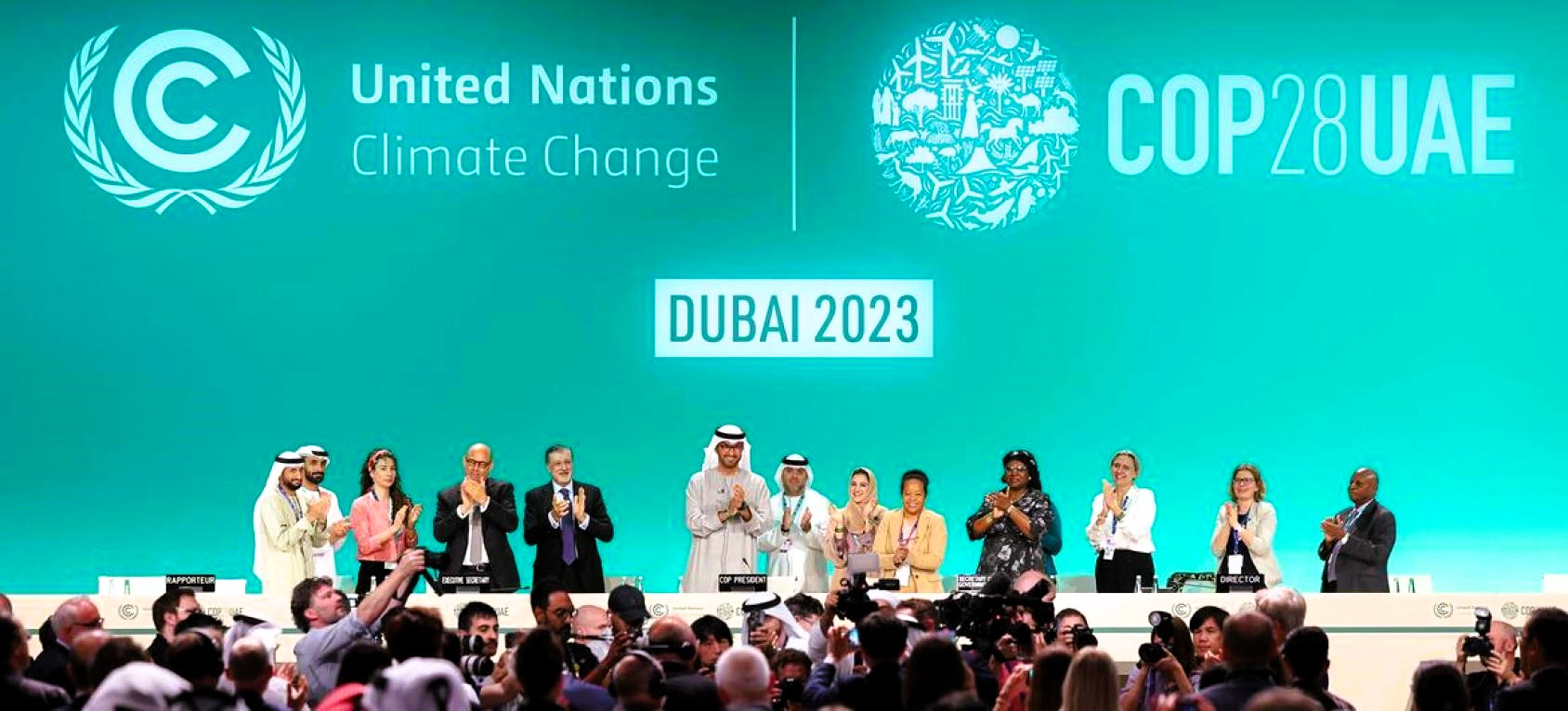
COP28 produced the UAE Consensus and the first Global Stocktake under the Paris Agreement. The Global Stocktake assessed collective progress towards the Agreement’s objectives.
One of its most significant outcomes was the first explicit COP-level call for countries to transition away from fossil fuels in energy systems in a just, orderly and equitable manner.
The decision also called for accelerating renewable energy deployment and improvements in energy efficiency. This was a major political signal, but it did not itself create a legally enforceable timetable for every country to stop producing or using fossil fuels.
2024: COP29 in Baku
COP29 placed climate finance at the centre of negotiations. Countries agreed on a new collective climate finance goal of at least US$300 billion annually by 2035 for developing countries, with developed countries taking the lead.
The agreement also called for all actors to work together to scale up financing from public and private sources to at least US$1.3 trillion per year by 2035. These figures must be understood separately.
The US$300 billion figure is the agreed finance goal under which developed countries take the lead. The US$1.3 trillion figure is a wider scaling-up ambition involving multiple sources of finance. It is not the same as a guaranteed public grant commitment.
Developing countries continued to question whether the amount, quality, accessibility and terms of the finance would be sufficient.
2025: COP30 in Belém
COP30 in Brazil focused heavily on implementation, climate finance, adaptation and the practical delivery of national climate commitments. Its outcomes included the adoption of Belém Adaptation Indicators, intended to help measure progress towards global adaptation goals.
Countries also agreed to efforts to at least triple adaptation finance by 2035 and advanced the Global Implementation Accelerator and Belém Mission to 1.5°C. The Baku to Belém Roadmap to 1.3T was also carried forward as a pathway for scaling up climate finance.
However, the conference did not produce an agreed comprehensive roadmap for transitioning away from fossil fuels. The absence of such a roadmap remained a significant unresolved issue.
Sources: UNFCCC climate negotiation history, COP28 outcomes, COP29 finance agreement, and COP30 outcomes.
What Does the Paris Agreement Actually Require?
The Paris Agreement is the foundation of the modern international climate framework.
Its main objectives are:
- Keep global warming well below 2°C and pursue efforts to limit it to 1.5°C.
- Strengthen the ability of countries to adapt to climate impacts and build resilience.
- Make financial flows consistent with low-emission and climate-resilient development.
The Agreement operates through several important mechanisms.
Nationally Determined Contributions
Each country submits a Nationally Determined Contribution, commonly called an NDC. An NDC describes the country’s climate commitments and planned actions. These may include reducing emissions, expanding renewable energy, improving energy efficiency, protecting forests, strengthening adaptation and developing climate-resilient infrastructure.
Countries are expected to submit stronger successive contributions over time. The approach allows governments to consider their national circumstances, development needs and economic capacities.
But it also creates a major challenge: national commitments may collectively fall short of what the global temperature goal requires.
The five-year cycle
Countries are expected to communicate new or updated NDCs every five years. The idea is to increase ambition progressively and allow governments to adjust their plans as technology, economic circumstances and scientific knowledge develop.
Transparency and reporting
The Agreement includes an enhanced transparency framework. Countries report information about their emissions, progress towards their commitments and other relevant climate actions.
This reporting is important because international cooperation requires credible information. Without reliable data, it becomes difficult to assess whether countries are meeting their commitments or whether promised support is reaching its intended recipients.
The Global Stocktake
The Global Stocktake assesses collective progress towards the objectives of the Paris Agreement. It is conducted every five years and is intended to inform countries as they prepare stronger climate plans. The first Global Stocktake concluded at COP28 in 2023.
It demonstrated the difference between the ambition expressed in the Paris Agreement and the level of action being delivered globally.
Is the Paris Agreement legally binding?
The answer requires some explanation.
The Paris Agreement is a legally binding international treaty. It establishes obligations concerning matters such as preparing, communicating and maintaining NDCs, reporting information and participating in transparency arrangements.
However, the specific emissions targets chosen by each country are nationally determined. The Agreement does not impose the same type of internationally enforceable penalty for failing to achieve a particular emissions target that a domestic court might impose under national law. Its implementation and compliance mechanism is facilitative, non-adversarial and non-punitive.
This distinction is important. It explains why the existence of a legally binding treaty does not automatically guarantee that the world will achieve its climate targets.
Official explanation: Key aspects of the Paris Agreement.
What Are the Main Objectives of COP?
Climate negotiations cover several connected areas. Focusing only on carbon emissions gives an incomplete picture.
Mitigation: Reducing emissions
Mitigation means reducing greenhouse gas emissions or increasing their removal from the atmosphere.
It includes:
- Expanding renewable electricity.
- Improving energy efficiency.
- Reducing dependence on coal, oil and gas.
- Electrifying transport and heating where practical.
- Improving industrial processes.
- Protecting forests and restoring degraded ecosystems.
- Reducing methane emissions.
- Developing lower-emission agricultural practices.
Mitigation is essential because adaptation alone cannot prevent the risks associated with continued global warming.
Adaptation: Preparing for climate impacts
Even if emissions fall rapidly, the world will continue to experience climate impacts because the climate system responds over long periods. Adaptation means preparing societies and ecosystems for these changes.
Examples include:
- Flood protection and improved drainage.
- Early-warning systems for extreme weather.
- Climate-resilient roads, bridges and buildings.
- Drought-resistant crops.
- Improved water storage and management.
- Heat-resistant urban planning.
- Better public health preparedness.
- Protection of coastal communities.
Adaptation is particularly important for countries that face severe climate risks but have limited financial resources. For example, a country exposed to floods may need stronger river management, reliable forecasting, safer housing and emergency services. These measures can save lives even when global emissions reductions take years to produce their full benefits.
Loss and damage
Loss and damage refers to climate-related harm that cannot be fully avoided through mitigation or adaptation.
It can include:
- Destruction of homes and infrastructure.
- Loss of agricultural livelihoods.
- Damage to ecosystems.
- Displacement of communities.
- Loss of cultural heritage.
- Long-term economic and social disruption.
The concept is especially important for vulnerable countries that contribute relatively little to global emissions but face severe climate impacts.
The creation of the Loss and Damage Fund at COP27 was a major political achievement. However, its effectiveness depends on adequate contributions, accessible procedures and timely delivery of support.
Climate finance
Climate action requires money. Developing countries need substantial investment to build renewable energy systems, protect communities, improve water management, strengthen agriculture and modernise infrastructure. Climate finance is therefore one of the most sensitive subjects in negotiations.
The debate is not simply about how much money is promised. It also concerns:
- Who provides the finance?
- Who qualifies to receive it?
- Is it provided as grants or loans?
- What interest rates and conditions apply?
- How quickly can countries access it?
- Does it support adaptation as well as emissions reduction?
- Is it additional to existing development assistance?
A loan may help finance a project, but it can also increase a country’s debt burden. This is why developing countries often argue that vulnerable nations should receive more grants and concessional finance rather than being pushed further into debt.
Technology transfer
Many developing countries lack the technology, infrastructure and technical expertise required for a rapid energy transition. International cooperation can help make cleaner technologies more affordable and accessible.
Examples include solar and wind systems, energy storage, smart electricity grids, efficient irrigation, climate information systems and cleaner industrial equipment.
Technology transfer is not simply about donating equipment. It also requires training, maintenance capacity, research, affordable financing and local institutions capable of operating the systems.
A just transition
A transition to a low-emission economy can create new industries and employment opportunities. It can also threaten workers and communities that depend on coal mining, oil production, gas infrastructure and other carbon-intensive sectors.
A just transition seeks to ensure that the costs and benefits of economic change are shared fairly. It includes worker retraining, social protection, regional economic diversification, affordable energy and consultation with affected communities.
A climate policy that ignores employment, poverty and energy access may face serious resistance, even when its environmental objectives are sound.
Who Participates in COP Negotiations?
COP is not simply a meeting of national leaders. It brings together several groups with different responsibilities and interests.
National governments
Governments negotiate the formal decisions and agreements. Their delegations may include diplomats, climate experts, energy officials, finance ministries, environmental agencies and technical advisers.
The COP Presidency
The host country generally provides the COP Presidency. The Presidency helps organise the conference, facilitate negotiations, consult countries and attempt to build consensus. It has an influential diplomatic role, but it cannot simply impose its preferred outcome on the participating countries.
The UNFCCC Secretariat
The Secretariat provides administrative and technical support to the process. It organises meetings, manages documentation, supports reporting and assists the formal institutions operating under the Convention and the Paris Agreement.
Observer organizations
Civil society organisations, research institutions, businesses, Indigenous Peoples, youth groups, trade unions and other stakeholders participate as observers or through related activities. They can provide expertise, raise public concerns, propose solutions and put pressure on governments.
However, observers do not have the same formal decision-making authority as governments.
Negotiating groups
Countries frequently coordinate their positions through regional or political negotiating groups.
These include:
- G77 and China.
- European Union.
- African Group of Negotiators.
- Alliance of Small Island States.
- Least Developed Countries Group.
- BASIC countries: Brazil, South Africa, India and China.
- Umbrella Group.
- Independent Alliance of Latin America and the Caribbean.
Membership and positions vary across issues. These groups are not always politically uniform.
For example, developing countries may agree on the importance of climate finance but disagree over the details of emissions reduction commitments or the treatment of particular energy sources.
Why Is Reaching Agreement So Difficult?
Climate change is a shared global problem, but its economic and political consequences are not distributed equally. Countries may agree that climate change is serious while disagreeing sharply about who should pay, who should reduce emissions first and how quickly energy systems should change. Several major disputes explain why negotiations are so difficult.
Historical responsibility
Industrialised countries built much of their wealth during periods when coal, oil and gas powered economic expansion. Many developing countries argue that wealthy nations have contributed disproportionately to the accumulation of greenhouse gases in the atmosphere and therefore have a greater responsibility to provide finance and technology.
This argument is connected to the principle of common but differentiated responsibilities and respective capabilities. Developed countries generally accept that historical responsibility matters, but they also emphasise the need for major current emitters to contribute to global reductions.
Current emissions and future growth
Historical emissions are only one part of the debate. Some emerging economies now account for substantial shares of annual global emissions because of their population size, industrial production, energy consumption and economic growth.
Developing countries argue that they still need affordable energy, employment, industrial development and better living standards. They question why they should be expected to follow the same development restrictions as countries that industrialised over a much longer period.
Developed countries, meanwhile, argue that global climate goals cannot be achieved without meaningful action from all major emitters.
This creates a difficult question: how should the world balance historical responsibility with present-day emissions and future development needs?
Fossil fuels and energy security
Coal, oil and natural gas remain central to the global economy. They provide electricity, transport fuels, industrial heat, petrochemical feedstocks and government revenue.
Some countries depend heavily on fossil fuel exports. Others rely on imported fuels to operate their power plants, factories and transport systems. A rapid transition may create serious economic and social challenges if affordable alternatives are not available.
At the same time, continued dependence on fossil fuels contributes to greenhouse gas emissions and exposes countries to price volatility, supply disruptions and geopolitical risks. The disagreement is therefore not simply between countries that care about the climate and countries that do not.
It is also about the speed, cost, fairness and practical feasibility of changing energy systems.
The role of developing countries
Developing countries frequently argue that climate action must not become a barrier to poverty reduction or industrial development. Many still lack reliable electricity, adequate transport infrastructure, modern housing and basic public services.
They need investment in economic growth, but they also face increasing pressure to reduce emissions. The challenge is to expand access to affordable energy while avoiding long-term dependence on high-emission infrastructure.
Renewable energy can provide important opportunities, but its deployment requires investment, storage, grid upgrades, land-use planning and technical capacity.
Climate finance and trust
Climate finance is not merely a technical discussion. It is a question of trust. Developing countries often point to earlier financial promises that were delayed, difficult to access or delivered partly through loans. They also argue that climate finance should be predictable and should reflect the scale of the risks they face.
Donor countries, on the other hand, must negotiate domestic budgets, public spending priorities and accountability requirements.
The result is a recurring divide between the scale of financial needs and the level of support countries are prepared to provide.
Domestic politics
International commitments must eventually be implemented at home. Governments face elections, lobbying, economic pressures, employment concerns and public resistance to higher energy costs. A government may support ambitious climate language at an international conference but struggle to introduce the necessary domestic policies.
This is one reason climate diplomacy and actual implementation can move at very different speeds.
Who Supports Climate Action, and Who Questions It?
The debate is often presented as a simple division between environmental supporters and climate opponents. That description is misleading. Many countries and institutions support climate action but disagree about the methods, costs and distribution of responsibilities.
Supporters of stronger climate action
Small island states and highly climate-vulnerable countries often demand more ambitious emissions reductions because rising seas, extreme heat and climate-related disasters threaten their populations and economies.
Many European governments support stronger climate policies and investment in renewable energy. Climate scientists and research institutions emphasise the need to reduce emissions in line with the available scientific evidence.
Environmental organisations advocate stronger commitments, accountability and protection of vulnerable communities.
Renewable energy companies, investors and technology developers also support policies that expand markets for low-emission technologies.
Countries and industries that resist rapid transition
Some fossil-fuel-producing countries are concerned that rapid reductions in oil, gas and coal demand could damage their economies, government revenues and employment. Coal-dependent economies face similar concerns.
Industries with high energy requirements may resist policies that increase operating costs before affordable alternatives become available.
Some governments question whether climate policies are economically fair, particularly when they believe that richer countries have already benefited from fossil-fuel-based industrialisation.
There are also political movements that reject or minimise established climate science. Their arguments should be assessed against the scientific evidence rather than treated as equivalent to the conclusions of major scientific assessments.
The important distinction
Questioning a particular climate policy is not the same as denying climate change. A government can accept the scientific evidence and still question the design of a carbon tax, the cost of renewable energy subsidies, the timing of fossil-fuel restrictions or the fairness of an international finance arrangement.
A balanced debate must allow scrutiny of climate policies without misrepresenting the scientific evidence.
Climate Justice: Who Pays for the Damage?
Climate justice is one of the most important and contentious ideas in international climate negotiations. Its central concern is that the countries and communities most exposed to climate impacts are not necessarily those that have contributed most to the problem.
Some vulnerable nations have very low historical emissions but face severe threats from rising seas, extreme weather, drought and food insecurity.
At the same time, wealthy countries generally have greater financial resources, stronger infrastructure and more advanced technology to prepare for climate risks. Climate justice discussions therefore consider several measures of responsibility and capacity.
Historical emissions: How much greenhouse gas has a country contributed over time?
Current annual emissions: How much does it emit today?
Per-capita emissions: How much does the average person contribute?
Economic capacity: How much financial support can a country reasonably provide?
Development needs: How much additional energy and infrastructure does a country need to improve living standards?
No single measure answers every question.
For example, a country may have relatively low historical emissions but now be a major annual emitter. Another may have high historical emissions but has reduced its domestic emissions over time. A fair climate framework must consider these differences rather than relying on one simplified ranking.
Has COP Actually Achieved Anything?
The answer is yes, but its achievements must be assessed honestly. COP has created a framework for international cooperation that did not previously exist on this scale.
Major achievements
A global treaty framework: The UNFCCC created a permanent international process for addressing climate change.
The Kyoto Protocol: It introduced legally binding emissions reduction targets for many developed countries and established international carbon market mechanisms.
The Paris Agreement: It brought all countries into a common framework of national climate commitments, transparency and periodic assessment.
Climate finance institutions: The Green Climate Fund and other mechanisms provide channels for supporting climate action in developing countries.
Loss and damage recognition: COP27 established a dedicated fund and funding arrangements to address climate-related harm in vulnerable developing countries.
Fossil-fuel language: COP26 and COP28 brought increasingly explicit references to fossil fuels into negotiated outcomes.
Adaptation frameworks: International negotiations have strengthened the recognition that climate resilience is as important as emissions reduction.
Global cooperation: The COP process keeps climate change on the international diplomatic agenda and provides a platform for countries to negotiate despite political differences.
These achievements should not be dismissed simply because the world has not solved the climate crisis.
Where COP has fallen short
The existence of agreements has not produced emissions reductions at the speed required by climate science.
National climate plans remain insufficient to meet the Paris temperature objectives.
Climate finance remains contested, particularly over its adequacy, accessibility and quality.
Many vulnerable countries still lack the resources needed to prepare for climate impacts.
Fossil fuels continue to play a major role in the global energy system.
There is also a significant gap between international promises and national implementation.
The central weakness of the process is that governments can negotiate common objectives, but implementation depends heavily on national political decisions, investment and institutional capacity.
The Implementation Gap: Promises Versus Reality
One of the most important questions is whether governments are delivering what they promise. An international announcement may sound impressive, but its real value depends on what happens afterwards.
Consider four examples.
Climate targets versus actual emissions
A country may announce an ambitious emissions target, but if its energy system, transport infrastructure and industrial policies remain unchanged, the target may not be achieved.
Finance pledges versus money delivered
A financial commitment is not the same as money reaching a vulnerable community. The distinction between grants, loans, private investment and mobilised finance matters. Countries must also examine whether the money is accessible, predictable and provided on appropriate terms.
Renewable energy announcements versus energy-system readiness
Building solar and wind capacity is important, but a reliable electricity system also requires transmission networks, storage, balancing capacity and effective regulation. Without these supporting systems, renewable energy investment may not deliver its full potential.
National plans versus local implementation
A national adaptation plan may identify flood protection, water conservation and climate-resilient agriculture as priorities. But if local governments lack budgets, technical expertise and institutional coordination, the plan may remain largely on paper.
This implementation gap is why the climate debate increasingly focuses on delivery rather than announcements alone.
The Economic Dilemma: Climate Protection and Development
Climate policy cannot be separated from economic policy. Energy is essential to almost every modern activity. Factories require electricity and heat. Farmers need water and machinery. Hospitals need reliable power. Transport systems require energy. Households need affordable heating, cooling and lighting.
A poorly planned transition can increase costs, damage employment and undermine public support. But failing to modernise energy systems also carries economic risks.
Fossil-fuel price shocks can damage import-dependent economies. Air pollution creates substantial health costs. Climate-related disasters destroy infrastructure, reduce agricultural production and disrupt supply chains.
Renewable energy can reduce exposure to imported fuel prices, improve energy access and create new industries. Yet the benefits depend on sound planning, reliable infrastructure and affordable finance.
The real challenge is not choosing between economic development and climate protection. It is designing an economic transition that supports both.
Why the energy transition must be fair
Countries do not start from the same position. A wealthy economy with modern infrastructure may be able to replace some fossil-fuel capacity more quickly than a poor country with limited access to electricity.
A country dependent on coal mining may need a comprehensive employment and regional development strategy before reducing its coal industry.
A nation that imports expensive fuel may see renewable energy as an opportunity to improve energy security. Climate policies must therefore reflect national circumstances while contributing to the collective global objective.
Why the COP Process Matters to Ordinary People
Climate negotiations may appear distant from everyday life, but their consequences are practical. Decisions on climate finance can affect whether a country can strengthen flood protection or improve its water systems.
Adaptation programmes can influence whether farmers receive climate information, drought-resistant seeds and reliable irrigation.
Energy policies can affect electricity prices, industrial investment and employment.
Technology cooperation can determine whether developing countries gain access to affordable renewable energy and modern infrastructure.
Loss and damage arrangements can influence the support available to communities that have suffered severe climate-related destruction.
The consequences are especially serious for people living in poverty. They often have fewer resources to protect their homes, recover from disasters or relocate when their livelihoods become impossible.
Climate policy is therefore not only about protecting the environment. It is also about economic stability, public health, food security, human dignity and social justice.
Why Pakistan and South Asia Must Pay Attention
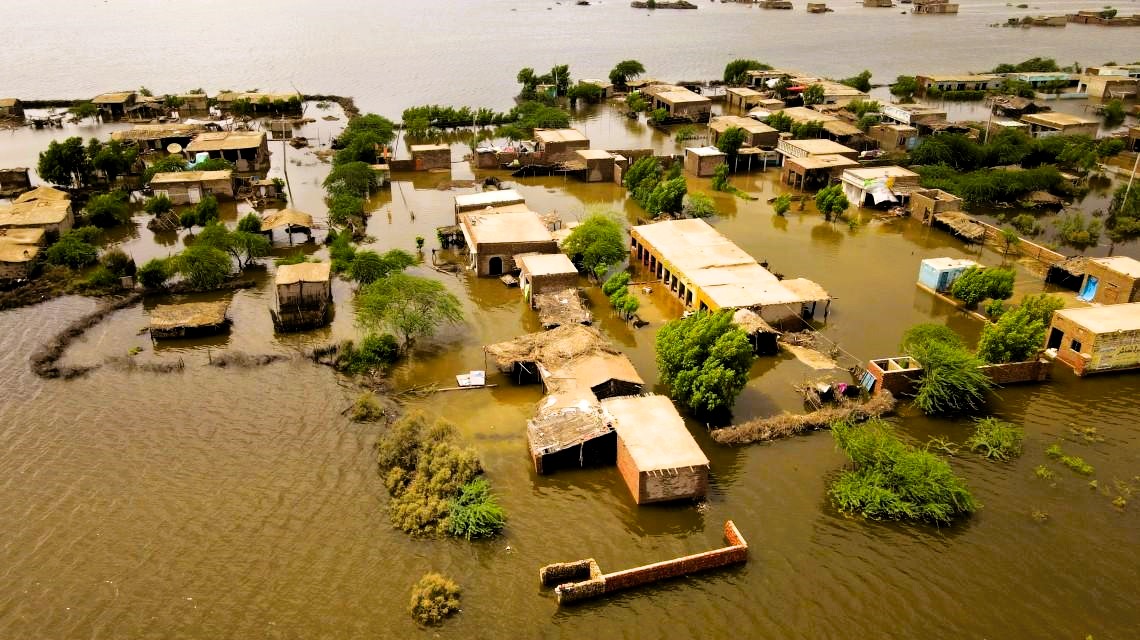
Pakistan and the wider South Asian region have important interests in the international climate process. The region faces multiple climate-related risks, including extreme heat, floods, drought, changing rainfall patterns, glacier-related hazards, coastal threats and pressure on water resources.
Agriculture is particularly exposed because farming depends on predictable water availability, suitable temperatures and stable seasonal conditions.
The 2022 floods in Pakistan demonstrated how a major disaster can affect homes, roads, schools, health services, crops and livelihoods across a large area.
However, climate vulnerability should not be confused with a claim that climate change alone caused every loss. Disaster impacts also depend on exposure, infrastructure, land use, poverty, preparedness and the quality of public institutions.
What should Pakistan seek from international climate cooperation?
Pakistan has several legitimate priorities.
Accessible adaptation finance: Funding for flood protection, water management, resilient infrastructure and disaster preparedness.
Agricultural resilience: Investment in efficient irrigation, climate information, improved seeds, soil conservation and research.
Early-warning systems: Better forecasting, public communication and emergency response capacity.
Technology transfer: Affordable renewable energy, storage, efficient cooling, climate monitoring and water-management technologies.
Loss and damage support: Fair and accessible arrangements for communities suffering severe climate-related losses.
Concessional finance: Financial terms that do not worsen already difficult debt and fiscal conditions.
But international support alone will not solve Pakistan’s problems. Domestic responsibilities are equally important. These include better urban planning, stronger building standards, improved drainage, protection of wetlands, water conservation, responsible land use, stronger local institutions and effective disaster management.
Climate vulnerability must not become an excuse for ignoring governance failures or poor development decisions. The most effective approach combines international cooperation with serious domestic reform.
What Remained Unresolved Before COP31?
By the time countries prepared to meet in Antalya, several major questions remained unsettled.
The fossil-fuel transition
COP28 established an important political reference by calling for a transition away from fossil fuels in energy systems.
But countries still disagreed over how quickly that transition should happen, how it should be financed, and how national circumstances and energy security should be considered. The world needed clearer pathways for turning broad language into practical national action.
The climate finance gap
The new finance goal agreed at COP29 and the wider Baku to Belém ambition had raised expectations.
But important questions remained about how finance would be mobilised, how much would come from public sources, how much would be provided as grants, and how vulnerable countries would access it.
Adaptation finance
Developing countries needed more predictable support for protecting communities, infrastructure, agriculture and water systems. The adoption of adaptation indicators at COP30 created a framework for tracking progress, but indicators alone could not build flood defences or protect vulnerable households.
Loss and damage
The creation of the Loss and Damage Fund was an important step, but the scale of support, funding arrangements and practical access remained central concerns.
National climate commitments
Countries needed to turn their climate plans into measurable policies and investments. The international process could encourage stronger commitments, but the responsibility for domestic implementation remained with national governments.
Trust between developed and developing countries
The climate process depends on cooperation. That cooperation becomes difficult when countries believe that responsibilities are unfairly distributed, financial commitments are inadequate or national development priorities are being ignored. Rebuilding trust required credible action from all sides.
The wider implementation challenge
The world did not need another collection of ambitious statements alone. It needed reliable finance, practical technology cooperation, stronger institutions, measurable progress and policies that ordinary people could afford.
These were among the central questions confronting the international climate process as countries approached COP31.
Conclusion: The World Has Agreements, But Does It Have the Will to Implement Them?
The history of COP is a story of both progress and frustration.
The UNFCCC created a global framework for cooperation. The Kyoto Protocol introduced binding targets for many developed countries. The Paris Agreement brought all countries into a shared system of climate commitments. Later conferences advanced adaptation, loss and damage, climate finance and the need to transition away from fossil fuels.
These achievements matter.
But agreements do not automatically reduce emissions, protect communities or deliver financial support. Their success depends on implementation, political will, investment and public accountability.
The fundamental challenge is to reconcile the need for urgent climate action with the realities of economic development, energy security, historical responsibility and social justice.
The world cannot expect vulnerable countries to carry the cost of a crisis they contributed relatively little to creating. Nor can it ignore the emissions of major economies simply because the historical distribution of responsibility is unequal.
Every country has a role, but not every country has the same capacity or responsibility.
The central question is no longer whether international cooperation is necessary. It is whether governments can turn their agreements into fair, measurable and practical action before the costs of delay become even greater.
The next article in this series examines COP31 in Antalya, the negotiations that took place there, the disagreements over fossil fuels and climate finance, and the reasons countries could not reach agreement on the Presidency-led political decision.
Frequently Asked Questions
- What does COP stand for in climate change?
COP stands for Conference of the Parties. It is the annual meeting of countries that have joined the United Nations Framework Convention on Climate Change. Governments use these meetings to negotiate climate agreements, review progress and discuss emissions reduction, adaptation and climate finance.
- Why was the first COP held in 1995?
The first COP was held in Berlin in 1995, following the adoption of the UNFCCC in 1992 and its entry into force in 1994. Governments needed a regular international forum to review the Convention and negotiate stronger responses to climate change.
- What is the difference between COP and the Paris Agreement?
COP is the international conference and decision-making process under the UN climate framework. The Paris Agreement is a legally binding international treaty adopted at COP21 in 2015. It establishes shared temperature goals and a framework for national climate commitments, transparency and periodic progress reviews.
- Is the Paris Agreement legally binding?
Yes. The Paris Agreement is a legally binding treaty. It requires countries to prepare, communicate and maintain national climate commitments and report on their progress. However, individual emissions targets are nationally determined, and the Agreement’s compliance mechanism is facilitative rather than punitive.
- What is climate finance, and why is it important?
Climate finance refers to funding that supports emissions reduction, adaptation and other climate-related action. It is particularly important for developing countries that face significant climate risks but have limited financial resources. The terms of finance also matter because grants and concessional loans can have very different consequences for national debt.
- Why do countries disagree at COP?
Countries have different historical emissions, economic resources, energy systems and development priorities. They disagree over how quickly fossil fuels should be replaced, who should pay for climate action, how much finance developing countries should receive and how responsibilities should be distributed. These competing interests make international agreement difficult.
References and Further Reading
- UNFCCC: History of the Convention
- UNFCCC: United Nations Framework Convention on Climate Change
- IPCC: Sixth Assessment Report, Synthesis Report
- IPCC: Headline Statements from the Sixth Assessment Report
- UNFCCC: Key Aspects of the Paris Agreement
- United Nations: COP26 and the Glasgow Climate Pact
- UNFCCC: COP27 Loss and Damage Fund Decision
- UNFCCC: COP28 Outcomes
- UNFCCC: COP29 Climate Finance Agreement
- UNFCCC: COP30 Decisions and Outcomes
- UNFCCC: Baku to Belém Roadmap to 1.3T
Author: Maj Hamed Mahmood (Retired), MA Political Science, LLB, PGD HRM