
War of Words of Confusion: How Washington, Tel Aviv, and Tehran Are Shaping the Iran Crisis Through Rhetoric
Introduction: War of Words of confusion in 2026 has evolved beyond mere political rhetoric into a sophisticated layer of Cognitive Warfare. While traditional conflict focuses on kinetic force, the modern “War of Words of confusion” utilises Generative AI narratives, algorithmic bias, and information asymmetry to destabilise institutional trust and shift geopolitical alliances. This investigative analysis explores how strategic communication now serves as a primary “non-kinetic” weapon, bridging the gap between classical military doctrine, such as Clausewitz’s “Centre of Gravity” and the decentralised digital battlefield of the late 2020s.
https://mrpo.pk/power-double-standards-and-the-crisis/
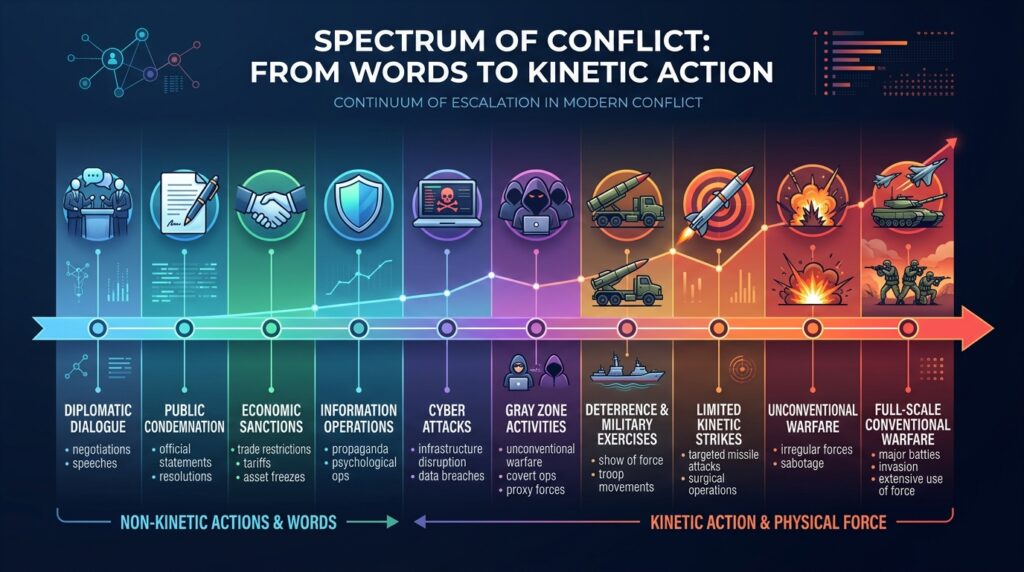
Long before missiles streak across the sky or troops mobilise, wars often begin with words. In the escalating confrontation involving the United States, Israel, and Iran, language has become a strategic instrument of statecraft. Every press conference, televised speech, and diplomatic statement carries meaning beyond its immediate audience.
In the War of Words of confusion, political rhetoric shapes perceptions, signals intent, and sets the stage for potential action. It can reassure allies, deter adversaries, and frame public understanding. Understanding this rhetorical battlefield is essential to grasping why tensions rise and why diplomacy is often constrained even before physical confrontations occur.
A War of Words of Confusion
Politics, propaganda and censorship during the Civil Wars.
The line ‘a lie can travel halfway around the world while the truth is still putting on its shoes’ seems more apt than ever before in today’s world of mass media. ‘Fake news’ has become a term used to describe the creation and spread of false information to deceive, for the purposes of causing harm or facilitating personal, political or financial gain. There is no clear definition of the term, although various types of information are included under this heading: fabricated, manipulated and misleading information, satire, parody and false context of connection; for example, when a headline of an article does not reflect the content.
https://www.historytoday.com/archive/feature/war-words
The Strategic Role of Rhetoric
Political language during international crises performs several crucial functions:
- Framing narratives: Governments use language to define threats, justify actions, and set the moral parameters of a conflict. Words like “existential threat,” “resistance,” or “defence of sovereignty” resonate with both domestic and international audiences.
- Deterring adversaries: Strong warnings and threats signal the potential consequences of aggression, aiming to influence decisions before confrontation occurs.
- Mobilising support: Carefully chosen rhetoric can rally public opinion and strengthen political legitimacy.
- Influencing international perception: Statements reach global audiences instantly, shaping the reactions of allies, partners, and neutrals alike.
In the Iran crisis, rhetoric has become a weapon parallel to military capability, with each side using it to assert dominance, legitimacy, and control over the narrative.
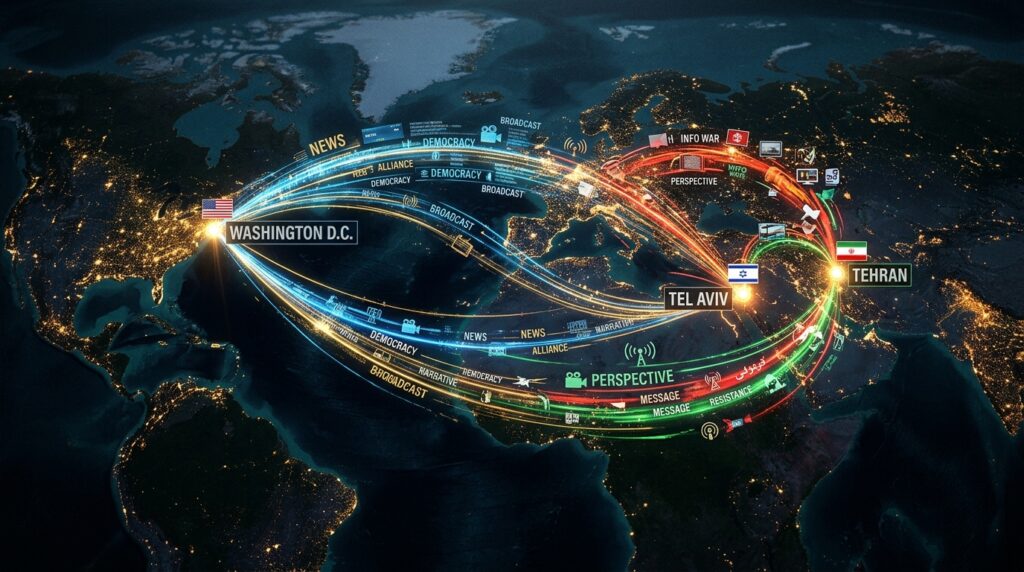
Washington’s Rhetoric: Security, Deterrence, and Pressure
U.S. messaging emphasises Iran as a destabilising regional actor whose nuclear ambitions and strategic alliances pose global risks. Former President Donald Trump made headlines in 2018 with a stark warning:
“If Iran threatens the United States again, they will suffer consequences the likes of which few throughout history have ever suffered.”
Former Secretary of State Mike Pompeo reinforced the narrative by repeatedly labelling Iran “the world’s leading state sponsor of terrorism.” Former Secretary of Defence Mark Esper highlighted U.S. preparedness to defend both national forces and regional allies.
The overarching strategy is clear: portray Iran as a strategic threat, justify preventive measures, and reassure partners that the United States acts to maintain international security.
Israel’s Messaging: Existential Threat and Urgency
Israeli leaders consistently frame Iran’s nuclear ambitions as an existential danger. Prime Minister Benjamin Netanyahu has repeatedly warned that global stability hinges on preventing Iran from acquiring nuclear weapons:
“Iran is the greatest threat to our world.”
Israeli cabinet members echo this urgency, emphasising Israel’s right to act independently if necessary. This narrative strengthens domestic unity, signals resolve to adversaries, and appeals to Western allies for support. The framing is urgent, direct, and designed to minimise hesitation in responding to perceived threats.
Tehran’s Counter-Narrative: Defiance and Sovereignty
Iranian leaders respond with a mixture of defiance and measured diplomacy. Supreme Leader Ali Khamenei has made it clear that Iran will resist external pressure:
“Iran will never surrender to pressure from the United States.”
Former President Hassan Rouhani warned about the catastrophic consequences of escalation:
“War with Iran would be the mother of all wars.”
At the same time, former Foreign Minister Mohammad Javad Zarif emphasises negotiation and international law as viable paths:
“Diplomacy and respect for international law remain the only path to lasting security.”
Tehran’s messaging blends domestic reassurance with international signalling, aiming to project strength while leaving the door open to diplomatic engagement.
Timeline of Key Statements Shaping the Rhetorical Landscape
- 2018 – Trump: Historic consequences for Iran if threatened.
- 2018 – Netanyahu: Iran is the greatest threat to global security.
- 2019 – Khamenei: Iran will never surrender.
- 2019 – Pompeo: Iran is a leading state sponsor of terrorism.
- 2020 – Rouhani: War would be the mother of all wars.
- Diplomatic phase : Zarif: Emphasis on law and negotiation.
- Israeli Defence Officials: Israel retains the right to act independently if threatened.
- U.S. Defence Officials: The U.S. will protect its interests and allies in the region.
- Iranian Officials: Any aggression against Iran will receive a decisive response.
- Controversial Recent Statement: A U.S. defence official suggested that governments influenced by religious prophetic ideology should not possess nuclear weapons, sparking widespread debate over ideological framing in nuclear governance.
Human Impact: How the Rhetorical Battle Reaches the West
In the War of Words of confusion, the consequences of these statements extend far beyond the Middle East:
- Economic Effects: Energy markets respond immediately to perceived instability in the Persian Gulf, influencing fuel and electricity prices across Europe and North America.
- Security Policy: NATO and EU debates on military readiness, sanctions, and defence spending are influenced by rising rhetoric.
- Public Anxiety: Media coverage amplifies fears about terrorism, regional conflict, and supply chain disruptions.
- Diplomatic Pressure: Hardline statements may strengthen domestic support but make compromise harder internationally.
In short, the “war of words” is not abstract. It affects global security, economic stability, and public perception in tangible ways.
The Global Information Battlefield
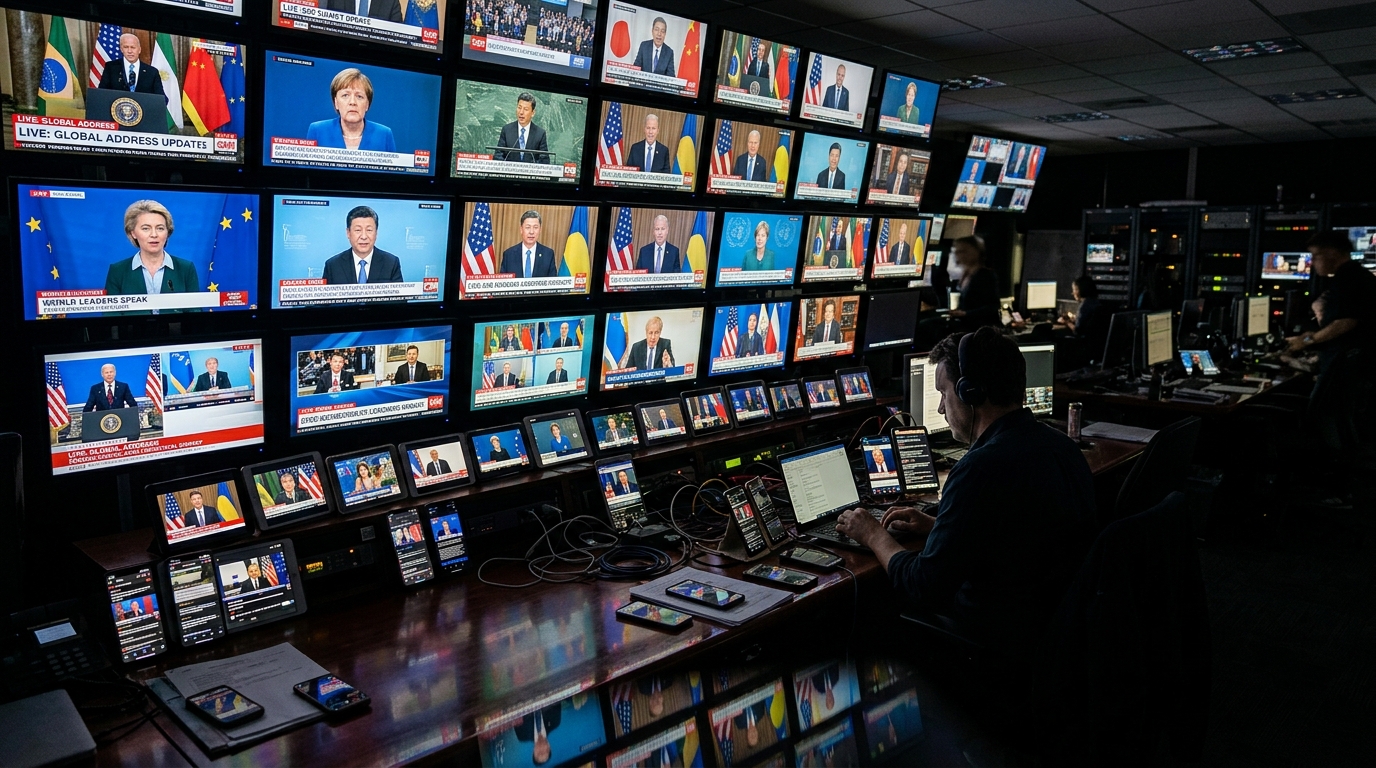
The rapid spread of speeches and media statements ensures that rhetoric becomes a strategic front. A single address in Tehran, Tel Aviv, or Washington reverberates across news channels, social networks, and policy briefings worldwide. Governments craft messaging not just for domestic audiences, but for global consumption. Every sentence can shape alliances, influence negotiations, and escalate, or de-escalate, tensions.
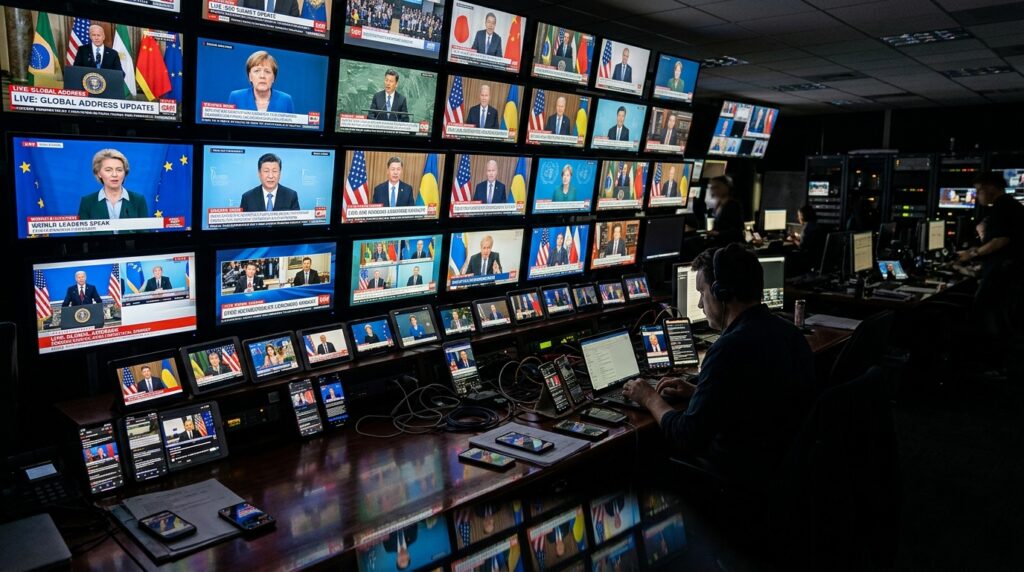
When Words Push the World Toward War
History demonstrates that the rhetoric preceding a conflict can be as consequential as military actions. Persistent framing of opponents as existential threats hardens public opinion, limits political flexibility, and narrows avenues for negotiation. In the current U.S.-Israel-Iran standoff, language is not merely a reflection of strategy; it is part of the strategy itself.
Before the first shot is fired, leaders communicate intention, resolve, and threat. In an interconnected world, those words echo globally in seconds, influencing the choices of governments, markets, and ordinary citizens alike.
Key Takeaways
- Words are a strategic weapon in modern international conflicts.
- Competing narratives from Washington, Tel Aviv, and Tehran shape global perception.
- Escalating rhetoric can make diplomatic compromise politically difficult.
- Media amplification spreads these narratives worldwide.
- Public, economic, and policy impacts in the West make these statements consequential beyond the region.
Controversial Statements Highlighting Global Debate
- Trump: “Consequences the likes of which few throughout history have ever suffered.”
- Netanyahu: “Iran is the greatest threat to our world.”
- Khamenei: “Iran will never surrender.”
- Rouhani: “War with Iran would be the mother of all wars.”
- Zarif: “Diplomacy and respect for international law remain the only path to lasting security.”
- U.S. Defence Official (Recent): Suggesting governments influenced by religious prophetic ideology should not possess nuclear weapons.
These statements demonstrate how rhetoric can inflame, reassure, and reshape the narrative around high-stakes conflicts.https://mrpo.pk/the-commanders-burden/
Author: Maj. Hamid Mahmood (Retd.), MA Political Science, LLB, PGD-HRM
Retired military officer and geopolitical analyst writing on international security, war studies, and global strategic affairs.
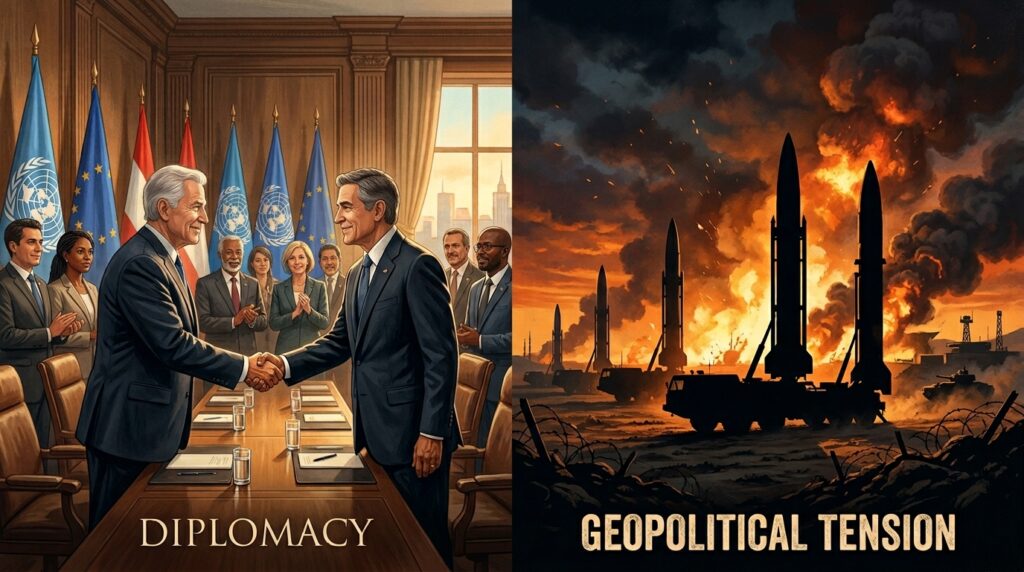
References
- Council on Foreign Relations
- Brookings Institution
- International Crisis Group
- Chatham House
- European Council on Foreign Relations
- Carnegie Endowment for International Peace