
The Importance of Apologising: How a Simple “Sorry” Can Heal Relationships Before It’s Too Late
Introduction: The Word Many People Wish They Had Said Sooner
The importance of apologising. Have you ever replayed a moment in your mind and wished you had said just one simple word… “Sorry”?
Not because you were completely wrong.
Not because you lost an argument.
But because deep inside, you knew silence was slowly costing you something valuable.
Many relationships don’t collapse because of big betrayals. They fade quietly, as colours left too long in the sun, slowly losing warmth because no one spoke the words that could have restored them.
https://mrpo.pk/avoid-regret-in-life/

A delayed apology can turn small misunderstandings into lasting distance. A sincere one, offered at the right time, can rescue relationships standing on fragile ground.
This article explores the importance of apologising, the role of ego in damaging relationships, and how learning to say sorry can rebuild trust, restore peace, and strengthen the bonds that matter most.
Emotional Benefits of Apology
- A person who has been harmed feels emotional healing when he is acknowledged by the wrongdoer.
- When we receive an apology, we no longer perceive the wrongdoer as a personal threat.
- Apology helps us to move past our anger and prevents us from being stuck in the past.
- Apology opens the door to forgiveness by allowing us to have empathy for the wrongdoer.
Apology Benefits the Receiver and the Giver
- The debilitating effects of the remorse and shame we may feel when we’ve hurt another person can eat away at us until we become emotionally and physically ill. By apologizing and taking responsibility for our actions we help rid ourselves of esteem-robbing self-reproach and guilt.
- Apology has the power to humble even the most arrogant. When we develop the courage to admit we are wrong and work past our resistance to apologizing, we develop a deep sense of self-respect.
- Apologizing helps us remain emotionally connected to our friends and loved ones. Knowing we have wronged someone may cause us to distance ourselves from the person, but once we have apologized we feel freer to be vulnerable and intimate.
- And there is another little-talked-about benefit: Since apologizing usually causes us to feel humiliated, it can also act as a deterrent, reminding us to not repeat the act.
Why Saying “Sorry” Feels So Difficult, Even When We Know We’re Wrong
At first glance, apologising sounds simple.
Just two words:
I’m sorry.
Yet for many people, those words feel heavy.
The Hidden Emotional Barriers to Apology
The Importance of Apologising. Still, people often avoid apologising because:
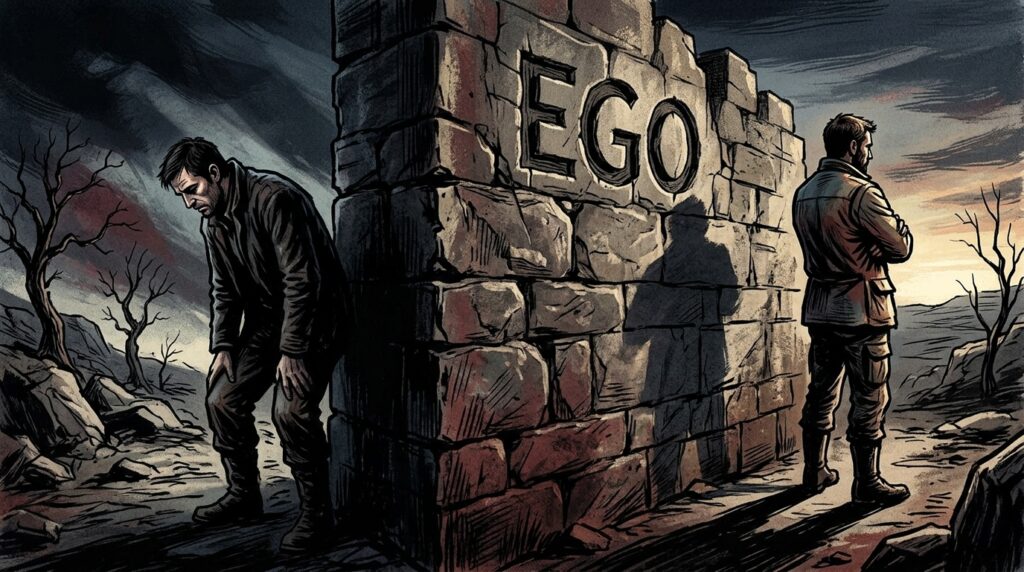
- They fear losing respect
- They believe apologising shows weakness
- They feel embarrassed admitting mistakes
- They fear rejection
- Their pride refuses to bend
But the truth is clear:
An apology does not diminish dignity; it strengthens it.
Respect grows when honesty replaces stubbornness.
The Silent Destroyer: How the Ego Breaks Relationships Without Warning
The ego rarely destroys relationships in dramatic explosions.
It works quietly, like cracks spreading beneath a smooth surface.
A Real-Life Example: The Friendship That Faded Over Silence
Ahmed and Bilal had been friends for years. They shared celebrations, meals, and secrets that no one else knew.
One afternoon, a small misunderstanding turned into an argument.
“You never listen,” Bilal said, frustration clear in his voice.
Ahmed replied sharply,
“And you always think you’re right.”
Neither apologised.
Days passed.
Ahmed picked up his phone many times, staring at Bilal’s name.
“Maybe I should message him,” he thought.
But pride kept his fingers still.
Weeks turned into months, and months turned into years.
Later in life, Ahmed admitted quietly:
“It wasn’t the argument that ended our friendship… it was the silence after it.”
Many relationships end not because of major mistakes, but because ego blocks the road back to understanding.
The Importance of Apologising: Why Saying Sorry Shows Courage
Some people believe apologising makes them look weak.
In reality, apologising requires courage.

It means:
- Accepting responsibility
- Facing uncomfortable truths
- Valuing relationships over pride
- Choosing peace over ego
A Real-Life Workplace Moment
During a team meeting, a manager blamed an employee for missing data.
“You should have checked this,” the manager said firmly.
The employee nodded quietly, though the mistake wasn’t his.
Later that day, the manager reviewed the files again and realised something important.
The instructions had not been clear.
Instead of ignoring the mistake, the manager called the team together.
“I made a mistake earlier,” he admitted.
“That wasn’t your fault. I’m sorry.”
For a moment, the room fell silent.
Then something shifted.
Trust grew stronger that day, not weaker.
Because leadership isn’t built by perfection.
It’s built on honesty.
What Makes an Apology Truly Sincere, Not Just Empty Words
Not every apology heals. Some sound correct, but feel hollow.
A sincere apology is more than words. It is honesty followed by action.
The Five Elements of a Genuine Apology: The Importance of Apologising
-
Admit the Mistake Clearly
Avoid vague statements.
Instead of:
“Sorry if you felt bad.”
Say:
“I’m sorry for what I said. It was wrong.”
Clarity builds trust.
-
Express Real Regret
People can feel sincerity.
A heartfelt apology includes genuine remorse, not forced politeness.
-
Avoid Excuses
Excuses weaken apologies.
Statements like:
- “I was tired”
- “You misunderstood me”
Shift blame instead of accepting responsibility.
Make Amends
Repair what you can.
That might mean:
- Fixing a mistake
- Offering help
- Taking responsibility
Show Change Through Actions
The strongest apology is changed behaviour.
Words begin healing. Actions complete it.
The Hidden Damage of Delayed Apologies: Why Timing Matters
Time can heal wounds.
But delayed apologies often deepen them.
A Real-Life Example: The Apology That Came Too Late
Two brothers argued after their parents passed away.
“You’re being unfair,” one said angrily.
“No, you are,” the other replied.
Neither apologised.
Years passed without contact.
Then one day, news arrived that one brother had fallen seriously ill.
The other rushed to the hospital, carrying years of regret.
Standing beside the bed, he whispered:
“I should have called earlier… I’m sorry.”
Sometimes silence feels safe in the moment.
But later, it becomes heavy with regret.
Forgiveness: The Other Half of Healing Broken Relationships
An apology opens the door.
Forgiveness allows healing to enter.
Forgiveness is not forgetting mistakes. It is choosing peace over pain.
When forgiveness follows apology:
- Emotional wounds begin to heal
- Trust slowly rebuilds
- Relationships gain new strength
Without forgiveness, an apology remains incomplete.
Real-Life Situations Where Apologies Can Save Relationships
Apologies matter most in ordinary moments.
Not grand events. Everyday interactions.

A Marriage Strengthened by Honest Words
A married couple often argued about responsibilities.
Each believed they were misunderstood.
One evening, after a tense argument, the husband paused and said quietly:
“I realise I haven’t been listening properly… I’m sorry.”
The room fell silent.
His wife looked surprised.
The problem didn’t disappear instantly, but something changed.
The conversation became calmer. More respectful.
Sometimes marriages are not saved by dramatic gestures — but by humble words spoken at the right time.
Practical Steps to Apologise the Right Way
If apologising feels difficult, follow this simple approach.
Step-by-Step Apology Framework
Step 1: Admit the Mistake
Acknowledge what happened honestly.
Step 2: Speak Clearly
Use simple and sincere words.
Step 3: Listen Carefully
Allow the other person to express feelings.
Step 4: Avoid Repeating the Mistake
Learn from the experience.
Step 5: Demonstrate Change
Show improvement through action.
These steps transform apology into healing.
The Long-Term Benefits of Learning to Apologise
Learning to apologise strengthens relationships over time.
Benefits Include:
- Stronger emotional bonds
- Increased respect
- Better communication
- Reduced stress
- Personal growth
- Emotional maturity
People who apologise sincerely often build deeper trust and stronger connections.
Teaching Children the Value of Apology: A Gift for Their Future
Children learn to apologise by watching adults.

Not lectures. Actions.
A Real-Life Parenting Moment
A young child accidentally broke a neighbour’s window while playing.
Instead of hiding the mistake, the parent gently said:
“We made a mistake. Let’s go and apologise.”
The child hesitated but followed.
Standing at the door, the child said quietly:
“I’m sorry… I broke your window.”
The neighbour smiled warmly.
“Thank you for telling me honestly,” he replied.
That child learned something powerful that day:
Mistakes don’t define character.
Responsibility does.
When Not Apologising Leads to Lifelong Regret
Silence can feel comfortable at first.
But regret often grows louder over time.
Many people carry memories of words never spoken, apologies never made, chances never taken.
A simple apology today can prevent years of emotional weight tomorrow.
A Moment to Reflect
Think about someone in your life you haven’t spoken to recently.
Was there a misunderstanding?
A harsh word?
A silence that stretched longer than expected?
Sometimes healing begins with a simple message:
“I’m sorry. Can we talk?”
Key Questions Answered
Why do people hesitate to apologise even when wrong?
People hesitate because pride and fear make an apology feel uncomfortable. They worry about losing respect or admitting weakness, even though a sincere apology often strengthens relationships.
How does the ego affect personal relationships?
The ego prevents open communication and delays reconciliation. It creates distance between people and allows small misunderstandings to grow into larger conflicts.
What makes an apology sincere?
A sincere apology includes:
- Clear acknowledgment
- Genuine regret
- No excuses
- Efforts to repair damage
- Behavioral change
When should someone apologise?
An apology should happen as soon as a mistake is recognised. Early apologies prevent misunderstandings from becoming long-term conflicts.
How can forgiveness heal emotional wounds?
Forgiveness releases emotional tension and reduces resentment. It allows people to move forward instead of staying trapped in past conflicts.
Why do small conflicts become big problems?
Small conflicts grow when ignored. Without apology and communication, misunderstandings increase and emotional distance widens.
FAQs Section
1. Why is apologising important in relationships?
Apologising builds trust, repairs emotional damage, and strengthens relationships by showing accountability and respect.
2. Does apologising make you weak?
No. Apologising shows emotional maturity and strength. It reflects confidence, not weakness.
3. How do you apologise sincerely?
Admit the mistake clearly, express regret honestly, avoid excuses, repair the damage, and demonstrate change.
4. What happens if you don’t apologise?
Unresolved conflicts grow into resentment, damaging relationships and increasing emotional stress.
5. How does ego affect apologies?
The ego prevents people from accepting responsibility and delays reconciliation.
6. Can apologising improve mental health?
Yes. Apologising reduces guilt, relieves stress, and promotes emotional peace.
References
- American Psychological Association — Communication and Apology Research
- Harvard Health Publishing — Emotional Intelligence and Relationships
- Greater Good Science Center, University of California — Science of Forgiveness
- Mayo Clinic — Conflict Resolution and Emotional Health
- Psychology Today — The Psychology of Apology and Ego