The Epstein Files Exposed: What’s Really in the Latest Releases, Redactions, and Why Trump Finally Let Them Out
Editor’s Preface
This article offers a straightforward, fact-checked summary of the Jeffrey Epstein files developments as of March 5, 2026. It draws solely from official sources (DOJ, congressional records) and reputable news outlets (AP, NBC, NYT, PBS, CNN). The focus remains on verified events, delayed releases, the 2025 Transparency Act signed by President Trump, partial 2026 disclosures, redactions, the bipartisan subpoena to AG Pam Bondi, and widespread AI deepfakes, without speculation. Victim privacy and justice are paramount. Readers are encouraged to review primary sources in the references. This piece reflects the latest known information; the situation continues to evolve.
The Epstein Files Exposed: What’s Really in the Latest Releases, Redactions, and Why Trump Finally Let Them Out. Imagine holding the key to one of the biggest scandals in modern history, millions of pages detailing Jeffrey Epstein’s dark world of power, money, and abuse. But what if half of it is blacked out, hidden, or still sitting offline? That’s the frustrating reality unfolding right now in 2026.
These files aren’t just old paperwork. They’re FBI and DOJ records from investigations into Epstein’s sex trafficking network, emails, flight logs, videos, photos, and witness statements that could name accomplices and reveal how he operated for so long. Yet, years after his 2019 death in jail, full transparency remains elusive.
In this informative article, we’ll break down the background, why the releases dragged on for so long, Trump’s surprising decision to sign the release law, the messy 2026 drops with heavy redactions, the fresh bipartisan subpoena to Attorney General Pam Bondi, and those viral videos everyone’s talking about. We’ll stick to verified facts from credible sources like congressional records, DOJ announcements, and major news outlets, no wild speculation.
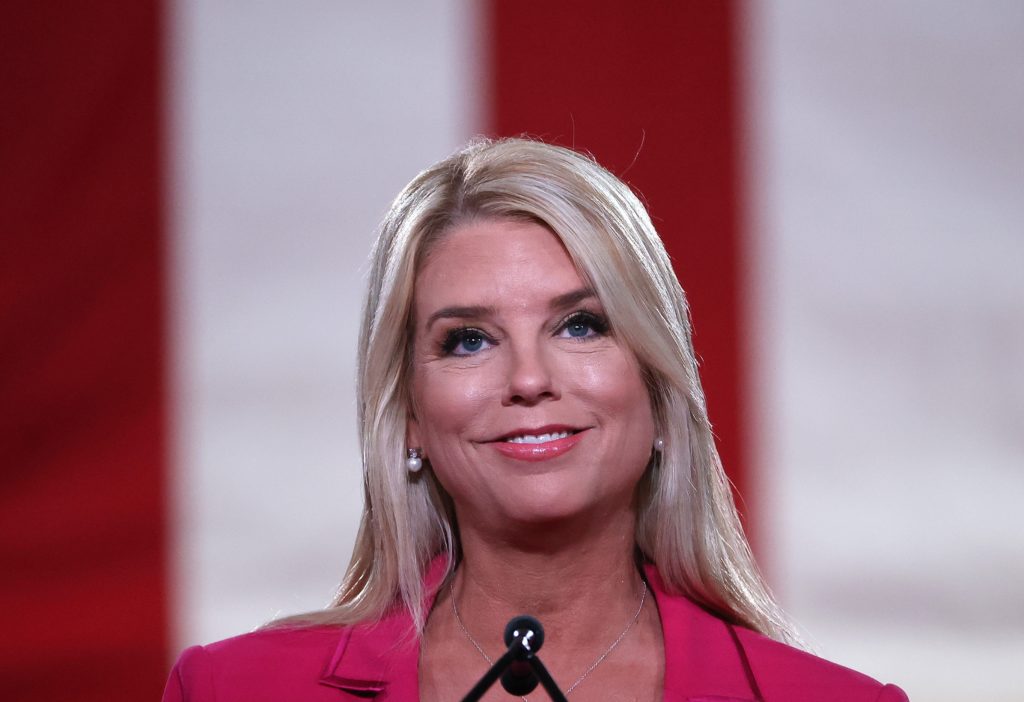
The House Oversight Committee (often just called the Oversight Committee) voted to subpoena Attorney General Pam Bondi on March 4, 2026. In fact, this is the biggest recent development in the Epstein files saga, and it absolutely could open up more insights if her testimony happens.
Quick Recap of What Happened
- The committee (Republican-led under Chairman James Comer) held a vote during a hearing.
- Rep. Nancy Mace (R-SC) introduced the motion to subpoena Bondi.
- It passed 24-19 with bipartisan support: All Democrats plus five Republicans (Nancy Mace, Lauren Boebert, Tim Burchett, Michael Cloud, and Scott Perry) voted yes.
- Chairman Comer opposed it, but the majority overrode that.
- This forces Bondi to testify—likely in a closed-door taped deposition (not a public hearing)—about the DOJ’s handling of the Epstein files, including:
- Why only ~3–3.5 million pages were released (out of an estimated 6–7 million total).
- Excessive or sloppy redactions.
- Withheld documents (e.g., alleged missing videos/audio from Epstein properties, tens of thousands of pages).
- Compliance with the 2025 Epstein Transparency Act.
- Any “cover-up” claims or delays.
This subpoena makes Bondi the highest-ranking sitting Trump administration official compelled to appear before the committee on this issue. She already testified before the House Judiciary Committee last month (February 2026), where she faced tough questions, but that was more general DOJ oversight—not this specific Epstein probe.
Donald Trump
The US president is mentioned thousands of times in the files released by the Department of Justice, including in emails and correspondence sent by Jeffrey Epstein himself to others.
The pair had a well-established relationship in the 1990s and early 2000s, and were pictured at various events and parties together in this time. Trump has said they had a falling out around 2004 – before Epstein was under investigation – and that their relationship ended.
The president has repeatedly said he had no knowledge of Epstein’s crimes.
One of the files released by the justice department, however, raised questions about what Trump knew and when. The file is a written record of an FBI interview with the former Palm Beach police chief, who alleges Trump called him in 2006 after the department launched an investigation into Epstein and said “everyone has known he’s been doing this” and “people in New York knew he was disgusting”.
The released documents also include a list compiled by the FBI last year of allegations made against Trump by callers to its national Threat Operation Center tip line.
The list includes numerous allegations of sexual abuse made against Trump, Epstein and other high-profile figures. Many of these appear to be based on unverified tips and often no supporting evidence is included.
The list of some of the world’s richest and most powerful people with ties to late sex offender Jeffrey Epstein has lengthened, after the US government released millions of new files from its investigation into the disgraced financier.
There is no suggestion that appearing in the documents implies any wrongdoing. Many people who have featured in previous releases have denied any wrongdoing in relation to Epstein.
Background: Who Was Jeffrey Epstein and Why Do These Files Matter?
Jeffrey Epstein was a wealthy financier and convicted sex offender who died by suicide in 2019 while awaiting trial on federal sex-trafficking charges. He ran a network that allegedly exploited underage girls, often at his properties like Little St. James Island or through connections on his private jet (dubbed the “Lolita Express”).
His associate Ghislaine Maxwell was convicted in 2021 for helping recruit victims. The files in question are massive—estimated at 6-7 million pages total, from federal probes. They include details on his associates, travel, and potential enablers.
Ever wonder how someone like Epstein mingled with presidents, billionaires, and royals for decades without real consequences? These documents could answer that, or at least show what investigators knew.
If the files hold the truth, why were they locked away for so long?
The Road to Release: Why Previous Governments Kept It Secret
Let’s be real, governments love their secrets. Under the Obama, first Trump (2017-2021), and Biden administrations, these files stayed mostly under wraps.
The main reasons? Legal hurdles like ongoing investigations (exemptions for active probes), privileges (deliberative process, attorney-client, work-product), and no strong mandate to go public. Some docs leaked through civil lawsuits (like Virginia Giuffre’s case against Maxwell) or FOIA requests, but the full DOJ/FBI holdings weren’t forced out.
Critics from both sides accused cover-ups to shield elites, but evidence points more to bureaucracy and caution to protect victims or avoid derailing cases. No comprehensive “client list” existed beyond what’s already known from court docs.
Picture this: Millions of pages gathering dust until public and political pressure finally boiled over.
Was it just red tape, or something shadier to protect the powerful?
Trump’s Big Flip: From Hesitation to Signing the Act
Trump initially downplayed or resisted full release during his 2024 campaign, calling Epstein talk a “hoax” or distraction. In mid-2024 interviews, he said he’d consider it but worried about “phoney stuff” harming innocent people.
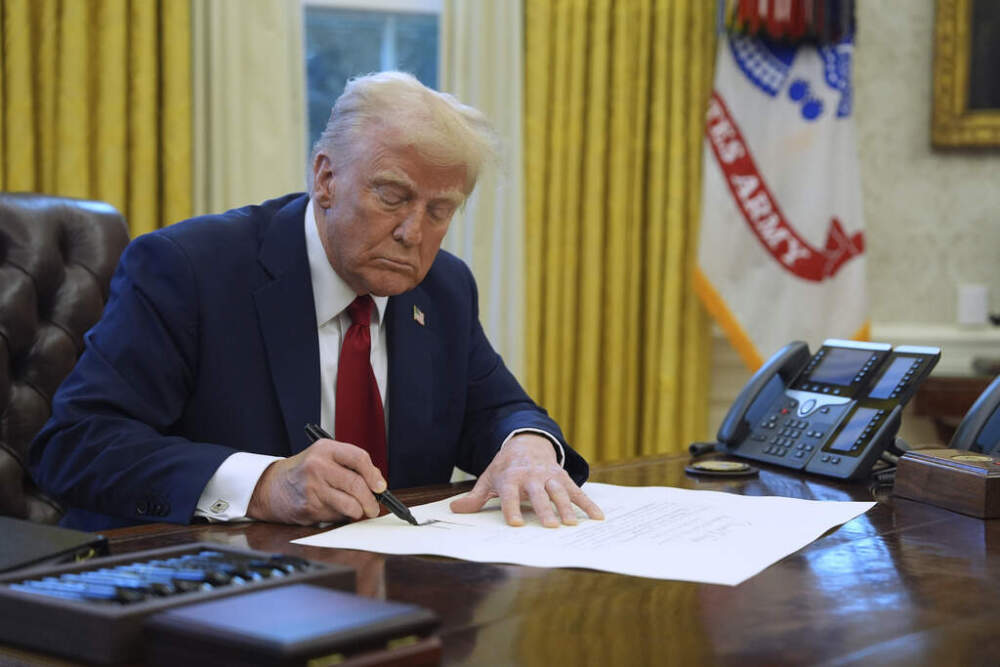
Then came the shift. Facing demands from his MAGA base (fueled by long-standing theories), plus GOP lawmakers like Reps. Nancy Mace and others pushed hard, and Trump reversed course. Congress passed the bipartisan **Epstein Files Transparency Act, requiring the DOJ to release most files with limited redactions (mainly for victim privacy and narrow security needs). Trump signed it on November 19, 2025, taking credit and blaming prior admins (especially Democrats) for delays.
He said the administration had “nothing to hide.” But was it overconfidence, political necessity to satisfy his base, or a way to control the narrative?
If Trump is clean, why do some released mentions of him face heavy scrutiny or withholding?
The Latest Releases: What’s Out, What’s Redacted, and the Subpoena Drama
The DOJ released batches starting late 2025, with a major drop of over 3 million pages in January 2026 (including 2,000+ videos and 180,000 images), bringing the total to about 3.5 million. Deputy AG Todd Blanche announced it as in compliance with the Act.
But here’s the rub: Roughly half the files (another ~3 million) remain withheld or “offline” for review. Reasons include duplicates, privileges (deliberative process, attorney-client), and privacy. DOJ says redactions protect victims, even treating some images as sensitive.
Critics say it’s overdone: Blacking out potential accomplices while under-protecting victims (some files pulled after complaints about exposed details). Tens of thousands of pages (including 47,635 offline as of early March 2026) are still held, with promises to repost soon.
This sparked bipartisan fury. On March 4, 2026, the House Oversight Committee voted 24-19 to subpoena AG Pam Bondi for a closed-door deposition. Rep. Nancy Mace led the motion; five Republicans (Mace, Boebert, Burchett, Cloud, Perry) joined Democrats, overriding Chairman James Comer’s opposition.
Bondi is now compelled to explain handling, redactions, withholdings, and Act compliance. She’s the highest-ranking Trump official subpoenaed here, potentially opening doors to more details or escalations like contempt if she resists.
Bipartisan fury: Even Republicans are calling foul. Why pull files after victim issues?
Are missing videos the smoking gun, or just a bureaucratic mess?
The Video Controversy: Real, Fake, or AI?
Viral clips showing Trump at Epstein “parties” with underage girls? Most are confirmed AI deepfakes or manipulations, flooding social media since 2025-2026 releases.
Fact-checks reveal glitches, watermarks (e.g., from Gemini or Seedance tools), and fabricated elements added to real old photos (like 1990s events at Mar-a-Lago or Victoria’s Secret parties). Authentic footage exists, e.g., a 1992 NBC video of Trump and Epstein at an adult party, but nothing verified shows illicit acts or minors in abuse scenarios.
Trump banned Epstein from Mar-a-Lago years ago and cooperated with some probes. These fakes spread fast, harming victims and muddying facts.
In an AI world, how do we trust what we see? Who’s behind the flood, and why time it with releases?
Consequences and What’s Next
Bondi’s upcoming testimony (date TBD) could force explanations, new releases, or more pressure. Non-compliance risks contempt referrals, though rare against a sitting AG. It might accelerate remaining files or highlight ongoing stonewalling.
Broader fallout: Erodes trust in DOJ, deepens political divides, and keeps victim justice in focus. Pressure from lawmakers (including more subpoenas for figures like Bill Gates) continues.
This isn’t over. Will we ever get the full, unredacted truth?
In this mess of redactions and rumours, one thing’s clear: Transparency only wins if we keep demanding it. Dig into sources, question claims, and stay informed. What if the biggest reveal is still coming?
Consequences and What’s Next
Bondi’s upcoming testimony (date TBD) could force explanations, new releases, or more pressure. Non-compliance risks contempt referrals, though rare against a sitting AG. It might accelerate remaining files or highlight ongoing stonewalling.
Broader fallout: Erodes trust in DOJ, deepens political divides, and keeps victim justice in focus. Pressure from lawmakers (including more subpoenas for figures like Bill Gates) continues.
This isn’t over. Will we ever get the full, unredacted truth?
In this mess of redactions and rumours, one thing’s clear: Transparency only wins if we keep demanding it. Dig into sources, question claims, and stay informed. What if the biggest reveal is still coming?
Frequently Asked Questions (FAQs)
Q1.What exactly are the “Epstein files”?
There are millions of pages of DOJ and FBI documents from federal investigations into Jeffrey Epstein’s sex trafficking activities, including flight logs, emails, videos, photos, and witness statements.
Q2. How many pages have been released so far? About 3–3.5 million pages have been made public in phases as of early 2026, but roughly half the total estimated holdings (another ~3 million) remain withheld or under review for redactions and privileges.
Q3. Why was Pam Bondi subpoenaed by the House Oversight Committee?
On March 4, 2026, in a 24-19 bipartisan vote, the committee compelled her to testify in a closed-door deposition about the DOJ’s handling of the files, including redactions, delays, and compliance with the 2025 Epstein Transparency Act.
Q4. Are there really videos showing Trump at Epstein’s illicit parties?
No credible evidence exists. Most viral clips are AI-generated deepfakes with detectable flaws. Real footage (e.g., from 1992 social events) shows no illicit activity or involvement with minors.
Q5. Why weren’t the files released under previous administrations?
Legal exemptions for ongoing probes, privileges, and the lack of a mandatory public release law delayed them. The 2025 Epstein Transparency Act (signed by Trump) created the requirement for disclosure with limited redactions.
Q6. What’s likely to happen next with the Epstein files?
Bondi’s testimony could lead to explanations, accelerated releases, or further scrutiny. If issues persist, more subpoenas or contempt proceedings are possible, though full unredacted disclosure remains uncertain due to privacy and privilege concerns.
https://mrpo.pk/jeffrey-epstein-shocking-story/
References
- U.S. Department of Justice announcements and releases (justice.gov)
- House Oversight Committee records and votes (oversight.house.gov)
- News coverage: NBC News, Associated Press, The New York Times, PBS NewsHour, CNN Politics
- Congressional legislation: Epstein Files Transparency Act (2025)
- Fact-checks on deepfakes: Various media outlets and AI detection resources
Sources include DOJ announcements, NBC, CBS, NYT, AP, PBS, and congressional records. For the latest, check official sites as events develop.