
The Cost of “Exquisite” Lies: How a Few Decisions Trigger Global Chaos, and Why You’re Paying the Price in 2026
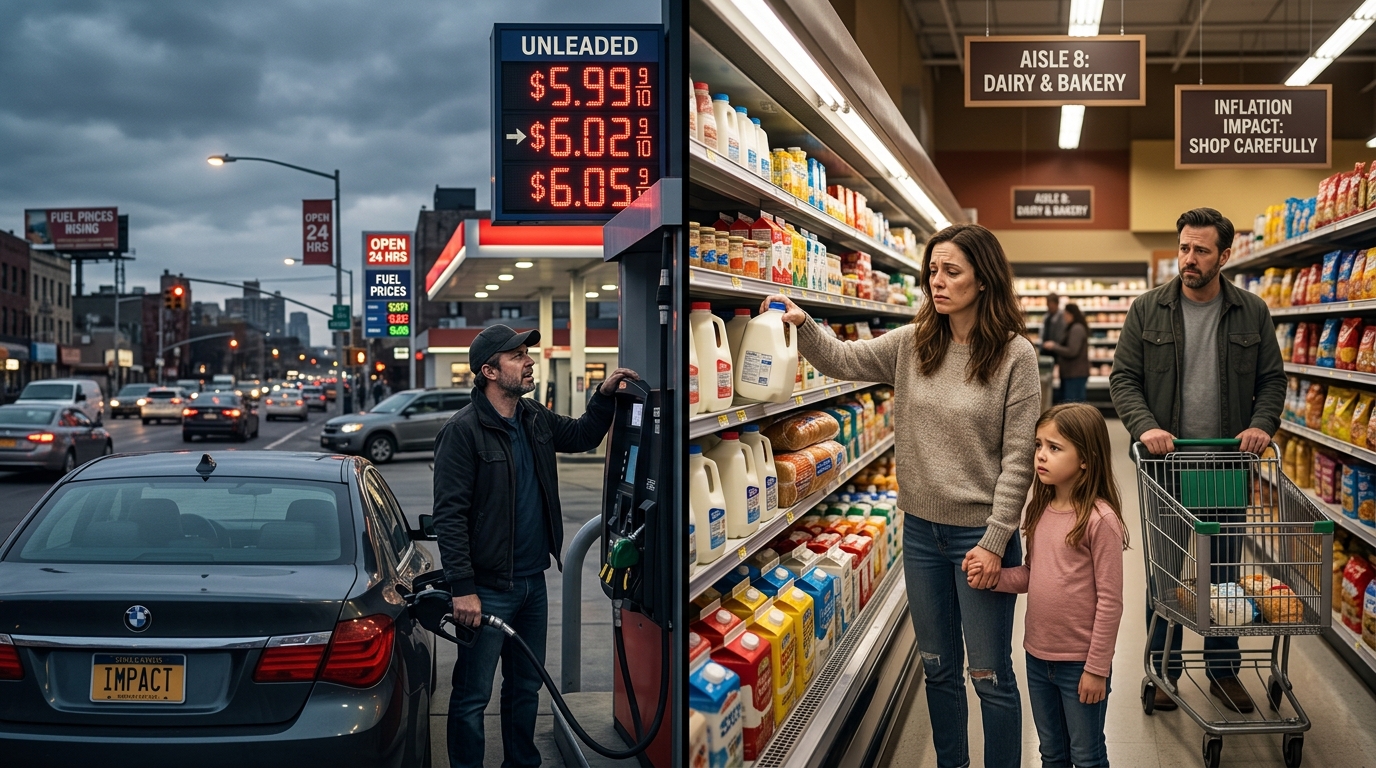
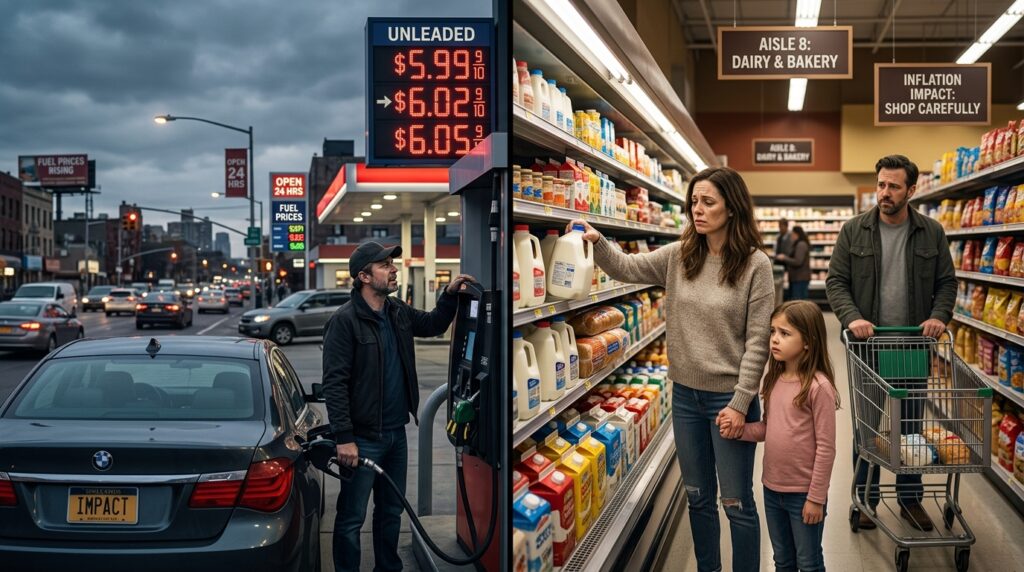
Picture this. The Cost of “Exquisite” Lies. A father in Manchester stands in a grocery aisle, quietly putting items back, milk, eggs, cooking oil, because the total has already crossed his limit.
A taxi driver in Karachi refreshes fuel prices before starting his shift, wondering if today’s earnings will even cover petrol.
A pensioner in Rome delays turning on the heater, choosing between warmth and savings.
None of them made foreign policy decisions.
Yet all of them are paying the price.
https://mrpo.pk/trumplization-its-money-stupid/
The world in 2026: ten issues that will shape the international agenda
2026 will be a year of global readjustment. Trumpism has marked the beginning of a new era in the instrumentalisation of economic and technological coercion.
The new year will test the ability to adapt in order to deal with the brutality in geopolitics: who comes out on top; who is capable of finding their place or even circumstances to impact on a seemingly chaotic order; who resists; and who feels overwhelmed, lacking the tools or leadership to cope with the changes.
In a world driven by transactionalism and interests, peace has become an asset with economic returns. The impunity of military interventionism is growing, as is the privatization of the benefits of a “crony diplomacy” that seeks to monetize peace processes.
In 2026, technological and military rearmament will intensify. But so will the sense of fatigue in the face of growing economic disparity and the disconnect between the priorities of the geopolitical agenda and the discontent of citizens.
https://www.cidob.org/en/publications/world-2026-ten-issues-will-shape-international-agenda
The Hidden Receipt Behind Every Price Hike
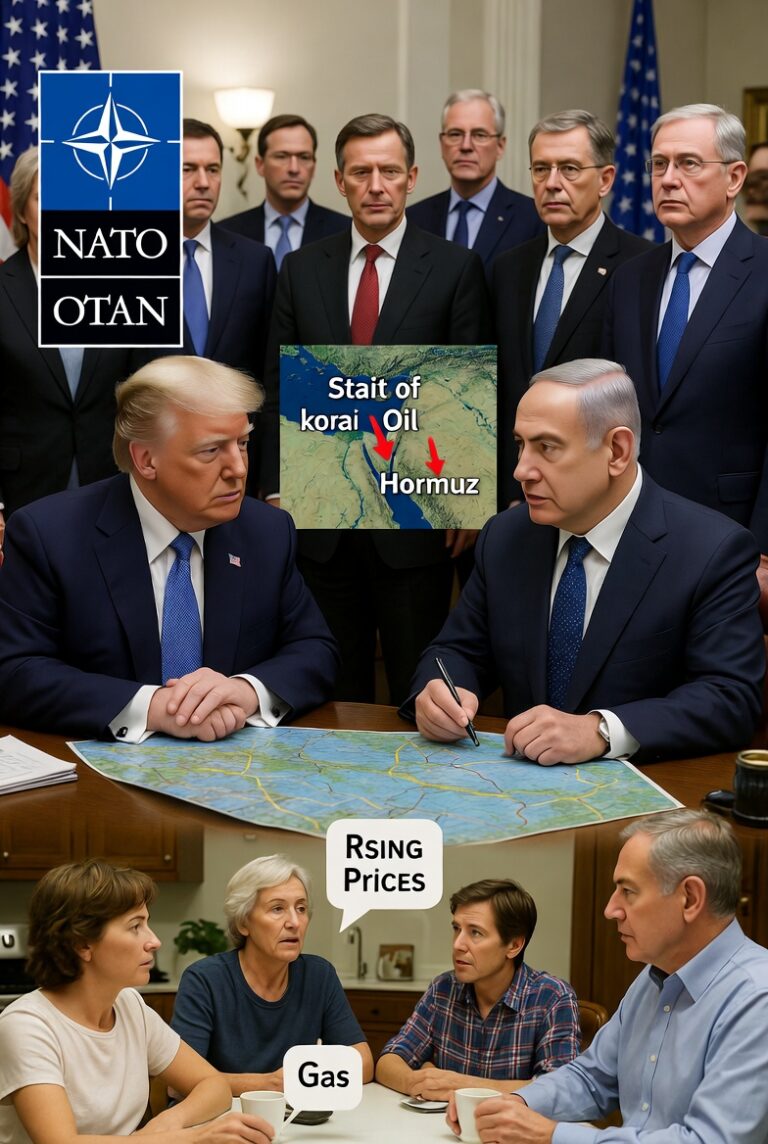
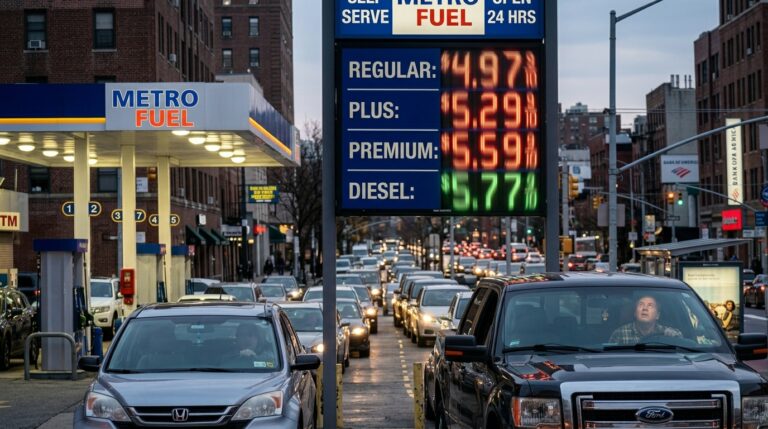
Every spike in fuel prices carries a deeper story. It reflects instability around the Strait of Hormuz, a narrow artery through which nearly 20% of global oil flows.
When tensions rise here:
- Oil markets panic
- Shipping insurance costs surge
- Supply chains tighten instantly
Within days, the impact spreads:
- Transport becomes expensive
- Food prices rise
- Inflation accelerates globally
This is not abstract economics. It’s a lived reality.
A Familiar Script: From Iraq to Iran
The pattern echoes the lead-up to the Iraq War, where urgency and intelligence claims shaped public consent.
Now, in 2026, similar narratives surround Iran:
- “Imminent threat”
- “Nuclear breakout window”
- “Preemptive necessity”
The issue is no longer just accuracy; it’s how quickly narratives translate into consequences that millions cannot escape.
The Real Battlefield: Our Wallet
Fuel: The First Domino
In cities like London and Los Angeles:
- Commuting costs rise
- Delivery prices increase
- Daily budgets shrink
For ordinary workers, this means tougher choices every single day.
The Crisis No One Sees Coming: From Fuel Shock to Food Shock
Here’s where the story deepens and becomes more dangerous.
Fuel crises don’t stay in fuel.
They move into food.
The Fertiliser Chain Reaction
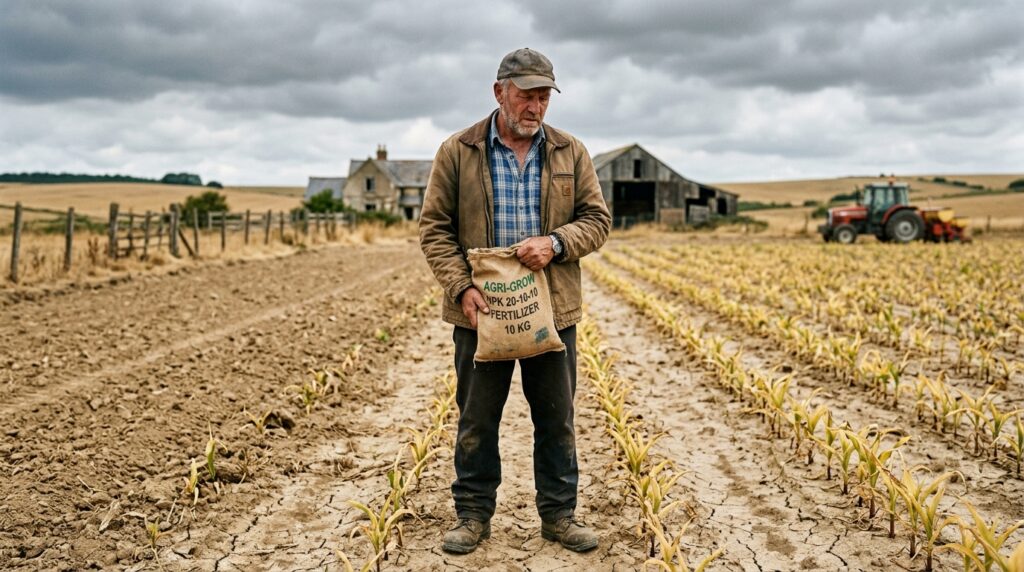
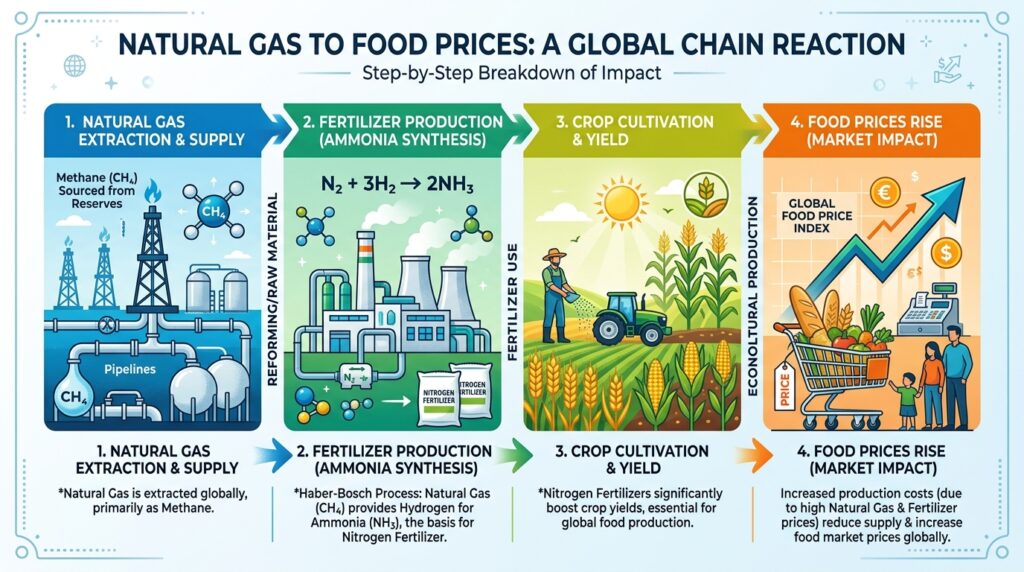
Fertiliser production depends heavily on natural gas. When energy markets are disrupted, the shock travels directly into agriculture.
- Natural gas prices rise → fertiliser production slows
- Supply drops → prices surge
- Farmers reduce usage → crop yields decline
This is the silent beginning of a global food crisis.
Who Controls the World’s Fertiliser Supply?
Global fertiliser production is concentrated in a few key players:
Countries That Feed the World
- China: the largest producer of nitrogen and phosphate
- Russia: major exporter of nitrogen and potash
- Belarus: key potash supplier
- Canada: world’s largest potash producer
- United States: major nitrogen producer
- Morocco: controls most global phosphate reserves
The Corporate Backbone
- Nutrien
- Yara International
- CF Industries
- The Mosaic Company
- OCP Group
Why This Matters
This is not a diversified system—it’s a bottleneck.
Any disruption in:
- Russia exports
- Energy supply affecting Yara International
- Phosphate flow from Morocco
…can trigger global shortages within months.
Real Lives, Real Consequences
A wheat farmer in Punjab says:
“I used less fertiliser this year. I already know the yield will drop.”
In Iowa, farmers face the same dilemma.
In Sub-Saharan Africa:
- Fertiliser is becoming unaffordable
- Some fields remain unplanted
This is how a geopolitical shock becomes a food crisis.
The Delayed Explosion: The Cost of “Exquisite” Lies
Unlike fuel prices, food crises arrive late, but hit harder.
What happens now:
- Reduced fertilizer use
What happens later:
- Smaller harvests
- Supply shortages
- Sharp food inflation
By the time it reaches your plate, it feels sudden—but it was building all along.
The Double Burden
Families now face:
- Higher fuel costs
- Rising food prices
- Lower purchasing power
In cities like Cairo and Dhaka, this can quickly turn into food insecurity.
The Dangerous Math of War
Modern conflicts are economically asymmetric:
- Millions spent on defence systems
- Thousands spent on offensive drones
This imbalance creates:
- Unsustainable spending
- Long-term taxpayer burden
- Endless cycles of escalation
When a Few Decisions Disrupt Millions
At its core, this crisis is about scale.
A handful of decisions can trigger:
- Fuel shortages
- Fertilizer crises
- Food inflation
- Economic stress worldwide
One policy → global ripple → everyday hardship
Shifting Alliances
Countries like Saudi Arabia, the United Arab Emirates, and Qatar are recalibrating their strategies.
Some are diversifying toward China and Russia, seeking stability over uncertainty.
The Bigger Truth: It’s About Trust
Beyond economics, the more serious damage is:
- Loss of trust in leadership
- Loss of confidence in institutions
- Growing public frustration
Final Word: The Cost You Can’t Avoid
The true cost of conflict is not just:
- Missiles
- Fuel
- Energy bills
It is:
- The empty field
- The reduced harvest
- The shrinking plate
“The world doesn’t run out of food overnight; it first runs short of fertiliser.”
Frequently Asked Questions (FAQs)
1. Why are fuel prices rising globally in 2026?
Fuel prices are rising due to geopolitical tensions near critical supply routes like the Strait of Hormuz. Any disruption there reduces oil supply, increases shipping costs, and triggers immediate price spikes worldwide.
2. How does the US-Iran war affect everyday people?
Even if the war is regional, its impact is global. It leads to higher fuel costs, increased transportation expenses, rising food prices, and overall inflation, affecting households from Karachi to London.
3. What is the connection between energy prices and food shortages?
Fertiliser production depends heavily on natural gas. When energy prices rise, fertiliser becomes expensive or scarce, leading to lower crop yields and eventually higher food prices across the world.
4. Which countries control the global fertiliser supply?
Major fertiliser producers include China, Russia, Belarus, Canada, and Morocco. Disruptions in any of these regions can impact global food production.
5. Why are food prices expected to rise further?
Reduced fertiliser use today leads to smaller harvests in the future. This delayed effect means food shortages and price increases may worsen months after the initial energy crisis begins.
6. Can geopolitical decisions really affect global inflation?
Yes. Decisions made by a few policymakers can disrupt energy supply chains, fertiliser production, and trade routes. These disruptions cascade into higher costs for fuel, food, and basic goods, affecting millions worldwide.
References
- Food and Agriculture Organization – Global fertilizer and food security data
- International Energy Agency – Energy market and natural gas dependency
- World Bank – Commodity price outlook reports
- Chatham House – Gulf geopolitical analysis
- International Fertilizer Association – Fertilizer production statistics