
Sunflower Seeds: Nutrition, Health Benefits, Uses, and Safety Guide
Introduction
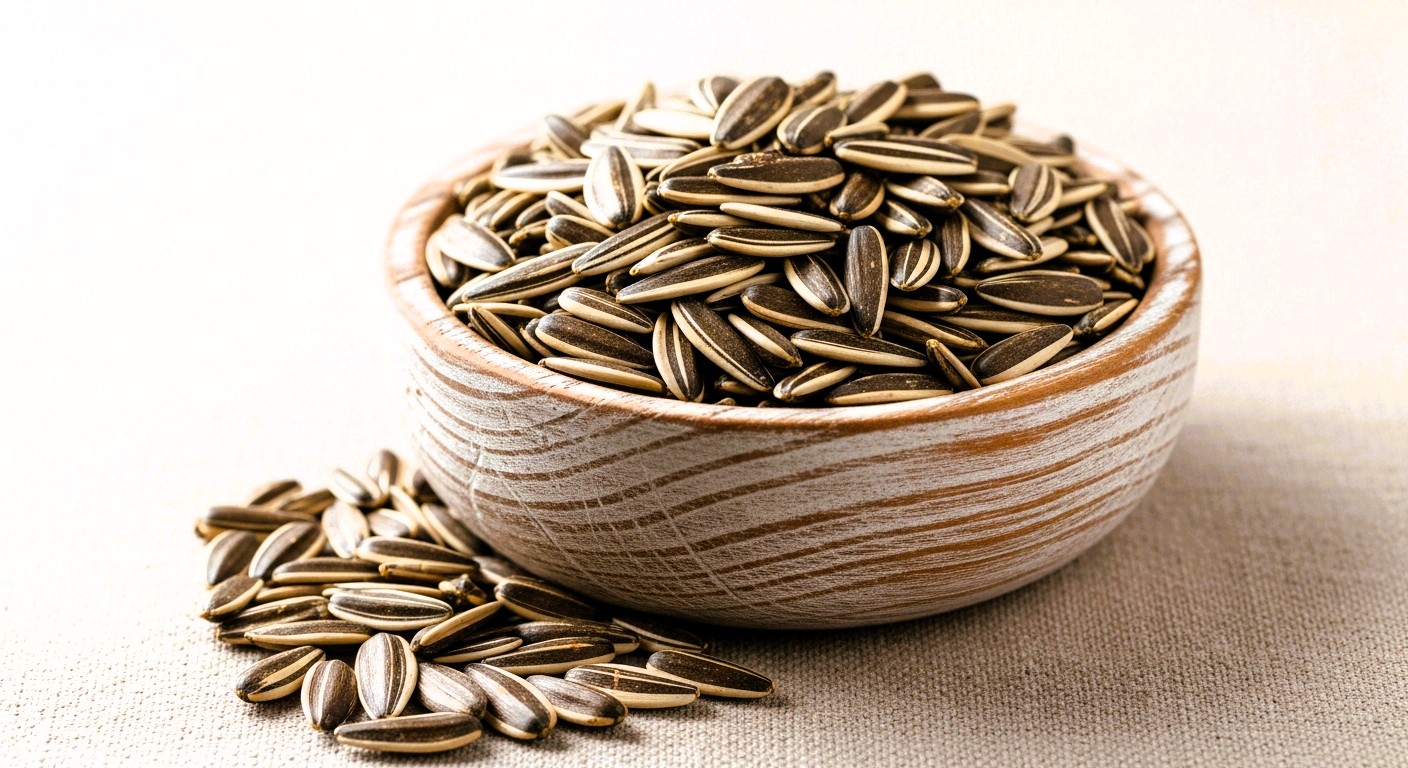
Sunflower seeds are widely consumed for their nutritional value and health benefits. They are the edible seeds of the sunflower plant and are commonly eaten as a snack or added to meals. These seeds provide essential vitamins, minerals, healthy fats, and antioxidants that support overall health when consumed in moderation.

What Are Sunflower Seeds
Sunflower seeds are harvested from the large flower head of the sunflower plant. Each flower can produce hundreds of seeds. The seeds are usually sold either in their shells or shelled, which are also known as kernels.
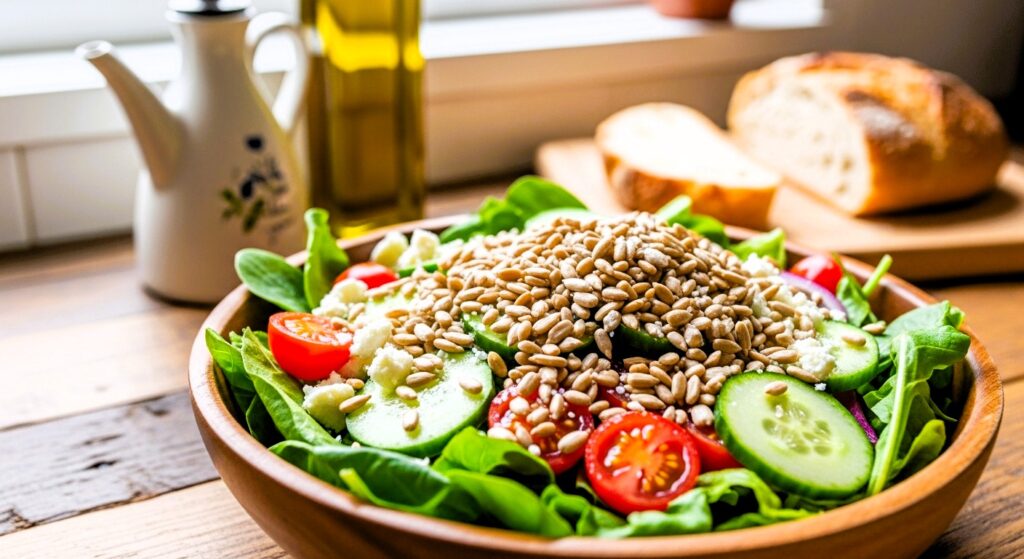
They are consumed raw, roasted, salted, or unsalted and are commonly used in breads, cereals, salads, and trail mixes. Sunflower seeds are also pressed to produce sunflower oil.
Health Benefits
Studies link the consumption of sunflower seeds to a number of health benefits, including lowering your risk of developing diseases like high blood pressure or heart disease. They also contain nutrients that can support your immune system and boost your energy levels.
Nutritional Profile
The seeds are energy-dense but highly nutritious. A small serving provides a wide range of essential nutrients.
Key Nutrients
- Vitamin E
- Healthy unsaturated fats
- Protein
- Magnesium
- Selenium
- Phosphorus
- Fiber
Vitamin E is one of the most notable nutrients in sunflower seeds and plays a key role in protecting cells from oxidative damage.
Health Benefits
Rich Source of Vitamin E
The seeds are among the best natural sources of vitamin E. Vitamin E acts as a powerful antioxidant that helps protect cells from damage caused by free radicals. It also supports immune function and skin health.
Regular intake of vitamin E-rich foods may help reduce inflammation and support long-term health.
Supports Heart Health
The healthy fats found in seeds help maintain healthy cholesterol levels. These fats, along with magnesium and antioxidants, support normal blood pressure and cardiovascular function.
When eaten instead of highly processed snacks, seeds can be part of a heart-healthy diet.
Supports Immune Function
Seeds contain nutrients such as vitamin E, selenium, and zinc that support immune system activity. These nutrients help immune cells function properly and protect the body against oxidative stress.
May Support Blood Sugar Balance
These seeds contain fibre, protein, and healthy fats that slow digestion and reduce blood sugar spikes. Including sunflower seeds in meals may help maintain steady energy levels.
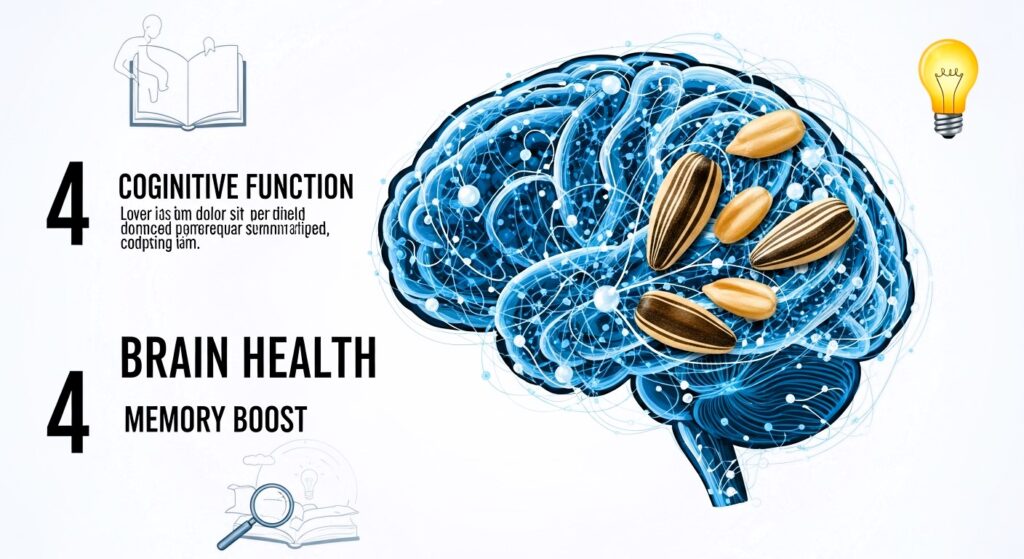
Supports Brain and Nervous System Health
Magnesium and healthy fats in seeds support nerve function and brain health. Adequate magnesium intake is associated with better mood regulation and reduced muscle tension.
Skin and Hair Health
Vitamin E and healthy fats help maintain skin hydration and elasticity. These nutrients also support scalp health and hair strength when sunflower seeds are part of a balanced diet.
How to Eat
Raw Seeds
Raw seeds retain their natural nutrients. They can be added to smoothies, yoghurt, or salads.
Roasted Seeds
Roasting enhances flavour and texture. Light roasting without excessive salt is preferred for better health benefits.
Sunflower Seed Butter
Sunflower seed butter is a spread made from ground sunflower seeds. It is a good alternative for people with peanut allergies.
Sunflower Oil
Sunflower oil is commonly used for cooking. Cold-pressed versions retain more nutrients but should be used carefully due to high-calorie content.
How Many Seeds Should You Eat
A recommended serving size is about one to two tablespoons per day. This amount provides nutritional benefits without excessive calorie intake.
Salted seeds should be limited to avoid high sodium intake.
Potential Side Effects and Precautions
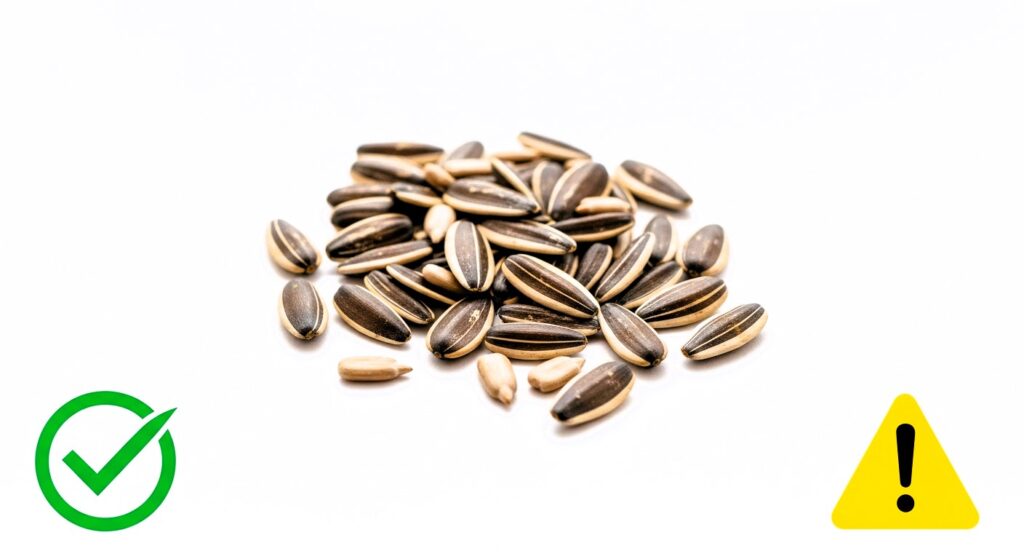
Seeds are safe for most people, but some precautions include:
- High-calorie content when consumed in large amounts
- Salted varieties may increase sodium intake
- Possible allergic reactions in sensitive individuals
- Excess intake may cause digestive discomfort
People with nut or seed allergies should introduce these seeds cautiously.
Sunflower Seeds Compared to Other Seeds
- Higher vitamin E than pumpkin and sesame seeds
- Lower calcium than sesame seeds
- Moderate protein compared to other seeds
Each seed has unique strengths, and sunflower seeds are especially valuable for antioxidant support.
FAQs
1. Are sunflower seeds healthy to eat daily?
Yes. Moderate daily consumption can provide essential nutrients.
2. Are these seeds good for the heart/
Yes. Their healthy fats and magnesium support cardiovascular health.
3. Can seeds help skin health?
Yes. Vitamin E supports skin protection and hydration.
4. Are sunflower seeds good for weight management?
They are filling but calorie-dense, so portion control is important.
5. Can children eat seeds?
Yes. Shelled seeds are safer for younger children.
6. Is sunflower seed butter healthy?
Yes. It provides healthy fats and protein, but should be consumed in moderation.
This post contains affiliate links, which means I earn a commission if you purchase through these links. This comes at no additional cost to you and helps support the content I create. I only promote products/services I believe in and use myself. Your support is greatly appreciated!
Disclaimer: The content in this article is intended for informational and educational purposes only. It provides insights, tips, and general guidance on health, beauty, and wellness, but it is not a substitute for professional medical advice, diagnosis, or treatment.
Always consult a qualified healthcare professional for personal medical concerns. For more information about our approach to health and wellness content, please read our Health & Wellness Disclaimer.
References
- Healthline: Sunflower Seeds Nutrition and Benefits
https://www.healthline.com/nutrition/sunflower-seeds - WebMD: Health Benefits of Sunflower Seeds
https://www.webmd.com/diet/health-benefits-sunflower-seeds - National Institutes of Health: Vitamin E Fact Sheet
https://ods.od.nih.gov - Harvard Health: Healthy Fats and Heart Health
https://www.health.harvard.edu
Suggested Internal Links for MRPO
- Pumpkin Seeds: Nutrition and Health Benefits
- Sesame Seeds: Benefits and Uses
- Black Seeds: https://mrpo.pk/black-seeds/
- Immune Boosting Foods