Revitalise Your Ramadan 2026: Healthy Iftar Ideas Beyond Fried Foods
Written By: Hamid Mahmood
Revitalise Your Ramadan 2026, since Ramadan is a sacred time for spiritual growth, self-reflection, and deep connection with loved ones. However, the tradition of breaking the fast often centres around heavy, deep-fried appetisers that can leave you feeling sluggish rather than energised.
If you want to maintain your vitality from Suhoor to Iftar, it’s time to look beyond the pakora tray. By embracing Sunnah foods and nutrient-dense alternatives, you can nourish your body and soul without sacrificing the flavours you love.
Ditch the heavy oils and revitalise your fast! Explore how to transition from traditional fried snacks to nutrient-dense Sunnah foods like squash and dates. This guide offers a curated selection of heart-healthy Iftar recipes, from Grilled Tikka Samosas to refreshing Chana Chaat, and expert tips to keep you hydrated and energised throughout the Holy Month.

Ramadan isn’t just about fasting—it’s a time for coming together, reflecting, and, let’s be honest, sharing some really good food. But too often, Iftar and Suhoor end up loaded with heavy, oily dishes that just make you tired and parched. If you’re ready to feel energized instead of weighed down, this is your ultimate “guide to a flavorful Ramadan 2026”. Stick with healthy non-fried Iftar ideas, and you’ll get all those classic flavors you crave—just without the sluggish aftermath. It’s all about enjoying the tradition while treating your body right.
https://stillsheglows.com/healthy-non-fried-iftar-ideas-your-guide-to-a-flavorful-ramadan-2026/
Revitalise Your Ramadan 2026: Why Prioritise Nutrition During Ramadan?
After 14+ hours of fasting, your body is depleted. Breaking your fast (Iftar) isn’t just about satisfying hunger; it’s about restoring hydration ، safely replenishing glucose levels, and Revitalise Your Ramadan 2026
A balanced meal rich in proteins, complex carbohydrates, and healthy fats ensures:
-
Sustained Energy: Avoiding the “sugar crash” after eating.
-
Better Digestion: High-fibre foods prevent the common bloating associated with fried foods.
-
Spiritual Focus: When your body feels light and fueled, you have more stamina for Taraweeh and evening prayers.
7-Day Healthy Suhoor Meal Plan
To ensure you stay fueled for the 14+ hours of fasting, this plan focuses on Complex Carbohydrates (for slow-release energy) and High Protein (for satiety).
| Day | Suhoor Menu | Nutritional Benefit |
| Mon | Date & Almond Smoothie: 3 dates, 10 soaked almonds, 1 banana, and almond milk. | Instant energy boost + healthy fats for brain health. |
| Tue | Savoury Steel-Cut Oats: Topped with a poached egg, sautéed spinach, and a dash of black seed oil. | High fibre to prevent midday hunger and stable blood sugar. |
| Wed | Greek Yoghurt Parfait: Layers of yoghurt, walnuts, chia seeds, and pomegranate seeds. | Probiotics for digestion and hydration from the fruit. |
| Thu | Whole-Wheat Peanut Butter Toast: Two slices with sliced bananas and a drizzle of honey. | Potassium to prevent muscle cramps and protein for stamina. |
| Fri | Classic Talbina (Barley Porridge): Cooked in milk with honey and chopped dried figs. | A Sunnah food known to soothe the stomach and provide long-lasting fuel. |
| Sat | Avocado & Egg Mash: On sourdough or whole-grain rye bread with red pepper flakes. | Healthy fats to keep you feeling full until Maghrib. |
| Sun | Quinoa Breakfast Bowl: Cooked quinoa with warm milk, cinnamon, and a handful of mixed seeds. | A complete protein source containing all essential amino acids. |
Pro-Tips for Suhoor Success:
-
The “Slow-Release” Secret: Always include a source of fibre (oats, whole grains) to slow down the digestion of your meal, ensuring energy lasts longer into the afternoon.

Date and Almond smoothie on a Suhoor -
Avoid Salt: High-sodium foods (like sausages or salty cheeses) at Suhoor will pull water from your cells and leave you incredibly thirsty by noon.
-
The Water Window: Drink at least 2-3 glasses of water during Suhoor, but sip them slowly rather than chugging, which can lead to bloating.
Revitalise Your Ramadan 2026:Top Sunnah Foods to Include
Following the traditions of the Prophet (saw) provides both spiritual rewards and biological benefits.
-
Dates: The ultimate “superfood” to break a fast. They provide an immediate burst of natural sugar and fibre.
-
Squash: Known to be a favourite of the Prophet Muhammad رسول اللہ صلی اللہ علیہ وسلم, it is easy on the stomach and highly hydrating.
-
Barley & Oats: Excellent for Suhoor to provide slow-releasing energy.
Healthy Alternatives to Traditional Fried Favourites
You don’t have to give up your favorite flavors. Small shifts in cooking methods make a massive difference in caloric density and heart health.
1. Air-Fried or Oven-Baked Vegetable Pakoras
Traditional pakoras are oil sponges. This version uses a thicker batter to stay crisp in the oven.
-
Prep time: 15 mins | Cook time: 15 mins
Ingredients
-
Vegetables: 1 large onion (thinly sliced), 1 potato (julienned), ½ cup chopped spinach.
-
Batter: 1 cup Gram flour (Besan), ½ tsp carom seeds (Ajwain), 1 tsp cumin, ½ tsp turmeric, and a pinch of baking soda (helps with fluffiness).
-
Liquid: Water (added sparingly).
Instructions
-
Mix: Combine vegetables and dry spices. Gradually add water until the batter is thick and coats the vegetables heavily (it should not be runny).
-
Arrange: Line a baking tray with parchment paper. Drop spoonfuls of the mixture onto the tray.
-
Bake: Bake at 200°C (400°F) for 15–18 minutes. For an extra crunch, spray with a tiny bit of oil halfway through.
2. Baked Chicken Tikka Samosas (The “No-Fry” Alternative)

These provide the classic crunch without the heavy oil saturation of deep-frying.
-
Prep time: 40 mins | Cook time: 20 mins | Yields: 12-15 Samosas
Ingredients
-
Filling: 1 lb chicken breast (finely minced), 1 tbsp ginger-garlic paste, 1 tsp garam masala, 1 tsp red chili powder, ½ cup yoghurt, and chopped cilantro.
-
Pastry: Store-bought spring roll sheets or filo pastry (easier for baking) OR the dough recipe from the previous post.
-
The “Crunch” Secret: 2 tbsp melted ghee or olive oil (for brushing).
Instructions
-
Sauté the Filling: In a pan, cook the minced chicken with ginger-garlic paste and spices until the water evaporates, and the chicken is fully cooked. Stir in the yoghurt and cook until the mixture is dry. Let it cool completely.
-
Fold: Place a tablespoon of filling at the corner of your pastry strip and fold into triangles.
-
The Bake: Preheat your oven to 200°C (400°F).
-
Coating: Lightly brush each samosa with olive oil or ghee. This is crucial for the golden colour.
-
Cook: Bake for 15–20 minutes, turning halfway through, until crispy and golden brown.
3. Grilled Chicken Shawarma Platter

A lean, high-protein meal that avoids the heavy carbs of traditional paratha rolls.
Ingredients
-
Chicken: 500g chicken breast, cut into thin strips.
-
Marinade: 3 tbsp Greek yoghurt, 1 tbsp lemon juice, 1 tsp paprika, ½ tsp cinnamon, 1 tsp garlic powder, and 1 tbsp olive oil.
Instructions
-
Marinate: Let the chicken sit in the marinade for at least 2 hours (or overnight).
-
Grill: Use a grill pan or outdoor grill. Cook the strips on high heat for 3–4 minutes per side until charred and juicy.
-
Serve: Skip the heavy white bread. Serve over a bed of Quinoa or with a side of whole-wheat pita and a cucumber-yoghurt dip (Raita).
4. Zesty Chana Chaat (Protein Powerhouse)
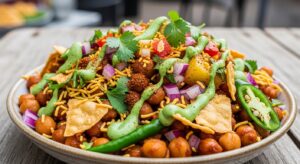
This is a refreshing, oil-free dish that helps with digestion.
Ingredients
-
2 cups boiled chickpeas (Kabuli Chana).
-
1 medium onion and 1 tomato (finely diced).
-
1 boiled potato (cubed).
-
The Dressing: 2 tbsp Tamarind (Imli) pulp, 1 tsp Chaat Masala, ½ tsp roasted cumin powder, and juice of 1 lime.
Instructions
-
Combine: In a large bowl, mix the chickpeas, potatoes, onions, and tomatoes.
-
Season: Pour over the tamarind pulp and lime juice. Sprinkle the chaat masala and cumin.
-
Garnish: Top with plenty of fresh mint and cilantro. Serve chilled for maximum refreshment.
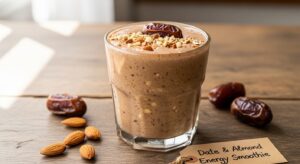
5. Date & Almond “Energy” Smoothie (The Ultimate Suhoor)
Perfect for those who find it hard to eat heavy meals before dawn.
Ingredients
-
5-7 Pitched Dates (preferably Medjool).
-
10 Almonds (soaked overnight and peeled).
-
1 frozen banana (for creaminess).
-
1 cup Milk (Dairy, Almond, or Oat).
-
A pinch of Cinnamon.
Instructions
-
Blend: Place all ingredients into a high-speed blender.
-
Consistency: Add more milk if you prefer it thinner, or a tablespoon of oats for extra thickness and fibre.
-
Serve: Drink immediately. This provides a mix of natural sugars, healthy fats, and fibre to sustain you for hours.
Featured Healthy Iftar Recipes
Sheet-Pan Roasted Salmon & Mediterranean Vegetables

-
Prep time: 15 mins | Cook time: 15–20 mins | Total time: 35 mins
-
Servings: 4
Ingredients
-
The Protein: 4 Salmon fillets (approx. 6 oz each), skin-on or off, based on preference.
-
The Vegetables:
-
2 cups Broccoli florets
-
1 Red bell pepper, sliced into strips
-
1 Zucchini, sliced into half-moons
-
1 cup Cherry tomatoes
-
-
The Marinade/Dressing:
-
3 tbsp Extra virgin olive oil
-
3 cloves of garlic, minced
-
1 tsp Dried oregano or Thyme
-
Juice of ½ Lemon (plus extra wedges for serving)
-
½ tsp Sea salt
-
¼ tsp Black pepper
-
Optional: A pinch of Red chili flakes for a gentle kick.
-
Instructions
1. Prep the Oven and Sheet Pan
Preheat your oven to 200°C (400°F). Line a large baking sheet with parchment paper or a silicone mat. This prevents sticking and makes cleaning up before evening prayers a breeze.
2. Season the Vegetables
Place the broccoli, bell pepper, zucchini, and cherry tomatoes in a large bowl. Drizzle with 2 tablespoons of the olive oil and half of the garlic, salt, pepper, and oregano. Toss well to ensure every vegetable is lightly coated.
3. Arrange on the Pan
Spread the vegetables out in a single layer on the baking sheet. Leave four “spaces” or “nests” among the veggies for the salmon fillets.
4. Season the Salmon
Pat the salmon fillets dry with a paper towel (this helps them roast rather than steam). Place them in the reserved spots on the pan. In a small bowl, mix the remaining olive oil, garlic, and lemon juice. Brush this mixture generously over the top of each fillet.
5. The Roast
Place the tray in the centre rack of the oven.
-
For “Medium” Salmon: Roast for 12–15 minutes.
-
For “Well Done” Salmon: Roast for 18–20 minutes. The vegetables should be tender-crisp and the tomatoes should just be starting to burst.
6. Final Touch
Remove from the oven and immediately squeeze fresh lemon juice over the entire tray. The steam will carry the lemon aroma into the fish and veggies.
Tips for Success
-
Even Cutting: Ensure your vegetable pieces are relatively similar in size so they cook at the same rate.
-
Don’t Overcrowd: Use two trays if necessary. If the pan is too crowded, the vegetables will release moisture and “steam” rather than “roast,” losing that delicious charred edge.
-
Sunnah Twist: Serve this alongside a small portion of barley (Talbina) or brown rice to add complex carbohydrates for sustained energy.
-
The Benefit: High in Omega-3 fatty acids to support brain health during long fasts.
-
How-To: Arrange salmon fillets with broccoli, zucchini, and bell peppers on a baking sheet. Drizzle with olive oil, garlic, and lemon. Bake at 400°F (200°C) for 15–20 minutes.
Refreshing Lentil Soup

-
The Benefit: Hydrating and rich in iron.
-
How-To: Sauté onions, carrots, and celery. Add red lentils and vegetable broth. Simmer until soft (about 20 mins) and serve with a squeeze of fresh lemon to aid iron absorption.
Essential Tips for a Balanced Ramadan: Revitalise Your Ramadan 2026
-
Hydrate in Stages: Don’t chug water at Iftar. Drink small amounts between Iftar and Suhoor to stay hydrated.
-
The 2:1:1 Rule: Fill half your plate with vegetables, one quarter with lean protein, and one quarter with complex carbs (like brown rice or quinoa).
-
Suhoor is Vital: Never skip the pre-dawn meal. A Date and Almond Smoothie or Oatmeal with Nuts provides the fibre needed to prevent hunger pangs by midday.
Frequently Asked Questions (FAQs)
1. Why should I avoid fried foods at Iftar?
Fried foods are high in trans fats and sodium, which can cause extreme thirst the next day and lead to indigestion and lethargy immediately after eating.
2. What is the best drink to break my fast with?
Water or coconut water are best. Avoid sugary sodas or “Ramadan juices” with high corn syrup content, as they cause a rapid insulin spike.
3. How can I make my Pakoras healthier?
Try making “Baked Pakoras” by thickening the besan (gram flour) batter and placing small dollops on parchment paper in the oven or air fryer.
4. Which complex carbs are best for Suhoor?
Steel-cut oats, quinoa, barley (Talbina), and whole-wheat bread are excellent because they take longer to break down, keeping you full for hours.
5. How many dates should I eat?
Following the Sunnah, eating an odd number (1, 3, or 5) is traditional. Nutritionally, 2–3 dates are sufficient to restore blood sugar levels.
6. Is it okay to exercise during Ramadan?
Yes, but timing is key. Light exercise (walking or stretching) is best 30–60 minutes before Iftar or two hours after your meal.
References & Authority
-
Prophetic Medicine (Tibb-an-Nabawi) regarding Sunnah Foods.
-
Nutrition Guidelines for Ramadan (World Health Organization).
-
The Historical Significance of Dates in Ramadan (MRPO).