Proven Health Practices and Natural Remedies to Boost Energy, Focus, and Cognitive Health: Unlock Your Best Self
Proven Health Practices and Natural Remedies to Boost Energy, Focus, and Cognitive Health. In today’s fast-paced world, feeling energised, focused, and mentally sharp can sometimes seem like a luxury reserved for superheroes. But the truth is, unlocking your best self is within reach—no cape required. Through proven health practices and natural remedies, you can boost your energy, enhance your focus, and support cognitive health, even if your schedule is packed and your to-do list never ends.
https://mrpo.pk/natural-remedies-for-high-blood-pressure/
This comprehensive guide walks you through simple yet effective habits and supplements that can transform your daily well-being. Whether you’re juggling work, family, or the golden years, these insights and tips will help you thrive.

For centuries across countries, people have turned to traditional healers, home remedies and ancient medicinal knowledge to address their health and well-being needs. According to the WHO Global Report on Traditional and Complementary Medicine (2019), various systems of traditional medicine being used around the world include acupuncture, herbal medicines, indigenous traditional medicine, homoeopathy, traditional Chinese medicine, naturopathy, chiropractic, osteopathy, ayurvedic and Unani medicine. And one hundred and seventy WHO Member States have reported on the use of traditional medicine by their populations.
Proven Health Practices for Busy Lives: Small Changes, Big Impact
Busy lives often mean health takes a backseat. But you don’t need hours at the gym or a strict diet to feel better. Instead, focus on these practical, science-backed habits that fit seamlessly into your routine.
1. Prioritize Sleep Like It’s the Season Finale of Your Favorite Show
Remember pulling all-nighters in school, thinking you were invincible? Yeah, your body remembers too—and it’s still holding a grudge. Quality sleep isn’t just for grannies; it’s the secret sauce for energy, mood, and even your immune system. Aim for 7-9 hours. Think of it as charging your internal battery—because nobody likes a phone (or a person) stuck at 10%.
2. Move Your Body—No Lycra Required

You don’t have to run marathons or become a CrossFit meme. Regular movement—walking the dog, dancing in the kitchen, or even stretching during Netflix—boosts your heart health and keeps your joints from sounding like popcorn. The best exercise? The one you’ll actually do (and maybe even enjoy). These “exercise snacks” add up and keep your body energised.
3. Eat Real Food (Most of the Time)

Let’s be honest: nobody’s perfect. But swapping out some processed snacks for whole foods—think fruits, veggies, nuts, and lean proteins—can do wonders for your energy and focus. If it grew from the ground or had a mother, you’re probably on the right track. Bonus: your taste buds will adapt, and you might even crave an apple over a doughnut. (Okay, maybe not always.)
4. Stay Hydrated—Because You’re Not a Cactus

Water is the unsung hero of health. It helps with everything from digestion to skin glow. Keep a water bottle handy and sip throughout the day. If plain water bores you, jazz it up with a slice of lemon or a few berries. Your body (and your brain) will thank you. Water fuels every cell. Dehydration causes fatigue and brain fog.
5. Manage Stress Like a Zen Master (Or at Least Try)
Stress is sneaky—it creeps in during traffic jams and awkward family dinners. But chronic stress can mess with your mind and body. Try deep breathing, meditation, or just laughing at cat videos. Find what works for you and make it a daily ritual. Remember: even superheroes need a break. Stress is a silent energy drainer. Incorporate mindfulness techniques such as deep breathing, meditation, or even laughing at a silly video. These small pauses reset your nervous system and sharpen focus.
6. Foster Social Connections—Texting Counts (Sort Of)
Humans are social creatures (even the introverts). Regular connection with friends, family, or your favourite barista can boost your mood and help you live longer. Don’t underestimate the power of a good chat or a shared meme.
Human connection is vital. A quick chat, shared laughter, or a supportive friend can uplift your mood and energy. Even brief social interactions help reduce stress and improve resilience.

7. Practice Mindful Eating Savour, Don’t Scarf
Ever finished a bag of chips and wondered where they went? Mindful eating means paying attention to your food, tasting, smelling, and actually enjoying it. Not only does this help with digestion, but it also keeps you from eating like a contestant on a game show. Slow down and savour your meals.
8. Get Outside—Nature Is the Best Therapist
Sunlight boosts vitamin D, fresh air clears your mind, and the sound of birds is oddly soothing. Even a quick walk around the block can reset your mood. Plus, you might spot a squirrel doing something hilarious. That’s a win-win. Sunlight and fresh air are natural mood elevators.
9. Keep Learning—Your Brain Loves a Challenge

Whether it’s picking up a new hobby, reading a book, or finally learning to play the ukulele. Challenge your brain with new skills or hobbies. Whether it’s learning a language, playing an instrument, or reading, mental stimulation supports long-term cognitive health.
10. Practice Gratitude—Count Your Wins, Big and Small
It’s easy to focus on what’s going wrong, but taking a moment to appreciate the good stuff can shift your whole perspective. Try jotting down three things you’re grateful for each day. Spoiler alert: it works, even if one of those things is “found matching socks.”Daily gratitude shifts your mindset from scarcity to abundance.
Bonus Section: How to Make Healthy Habits Stick
Let’s be real—change is hard. But you don’t have to do it all at once. Start small, celebrate progress, and don’t beat yourself up for the occasional slip. Remember, even superheroes have origin stories (and sometimes questionable costume choices).
Frequently Asked Questions
Q: Do I have to do all ten practices at once?
A: Not at all. Pick one or two to start, and build from there. Progress, not perfection.
Q: What if I mess up?
A: Welcome to the club! Just dust yourself off and try again.
Your Best Self Is Waiting
Unlocking your best self isn’t about radical change—it’s about stacking up small, proven health practices that add up over time. Think of it as building a playlist of greatest hits for your well-being. So, what’s your first step? Your future self is already cheering you on.
Natural Remedies to Boost Energy Levels
Sometimes lifestyle tweaks aren’t enough, and natural remedies can provide an extra lift. These options are gentle, effective, and backed by research.
Hydration and Nutrition First
Before supplements, ensure you’re well-hydrated and eating balanced meals regularly. Low blood sugar and dehydration are common causes of fatigue.
Adaptogenic Herbs: Nature’s Stress Busters
Adaptogens like ginseng, ashwagandha, and rhodiola rosea help your body manage stress and restore energy balance. Unlike caffeine, they don’t cause a crash but support sustained vitality.
-
Ginseng is renowned for reducing fatigue and improving mental clarity.
-
Ashwagandha calms the nervous system and enhances focus.
-
Rhodiola combats mental exhaustion and improves endurance.
Aromatherapy

Scents like peppermint and cinnamon can stimulate alertness. A few drops of peppermint oil on your wrists or a sniff from a diffuser can be a quick pick-me-up.
Magnesium and Vitamin B12

Magnesium-rich foods (nuts, leafy greens) support energy production. Vitamin B12 is crucial for brain function, especially in older adults or those with dietary restrictions.
Fresh Vegetable Juices
Juicing vegetables provides concentrated nutrients that can boost energy quickly. Avoid sugary store-bought juices; homemade is best.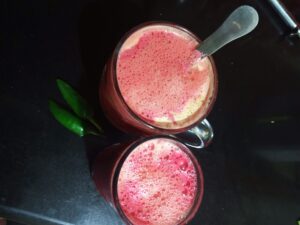
Natural Supplements to Enhance Focus
When your brain feels foggy, certain natural supplements can help sharpen attention and mental stamina.
Ginseng
Studies show ginseng improves alertness and cognitive performance by stimulating brain function and reducing fatigue. It’s a favourite among those needing sustained mental energy.
Ashwagandha
This adaptogen reduces stress and supports memory and concentration, making it easier to stay on task.
Bacopa Monnieri
Known for enhancing memory and learning, Bacopa helps form new neural connections, improving working memory and recall.
Rhodiola Rosea
Rhodiola boosts cerebral metabolism and reduces mental fatigue, supporting sharper focus during demanding tasks.
L-Theanine (with Caffeine)

Found in green tea, L-theanine promotes relaxation without drowsiness and, when combined with caffeine, improves focus while reducing jitters.
Sage
Sage supplements increase acetylcholine, a neurotransmitter important for memory and attention.
Omega-3 Fatty Acids
While not a direct focus booster, omega-3s support overall brain health and may prevent cognitive decline.
Ginseng Dosage and Safety Guidelines

Ginseng is one of the most studied adaptogens, but proper dosing is key to maximize benefits and minimize side effects.
-
Typical dosage: 200–400 mg of standardised extract daily, or 0.5 to 3 grams of dried root powder.
-
Duration: Short-term use up to 3–6 months is generally safe.
-
Side effects: Mild insomnia, headaches, digestive upset; rare serious reactions include hypertension or allergic responses.
-
Precautions: Avoid during pregnancy, breastfeeding, and in children. Consult a healthcare provider if you have chronic conditions or take medications.
Affiliate Disclosure:
This post may contain affiliate links, which means we may earn a small commission if you purchase through those links, at no extra cost to you. We only recommend products and supplements that we trust and believe will add value to our readers. Thank you for supporting our work!
Ginseng Dosage for Elderly Users
Older adults may benefit from lower starting doses due to increased sensitivity.
-
Recommended dose: Start at 100–200 mg daily of standardised extract, increasing cautiously to 200–400 mg if tolerated.
-
Duration: Use for up to 3 months, with breaks recommended.
-
Monitor: Watch for side effects and interactions with medications, especially blood thinners and diabetes drugs.
Effects of Ginseng on Elderly Cognitive Health
Emerging research highlights ginseng’s potential to support brain health in ageing populations:
-
Long-term ginseng use (5+ years) correlates with better cognitive scores and reduced incidence of mild cognitive impairment and Alzheimer’s dementia.
-
Ginseng improves delayed episodic memory, crucial for daily functioning.
-
Benefits are stronger in those without the APOE4 gene, a known Alzheimer’s risk factor.
-
Active compounds in ginseng reduce neuroinflammation and support neurotransmitter function.
-
Ginseng may enhance the effects of conventional Alzheimer’s medications when used as adjunct therapy.
Bringing It All Together: Your Personalised Wellness Toolkit
Unlocking your best self is a journey, not a sprint. Combining proven health practices—like prioritising sleep, moving regularly, managing stress, and eating well—with targeted natural remedies such as adaptogenic herbs and brain-boosting supplements can create lasting improvements in energy, focus, and cognitive health.
Start small: pick one or two habits or supplements, observe how you feel, and build from there. Remember, even superheroes need rest days and a support system.
Your brain and body will thank you for the care and attention. Here’s to unlocking your best self, one proven step at a time.
Disclaimer:
The information provided in this article is for educational and informational purposes only and is not intended to replace professional medical advice, diagnosis, or treatment. Always consult with a qualified healthcare provider before starting any new supplement, health practice, or treatment—especially if you have existing medical conditions, are pregnant or breastfeeding, or are taking prescription medications. The author and publisher are not responsible for any adverse effects or consequences resulting from the use of the information contained herein.
References
-
National Sleep Foundation
-
American Heart Association
-
Mayo Clinic
-
PMC11068985: Emerging evidence that ginseng components improve cognition in elderly and early AD dementia
-
PMC5968575: Effects of lifetime cumulative ginseng intake on cognitive function in elderly
-
Frontiers in Aging Neuroscience, 2023: Ginseng intake and Alzheimer disease-specific cognition
-
Oncotarget, 2018: Active ginseng components in cognitive impairment
-
Healthline – Herbs for Energy and Focus
-
Medical News Today – Nootropic Supplements
-
Harvard Health – Brain Health Supplements
-
WebMD – Brain Supplements
-
Drugs.com – Ginseng Dosage and Safety
-
Korean Red Ginseng Safety Study
-
Life Extension – Supplements for Attention and Focus