
Oil Crisis Hits Everyone: Why Even the U.S. Feels It
Oil Crisis Hits Everyone
Oil crisis hits everyone; the world assumes that countries sitting on oceans of oil, like the United States, should never feel the pain of rising fuel prices. But the reality is more complicated. Even the biggest oil producers are not immune to global energy shocks, and ordinary citizens feel it at the pump, in grocery stores, and on their monthly bills.
https://mrpo.pk/when-washington-wavers/
Will the US benefit from the oil crisis sparked by the war on Iran?
As oil and gas prices soar against the backdrop of the war in Iran, the United States and Western exporters could find a new opportunity to fill the gap in the market.
As the conflict enters its sixth day on Thursday, here is a closer look at the situation.
Oil: Global Commodity, Not Local
Oil isn’t just a local resource; it’s traded globally. Prices are dictated by world markets, not by domestic production.
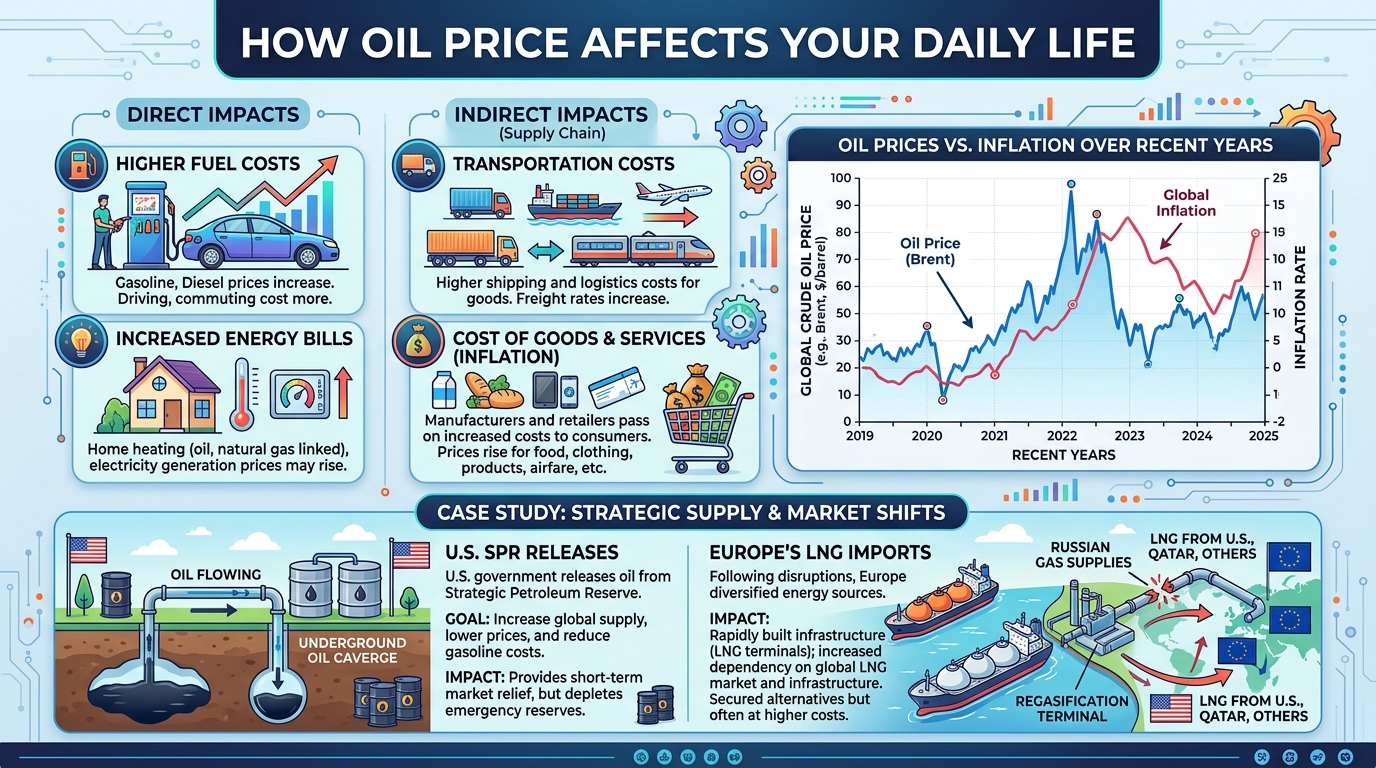
Even in the U.S., which exports millions of barrels of crude daily, gas prices surged to $4–6 per gallon for many Americans in recent years. Diesel prices rose further, affecting trucking, shipping, and food costs.
Why? Because global events set local prices:
- Conflicts in the Middle East
- Sanctions on key producers like Russia
- Pipeline or refinery disruptions
- OPEC’s coordinated production decisions
Even producing enough oil domestically does not insulate citizens from international shocks.
🇺🇸 America: The Paradox of Plenty, Oil Crisis Hits Everyone
The United States is one of the world’s largest oil producers. Every day, millions of barrels flow from shale fields in Texas, North Dakota, and other states, feeding domestic needs and exports. You might think that with all this oil, gas prices at the pump would be stable and affordable. But reality tells a different story.
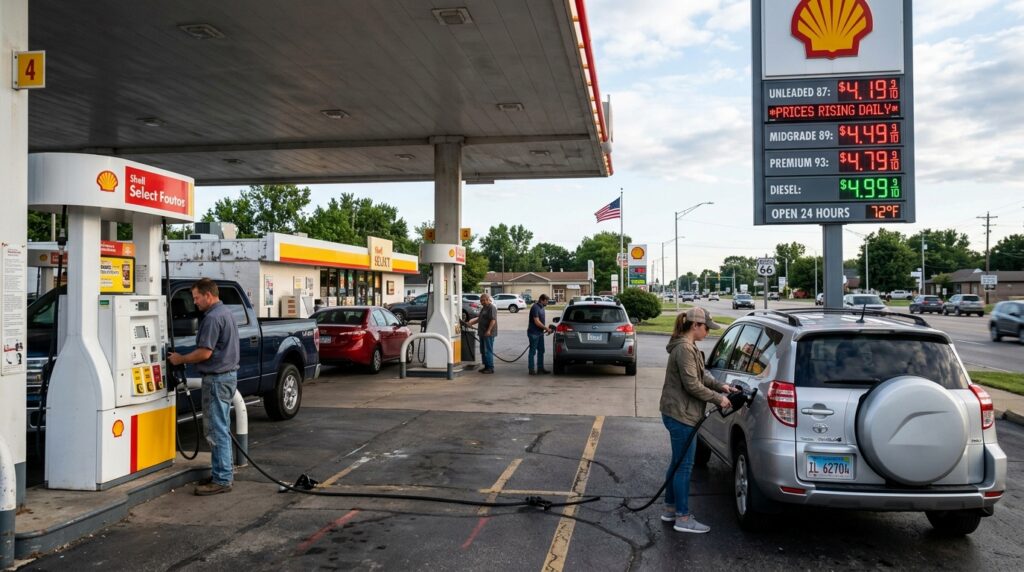
Rising Gas Prices: Pain at the Pump
Even as the country pumps more oil than ever:
- Gas prices surged to $4–6 per gallon in 2022–2023 for many states.
- Diesel prices jumped, affecting transportation costs.
- Citizens in middle-class neighbourhoods suddenly had to budget more for fuel, cutting into money for groceries, medical care, or leisure.
Why? Because oil is traded on a global market, not just sold locally. Prices are influenced by:
- Middle East conflicts
- Sanctions on countries like Russia
- Natural disasters affecting refineries
- Global demand surges
Even local abundance cannot protect Americans from these shocks.
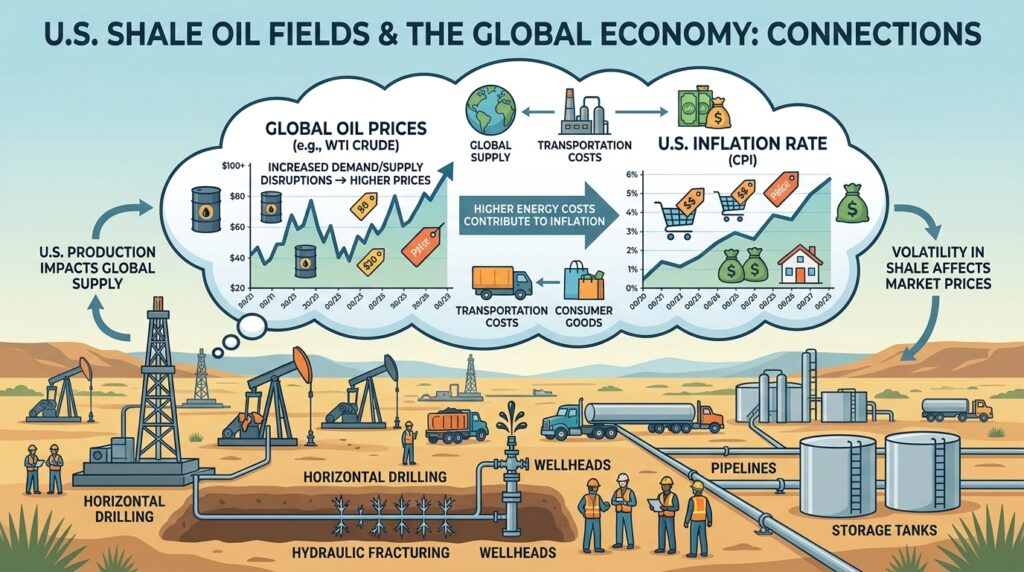
Inflation: The Hidden Ripple
Gas isn’t the only place Americans feel the pinch. Rising energy costs ripple across the economy:
- Food prices increase: trucks need diesel, farms need fuel and fertiliser.
- Goods become more expensive: shipping costs climb, and retailers pass costs to customers.
- Utility bills soar: electricity and heating costs are tied to natural gas and oil.
In short, inflation hits everyone, not just the wealthy or the fuel-intensive industries.
Everyday Struggles
Consider an average American household:
- Monthly grocery bills rise
- Commute costs increase sharply
- Heating bills climb in winter
- Savings are squeezed as essential costs spike
Even in a country flush with energy resources, ordinary citizens feel the pressure in their daily lives.
Why Government Measures Only Partly Help
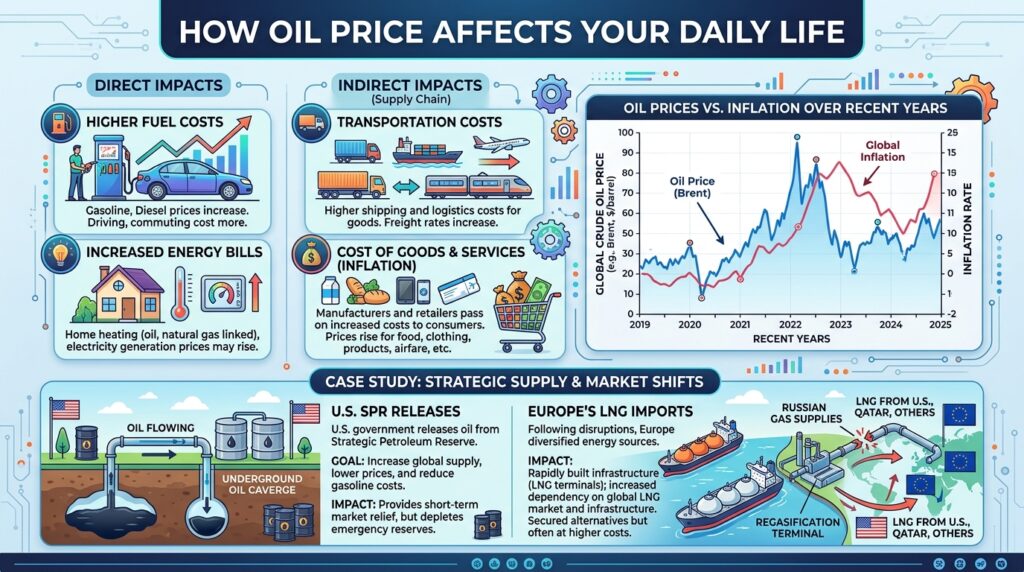
The U.S. government has tools like the Strategic Petroleum Reserve to release oil in emergencies. Yet:
- These releases temporarily stabilise prices but don’t solve the structural issues.
- Taxes, subsidies, or incentives can only cushion part of the shock.
- Global oil pricing remains outside direct government control.
The Big Picture
This situation highlights a surprising truth:
Producing a lot of oil does not guarantee cheap fuel for citizens.
Energy prices are tied to global markets, politics, and finance, not just local supply. Even oil-rich nations must navigate the turbulence of global demand, conflicts, and currency fluctuations.
🇪🇺 Europe’s Challenge: Dependence Meets Volatility
Europe faces a more delicate situation, being heavily reliant on imports, particularly natural gas:
- The EU sought alternatives to Russian gas, importing LNG from the U.S., Qatar, and Africa.
- Governments implemented price caps and subsidies to protect citizens.
- Energy conservation campaigns promoted reduced consumption and efficiency.
- Strategic stockpiling of gas helped prevent winter shortages.
Despite these efforts, Europeans still faced high utility bills, inflation, and economic stress, showing that even wealthier nations are vulnerable when global energy prices spike.
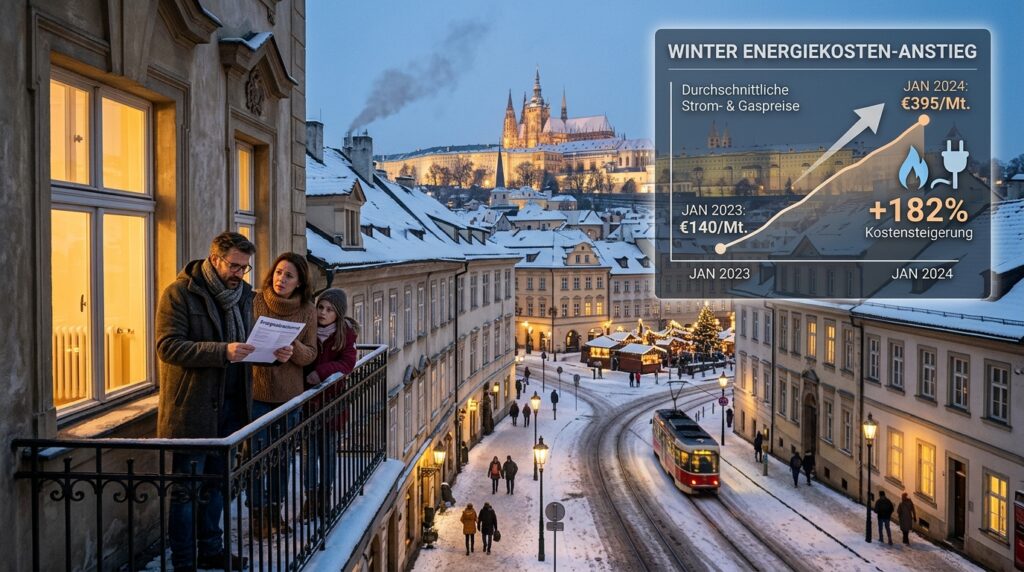
Inflation: The Hidden Multiplier
Rising oil prices don’t stop at the pump; they ripple across the economy:
- Food becomes costlier: transport and fertilisers depend on fuel.
- Goods and services rise: shipping and production costs climb.
- Household expenses increase: heating, electricity, and transport squeeze family budgets.
Energy shocks act like a stone thrown into a pond, with ripples touching every corner of the economy.
Why Oil-Rich Countries Can’t Control Prices
There’s a common misconception: produce more oil → fuel becomes cheaper. Reality:
| Myth | Reality |
|---|---|
| Producing oil guarantees cheap fuel | ❌ Prices follow the global market |
| The government can control fuel costs easily | ❌ Interventions only partly help |
| Self-sufficient countries are safe | ❌ Global demand and geopolitics still affect prices |
Even countries with abundant oil reserves must navigate international market forces, currency dynamics, and political risks.
The Geopolitical Layer
Energy isn’t just economic, it’s political.
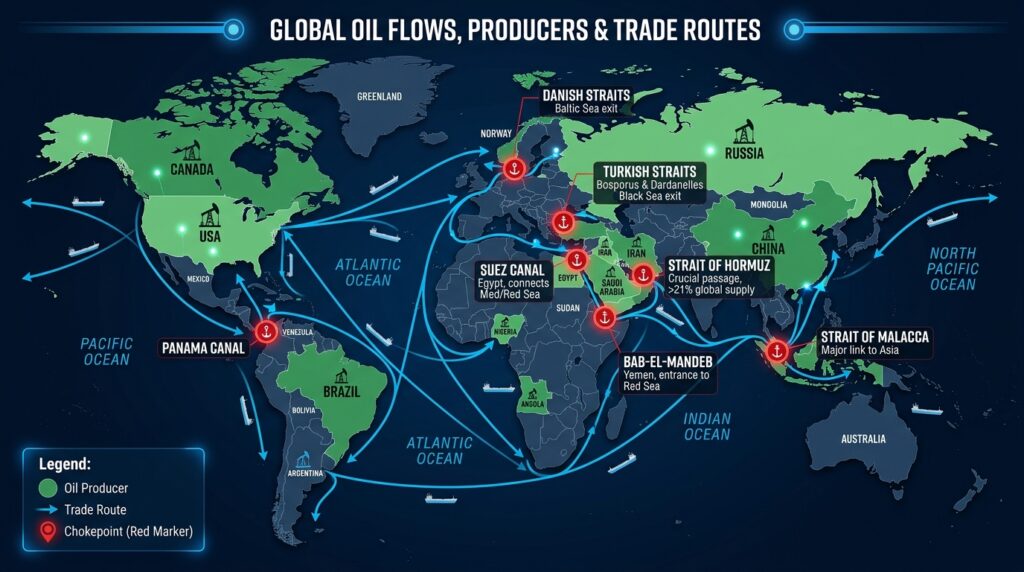
- Strategic chokepoints like the Strait of Hormuz control global oil flow.
- OPEC nations coordinate production to influence prices worldwide.
- Sanctions on key producers can shift oil flows, impacting prices across continents.
In a globalised economy, no country is truly isolated from energy shocks.
Everyday Analogy
Even if your family grows wheat, if global wheat prices double, your bread still becomes expensive. Local abundance doesn’t insulate anyone from international market forces.
Key Takeaways
- Global energy markets affect everyone, regardless of domestic production.
- Even oil-rich nations struggle with inflation, rising bills, and economic stress.
- Government interventions help, but don’t solve the root causes.
- Long-term solutions include diversifying energy sources, investing in renewables, and implementing efficiency measures.
Everyday Analogy
Oil: Global Commodity, Not Local
Even massive producers like the U.S. are tied to world markets, where conflict, sanctions, and demand spikes dictate prices.
Why Oil-Rich Countries Can’t Control Prices
Even abundant oil reserves do not guarantee cheap fuel. Global markets, currency dynamics, and geopolitics decide the final cost.
6 FAQs
1. Why do gas prices rise in the U.S. despite being a top oil producer?
- Because oil is priced globally, local abundance does not prevent shocks from conflicts, sanctions, or demand spikes.
2. How does the oil price affect everyday goods?
- Transportation and production costs rise, increasing food, utilities, and goods prices across the economy.
3. Why can’t governments fully control fuel prices?
- Market prices are global, and interventions like subsidies or reserve releases only provide temporary relief.
4. How did Europe respond to energy shocks?
- Diversified imports, implemented price caps, promoted energy conservation, and built strategic reserves.
5. What is the role of geopolitics in energy crises?
- Conflicts, sanctions, and strategic chokepoints like the Strait of Hormuz directly affect oil flow and prices worldwide.
6. Can energy independence guarantee stable prices?
- No. Global supply-demand dynamics, market speculation, and geopolitical tensions still influence domestic costs.
References
- U.S. Energy Information Administration – https://www.eia.gov
- European Commission Energy Data – https://energy.ec.europa.eu
- OPEC Oil Market Reports – https://www.opec.org
- IMF World Economic Outlook – https://www.imf.org