
Natural Remedies for High Blood Pressure: What Really Works in 2026
Updated: March,2026
Natural remedies for high blood pressure, What if lowering your blood pressure didn’t always start with a pill…
But with what’s already in your kitchen?
From garlic and green tea to walking and stress control,
Science in 2026 confirms:
Natural remedies can work, but only if you use them the right way.
Natural remedies for high blood pressure are gaining attention worldwide. But modern research shows a clear truth: lifestyle changes, diet, and selected natural ingredients can support blood pressure control, yet they must complement, not replace, medical care. Here’s what actually works in 2026.
What Are Natural Remedies for High Blood Pressure?
Natural remedies refer to non-medication approaches, such as:
- Diet changes
- Herbal solutions
- Exercise
- Stress management
These methods aim to lower blood pressure naturally, especially in early stages or alongside treatment.
Latest Research (2025–2026 Updates)
1. Lifestyle Is Still the Most Powerful “Natural Medicine”
- Exercise can reduce BP by 5–8 mm Hg (Mayo Clinic)
- Weight loss significantly improves heart health
2. Herbs Show Potential, But Limited Evidence
- Garlic, hibiscus, and celery were studied in trials (ScienceDirect)
- Supplements like fish oil and CoQ10 may help
But results vary and are not a replacement for treatment
3. Potassium Is Now a Key Focus
- Increasing potassium may lower BP more effectively than just reducing salt (Health)
4. Stress Reduction Works Clinically
- Meditation, breathing, and yoga reduce BP levels (Doctronic)
Proven Natural Remedies (Backed by Science)
1. Reduce Salt, Increase Potassium
- Eat bananas, spinach, and potatoes
- Limit processed food
Helps balance blood pressure naturally (Northwestern Medicine)
2. Regular Physical Activity
- 30 minutes of daily walking
- Cardio + strength training
Keeps arteries flexible and lowers pressure (Mayo Clinic)
3. Healthy Diet (DASH / Mediterranean)
- Fruits, vegetables, and whole grains
- Low-fat dairy and lean protein
Can reduce BP up to 11 mm Hg (Mayo Clinic)
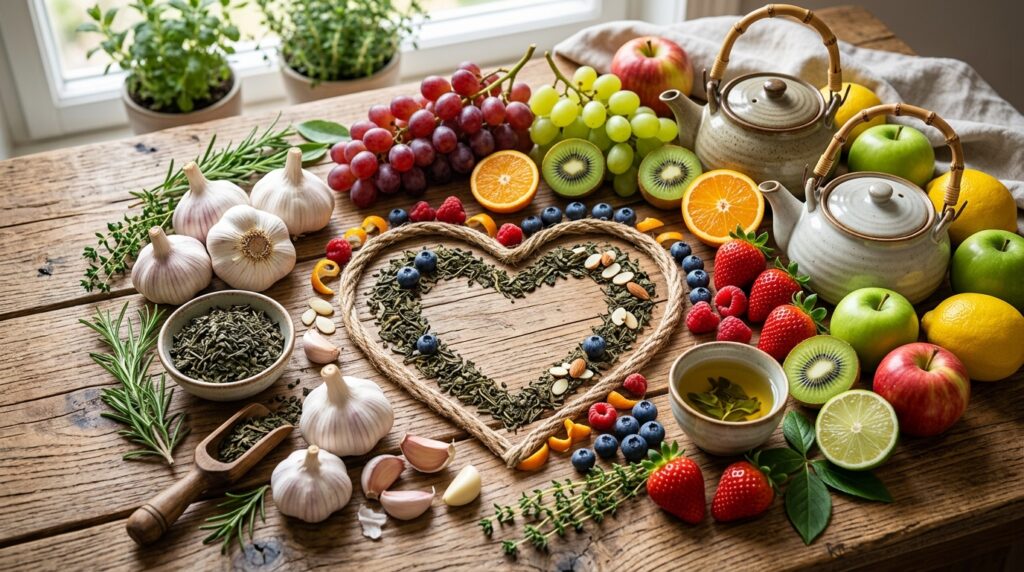
4. Herbal Support (Use Carefully)
- Garlic
- Hibiscus tea
- Green tea
Some studies show mild improvements (ScienceDirect)
Important:
Always consult a doctor before using herbs.
5. Stress Management
- Deep breathing
- Meditation
- Yoga
Proven to reduce hypertension naturally (Doctronic)
6. Weight Management
- Even small weight loss helps
Reduces pressure on arteries (Mayo Clinic)
Recommendations for US, Europe & Canada Readers
🇺🇸 United States
- Combine natural remedies with early medication if needed
- Follow the DASH diet strictly
🇪🇺 Europe
- Focus heavily on lifestyle first
- Monitor BP regularly before medication
🇨🇦 Canada
- Balanced approach: lifestyle + medical guidance
- Strong emphasis on prevention
Global consensus:
Natural remedies: support system, not a substitute
Real-Life Insight
- A busy office worker skipping exercise
- A student surviving on junk food
- A parent dealing with constant stress
Same story worldwide:
Lifestyle drives blood pressure more than we admit.

What Natural Remedies Cannot Do?
Let’s be honest:
❌ They don’t work instantly
❌ There may not be enough in severe hypertension
❌ They can interact with medicines
Even experts stress:
Natural methods should support, not replace, treatment (Verywell Health)
The New 2026 Mindset
Old belief:
“Herbs can cure hypertension”
New reality:
“Lifestyle + science + medicine = real control”
1. Herbs that have shown promise in helping to Control High Blood Pressure
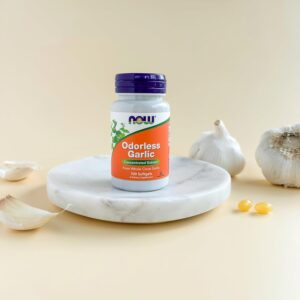
- Garlic (Allium sativum): Garlic is known for its potential to lower blood pressure
- A study published in the journal “Maturitas” in 2010 found that garlic consumption could lead to a significant reduction in both systolic and diastolic blood pressure. Garlic is known for its potential to help control high blood pressure. Here are some methods for consuming garlic to potentially lower blood pressure
- Raw Garlic:
- Method: Eating raw garlic is one of the most direct ways to incorporate it into your diet. Peel and crush a garlic clove and then swallow it with water.
- Effect: Raw garlic is believed to be more potent in reducing blood pressure because it contains allicin, a compound with potential cardiovascular benefits.
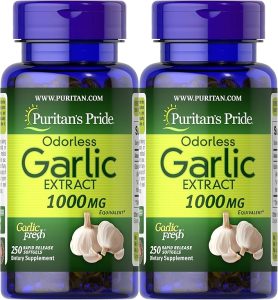 2. Garlic Supplements:
- Method: Garlic supplements, such as garlic extract capsules or tablets, are available over the counter. Follow the recommended dosage instructions on the product label.
- Effect: These supplements provide a convenient and standardised way to consume garlic. They may offer benefits similar to raw garlic.https://a.co/d/2jt4m95
3. Cooking with Garlic:
- Method: Adding fresh garlic to your meals while cooking is a flavorful way to enjoy its health benefits. You can mince, chop, or crush garlic cloves and incorporate them into various dishes.
- Effect: Cooking garlic may reduce its allicin content, but it still provides a delicious flavour and some potential cardiovascular advantages.
4. Garlic Oil:https://amzn.to/45Z3kjN
- Method: Garlic-infused oil can be used for sautéing, roasting, or drizzling over dishes. You can make your garlic oil by infusing olive oil with garlic cloves.
Garlic-infused oil - Effect: Garlic oil imparts the flavour of garlic to your dishes and can be part of a heart-healthy diet.
5. Garlic Powder:https://amzn.to/3smlJcQ
- Method: Garlic powder is a convenient option for seasoning your food. Sprinkle it on your dishes for a garlic flavour.

Garlic Powder 
- Effect: While garlic powder may have lower allicin content compared to fresh garlic, it can still add taste to your meals.
6. Fermented Black Garlic:https://amzn.to/3FLLGWo
- Method:
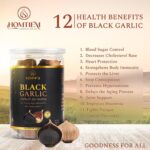
Balch Garlic 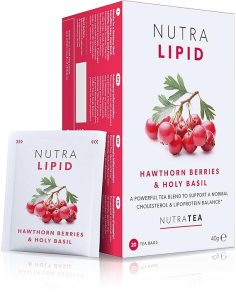
- Effect: Fermented black garlic contains unique compounds and may offer cardiovascular benefits.
- 7. Garlic Tea:https://amzn.to/45W0gFb
- Method: Garlic tea can be made by boiling crushed garlic in water and then allowing it to steep. You can add honey or lemon for taste.
Garlic Tea - Effect: Garlic tea is an alternative way to consume garlic, but it may not be as flavorful as other methods.
8. Garlic Supplements with Allicin:
- Method: Some supplements specifically contain allicin, the active compound in garlic. Follow the recommended dosage on the product label.
- Effect: Allicin supplements aim to provide the most potent cardiovascular benefits of garlic.
Important Note: While garlic is a natural remedy that may help lower blood pressure, it’s essential to consult with a healthcare professional before significantly increasing your garlic consumption, especially if you’re taking blood-thinning medications or have underlying health conditions. Additionally, remember that garlic is just one part of a heart-healthy lifestyle that includes a balanced diet, regular exercise, and medical guidance for blood pressure management.
- Method: Garlic tea can be made by boiling crushed garlic in water and then allowing it to steep. You can add honey or lemon for taste.
- [Source: Ried, K., et al. (2010)Household Spices and the effect of garlic on blood pressure: A systematic review and meta-analysis. Maturitas, 67(2), 144-150.]
- Cinnamon (Cinnamomum verum): Cinnamon has demonstrated blood pressure-lowering effects.https://amzn.to/3FNTGWA
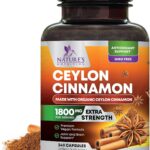
Cinnamon (Cinnamomum verum - Research published in the “Journal of the American College of Nutrition” in 2012 suggested that cinnamon intake can improve blood pressure regulation. [Source: Akilen, R., et al. (2012).] Glycated haemoglobin and blood pressure-lowering effect of cinnamon in multi-ethnic Type 2 diabetic patients in the UK: a randomised, placebo-controlled, double-blind clinical trial. Journal of the American College of Nutrition, 31(3), 372-379.]
- Ginger (Zingiber officinale): Ginger may have a positive impact on hypertension.https://amzn.to/3QVl37P
Ginger (Zingiber officinale): - A study published in the journal “Hypertension” in 2014 showed that regular ginger consumption could reduce both systolic and diastolic blood pressure. [Source: Mahluji, S., et al. (2013).] The effects of ginger intake on weight loss and metabolic profiles among overweight men: A randomised controlled trial. European Journal of Nutrition
- Turmeric (Curcuma longa):https://amzn.to/3QJ9obZ Curcumin, the active compound in turmeric, has potential cardiovascular benefits, including blood pressure regulation.
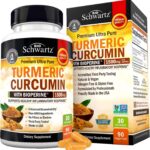
Turmeric Curcumin. - A study published in “Nutrition Journal” in 2016 reported that curcumin supplementation can lead to a significant reduction in systolic and diastolic blood pressure. [Source: Sahebkar, A. (2016). A systematic review and meta-analysis of randomised controlled trials investigating the effects of curcumin on blood pressure. Nutrition Journal, 15, 38.]
- Hawthorn (Crataegus species): https://amzn.to/3u3m1FWHawthorn is a herb known for its potential to support cardiovascular health.
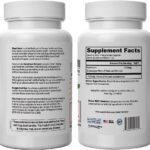
Best Hawthorn Vitamin 
- A review published in “Planta Medica” in 2011 suggested that hawthorn extract can effectively lower blood pressure. [Source: Walker, A. F., et al. (2006).] Promising hypotensive effect of hawthorn extract: A randomised double-blind pilot study of mild, essential hypertension. Phytotherapy Research, 20(1), 13-18.]
- Basil (Ocimum basilicum): Basil contains compounds like eugenol, which may contribute to blood pressure control. While more research is needed, basil is a flavorful addition to meals and can be a part of a heart-healthy diet.https://amzn.to/3skKeXE
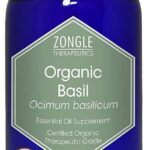
- [Source: Not a specific study, but basil’s potential benefits are supported by its use in traditional medicine.]
This post contains affiliate links, which means I earn a commission if you purchase through these links. This comes at no additional cost to you and helps support the content I create. I only promote products/services I believe in and use myself. Your support is greatly appreciated!
Conclusion: Incorporating these spices and herbs into your daily cooking or as herbal teas may complement a healthy lifestyle and dietary choices for blood pressure management. However, it’s crucial to consult a healthcare provider before making significant dietary changes or relying solely on natural remedies, especially if you have hypertension or are on medication. These herbs and spices should be used with prescribed treatments and lifestyle modifications.
FAQs
1. Can natural remedies cure high blood pressure?
No. They help manage it, but usually don’t cure it completely.
2. Which natural remedy works fastest?
Exercise and reducing salt show the quickest measurable results.
3. Is garlic really effective?
Some studies show mild benefits, but it’s not a standalone treatment. (ScienceDirect)
4. Can tea lower blood pressure?
Yes, certain teas like hibiscus and green tea may help slightly. (Verywell Health)
5. Is medication avoidable with natural methods?
In early stages, sometimes yes, but not always.
6. What is the safest natural approach?
A combination of diet, exercise, weight control, and stress reduction.
📚 References (Credible Sources)
- Mayo Clinic – Lifestyle & BP Control (Mayo Clinic)
- Johns Hopkins Medicine – Natural BP Management (Hopkins Medicine)
- Systematic Review on Herbal Remedies (2025) (ScienceDirect)
- Nature & Global Studies (2025–2026)
- Health & Nutrition Research Updates (Health)
This post contains affiliate links, which means I earn a commission if you purchase through these links. This comes at no additional cost to you and helps support the content I create. I only promote products/services I believe in and use myself. Your support is greatly appreciated!
Disclaimer: The content in this article is intended for informational and educational purposes only. It provides insights, tips, and general guidance on health, beauty, and wellness, but it is not a substitute for professional medical advice, diagnosis, or treatment.
Always consult a qualified healthcare professional for personal medical concerns. For more information about our approach to health and wellness content, please read our Health & Wellness Disclaimer.
Recognizing and Addressing Actionable Negative Moods: A Guide to Mental Wellbeing in 2025