

Husband and Wife: The Two Pillars That Hold a Home Together
A Home Stands on People, Not Walls: Husband and Wife
Husband and Wife: The Two Pillars. A house can be built with bricks and cement.
A home is built with patience, understanding, and shared responsibility.
At the centre of every stable home stand two pillars: husband and wife.

A strong home relies on the husband and wife as its pillars. Emotional partnership, communication, and teamwork create stability, love, and guidance for children…”
When these pillars are strong, flexible, and aligned, the home remains steady even in storms. When they weaken, no amount of money, technology, or outside support can fully compensate.
Marriage gives the bond.
Daily life tests it.
In a happy marriage, the relationship between husband and wife is built on trust, closeness, friendship, and emotional connection. It includes both joy and difficult moments.
A happy marriage does not mean there are no disagreements. It means that when problems arise, both partners handle them with respect and understanding, without harming their relationship. This is what a successful marriage looks like.
From Sacred Bond to Daily Responsibility

As discussed in our earlier article, marriage across religions is viewed as sacred, purposeful, and socially significant. But sanctity alone does not run a household. https://mrpo.pk/the-value-of-marriage/
Marriage becomes real:
- In morning conversations
- In financial decisions
- In disagreements
- In parenting
- In silence, stress, and sacrifice
This is where husband and wife stop being just spouses and become pillars of the home.
Emotional Partnership: The Heart of a Strong Home
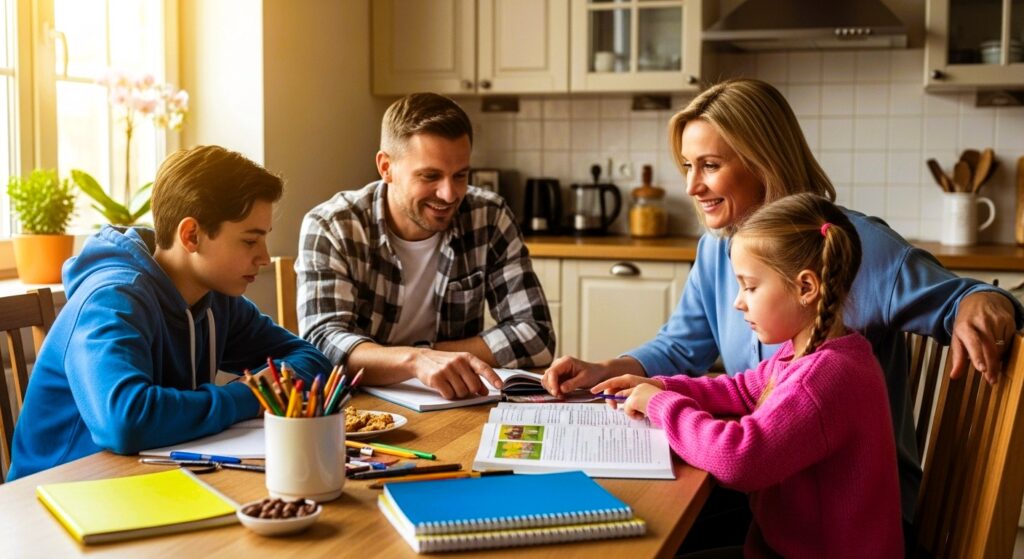
A strong marriage begins with emotional safety.
When husband and wife:
- Feel heard
- Feel respected
- Feel supported
The home becomes a place of rest, not tension.
Emotional partnership means:
- Listening without rushing to fix
- Validating feelings even during disagreement
- Being present, not just physically but emotionally
A peaceful home is not one without problems.
It is one where problems are faced together.
Communication: Husband and Wife, How Pillars Stay Aligned

Poor communication cracks even the strongest marriages.
Healthy communication is not about talking more; it’s about understanding better.
Strong couples:
- Speak honestly but kindly
- Address issues early instead of storing resentment
- Disagree without humiliation or sarcasm
One simple rule protects marriages:
Talk to your spouse the way you want your children to talk to others.
Children absorb tone before content.
Trust, Respect, and Shared Decision-Making
Trust is built through consistency, not promises.
In a stable home:
- Decisions are discussed, not imposed
- Money is managed transparently
- Responsibilities are shared, not dumped
Respect does not mean agreement on everything.
It means honouring each other’s dignity, even in disagreement.
Negotiating Differences: How Husband and Wife Navigate Misunderstandings in Raising Children
No two people think the same way, especially when it comes to children.
Different childhoods, different values, different fears, and different dreams naturally shape how a husband and wife see parenting. Disagreements are not a sign of a weak marriage. How those disagreements are handled is what matters.
A strong home is not one without conflict.
It is one where conflict is managed with respect.
Why Parenting Differences Are Inevitable
Husbands and wives often disagree on:
- Discipline vs leniency
- Academic pressure vs emotional freedom
- Religious or moral boundaries
- Screen time and technology
- Career choices and future paths
These differences usually come from care, not ego. Each parent wants what they believe is best.
The problem begins when disagreement turns into competition instead of cooperation.
Presenting a United Front to Children
Children are incredibly observant. They quickly learn:
- Who is stricter
- Who can be emotionally manipulated
- Where authority is divided
When parents argue openly in front of children or contradict each other repeatedly, children feel confused and insecure.
A healthy rule:
Disagree privately. Decide together. Present one decision publicly.
This gives children:
- Emotional safety
- Clear boundaries
- Confidence in their parents
Negotiating Discipline Without Power Struggles
One parent may believe in firm discipline.
The other may prioritise emotional sensitivity.
Both approaches have value.
The goal is not to “win” the argument, but to blend strengths:
- Firm rules with gentle explanation
- Consequences with compassion
- Structure with flexibility
When children see fairness instead of fear, discipline becomes guidance, not control.
Education: Pressure vs Potential
Few topics create more tension in marriage than education.
Common conflicts include:
- Grades vs creativity
- Traditional paths vs modern careers
- Parental expectations vs child’s interest
A wise approach involves:
- Listening to the child’s abilities and passions
- Aligning long-term goals instead of short-term comparison
- Avoiding parental ego disguised as ambition
Children thrive when parents ask:
“What kind of human are we raising?”
not just
“What profession will they choose?”
Career Choices: Dreams, Reality, and Parental Balance
Career decisions often reflect parents’ unfulfilled dreams or social fears.
One parent may push for stability.
The other may support passion and risk.
The healthiest outcome lies in:
- Honest discussion
- Realistic assessment of skills
- Emotional support regardless of outcome
When husband and wife respect each other’s perspectives, children learn:
- Confidence
- Decision-making
- Accountability
Emotional Intelligence: The Hidden Curriculum
Children learn emotional skills not from lectures, but from watching how parents treat each other.
When husband and wife:
- Listen without interrupting
- Apologise when wrong
- Disagree respectfully
Children internalise:
- Conflict resolution
- Emotional regulation
- Mutual respect
This is education that no school can provide.
When Parents Disagree Deeply
Some disagreements are rooted in values, not preferences.
In such moments:
- Pause instead of pushing
- Seek neutral guidance if needed
- Remember the shared goal: the child’s well-being
Compromise does not mean surrender.
It means choosing the family over the ego.
The Long-Term Impact of Cooperative Parenting
Homes where parents cooperate produce children who:
- Feel emotionally secure
- Respect authority without fear
- Communicate confidently
- Handle disagreements maturely
These children grow into adults who can build healthy relationships of their own.
Conclusion: Husband and Wife, Two Pillars, One Direction
A husband alone cannot hold a home.
A wife alone cannot hold it either.
But together, aligned in values, respectful in disagreement, united in purpose, they create something powerful: a stable home in an unstable world.
Marriage gives the bond.
Husband and wife give it life.
FAQs: Husband and Wife as Pillars of the Home
1. Why are husband and wife called pillars of the home?
Because their relationship supports emotional stability, parenting, and family harmony.
2. Is conflict between spouses normal?
Yes. Respectful handling of conflict strengthens marriage.
3. How should parents handle disagreements about children?
Discuss privately, decide jointly, and present unity to children.
4. What role does communication play in a healthy home?
It prevents resentment, builds trust, and models emotional intelligence.
5. Can a home be stable without cooperation between spouses?
Stability becomes difficult when spouses act as competitors instead of partners.
6. How does a strong marriage affect children long-term?
It improves emotional health, confidence, and future relationship skills.