How to Stop a Panic Attack: The 30-Second Method That Actually Works
How to Stop a Panic Attack. A panic attack doesn’t ask for permission.
One moment you’re fine.
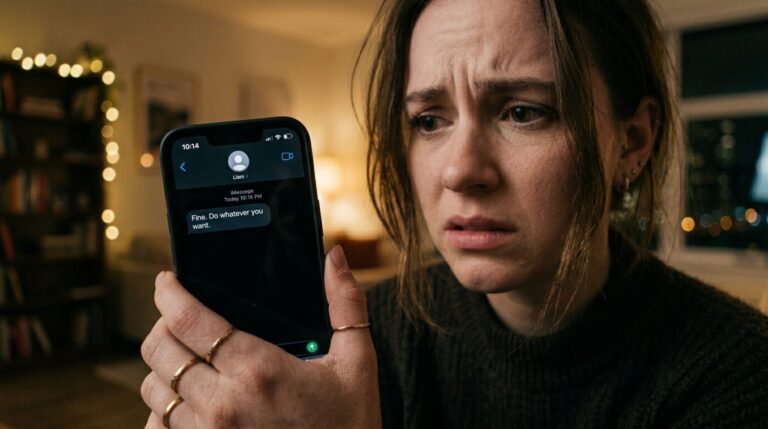
Next, your heart is racing, your chest feels tight, your breath won’t obey you, and your brain whispers the scariest lie of all:
“Something is seriously wrong.”
If you’ve ever experienced a panic attack, you know the fear isn’t just physical.
It’s the feeling of losing control.
Panic attacks don’t come out of nowhere.
They arrive after weeks, months, or years of unaddressed mental overload and emotional strain.
They are not a malfunction; they are a message.
Your nervous system isn’t betraying you.
It’s trying to protect you in the only way it knows how.
And while panic feels overwhelming, there is something powerful you should know:
Your body can be guided back to safety faster than you think.
But here’s the truth most people never hear:
A panic attack cannot harm you.
And you can interrupt it in under 30 seconds.
Let’s talk about how.
Shortness of breath, a pounding heart, nausea, detachment, a loss of control, dizziness, and uncontrollable shaking – if you experience these symptoms, then you may be having a panic attack. But don’t worry — panic attacks always pass, and this type of anxiety disorder is more common than you may think.
You’re not alone with panic attacks, and New Vision Psychology is here to help. In this article, we’ll explain what a panic attack is, what it feels like, and why it happens. We’ll also explain how to subdue a panic attack when it happens, in 9 simple steps. https://newvisionpsychology.com.au/general-counselling/how-to-stop-a-panic-attack/
First, What a Panic Attack Really Is (In Simple Words)
A panic attack is not a heart attack.
It’s not madness.
It’s not a weakness.
It’s your body’s alarm system misfiring.
Your brain thinks you’re in danger — even when you’re not.
So it releases stress hormones, speeds up your heart, tightens your muscles, and forces fast breathing.
Your body is trying to protect you.
It’s just protecting you from nothing.
Panic attacks rarely appear out of nowhere.
They often grow from long-term mental overload and emotional exhaustion.
If your panic feels like the final straw, you may want to explore why your mind and emotions have been under constant strain in our earlier pieces:
-
Why Your Brain Is Exhausted (And How to Fix It With Simple Household Items)
-
Why You Feel Emotionally Drained All the Time (And How to Fix It)
Why Panic Feels So Terrifying
Panic attacks feel dangerous because:
- Your heart races
- Your breath feels trapped
- Your chest tightens
- You feel dizzy or unreal
- You fear collapsing, fainting, or dying
But here’s the hidden truth:
Panic symptoms are intense — not dangerous.
Your fear feeds the alarm.
The alarm feeds the fear.
That loop is what we’re going to break.
The 30-Second Method That Stops Panic

This method works because it shifts control from the fear centre of your brain to the thinking centre.
No pills.
No affirmations.
No forcing calm.
Just physiology.
Step 1 (10 seconds): Drop Your Shoulders
Right now, lower your shoulders.
Not gently.
Deliberately.
Panic tightens muscles automatically.
Relaxing them manually sends a message to your nervous system:
“We are not running.”
Step 2 (10 seconds): Slow the Exhale
Forget “deep breathing.”
That often makes panic worse.
Instead:
- Inhale normally through your nose
- Exhale slowly through your mouth
- Make the exhale longer than the inhale
Long exhalations activate the calming nerve in your body.
Your heart rate begins to drop.
Step 3 (10 seconds): Name 3 Solid Things
Silently or out loud, name:

- 3 things you can see
- Or 3 things you can touch
Example:
“Chair. Floor. Wall.”
This grounds your brain in reality — not fear.
That’s it. 30 seconds.
No fighting panic.
No begging it to stop.
You’re not calming yourself.
You’re showing your body that there is no threat.
Why This Method Works So Fast
Panic lives in the part of the brain that doesn’t understand logic.
Telling yourself “I’m fine” rarely works.
But your nervous system understands:
- Muscle relaxation
- Breath rhythm
- Sensory grounding
These signals shut down the alarm faster than thought ever could.
What NOT to Do During a Panic Attack
These common mistakes make panic worse:
- Trying to control your heartbeat
- Gasping for air
- Repeatedly checking symptoms
- Escaping the situation in panic
- Fighting the sensations
Panic feeds on resistance.
Calm comes from allowing while grounding.
Why Panic Attacks Keep Returning
Panic attacks repeat because of the fear of the next attack.
Your brain learns:
“That feeling is dangerous.”
So it scans constantly — and triggers panic again.
The solution isn’t avoidance.
It’s confidence.
When your brain learns:
“I can handle this.”
The attacks weaken — and eventually stop.
Who Panic Attacks Affect (More Than You Think)
Panic attacks affect:
- Students
- Professionals
- Parents
- Homemakers
- Elderly individuals
They are common in people who:
- Carry emotional stress quietly
- Suppress anxiety
- Feel responsible for everyone else
- Have experienced trauma or overload
Strong people get panic attacks.
Sensitive people get panic attacks.
This is not a personal failure.
A Simple Daily Practice to Reduce Panic Frequency
Spend 2 minutes a day doing this:
- Sit quietly
- Slow your breathing
- Relax your shoulders
- Ground your senses
You’re training your nervous system to feel safe again.
Safety is a skill.
Frequently Asked Questions
Can panic attacks cause death?
No. Panic attacks are uncomfortable but not fatal.
Should I go to the hospital during a panic attack?
If it’s your first attack or symptoms feel unfamiliar, a medical evaluation is wise. Recurrent panic is usually manageable at home.
How long do panic attacks last?
Most peak within 10 minutes and fade within 30 minutes.
Does medication help?
For some people, yes, but many recover fully with techniques and therapy.
Final Thought
A panic attack feels like your body betraying you.
But it isn’t.
It’s a false alarm, loud, convincing, and temporary.
The moment you stop fighting it
and start grounding yourself,
you take back control.
Save this method.
Share it.
Because the next time panic shows up uninvited …
You’ll know exactly what to do.
Stopping a panic attack isn’t about control.
It’s about reassurance.
When you calm the moment, you don’t just end the panic; you begin a conversation with your nervous system.
And if panic has been visiting often, it’s not asking you to fight harder.
It’s asking you to listen deeper.
Your mind, your emotions, and your body are not separate battles.
They are one system, asking, again and again, for care instead of endurance.
Disclaimer:
The information provided in this article is for educational and informational purposes only and is not intended to replace professional medical advice, diagnosis, or treatment. Always consult with a qualified healthcare provider before starting any new supplement, health practice, or treatment, especially if you have existing medical conditions, are pregnant or breastfeeding, or are taking prescription medications. The author and publisher are not responsible for any adverse effects or consequences resulting from the use of the information contained herein.
Mental-Health Series
-
Why Your Brain Is Exhausted (And How to Fix It With Simple Household Items)
-
Why You Feel Emotionally Exhausted All the Time (And How to Fix It) . https://mrpo.pk/emotionally-exhausted-all-the-time/
-
How to Stop a Panic Attack — The 30-Second Method That Works
References
- American Psychological Association — Panic Disorder Overview
- National Institute of Mental Health — Panic Attacks
- Barlow, D. H. (2002). Anxiety and Its Disorders
- Porges, S. W. (2011). The Polyvagal Theory
- Harvard Medical School — Breathing and Anxiety Regulation