Household Herbs and Spices That Can Help Protect Your Skin from the Sun in 2025
Updated: February,2026
Introduction — Flavour Meets Science
Before you reach for supplements or processed seasoning blends, look at your household herbs and spices rack. Those small jars of turmeric, garlic, cinnamon, rosemary, and oregano aren’t just flavour boosters; they’re packed with compounds that research shows may support inflammation control, heart health, digestion, and even brain function.
Across the U.S. and Europe, home cooks and wellness enthusiasts are rediscovering what traditional medicine long understood: food can heal. Modern studies confirm that compounds like curcumin in turmeric, allicin in garlic, and cinnamaldehyde in cinnamon are biologically active, offering antioxidants and anti-inflammatory effects. The best part? You don’t need exotic ingredients or expensive supplements; your pantry already holds a potent arsenal of health-supporting herbs and spices.
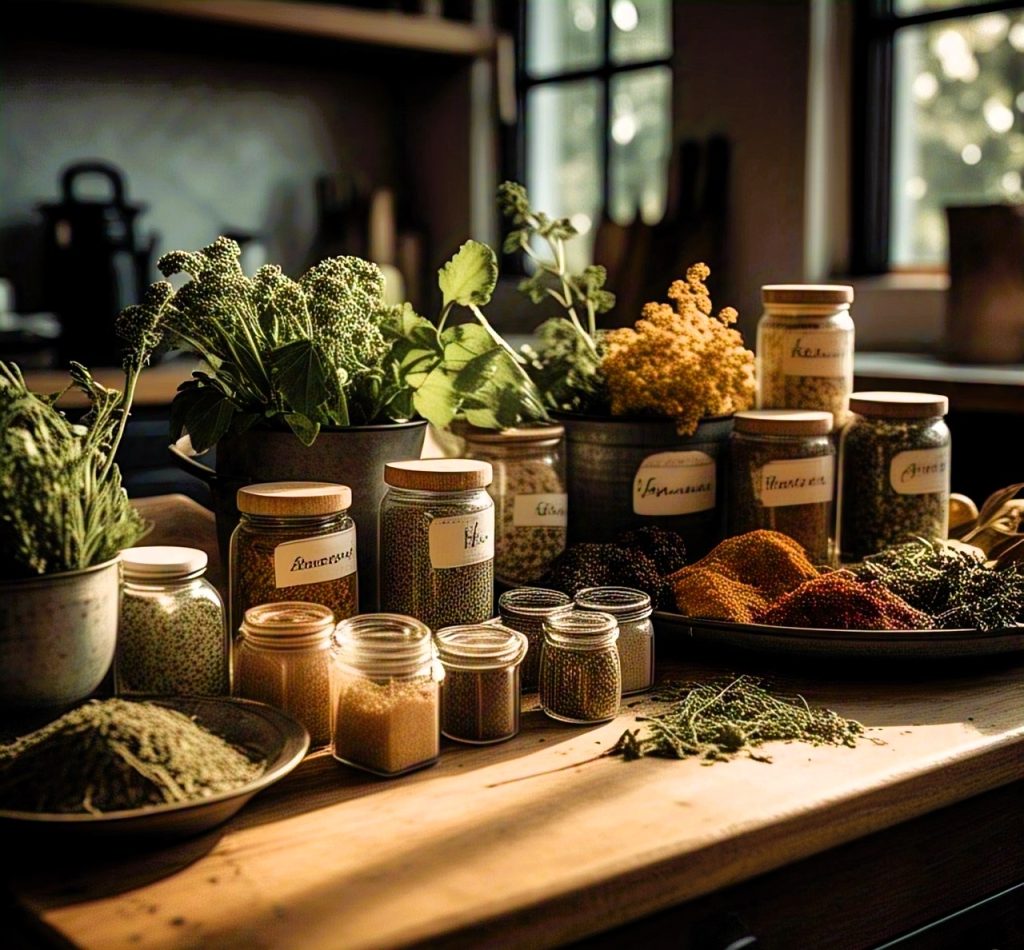
What are Herbs?
Herbs are flowers, leaves, or plants that can be used for culinary or medicinal purposes. Most herbs are non-woody in appearance and carry incredible properties that can be used for a multitude of reasons. Herbs have to be used in small doses, especially when used for food flavouring. Here are a few of the most common herbal categories:
Culinary Herbs
Most herbs and spices are common in the culinary world. In fact, many of them contain medicinal properties that aid in healthy digestion. One common reason why people use herbs is their incredible healing properties. Herbs were used in the ancient era to promote gut health. Other culinary herbs also possess healing properties that are often found in skincare.
Medicinal Herbs
Even with our advances in science, medicinal herbs are still popular today. These herbs are commonly used to promote gut health, cure diseases, or even alleviate pain.
However, medicinal herbs can be toxic when used in large doses. They should be used sparingly to combat health issues and maintain optimum health. For example, some weeds are known for their medicinal value and offer benefits in the health and wellness industry.
https://bhskin.com/blog/12-best-herbal-skincare-products-2022/
Why Herbs and Spices Matter in Everyday Cooking
Western diets are often high in sodium, sugar, and processed fats — a combination that challenges cardiovascular and metabolic health. Herbs and spices solve multiple problems at once:
-
Boost flavour naturally: Say goodbye to extra salt and artificial sauces.
-
Deliver bioactive compounds: Polyphenols, flavonoids, and antioxidants in herbs can support long-term wellness.
-
Support traditional and modern diets: From Mediterranean to plant-forward diets, herbs are a universal tool.
Even a pinch can make a difference. Adding rosemary to roasted vegetables, stirring cinnamon into oatmeal, or infusing ginger into tea can enhance both taste and nutrition, creating meals that are satisfying, wholesome, and science-backed.
Quick Evidence Spotlight: Everyday Superstars
-
Turmeric: Anti-inflammatory and antioxidant effects, best paired with black pepper for absorption.
-
Garlic: Supports heart health and provides antimicrobial properties.
-
Cinnamon: May help stabilise post-meal blood sugar levels.
-
Ginger: Digestive support, anti-inflammatory, reduces nausea.
-
Rosemary: Antioxidant-rich, potential cognitive support.
-
Oregano & Thyme: Contain natural antimicrobial compounds, complementing immune health.
Incorporating these herbs and spices consistently is a simple, practical step toward better health — no miracle cures, just smart cooking choices.
How to Incorporate Herbs and Spices in Your Diet
1. Spice Up Vegetables
Toss roasted or sautéed veggies with rosemary, thyme, oregano, or garlic for flavour without extra salt.
2. Start Your Day Right
Stir cinnamon or ginger into oatmeal, smoothies, or yoghurt to add subtle sweetness and bioactive compounds.
3. Brew for Wellness
Fresh mint, ginger, or turmeric teas are soothing, hydrating, and provide antioxidants.
4. Smart Cooking Swaps
Replace heavy sauces with a garlic-rosemary olive oil drizzle or turmeric-infused soups to reduce calories and sodium while maximising nutrients.
Consistency is key. Even small daily additions can have cumulative effects on long-term wellness.
Safety and Scientific Considerations
-
Culinary amounts are generally safe for most adults.
-
High-dose supplements may interact with medications or health conditions.
-
Herbs complement, but do not replace, prescribed medical treatment.
-
Moderation and variety matter; mixing herbs ensures a broader range of beneficial compounds.
6 FAQs About Household Herbs and Spices
1. Are herbs and spices as effective as supplements?
Not always. Culinary use delivers smaller, but safe, doses of bioactive compounds. Supplements concentrate these compounds but may carry risks if misused.
2. Can they replace medications?
No. Herbs and spices support wellness but should not substitute prescribed treatments.
3. Which herb is best for inflammation?
Turmeric is the most widely studied, but combining multiple herbs in your diet offers synergistic effects.
4. Do dried herbs retain benefits like fresh ones?
Yes. Drying can concentrate certain compounds. Both fresh and dried herbs are valuable.
5. How quickly can I expect benefits?
Effects are gradual, arising from consistent dietary use over weeks or months rather than overnight.
6. Is it safe to use several herbs daily?
Yes, culinary amounts of multiple herbs are generally safe and nutritionally beneficial.
Public Health Perspective: Flavour Without Extra Salt
Reducing sodium intake is a public health priority in both the U.S. and Europe. Herbs and spices are a practical, tasty solution:
-
Use garlic, rosemary, paprika, or oregano instead of salt-heavy sauces.
-
Explore Mediterranean-style recipes rich in herbs for heart-healthy eating.
-
Replace sugary drinks with herbal teas to support metabolic health.
References
-
Mayo Clinic – Nutrition and lifestyle resources
-
Harvard Medical School – Phytochemical and dietary research
-
World Health Organization – Sodium intake and cardiovascular guidelines
Sunscreen is an essential part of any skincare routine because it helps protect your skin from the sun’s harmful rays. The sun’s ultraviolet (UV) rays can cause several problems, including:
- Sunburn: Sunburn is a painful and unsightly condition that can lead to peeling and scarring.
- Wrinkles: UV rays can break down collagen and elastin, which are the proteins that give skin its strength and elasticity. This can lead to the development of wrinkles and age spots.
- Skin cancer: UV rays are the leading cause of skin cancer, including melanoma, the most serious type of skin cancer.
Sunscreen helps protect your skin from the sun’s UV rays by absorbing or reflecting them. There are two main types of sunscreen: chemical sunscreens and mineral sunscreens.
Chemical sunscreens work by absorbing UV rays and converting them into heat, which is then released from the skin. Chemical sunscreens are generally more affordable and easier to find than mineral sunscreens. However, some people may experience skin irritation or allergic reactions to chemical sunscreens.
Mineral sunscreens work by reflecting UV rays away from the skin. Mineral sunscreens are generally considered to be safer than chemical sunscreens, and they are less likely to cause skin irritation or allergic reactions. However, mineral sunscreens can sometimes leave a white cast on the skin.
There are some different sunscreen products available on the market. When choosing a sunscreen, it is important to consider the following factors:

- Sun Protection Factor (SPF): The SPF of a sunscreen indicates how well it protects your skin from UVB rays, which cause sunburn. The higher the SPF, the more protection your skin will have.
- Broad spectrum: A sunscreen that is labelled “broad spectrum” protects your skin from both UVA and UVB rays.
- Water resistance: If you will be swimming or sweating, you will need to choose a water-resistant sunscreen.
- Type of sunscreen: Choose a sunscreen that is right for your skin type and concerns. If you have sensitive skin, you may want to choose a mineral sunscreen. If you are prone to breakouts, you may want to choose a sunscreen that is oil-free and non-comedogenic (will not clog pores).
In addition to sunscreen, there are many other things you can do to protect your skin from the sun. These include:
- Wear protective clothing: When you are outdoors, wear a hat, sunglasses, and long-sleeved shirts and pants.
- Seek shade: Avoid being in the sun during the middle of the day, when the sun’s rays are strongest.
- Stay hydrated: Drink plenty of fluids to help your body stay cool.
There are also a few household items, herbs, and spices that can help protect your skin from the sun. These include: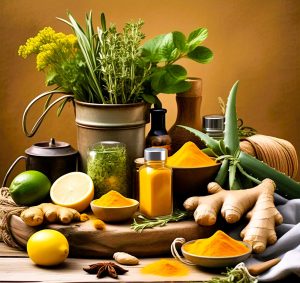
- Aloe Vera: Aloe vera is a plant that has been used for centuries to treat sunburn. It contains compounds that have anti-inflammatory and cooling properties.
- Tomatoes: Tomatoes contain lycopene, an antioxidant that has been shown to protect skin from sun damage.
- Green tea: Green tea contains catechins, antioxidants that have been shown to protect skin from sun damage.
- Kale: Kale is a leafy green vegetable that is high in vitamins C and E, antioxidants that have been shown to protect skin from sun damage.
By following these tips, you can help protect your skin from the sun’s harmful rays and keep it looking its best.
This post contains affiliate links, which means I earn a commission if you purchase through these links. This comes at no additional cost to you and helps support the content I create. I only promote products/services I believe in and use myself. Your support is greatly appreciated!
Disclaimer: The contents of this article are intended to raise awareness about common health issues and should not be viewed as sound medical advice for your specific condition. You should always consult with a licensed medical practitioner before following any suggestions outlined in this article or adopting any treatment protocol based on the article’s contents.